 English
 عربى
عربى русский
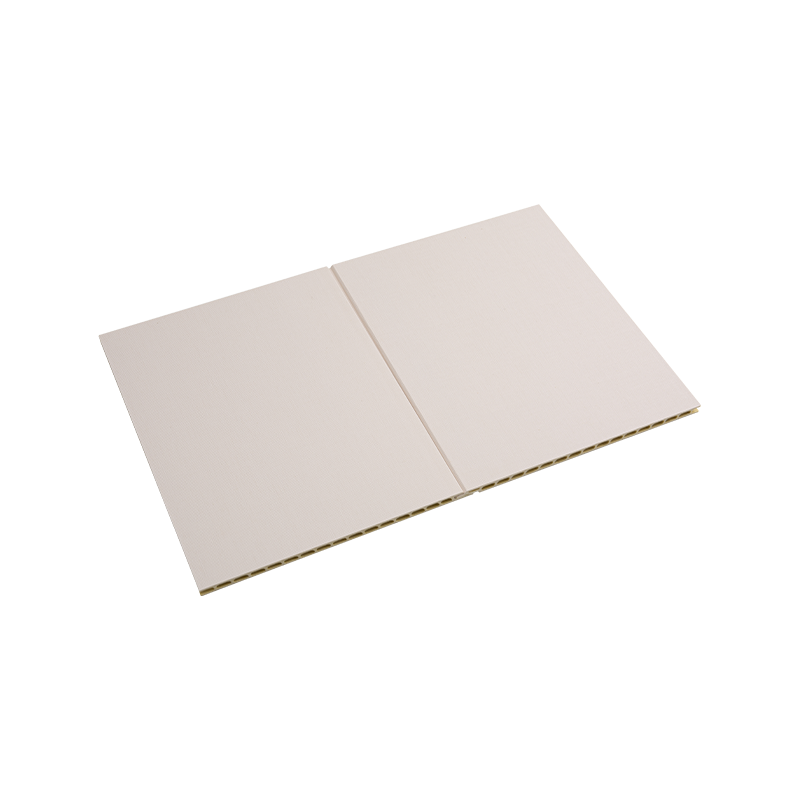
A WPC wall panel sample can look excellent on a desk and still fail to represent the real risks of a full-container order. Once purchasing moves from a few sample pieces to thousands of panels, buyers must control much more than color and price. Dimensions, effective coverage, batch consistency, decorative film, packaging, trims, loading quantity, documentation and pre-shipment inspection can all affect whether the order arrives ready to sell or install.
For importers, distributors and project buyers, the most important purchasing question is therefore not simply, “Is this sample good?” It is: Can the manufacturer reproduce the approved product consistently across the entire shipment?
A structured container-order process can reduce disputes, avoid shortages and make installation much more predictable after the goods arrive.
Why Container Orders Need More Control Than Sample Orders
A sample order is usually simple. A buyer may receive several pieces in one color and one profile from a single production batch. A commercial container order is different.
One shipment may contain thousands of wall panels, several colors, matching decorative lines, aluminum profiles and installation accessories. Production may run for several days or be divided into multiple batches. The goods then need to survive packing, warehouse handling, inland transport, port operations and several weeks of sea freight.
This scale creates risks that may never appear in a sample box.
- The approved sample and mass-production color may not match closely enough.
- Panels from different production batches may show visible shade variation.
- Actual coverage width may differ from the nominal panel width used for quantity calculations.
- Wall thickness or unit weight may vary.
- Decorative films may come from different lots.
- Matching trims may be missing or visually inconsistent.
- Long panels may bend because of poor bundle or pallet support.
- The final container quantity may be lower than the buyer expected.
Lock the Product Specification Before Mass Production
One of the most common purchasing mistakes is approving an order with only three pieces of information: panel size, color and price.
A full-container order should instead be based on a controlled product specification that both buyer and manufacturer can reference during production and inspection.
Confirm Overall and Effective Dimensions
The specification should include panel length, overall width, effective coverage width and thickness. Effective coverage is especially important for tongue-and-groove products because part of the panel may overlap with the adjacent piece during installation.
For example, a panel with an overall width of 170 mm may cover less than 170 mm once installed. If a project quantity is calculated only from nominal width, the buyer can underestimate the number of panels required.
Dimensional tolerances should also be agreed before production rather than discussed only after delivery.
Confirm the Profile Structure
Two wall panels with the same external dimensions can have very different internal structures. Buyers should confirm whether the product is solid or hollow and, for hollow profiles, review the chamber arrangement, rib design and wall thickness.
These details influence weight, stiffness, cutting behavior and compatibility with trims and installation systems.
Define the Surface Finish Clearly
Terms such as “oak,” “walnut” or “grey stone” are not precise enough for mass production. Buyers should identify the exact decorative finish using a supplier code, approved physical sample or another controlled reference.
The specification should identify whether the surface is laminated, printed, embossed, matte, glossy, woodgrain, stone-effect or another finish.
Retain a Golden Sample
For private-label and repeat orders, a signed or otherwise identified golden sample can become an important reference.
The golden sample should represent more than color. Where practical, it should also confirm:
- panel structure;
- surface texture;
- decorative film;
- edge design;
- approximate unit weight;
- matching trim appearance.
This makes later batch comparison much more objective.
Check Batch-to-Batch Color and Surface Consistency
Color consistency becomes much more important when wall panels are installed over a large visible area. A difference that looks small when two samples are viewed separately can become obvious when dozens of panels are installed side by side.
Control Decorative Film Lots
For laminated products, the decorative film itself may vary between production lots. Differences can appear in shade, woodgrain contrast, gloss level or texture.
Where possible, panels for the same project or installation area should use material from the same approved film lot. If several lots must be used, they should be checked against the approved reference before production continues.
Do Not Ignore Matching Profiles
The visual system includes more than the wall panel. Internal corners, external corners, end trims, joint profiles, WPC decorative lines and aluminum profiles may all remain visible after installation.
The buyer should therefore check the complete system rather than approve each component independently.
| Component | What Importers Should Confirm |
| WPC Wall Panel | Approved color, texture, gloss and surface pattern |
| WPC Decorative Line | Shade compatibility and correct slot/profile dimensions |
| Aluminum Trim | Coating finish, color and visual compatibility |
| Replacement Pieces | Preferably retained from the same or matching production batch |
Calculate Container Quantity From Real Packaging Data
“How many square meters fit in a 40HQ?” is one of the most common questions in wall-panel importing, but there is no universal answer.
The real loading quantity depends on panel length, profile weight, bundle size, carton dimensions, pallet dimensions, protective packaging, trim cartons and loading direction.
Importers should request a loading calculation based on the actual SKU rather than relying on a generic number from another wall-panel model.
Ask for These Figures Before Confirming the Order
- pieces per bundle or carton;
- effective square meters per bundle;
- bundle dimensions;
- net weight;
- gross weight;
- CBM per package;
- estimated packages per container;
- estimated total effective coverage area.
The choice between 20GP, 40GP and 40HQ should also consider both volume and weight. Lightweight hollow profiles may reach the container's volume limit before its weight limit, while denser products may need a different calculation.
Accessories also consume space. A container that includes matching trims, spare panels and installation components may carry fewer square meters of wall panels than a panel-only loading plan.
Packaging Must Protect Panels During Sea Freight
Wall panels are long decorative products, which creates a different packaging challenge from compact building materials.
Support the Full Panel Length
Long bundles should remain flat and adequately supported. If a pallet supports only the two ends of a long bundle, the center may gradually sag during warehousing or transport.
The risk increases when multiple heavy bundles are stacked or when the container experiences high temperatures.
Protect Decorative Surfaces
A panel can remain structurally sound but still become unsellable if the decorative surface is scratched.
Depending on the product, protection may include surface film, foam, corner protection, cartons, shrink wrapping or protective separators between layers.
Prepare for Container Moisture
International sea freight may expose cargo to temperature and humidity changes. Container condensation can occur when warm, humid air contacts cooler surfaces.
Packaging should therefore help protect the product from water ingress and condensation while also avoiding conditions that trap unnecessary moisture around the panels.
Label Mixed Loads Clearly
If the shipment includes panels, corner profiles, end trims and aluminum accessories, each package should be clearly identified.
Useful labels may include:
- product code;
- color code;
- profile type;
- quantity;
- batch number;
- project or customer reference.
Clear labeling reduces warehouse confusion and makes arrival inspection faster.
Do Not Forget Trims and Installation Accessories
A container full of panels is not necessarily a complete wall system.
One of the most frustrating project problems occurs when thousands of square meters of wall panels arrive but the contractor cannot finish corners, edges or transitions because the correct profiles were not ordered.
Confirm the Complete Profile List
Depending on the project design, the order may require:
- internal corner profiles;
- external corner profiles;
- end trims;
- top and bottom trims;
- joint or transition profiles;
- skirting profiles;
- aluminum decorative lines;
- clips or other fixing accessories.
The trim quantity should not be calculated only from the number of panels. It should be based on the actual room or wall layout, including corners, openings and panel transitions.
A reasonable allowance for cutting loss, damaged pieces and future maintenance should also be considered.
Check Dimensional Compatibility
The slot width of a decorative profile must match the wall-panel thickness. Clips must fit the panel geometry. Corner profiles should suit the intended joint detail.
This sounds basic, but compatibility problems can occur when panels and accessories are ordered from different product families or when a panel specification changes after the trim quantity has already been confirmed.
Confirm Quality Inspection Before Loading
Pre-shipment inspection should be based on measurable criteria rather than a simple statement such as “quality looks good.”
Dimensional Inspection
Randomly selected panels should be checked for:
- length;
- overall width;
- effective width;
- thickness;
- profile geometry.
Unit Weight
Checking the weight of random pieces can help identify unexpected changes in wall thickness, density or production consistency.
Weight alone cannot prove quality, but it is a useful additional production-control indicator when compared against an approved reference.
Surface Inspection
Inspection should look for visible defects such as:
- scratches;
- film bubbles;
- lifting or peeling film;
- color variation;
- surface contamination;
- poor embossing;
- edge damage.
Flatness and Fit Test
Random panels should also be checked for excessive bowing, twisting or edge deformation.
A simple assembly check using several panels and the matching trim can reveal problems that individual piece inspection may miss. The tongue-and-groove connection, trim slot and visible joint can all be checked before the container is loaded.
Verify Package Counts
Finally, inspectors should confirm pieces per bundle, number of bundles and total shipment quantity against the packing list.
Confirm Shipping and Product Documents Before Departure
A successful container order also depends on documentation. Required documents vary by destination country, product classification and customer requirements, but importers should review them before shipment rather than after the cargo reaches port.
Commercial Documents
- commercial invoice;
- packing list;
- bill of lading;
- certificate of origin where required;
- other customs documentation required by the destination market.
Product Documents
Depending on the project, buyers may also require:
- product specification sheet;
- installation instructions;
- available test reports;
- material declarations;
- fire-performance documentation where applicable;
- other project-specific technical information.
Requirements for fire performance, VOC emissions, labeling, recycled-content claims or other regulatory matters should be clarified before mass production. A test report cannot always be created or replaced immediately after the container has already arrived.
Build an Arrival Inspection Plan Before the Container Reaches Port
Quality control should not end when the container doors are closed at the factory.
Importers should prepare an arrival inspection procedure before the shipment reaches its destination.
Check the Container First
Before unloading, look for signs of:
- water ingress;
- shifted cargo;
- collapsed cartons;
- damaged pallets;
- heavy condensation.
Sample From Different Locations
Do not inspect only the first package near the container door. Select samples from different pallets, bundle positions and batch codes where possible.
Compare:
- color;
- surface finish;
- dimensions;
- flatness;
- trim compatibility;
- package quantity.
Record Evidence
If a problem is found, document the carton number, pallet number, batch code and affected quantity. Photos and short videos taken during unloading can also help determine whether damage occurred during production, packing or transportation.
Good traceability makes supplier communication faster and reduces uncertainty when corrective action is required.
A Practical WPC Wall Panel Container-Order Checklist
Product Specification
- Panel profile confirmed
- Length confirmed
- Overall and effective width confirmed
- Thickness confirmed
- Unit weight reference recorded
- Surface finish approved
- Color code approved
Batch Control
- Golden sample retained
- Decorative film reference confirmed
- Color consistency checked
- Production batch traceability available
- Matching trims inspected
Packaging & Loading
- Pieces per bundle confirmed
- CBM calculated
- Gross weight calculated
- Container type selected
- Panel support reviewed
- Surface and edge protection confirmed
- Loading plan reviewed
Accessories
- Internal corners
- External corners
- End trims
- Joint profiles
- Aluminum trims if required
- Spare panels
- Installation accessories
Inspection
- Dimensions checked
- Unit weight sampled
- Surface inspected
- Flatness checked
- Panel-to-panel fit tested
- Trim compatibility tested
- Package counts verified
Documents
- Commercial invoice
- Packing list
- Bill of lading
- Certificate of origin if required
- Technical documents
- Required test reports
- Installation instructions
A Successful Order Is About Consistency, Not Just the Sample
Container purchasing changes the definition of product quality. At sample stage, a buyer mainly evaluates appearance, dimensions and basic performance. At commercial scale, quality also means consistency across thousands of pieces.
A successful WPC wall panel shipment should arrive with controlled dimensions, stable surface appearance, compatible trims, predictable package counts and enough documentation for warehouse handling, resale or project installation.
Importers can reduce risk by agreeing on measurable specifications before production, checking the complete wall system rather than the panel alone, and treating packaging and loading as part of product quality.
The strongest supplier relationships are usually built around this type of repeatable process. Once specifications, batch controls and inspection criteria are clearly defined, future container orders become easier to reproduce and easier to scale.
Planning a Container Order of WPC Wall Panels?
Zhejiang QianDuoMu Intelligent Decoration Co., Ltd. supplies WPC wall panels, wall cladding, WPC decorative lines, aluminum decorative profiles and related interior decoration products for distributors, importers and project customers.
Share your required panel profile, dimensions, color or surface finish, quantity, application and destination port with our team. We can discuss suitable WPC wall panel options, matching decorative profiles, OEM/ODM requirements, packaging and container-loading details before mass production.
FAQ
How many WPC wall panels fit in a 40HQ container?
There is no universal loading quantity. The number depends on panel length, profile structure, unit weight, bundle dimensions, packaging method and whether trims or other accessories are loaded in the same container. Buyers should request a loading calculation for the exact panel model.
How can importers avoid color differences between WPC production batches?
Use an approved physical or coded reference, retain a golden sample, control decorative film lots where practical and inspect mass-production panels against the approved standard before loading. Panels intended for the same visible installation area should be kept as consistent as possible.
What should be included in a WPC wall panel specification sheet?
Important information includes panel length, overall width, effective coverage width, thickness, profile structure, surface finish, color code, approximate unit weight, compatible trims and agreed tolerances.
Should WPC wall panels be shipped on pallets or in bundles?
The best packaging method depends on panel length, order size and logistics conditions. Whatever method is used, long panels should remain flat and properly supported, decorative surfaces should be protected and packages should withstand normal warehouse and sea-freight handling.
How many spare WPC wall panels should importers order?
There is no universal percentage. The allowance should reflect cutting loss, project complexity, expected installation damage and future replacement needs. Projects with many corners, openings or custom cuts generally require more allowance than simple straight-wall installations.
What should importers inspect before a WPC wall panel container is shipped?
Pre-shipment checks should include dimensions, effective width, unit weight, surface condition, color consistency, flatness, panel-to-panel fit, trim compatibility, package counts, labeling and loading preparation.