 English
 عربى
عربى русский
1. Introduction
In modern home decoration, walls are not only for aesthetics but also play a crucial role in functionality and comfort. With the rise of environmental awareness and practical requirements, WPC Wall Panel (Wood-Plastic Composite Wall Panel) has gradually become a popular choice for both residential and commercial spaces.
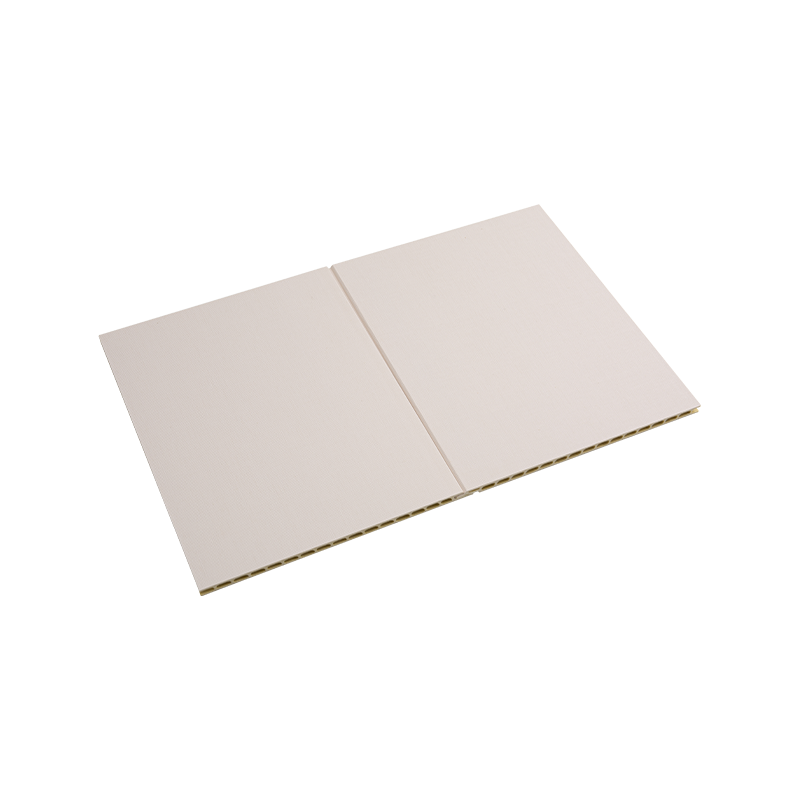
WPC Wall Panel, as the name suggests, is a wall material composed of wood fibers and plastic. It combines the natural texture of wood with the durability and waterproof performance of plastic, providing visual comfort while ensuring long-term usability.
This article provides a comprehensive guide to WPC Wall Panel, covering material characteristics, installation methods, advantages and disadvantages, waterproof performance, interior decoration effects, and maintenance, helping you use WPC panels in a more scientific, cost-effective, and aesthetically pleasing way.
2. Features of WPC Wall Panel
2.1 Material Composition and Environmental Friendliness
WPC Wall Panel is made by mixing wood fibers and plastic through processing, usually using wood powder, bamboo powder, or other natural plant fibers with high polymer plastic as the main raw materials, and then extruded or pressed into panels. The advantages of this composite material include:
- High Environmental Friendliness: It uses renewable wood waste or agricultural residues, reducing deforestation.
- Low or Zero Formaldehyde Emission: Compared with traditional wood or veneer panels, WPC releases very few harmful substances, making it friendly to indoor air quality.
- Recyclable: Waste WPC panels can be physically crushed and reprocessed, allowing material recycling.
2.2 Waterproof, Mold-Resistant, and Durable
The most remarkable feature of WPC Wall Panel is its waterproof and moisture-resistant performance, making it ideal for bathrooms, kitchens, and balconies. Key advantages include:
- Low Water Absorption: Plastic covers the wood fibers, effectively blocking water penetration.
- Mold and Bacteria Resistant: Even in humid environments, it resists mold growth better than traditional wood panels.
- Impact and Wear Resistant: The surface is tough and scratch-resistant, suitable for long-term use in residential and commercial spaces.
2.3 Comparison with Traditional Wall Panels
| Feature | WPC Wall Panel | Traditional Wood/Decorative Panel |
|---|---|---|
| Waterproof | High | Low |
| Environmental Friendliness | High | Medium-Low |
| Durability | High | Medium |
| Maintenance Cost | Low | High |
| Ease of Installation | High | Medium |
As shown in the table, WPC panels clearly outperform traditional wood panels in practicality and maintenance cost.
3. Installation Methods for WPC Wall Panel
3.1 Preparation Before Installation
Before installing WPC Wall Panel, proper preparation is essential to ensure durability and aesthetic results. Necessary tools and materials include measuring tools, drills, screwdrivers, saws, screws, expansion bolts, special adhesive, and waterproof sealant.
Check wall conditions carefully. Walls should be level, and uneven areas more than 3mm must be leveled. The wall should also be dry, with humidity below 15% to ensure adhesion. Measure the wall accurately and leave expansion gaps and space for edge treatment.
3.2 Installation Steps
First, mark guide lines on the wall with a level to ensure straight panel installation. If the wall is uneven, install wood or aluminum battens to provide stable support for the panels. Cut the panels to fit the space, leaving 1-2mm expansion gaps to accommodate temperature-induced expansion. Then, fix the panels using screws or specialized clips, ensuring they are firmly attached. For thicker panels, drill holes and use expansion bolts, reinforced with sealant at edges and joints. Finally, use edge trims or sealant to treat corners and interfaces, ensuring a neat appearance and waterproof performance.
3.3 Installation Tips and Common Issues
Install panels starting from the top left corner, ensuring consistent texture. Apply waterproof adhesive behind panels in kitchens or bathrooms for additional protection. Common issues such as warped panels, visible gaps, or loose screws usually result from improper installation or uneven support structures.
4. Advantages of Waterproof WPC Panels
The waterproof feature of WPC Wall Panel is a major reason for its popularity. Compared with traditional wood or PVC panels, WPC performs exceptionally well in humid environments.
The material has a water absorption rate below 5%, preventing swelling or deformation. Plastic coating on wood fibers inhibits mold growth, making it suitable for kitchens, bathrooms, and other damp areas. It also resists corrosion from water vapor and cleaning chemicals, ensuring long-term durability.
WPC panels are suitable for kitchens, bathrooms, balconies, and storage rooms. When selecting panels, consider thickness, surface texture for easy cleaning, and dimensions to minimize cutting waste.
5. Advantages and Disadvantages of WPC Wall Panel
WPC panels offer significant advantages. They are highly durable, with a lifespan of 15–20 years. The natural wood or stone-like texture enhances interior aesthetics, while the smooth surface makes cleaning easy. They are environmentally friendly with low formaldehyde emission, and their modular design allows quick and easy installation, saving labor costs.
Disadvantages include slightly higher initial cost compared to standard PVC panels and the need for careful installation to avoid warped edges or gaps. Color and pattern options are more limited than traditional wood, but their long-term benefits outweigh these drawbacks.
Overall, WPC Wall Panel excels in waterproofing, durability, environmental friendliness, and aesthetics, making it suitable for modern home renovation. Installation and initial cost require attention, but maintenance is low, providing excellent long-term value.
6. Interior Decoration Effects of WPC Wall Panel
In home design, walls are not just structural elements; they play a key role in creating atmosphere. Using WPC Wall Panel, designers and homeowners can achieve both aesthetic appeal and practical performance. Compared to traditional panels, WPC offers more natural wood and stone textures, visually expanding space and adding warmth and texture. It works well in living rooms, bedrooms, studies, and balconies, integrating seamlessly with furniture and interior style.
For modern minimalist living rooms, light-colored wood-grain WPC panels make the space bright and spacious, while their warmth complements furniture. Under soft lighting, the texture stands out, enhancing the natural feel. In European or American styles, dark or vintage wood-grain WPC panels add depth and cultural character, making walls a visual focal point.
WPC panels are flexible in layout. Vertical, horizontal, or diagonal installation can adjust the perception of space. For example, vertical installation in narrow corridors can visually heighten the space, while horizontal installation in wide living rooms conveys stability. Modular design allows partial decoration while maintaining overall consistency, making walls both functional and artistic.
WPC panels also excel in functional areas. Kitchens and bathrooms benefit from waterproof performance, keeping walls dry while adding natural aesthetics. Balconies, storage rooms, and children's rooms can use WPC panels to balance beauty and durability, creating comfortable, low-maintenance living spaces.
7. Maintenance of WPC Wall Panel
Although WPC Wall Panel is durable and waterproof, proper maintenance can extend its lifespan and maintain its appearance. Unlike traditional wood panels, daily maintenance is simple. A soft damp cloth can remove dust and light stains, while neutral cleaning solutions can handle kitchen grease or bathroom residue. Avoid strong acids or bases to protect the surface texture and sheen.
Minor scratches can be smoothed with fine sandpaper and wiped clean. Periodically check screws and clips at panel edges to ensure stability. Even though WPC is mold-resistant, prolonged exposure to standing water should be avoided to prevent moisture accumulation in seams.
Seasonal care helps prolong lifespan. In humid summers, keep rooms ventilated to avoid moisture accumulation; in dry winters, a humidifier can prevent slight shrinkage. Avoid heavy impacts, especially when moving furniture, to protect the panels from irreversible damage.
The convenience of WPC panel maintenance is one reason for its popularity. Compared to solid wood, which requires regular waxing and moisture protection, WPC panels are easy to clean and maintain, reducing long-term costs.
8. Conclusion
In summary, WPC Wall Panel has significant advantages in material performance, combining waterproofing, durability, and environmental friendliness. It is highly versatile in interior decoration, enhancing space aesthetics and integrating with furniture styles. From living rooms and bedrooms to kitchens and bathrooms, WPC panels adapt to various design themes, from modern minimalism to vintage styles.
Although installation requires attention to detail for optimal results, with proper layout and edge treatment, WPC Wall Panel can last more than 15 years. Its ease of maintenance makes it a cost-effective solution for modern homes.
For homeowners seeking a balance of beauty, durability, environmental safety, and low maintenance, WPC Wall Panel is an ideal choice. Choosing it not only provides a high-quality wall material but also promotes an eco-friendly, comfortable, and aesthetically pleasing lifestyle, turning walls into a harmonious blend of functionality and design.