 English
 عربى
عربى русский
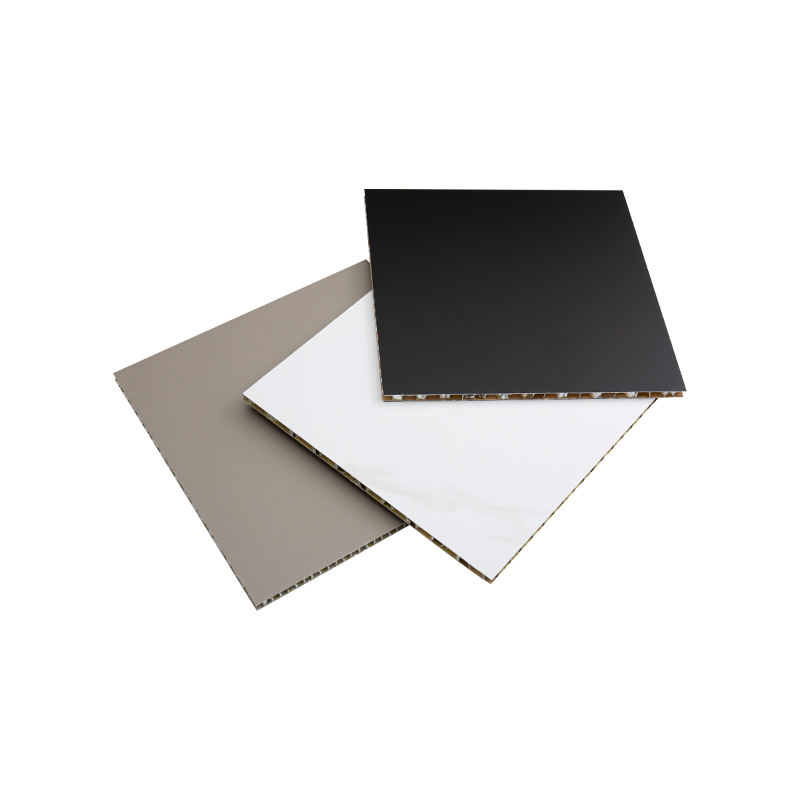
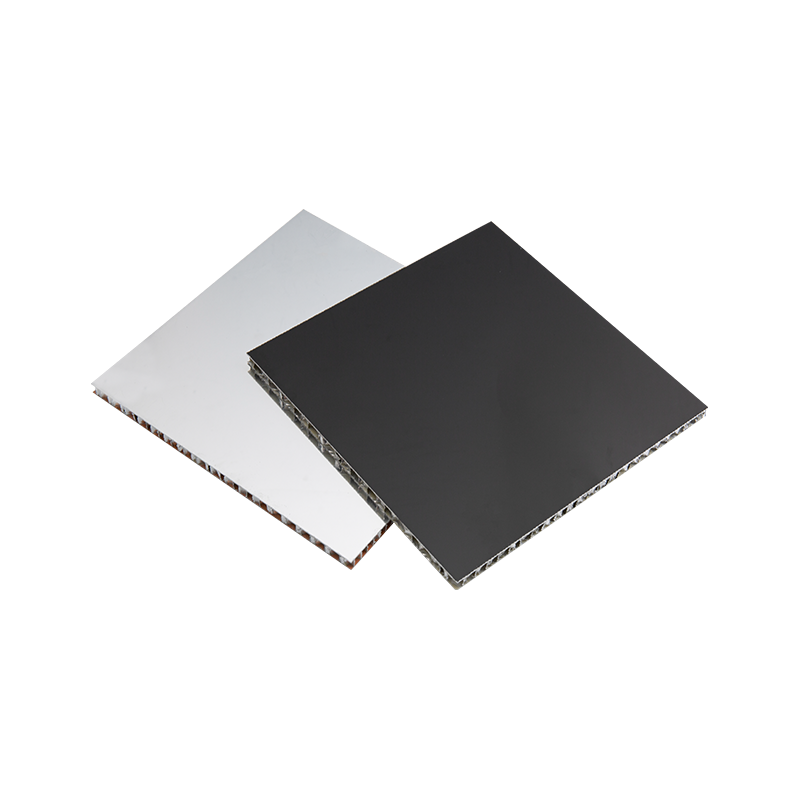
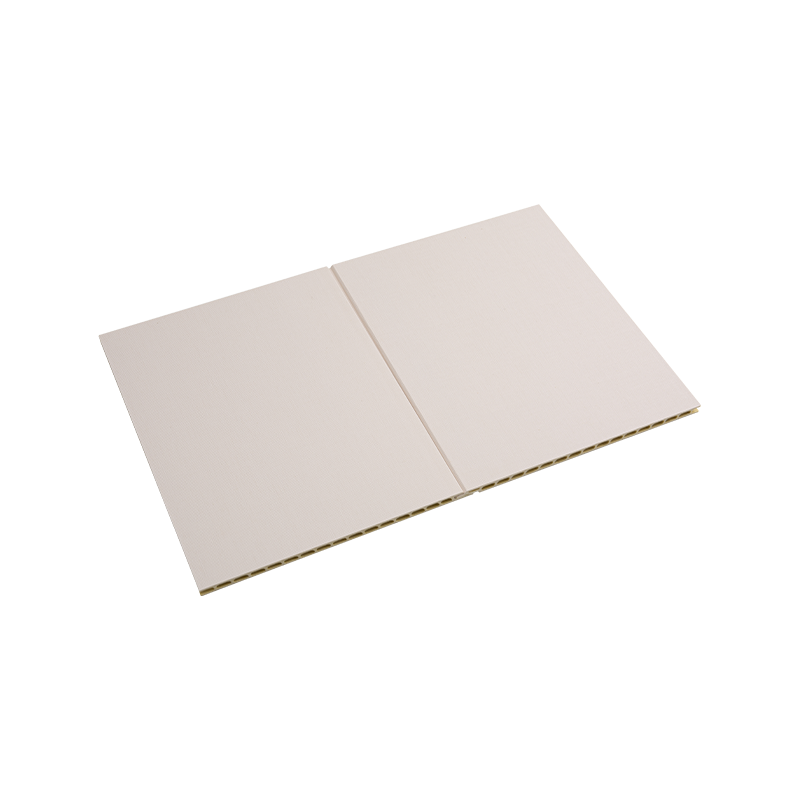
With the increasing awareness of environmental protection, green decorative materials, as an emerging trend, are gradually gaining importance in home decoration and commercial space design. Green decorative materials not only conform to the concept of sustainable development but also effectively improve the visual effect and comfort of the space.
What are Green Decorative Materials?
Green decorative materials generally refer to materials that meet environmental standards, are pollution-free, and recyclable. Unlike traditional decorative materials, green materials have less impact on the environment during production and use, and are harmless to human health. The core concept of green decorative materials is to achieve a green, environmentally friendly, and healthy decoration effect by reducing resource waste, lowering energy consumption, and reducing environmental pollution. With the rise of green building, green decorative materials have become an indispensable part of modern building decoration.
Types of Green Decorative Materials
There are many types of green decorative materials, covering a wide range of fields. From wall decoration to flooring, furniture, and interior accessories, green and environmentally friendly alternatives can be found. When choosing green decorative materials, in addition to considering the environmental friendliness of the materials, their durability, aesthetics, and cost-effectiveness should also be considered.
1. Green Wall Decoration Materials
Wall decoration is one of the most basic and important parts of home decoration. Green wall materials generally refer to materials that are non-toxic, harmless, and have excellent breathability, such as natural stone and environmentally friendly paints. Natural stone is not only beautiful and elegant but also has a long service life. In terms of environmentally friendly paints, water-based paints and inorganic paints are gradually becoming mainstream. They do not contain harmful chemicals and do not release harmful gases after drying.
2. Green Flooring Materials
Flooring materials are another area in home decoration that requires high attention to environmental protection. Traditional flooring materials may contain harmful substances such as formaldehyde, while green flooring materials ensure that they do not negatively affect indoor air quality through strict testing and control. Bamboo flooring, laminate flooring, and environmentally friendly PVC flooring can all meet the modern home's requirements for green and environmental protection. Bamboo flooring is particularly favored by environmental enthusiasts because bamboo grows quickly, is highly sustainable, and its natural texture adds a unique natural touch to the home space.
3. Green Furniture Materials
As a core part of the home space, the choice of furniture materials is particularly important. Green furniture materials primarily utilize natural wood or environmentally certified composite panels, and the release of harmful substances such as formaldehyde is strictly controlled during the manufacturing process. Today's green furniture also emphasizes the use of non-toxic coatings and natural fabrics, avoiding the harmful components that may be present in traditional furniture. These materials are not only harmless to human health but also provide a warm and natural atmosphere visually.
4. Green Decorations and Accessories
In the process of home decoration, decorations and accessories are also important components in creating an atmosphere. Green decorations typically use natural materials such as hemp, linen, and natural stone, which are both environmentally friendly and full of personality. These decorations can add vitality to the space and help create a natural and comfortable living environment.
Advantages of Green Decorative Materials
Environmental Protection and Health:
The biggest advantage of green decorative materials lies in environmental protection and health. Traditional building materials often contain volatile organic compounds (such as formaldehyde and benzene), which pose potential health risks. Green decorative materials adhere to the principles of non-toxicity, harmlessness, and low emissions, reducing the release of harmful substances and effectively protecting the health of residents.
Energy Saving and Emission Reduction:
The production and use of green decorative materials are more energy-efficient and environmentally friendly than traditional materials. Many green decorative materials use renewable resources, and the energy consumption during the production process is lower. At the same time, some materials also have good thermal insulation properties, which can effectively save energy and reduce energy consumption in homes or commercial spaces, aligning with the global trend of energy saving and emission reduction.
Improved Living Comfort:
Another advantage of green decorative materials is their ability to improve the comfort of the space. For example, natural wood and bamboo materials have good breathability and moisture-regulating properties, which can maintain the humidity balance of indoor air and reduce dryness or dampness. This not only creates a comfortable living environment but also helps improve people's physical and mental health.
Aesthetic Value:
Due to their natural and environmentally friendly characteristics, green decorative materials often have unique aesthetic value. Many natural materials give a simple and natural feeling visually, effectively enhancing the taste and texture of the space. For example, natural stone and bamboo materials create a natural and harmonious atmosphere in home decoration, demonstrating the concept of harmonious coexistence between humans and nature.
Green decorative materials are not only an important part of home and commercial space decoration but also a reflection of modern people's pursuit of both quality of life and environmental protection. When choosing decoration materials, consumers should focus on the environmental friendliness, health aspects, and aesthetic effects of the materials. They should select green decorative materials that meet their needs to create a healthy, comfortable, and environmentally friendly living space.
Frequently Asked Questions (FAQ)
1. Are green decorative materials more expensive than traditional materials?
Due to the use of environmentally friendly and sustainable production processes, green decorative materials may be slightly more expensive than traditional materials. However, they offer higher long-term value and provide consumers with better comfort and health protection.
2. How can I confirm whether a decorative material is a green material?
Consumers can check for environmental certifications, such as green building material certifications and non-toxic certifications, to determine if the material meets green and environmentally friendly standards.
3. Do green decorative materials have a long lifespan?
Most green decorative materials perform well in terms of durability, especially natural wood and stone, which have a long lifespan and can significantly reduce the frequency of replacement.
4. Is cleaning and maintaining green decorative materials difficult?
Green decorative materials usually have strong stain resistance, and cleaning them is not more difficult than cleaning traditional materials. Regular daily cleaning and proper maintenance are sufficient to maintain their beauty and functionality.