 English
 عربى
عربى русский
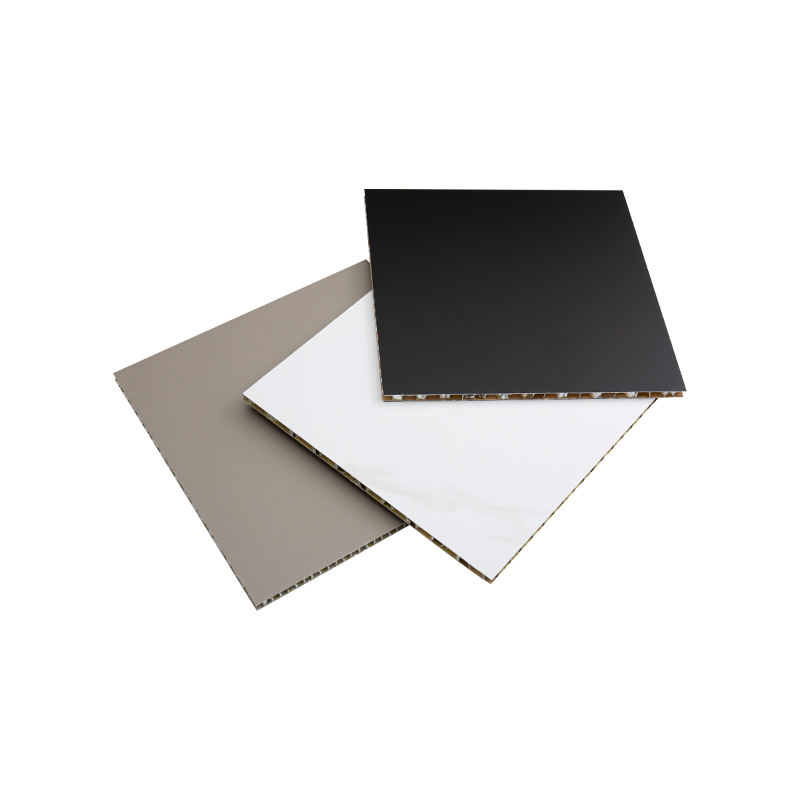
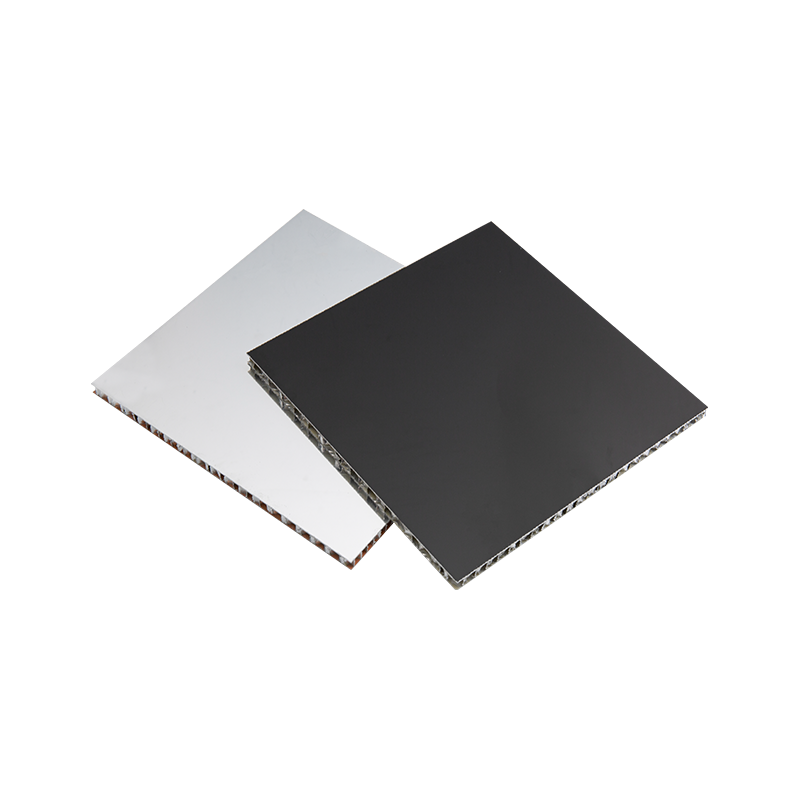
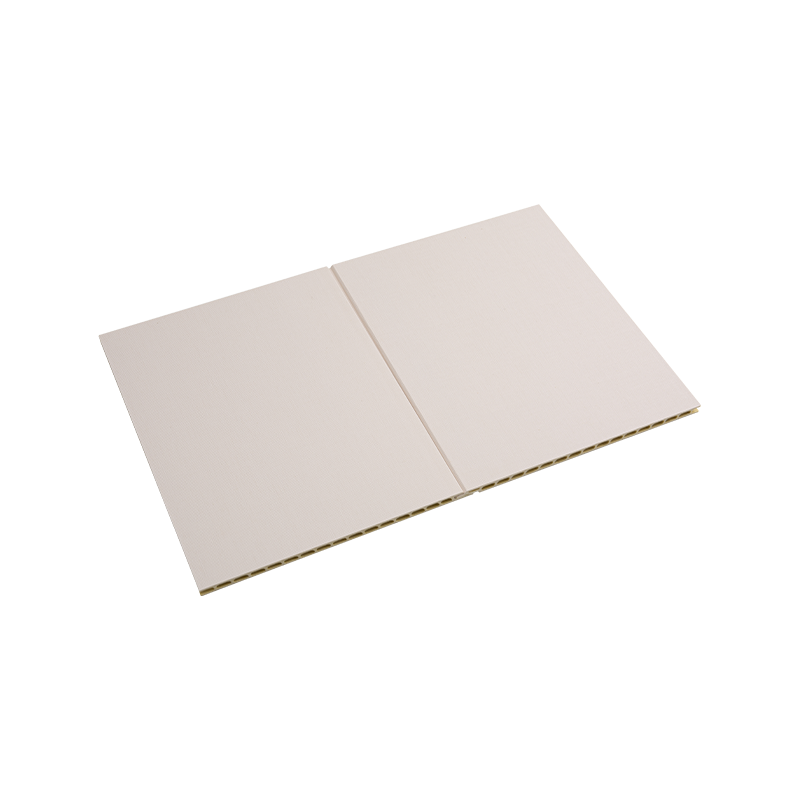
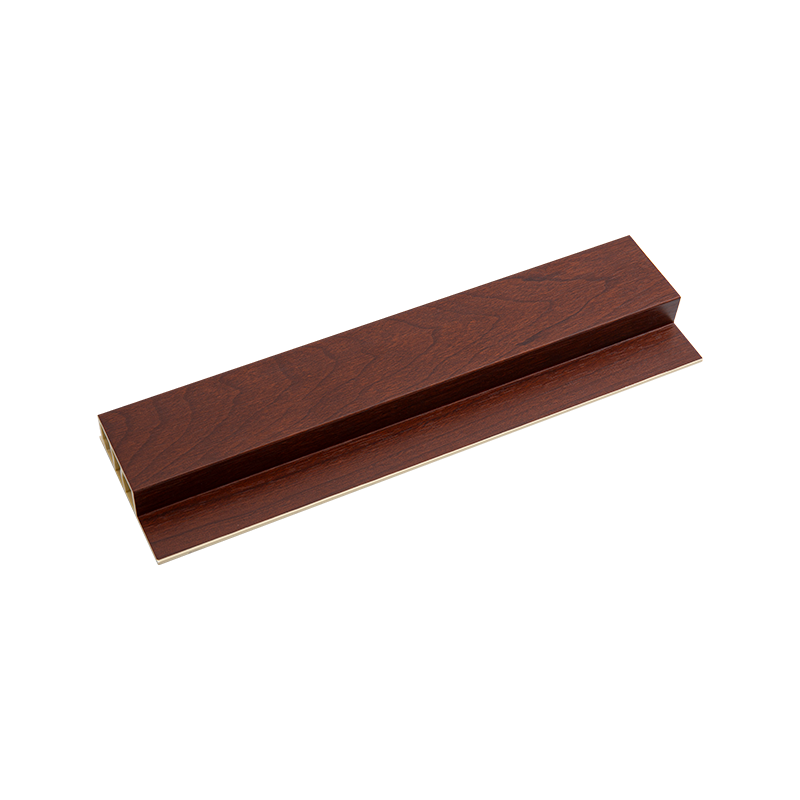
As a crucial component of architecture, walls not only provide structural support and spatial division but also play a vital role in aesthetics, comfort, and durability. In modern architecture, wall claddings have become an important means of achieving architectural aesthetics and enhancing performance. Whether in residential, commercial, or public buildings, the appropriate selection of wall cladding can significantly improve the texture and durability of both indoor and outdoor environments.
Material Characteristics of Wall Claddings
Wall claddings come in a wide variety of materials, each with unique advantages in visual appeal, tactile feel, and functionality. Natural stone, sheet metal, composite materials, ceramics, and high-performance fiber materials are all common wall cladding choices on the market today. Stone claddings are favored for their strength, durability, and natural texture in high-end buildings, while sheet metal showcases a strong sense of technology and modernity in contemporary minimalist styles. Composite materials and polymers excel in lightweight, waterproofing, fire resistance, and weather resistance, while offering a diverse range of colors and textures, providing designers with greater creative freedom.
From a professional perspective, wall cladding is not merely a decorative material but also serves a protective function for buildings. The choice of materials directly affects the wall's weather resistance, moisture resistance, and thermal insulation. For example, high-performance fiber composite panels can provide excellent corrosion resistance and impact resistance without increasing structural load, which is particularly crucial for high-rise buildings and extreme climates.
Functional Performance of Wall Cladding
The core value of wall cladding lies not only in its aesthetics but also in its multifunctional performance. Waterproofing, fireproofing, heat insulation, sound insulation, and UV resistance are all important indicators for evaluating the professionalism of wall cladding. Modern buildings have increasingly higher requirements for safety and comfort; wall cladding needs to provide reliable physical performance guarantees while meeting aesthetic design requirements.
Waterproofing is one of the most important attributes of wall cladding. Through scientific material selection and proper installation methods, the cladding can effectively block rainwater and moisture penetration, protecting the wall structure from damage. Thermal insulation and heat preservation performance directly affect building energy efficiency. High-quality cladding materials can maintain stable indoor temperatures under different climatic conditions, reducing energy consumption and improving living comfort.
Fire resistance and impact resistance are also key factors that must be considered in modern wall cladding. Especially in public buildings and high-density residential buildings, using materials with flame-retardant properties can significantly reduce the risk of fire. The impact resistance of the materials ensures that the walls are not easily damaged in daily use, extending the overall service life.
Design and Application of Wall Cladding
Wall cladding in architectural design not only serves a protective function but is also an important medium for achieving spatial aesthetics. The texture of the material, the choice of color, and the treatment of surface textures can all significantly affect the overall spatial atmosphere. By rationally combining different cladding materials, architects and designers can create spatial effects that are rich in layers and have a strong visual impact.
Modern wall cladding construction techniques are also becoming increasingly sophisticated. For example, through modular design, cladding can be installed and disassembled quickly while maintaining structural stability and aesthetic integrity. This not only meets the needs of construction efficiency but also provides convenience for future maintenance and replacement. Advances in surface treatment technologies, such as wear-resistant coatings, stain-resistant coatings, and self-cleaning coatings, ensure that walls maintain excellent visual appeal and performance over the long term.
The optical properties of wall coverings are also crucial. Through a scientific combination of surface reflectivity, color depth, and texture design, the atmosphere of a space can be adjusted under different lighting conditions, making the indoor environment more comfortable and natural.
Maintenance and Care of Wall Coverings
During long-term use, the maintenance and care of wall coverings directly affect their lifespan and performance. Although high-performance covering materials are durable, regular cleaning and inspection are still necessary in daily use to prevent contamination, scratches, or localized damage from affecting the overall aesthetics and functionality.
The key to maintenance lies in using appropriate cleaning methods and protective measures. For example, for metal and composite material coverings, strong acid and alkali cleaners should be avoided to prevent corrosion or fading. When cleaning stone coverings, gentle cleaning tools should be used to avoid scratching the surface while maintaining the integrity of its natural texture. Regular inspection and maintenance not only extend the lifespan of wall coverings but also ensure their long-term effective protective performance.
FAQ: Frequently Asked Questions about Wall Coatings
Q: Can wall cladding simultaneously satisfy aesthetics and functionality?
A: Yes. Modern wall cladding materials are designed with both aesthetics and functionality in mind, offering a variety of colors and textures while providing practical properties such as waterproofing, fireproofing, and heat insulation.
Q: What are the main differences between different wall cladding materials?
A: Stone emphasizes natural texture and durability; metal panels emphasize modernity and lightweight characteristics; composite materials balance lightweight, corrosion resistance, and plasticity; and polymer materials highlight waterproofing, impact resistance, and diverse design options.
Q: Is wall cladding maintenance complicated?
A: Maintenance is relatively simple, but appropriate cleaning methods and protective measures should be selected based on the material to ensure surface beauty and long-lasting functionality.
Q: Is wall cladding suitable for all building types?
A: Wall cladding has a wide range of applications, but the selection of materials and performance characteristics must be scientifically matched according to the building type, environmental conditions, and design requirements to ensure safety and durability.