 English
 عربى
عربى русский
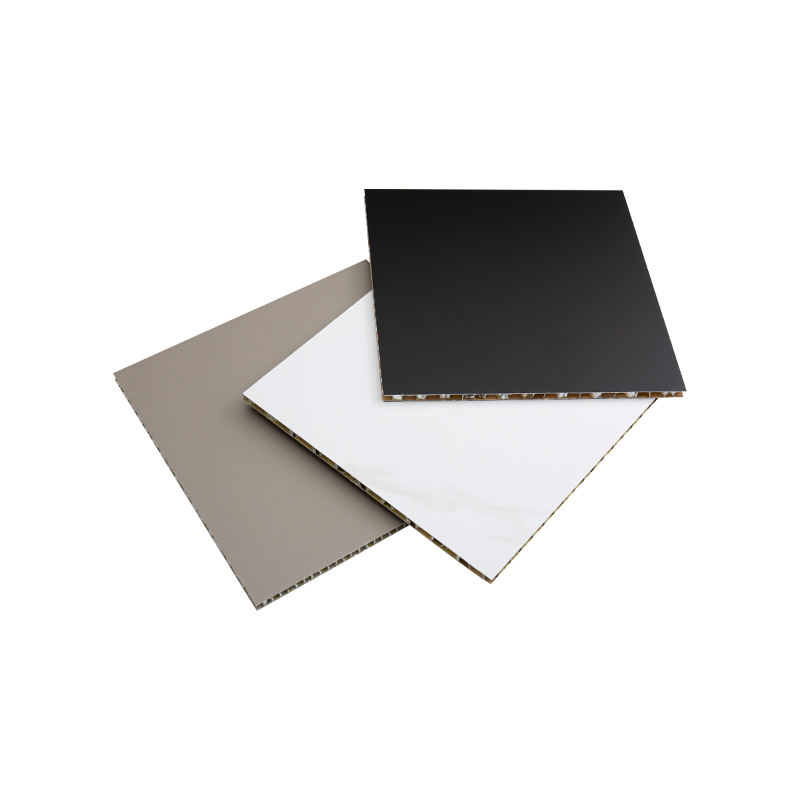
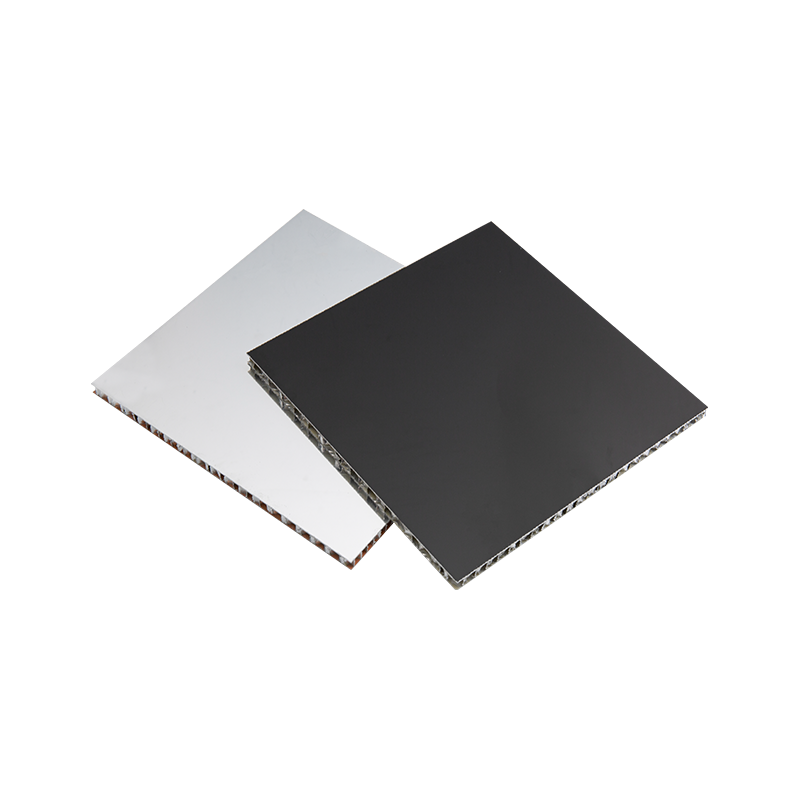
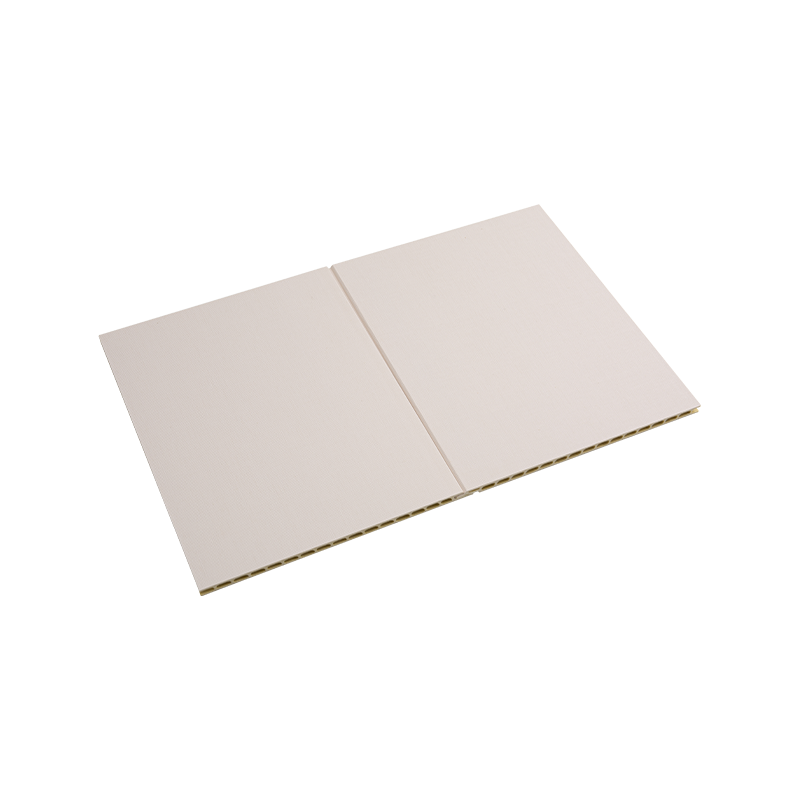
With the increasing severity of global environmental problems, green building materials are gradually becoming an important trend in the construction industry. Green building materials not only focus on the structure and function of buildings, but also emphasize environmental friendliness, health and comfort, and sustainable development. They embody low-carbon and environmentally friendly concepts in material selection, production processes, service life, and waste disposal, serving as a crucial support for achieving a balance between ecology and economic benefits in modern architecture.
Definition and Core Concepts of Green Building Materials
Green building materials refer to materials that reduce negative environmental impacts during production, use, and recycling. They not only focus on the physical properties and durability of the materials themselves, but also on their environmental footprint throughout their entire life cycle. The core concepts of green building materials include low energy consumption, low pollution, utilization of renewable resources, and contributions to the health of the indoor environment. These materials typically possess functions such as energy-saving insulation, moisture absorption and regulation, and mildew and antibacterial properties, effectively improving the building's usability and enhancing the comfort and health of residents.
Green building materials are not just a technological choice, but also a manifestation of a philosophy. It emphasizes environmental responsibility from source to end, from raw material selection in production to energy consumption control during construction, and environmental performance during the building's lifespan, ultimately achieving resource recycling and sustainable building development.
Material Performance and Technological Innovation
The core value of green building materials lies in the balance between performance and environmental protection. Material performance is not only reflected in structural strength or durability, but also includes thermal performance, acoustic performance, antibacterial properties, and improvement of air quality. Modern green building materials achieve a dual improvement in material functionality and environmental protection through technological innovation. For example, nanotechnology improves material surface properties, enhancing thermal insulation, waterproofing, and antibacterial properties while reducing the release of harmful volatile organic compounds, achieving a combination of high performance and low environmental impact.
In terms of production technology, green building materials emphasize high energy efficiency and low pollution emissions. Using renewable resources, industrial byproducts, or recycled materials can significantly reduce the carbon footprint and environmental pressure during production. Simultaneously, intelligent production processes and quality control ensure stable material performance throughout its service life, with good durability and maintainability.
Health and Comfort: The Value of Green Building Materials
Green building materials not only prioritize environmental benefits but also the health and well-being of indoor users. The chemical composition, volatile organic compound (VOC) emissions, and moisture regulation properties of materials directly impact indoor air quality and living comfort. High-quality green building materials can regulate indoor humidity, reduce mold and bacteria growth, and ensure clean and safe indoor air. Simultaneously, the acoustic properties and temperature regulation capabilities of these materials contribute to creating a quiet and comfortable living and working environment.
Green building materials emphasize long-term stability and maintainability, ensuring good performance throughout the building's entire lifecycle. By reducing the frequency of material replacement and maintenance costs, they not only reduce resource consumption but also decrease environmental burden, reflecting the full lifecycle value of the materials.
Environmental Benefits and Sustainable Development
The environmental value of green building materials is undeniable. They significantly reduce the negative environmental impact of buildings by lowering energy consumption, reducing harmful emissions, and utilizing renewable resources. Lifecycle management of materials spans production, construction, use, and recycling stages, achieving efficient resource utilization and minimizing environmental burden through recycling and reprocessing.
Furthermore, green building materials help the construction industry achieve its sustainable development goals. By widely applying low-carbon, renewable, and high-performance materials in buildings, structures not only reduce carbon emissions during use but also possess significant recycling and reuse value during the disposal phase. This material philosophy drives the transformation of architecture from simply fulfilling functional needs to eco-friendly and sustainable development.
Market Advantages of Green Building Materials
The market advantages of green building materials are not only reflected in environmental responsibility but also in long-term economic benefits. High-performance green materials can improve building energy efficiency, reduce energy consumption and maintenance costs, while simultaneously increasing the building's lifespan and value. With policy support and increased environmental awareness, the market acceptance and demand for green building materials are gradually increasing.
In the design and construction phases, green building materials offer architects and engineers greater freedom. The versatility and adaptability of these materials allow architectural designs to balance aesthetics, comfort, and environmental performance, achieving overall building optimization.
FAQ: About Green Building Materials
Q: What are the main characteristics of green building materials?
A: Green building materials typically feature low energy consumption, low pollution, renewable resource utilization, environmental friendliness throughout their entire life cycle, and improved indoor health and comfort.
Q: How do green building materials differ from traditional materials in terms of performance?
A: Besides basic strength and durability, green materials focus more on functions such as thermal insulation, moisture absorption and regulation, antibacterial properties, mildew prevention, and air purification, while emphasizing low environmental impact throughout their entire life cycle.
Q: How do green building materials achieve sustainable development?
A: By using renewable resources, reducing production energy consumption, optimizing construction processes, and improving durability and recyclability, environmentally friendly management can be achieved throughout the entire process from production to disposal.
Q: Will applying green building materials increase construction costs?
A: Material costs may be slightly higher in the short term, but in the long run, due to energy conservation, reduced maintenance and replacement frequency, the overall economic benefits are better than traditional materials.
Q: How to choose suitable green building materials?
A: When choosing, attention should be paid to the material's environmental certification, life-cycle performance, adaptability to the environment, and contribution to indoor health and comfort.