 English
 عربى
عربى русский
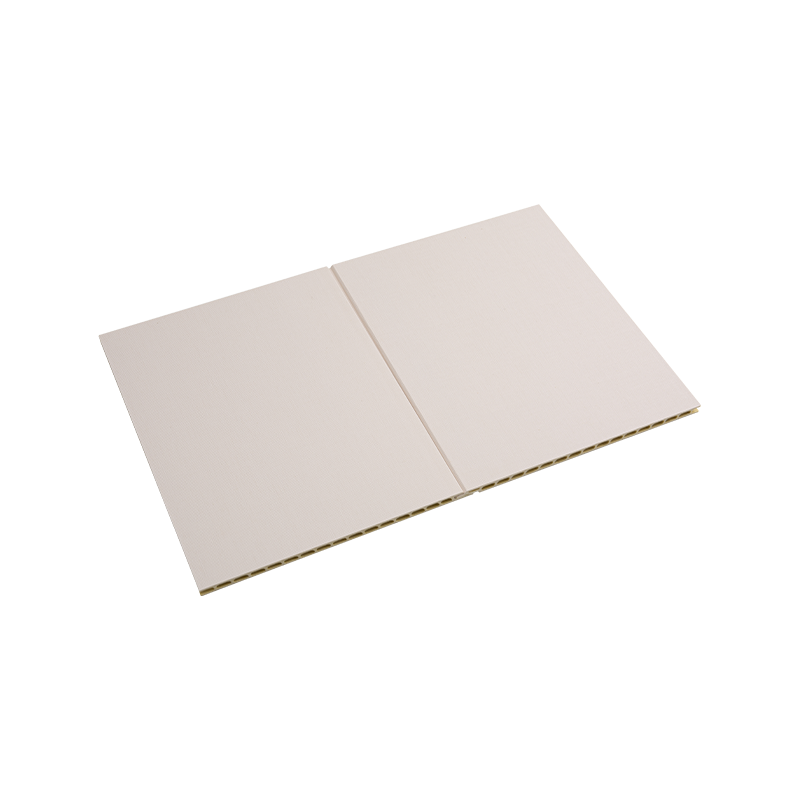
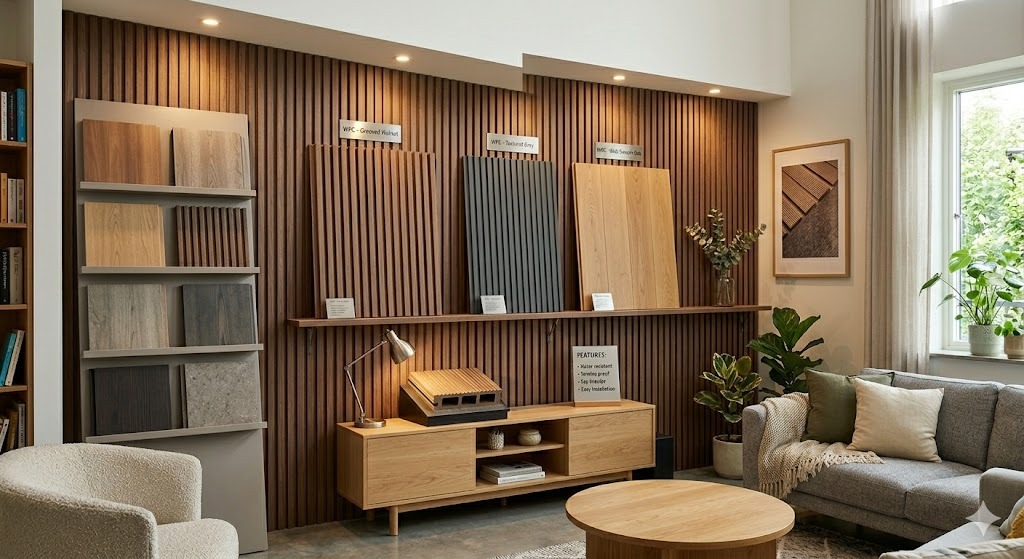
Choosing the right decoration materials manufacturer is the most critical decision in any construction or renovation project. The direct conclusion is that a reliable manufacturer must guarantee material safety, structural durability, and consistent quality control, rather than just offering the lowest price. Partnering with a certified and experienced producer prevents long-term structural failures, ensures environmental compliance, and ultimately saves significant costs related to repairs and replacements. The selection process must focus strictly on manufacturing capabilities, sourcing of raw materials, and adherence to international industry standards.
Understanding the Role of a Decoration Materials Manufacturer
A decoration materials manufacturer transforms raw resources into functional and aesthetic products used in residential, commercial, and industrial spaces. Their role extends far beyond simple production. They are responsible for researching new compounds, engineering materials that withstand specific environmental stresses, and implementing sustainable extraction and production methods. Whether producing ceramics, engineered wood, wall coverings, or composite stones, the manufacturer dictates the baseline quality of the final installed product. A deep understanding of their role helps buyers appreciate why rigorous evaluation is necessary before establishing a supply partnership.
Key Evaluation Criteria for Sourcing
When sourcing from a decoration materials manufacturer, several practical criteria must be rigorously evaluated to ensure project success. Vague assessments lead to subpar results; specific checkpoints must be established.
Production Capacity and Technology
A manufacturer's production capacity determines their ability to meet project deadlines without compromising quality. Modern manufacturing relies heavily on advanced technology. Automated production lines reduce human error and ensure dimensional consistency across large batches. Buyers should inquire about the machinery used, the age of the equipment, and the average daily output. A facility that invests in continuous technological upgrades is more likely to produce materials that meet strict tolerance levels.
Raw Material Sourcing and Traceability
The quality of the final decoration material is directly tied to the quality of the raw inputs. A reputable manufacturer must have a transparent supply chain. Traceability ensures that if a defect is discovered, the root cause can be identified and isolated quickly. For instance, in engineered wood production, the origin of the timber and the specific composition of the binding resins dictate both the strength and the environmental safety of the final board.
Customization Capabilities
Many architectural projects require bespoke dimensions, unique textures, or specific color palettes. The ability of a manufacturer to accommodate custom orders without excessive lead times or exorbitant costs is a strong indicator of their operational flexibility and technical expertise. This requires an in-house research and development team capable of formulating new mixes or adjusting production parameters efficiently.
Quality Assurance and Compliance Standards
Quality assurance is the backbone of a trustworthy decoration materials manufacturer. Without strict adherence to recognized standards, materials may fail prematurely or pose health risks. Compliance is not optional; it is a fundamental requirement for any serious construction endeavor.
International Certification Requirements
Buyers must verify that the manufacturer holds relevant certifications. These documents prove that third-party auditors have evaluated the production processes and the final products. Common certifications include ISO standards for quality management systems, environmental management certifications, and specific regional safety marks. A manufacturer lacking these basic credentials poses a significant liability risk.
| Certification Type | Focus Area | Significance |
|---|---|---|
| ISO 9001 | Quality Management | Ensures consistent process control |
| ISO 14001 | Environmental Management | Verifies sustainable production practices |
| Emissions Standards | Volatile Organic Compounds | Guarantees indoor air quality safety |
| Fire Safety Ratings | Flammability Resistance | Confirms material retardancy levels |
Testing Protocols and Durability Metrics
Before materials reach the project site, they must undergo rigorous testing. A reliable manufacturer conducts in-house testing for abrasion resistance, water absorption, compressive strength, and thermal stability. For example, floor tile manufacturers must test for slip resistance and wear grades to ensure the product is suitable for high-traffic commercial environments. Materials lacking documented testing metrics are a gamble that no developer should take, as premature degradation can compromise the entire structure.
Sustainable Practices in Material Manufacturing
Sustainability is no longer a niche concern; it is a central requirement in modern construction. A forward-thinking decoration materials manufacturer must implement eco-friendly practices to minimize environmental impact while maintaining product performance.
Resource Efficiency and Waste Reduction
Manufacturers must optimize their use of raw materials. This includes recycling water used in the production process, capturing and reusing heat generated by kilns or presses, and ensuring that off-cuts or defective batches are reprocessed rather than sent to landfills. Resource efficiency directly reduces the ecological footprint of the manufacturing facility and often lowers the cost of goods sold.
Emission Control and Eco-friendly Formulations
The chemical composition of decoration materials heavily affects indoor air quality. Traditional paints, adhesives, and engineered woods often emitted high levels of volatile organic compounds. Today, leading manufacturers have transitioned to water-based solvents and natural binders to eliminate toxic off-gassing. Furthermore, strict emission controls in the factory itself ensure that the surrounding community is not subjected to hazardous pollutants during the manufacturing process.
- Utilization of recycled post-consumer content in composite materials
- Transition to renewable energy sources for factory power
- Implementation of closed-loop water recycling systems
- Development of biodegradable or fully recyclable packaging solutions
Supply Chain Reliability and Logistics
Even the highest quality materials are useless if they do not arrive on time. Supply chain reliability is a critical, yet often overlooked, aspect of a decoration materials manufacturer. The ability to deliver consistent volumes without delays can make or break a construction schedule.
Inventory Management Strategies
Effective manufacturers employ sophisticated inventory management systems. These systems track raw material levels and finished goods in real-time, allowing the manufacturer to anticipate shortages and adjust production schedules proactively. A well-managed warehouse ensures that standard products are available for immediate dispatch, while made-to-order items are produced within a guaranteed and realistic timeframe.
Global Shipping and Packaging Standards
Transporting heavy or fragile decoration materials requires specialized packaging and logistics expertise. A competent manufacturer uses reinforced crating, moisture barriers, and shock-absorbing pallets to prevent damage during transit. Furthermore, they must have established relationships with reliable freight forwarders to navigate international shipping regulations, customs clearance, and port delays efficiently.
- Confirm production timeline and raw material availability before contract signing
- Verify the manufacturer's packaging methods for long-distance transit
- Request detailed tracking and milestone updates during the shipping phase
- Establish clear protocols for handling transit damage and replacement shipments
Establishing Long-term Partnerships
Viewing a decoration materials manufacturer as a strategic partner rather than a simple vendor yields significant long-term advantages. A strong partnership fosters collaboration, innovation, and preferential treatment during high-demand periods.
Communication and Technical Support
Effective communication is the foundation of any successful partnership. A dedicated technical support team from the manufacturer's side can provide invaluable assistance regarding installation guidelines, substrate preparation, and maintenance requirements. When unexpected challenges arise on the job site, having direct access to the manufacturer's engineering team ensures that solutions are found quickly, preventing costly downtime.
Continuous Improvement and Feedback Loops
A manufacturer that welcomes field feedback and acts upon it demonstrates a commitment to continuous improvement. When installers report that a specific tile glaze is prone to scratching or a particular adhesive takes too long to cure, the manufacturer's research and development department should use this data to refine their formulations. This collaborative feedback loop results in superior products that are better adapted to real-world conditions, ultimately benefiting all stakeholders in the construction process.