 English
 عربى
عربى русский
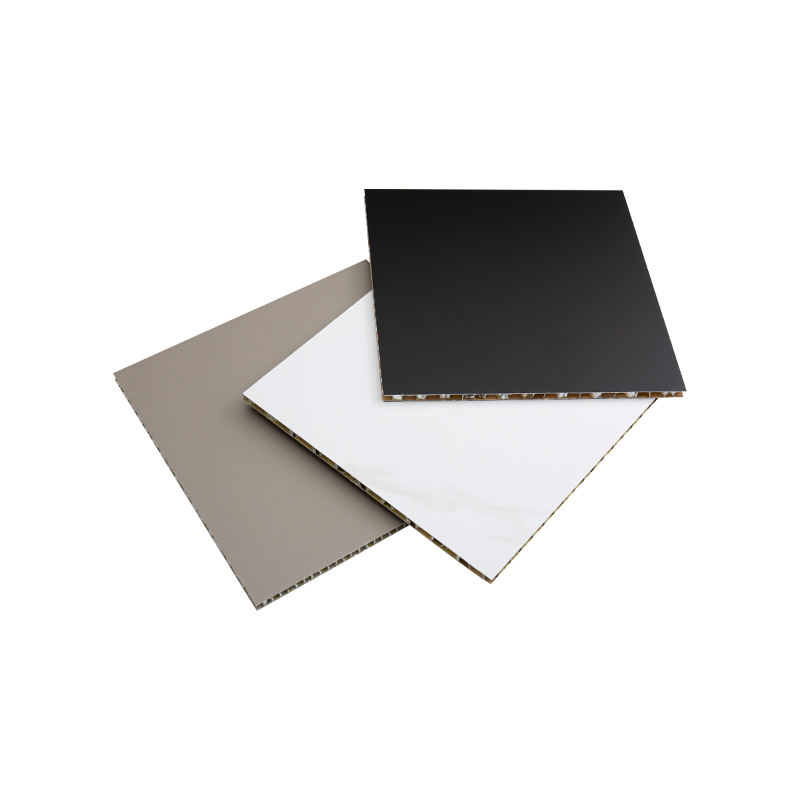
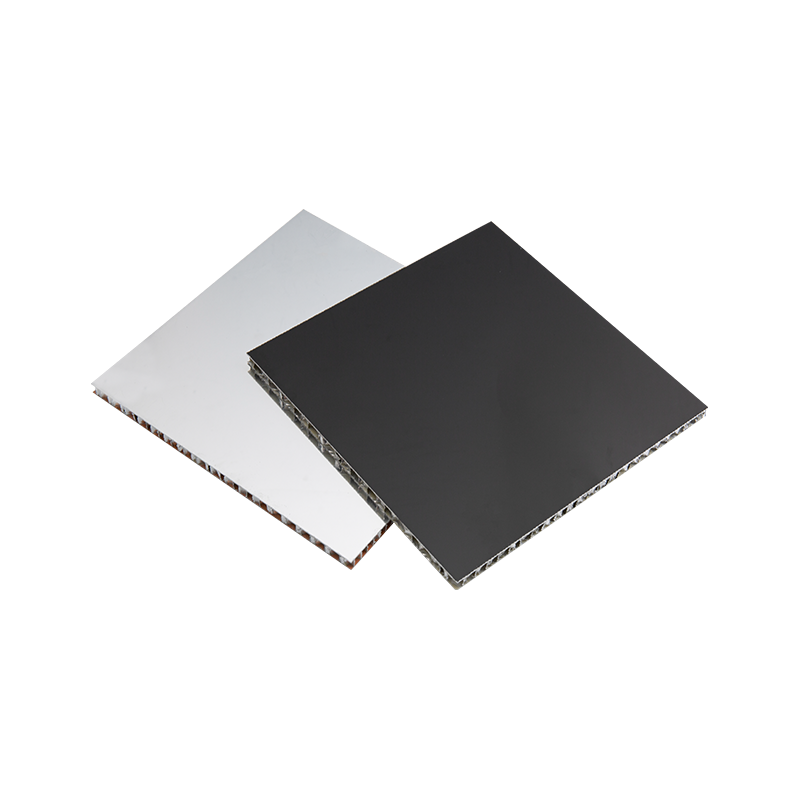
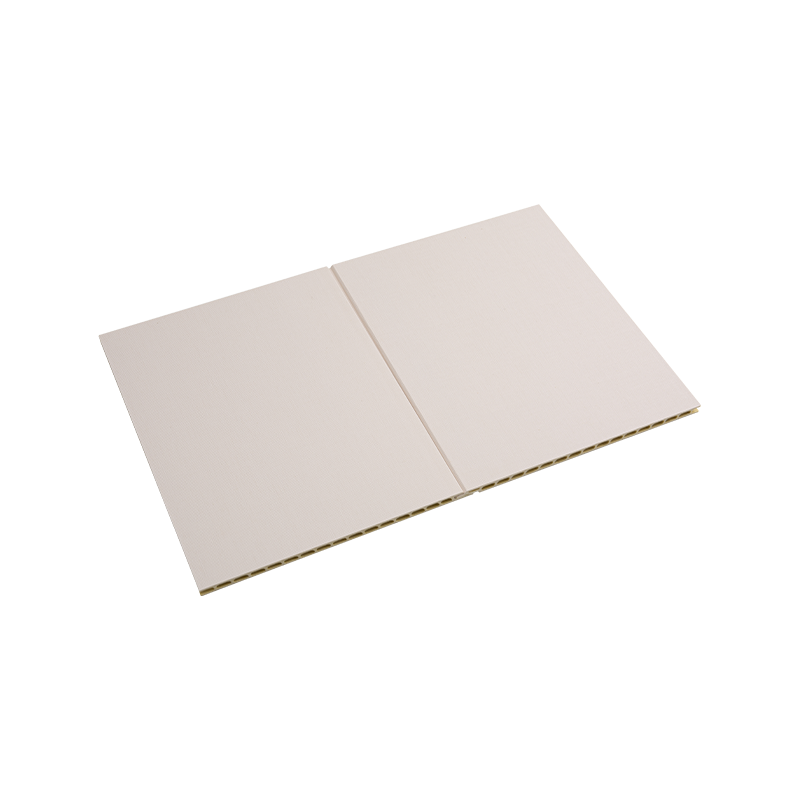
WPC wall panels can remain serviceable for many years, but there is no single lifespan that applies to every product. Indoor decorative panels may last well beyond 20 years under stable conditions, while exterior WPC cladding is more strongly affected by ultraviolet radiation, rain, temperature changes, ventilation, installation quality, and material formulation.
For architects, contractors, distributors, and project buyers, the better question is not simply “How long does WPC last?” but rather “How long will this particular WPC system last under my project's conditions?”
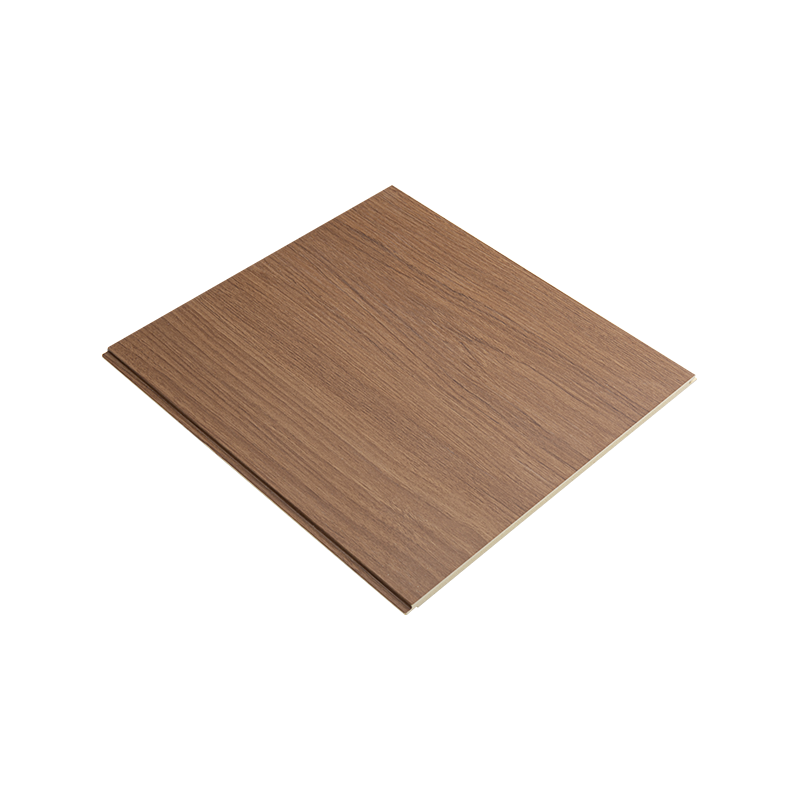
How Long Do WPC Wall Panels Last?
As a practical planning guide, quality WPC wall panels are generally designed for long-term decorative or cladding applications. Indoor installations experience relatively little weathering, while exterior installations must continuously withstand sunlight, moisture, heat, cold, and dimensional movement.
| Application | Typical Planning Range | Main Lifespan Factors |
| Indoor decorative WPC panels | 20+ years | Indoor humidity, impact, cleaning methods and installation quality |
| Standard exterior WPC wall cladding | Approximately 10–20+ years | UV exposure, moisture, drainage, formulation and climate |
| UV-stabilized exterior WPC | Approximately 15–25+ years | UV package, polymer type, pigmentation and installation |
| Capped or co-extruded WPC cladding | Approximately 20–30+ years for suitable systems | Cap-layer quality, UV resistance, ventilation and environmental exposure |
These figures should be treated as project-planning ranges rather than guaranteed service lives. Product design, raw-material formulation and installation can create major differences even between panels that look similar.
Long-term outdoor research on wood-plastic composites has shown that WPC materials can remain in outdoor exposure for many years, but degradation mechanisms still exist. UV radiation, moisture penetration and biological activity can gradually alter appearance and mechanical properties.
What Factors Determine the Lifespan of WPC Wall Panels?
1. UV Radiation
Ultraviolet radiation is one of the most important ageing mechanisms for exterior WPC. Long-term sunlight exposure can cause surface fading, oxidation and gradual changes in mechanical properties.
Manufacturers can reduce these effects by using UV stabilizers, suitable pigments, antioxidants and protective co-extruded layers. For projects with intense sun exposure, buyers should therefore compare more than the panel color. Ask about the formulation, weathering tests and color-retention performance.
Accelerated weathering procedures such as ASTM G154 are commonly used to expose materials to controlled UV light, moisture and heat. However, an accelerated test should not be interpreted as a simple equation such as “1,000 laboratory hours equals 10 outdoor years.” Actual weathering varies greatly by location and exposure.
2. Moisture and Water Absorption
WPC contains a thermoplastic matrix combined with wood fiber or wood flour. The plastic component provides considerable moisture resistance compared with untreated natural wood, but the material should not be considered completely unaffected by water.
Repeated moisture exposure can contribute to swelling of the wood component and internal stress. Over a long period, poor drainage, continuously wet cavities or exposed cut edges can increase deterioration risk.
Water absorption can be evaluated using methods such as ASTM D570 or ISO 62. For exterior projects, buyers should also consider drainage design and actual installed conditions rather than relying only on a laboratory absorption percentage.
3. Temperature Cycling
WPC expands and contracts as temperature changes. A panel installed tightly with insufficient expansion clearance may bow, push against adjacent boards or place excessive stress on clips and screws.
This is especially important on dark-colored façades exposed to strong sunlight because the surface temperature can become substantially higher than the surrounding air temperature.
4. Product Formulation
The ratio and type of polymer, wood fiber, additives and pigments directly influence durability. PE-, PP- and PVC-based WPC systems do not necessarily behave identically.
A higher wood-fiber content may create a more natural surface appearance but can also affect moisture behavior. UV stabilizers, coupling agents, antioxidants and cap layers are therefore important considerations when specifying panels for long outdoor exposure.
5. Coastal and High-Humidity Environments
Salt air does not only affect the panel itself. It can also accelerate corrosion of unsuitable screws, clips and supporting components. For coastal projects, corrosion-resistant fasteners and a ventilated substructure should be considered as part of the complete cladding system.
Installation Practices That Can Extend WPC Panel Life
Good material can perform poorly when installed incorrectly. Exterior WPC should be treated as a complete cladding system rather than simply as decorative boards attached directly to a wall.
Leave an appropriate cavity behind exterior cladding so rainwater and condensation can escape and air can circulate.
Follow the manufacturer's recommended end gaps, side gaps and maximum installation lengths.
Select corrosion-resistant clips and screws that match the substructure and environmental conditions.
Exterior cladding should work together with the appropriate water-resistive barrier, flashing and penetration details.
Installers should pay particular attention around windows, doors, corners, roof intersections, pipes and other wall penetrations. Water entering behind a façade may remain hidden until deformation or staining becomes visible.
In coastal, tropical or high-rainfall areas, greater attention to ventilation, corrosion resistance and inspection frequency can significantly improve long-term system reliability.
Maintenance Schedule and Signs of Deterioration
WPC typically requires less routine maintenance than painted natural wood, but “low maintenance” should not be confused with “no maintenance.” A simple inspection schedule can identify drainage, fastener or installation problems before they become expensive repairs.
| Inspection Item | Recommended Frequency | What to Look For |
| General visual inspection | Every 6–12 months | Cracks, abnormal fading, loose panels and deformation |
| Joints and expansion gaps | Annually | Closed gaps, buckling or unusual movement |
| Fasteners and clips | Annually | Loose fittings, corrosion or broken clips |
| Drainage areas | After severe weather or annually | Blocked cavities, trapped debris and persistent moisture |
| Surface cleaning | As required | Dirt, mildew, organic deposits and staining |
For routine cleaning, start with water, a soft brush or cloth, and a mild detergent approved for the panel surface. Aggressive solvents, highly concentrated chemicals and abrasive tools may damage embossing, printed finishes or protective cap layers.
Signs That Need Attention
- Moderate fading: usually an aesthetic issue rather than immediate structural failure.
- Mildew or surface spotting: clean the area and check whether moisture or debris is being retained.
- Open joints: inspect clips, thermal movement and substructure alignment.
- Swelling or local bulging: investigate water accumulation and installation clearance.
- Cracks around fasteners: check excessive tightening, insufficient expansion allowance or impact damage.
- Large-scale warping or looseness: arrange repair and inspect the supporting system.
Warranty vs. Actual Service Life
When comparing WPC suppliers, do not evaluate products only by the number printed on the warranty. Two “25-year warranties” can contain very different coverage.
Buyers should check:
- whether the warranty covers residential, commercial or both types of projects;
- whether coverage is structural, aesthetic, stain-related or fade-related;
- whether the warranty is fully covered or prorated over time;
- whether labor, removal and reinstallation costs are included;
- what level of color change is considered acceptable;
- whether incorrect ventilation or installation voids coverage;
- whether coastal or high-temperature environments have special restrictions.
For distributors and project contractors, these terms can be more important than a simple headline warranty period.
WPC vs. Wood: Long-Term Ownership
Natural wood can provide excellent appearance and long service life when properly designed and maintained, but exterior wood commonly requires repeated staining, sealing or repainting. WPC usually reduces this maintenance requirement.
That means WPC may have a higher initial material cost than certain wood options while reducing periodic finishing labor over a 20- or 30-year project period. The appropriate comparison should therefore include installation, maintenance, repair and expected replacement costs, not just the purchase price per square meter.
When Should WPC Wall Panels Be Replaced?
Color change alone does not necessarily indicate that WPC has reached the end of its useful life. Exterior materials naturally experience some visual ageing.
Replacement becomes more important when deterioration affects the performance of the wall system. Examples include severe cracking, repeated panel detachment, permanent deformation, extensive moisture-related damage, failed fasteners or a substructure that can no longer hold the cladding securely.
How to Specify WPC Panels for a Longer Service Life
For B2B buyers, the best way to increase expected service life is to define the application before choosing the product. A decorative indoor panel, a hotel exterior wall in Florida and a commercial façade near the coast should not automatically use the same specification.
Before placing an order, provide the supplier with:
- indoor or outdoor application;
- project country and climate;
- direct sunlight exposure;
- coastal or non-coastal environment;
- required color and surface finish;
- wall height and installation method;
- substructure type;
- expected project service life;
- required fire, weathering or material test documentation.
This information allows a manufacturer to recommend a more appropriate profile, surface structure, formulation and installation system instead of treating every project as a standard panel order.
Need WPC Wall Panels for Your Project?
Zhejiang QianDuoMu Intelligent Decoration Co., Ltd. supplies WPC decorative materials for distributors, contractors and project buyers. If you are evaluating WPC wall panels for an indoor or exterior application, send us your project requirements, installation environment, dimensions and target finish.
Our team can help you compare panel structures, profiles and finishing options for your application. Project photos, drawings or installation details can also help us understand the operating environment and recommend a more suitable solution.
Contact Qianduomu WPC to request product specifications, samples or a quotation for your next wall-decoration project.
Frequently Asked Questions
What is the typical lifespan of WPC wall panels?
Indoor WPC decorative panels can commonly remain in use for 20 years or longer under normal indoor conditions. Exterior WPC cladding may have a practical planning range of roughly 10 to 30+ years depending on formulation, UV protection, climate, installation and maintenance. These ranges are not a universal warranty.
Which environmental factor most reduces WPC lifespan?
For outdoor applications, UV radiation and long-term moisture exposure are among the most important ageing factors. Temperature cycling, trapped water and poor ventilation can further increase stress on the panels and fastening system.
How often should WPC wall panels be inspected?
A general inspection every 6 to 12 months is appropriate for many projects. Exterior façades in coastal, high-rainfall or severe-weather areas may benefit from more frequent checks.
Does fading mean that WPC wall panels need to be replaced?
Not necessarily. Some color change can be cosmetic. Replacement is more urgent when cracking, warping, failed fasteners, panel movement or moisture-related deterioration affects the performance and safety of the cladding system.
Are capped WPC wall panels more durable outdoors?
A well-designed protective cap can improve resistance to UV exposure, staining and moisture at the panel surface. However, cap quality, core formulation, installation and drainage still determine overall system durability.
Are WPC wall panels recyclable?
WPC contains thermoplastic and wood-based material, and some WPC products can potentially be reprocessed. Actual recycling options depend on the polymer, additives, local collection systems and whether the material can be separated from fasteners and other construction waste. Buyers should ask the supplier and local waste processor about available end-of-life options.