 English
 عربى
عربى русский
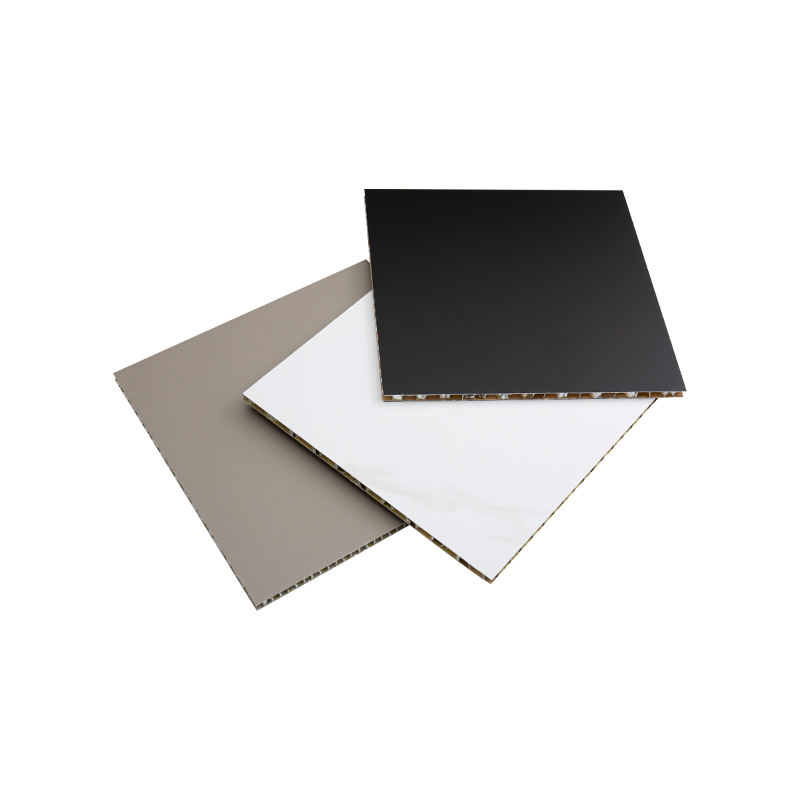
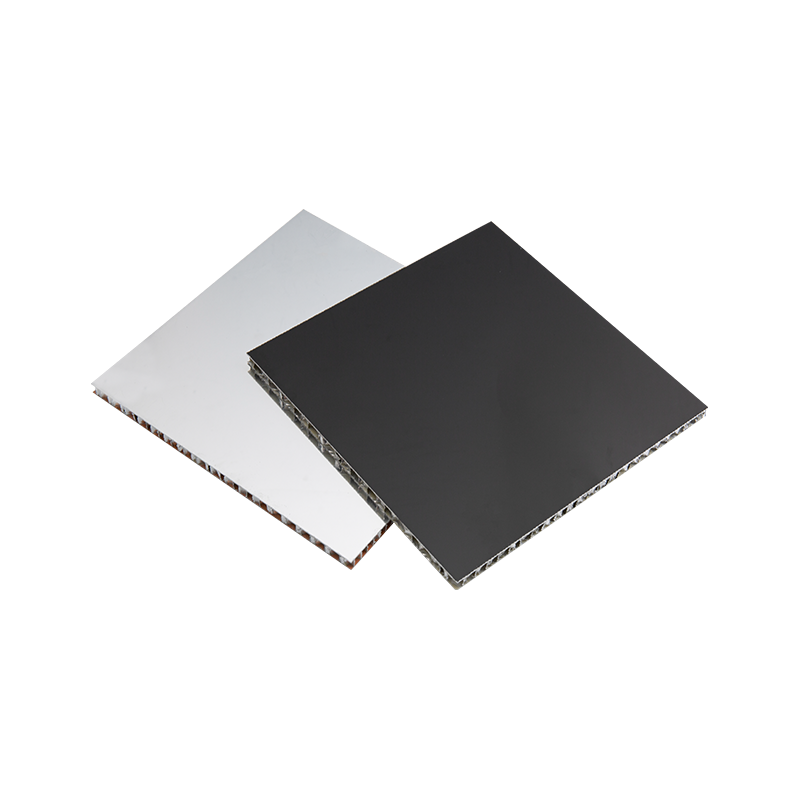
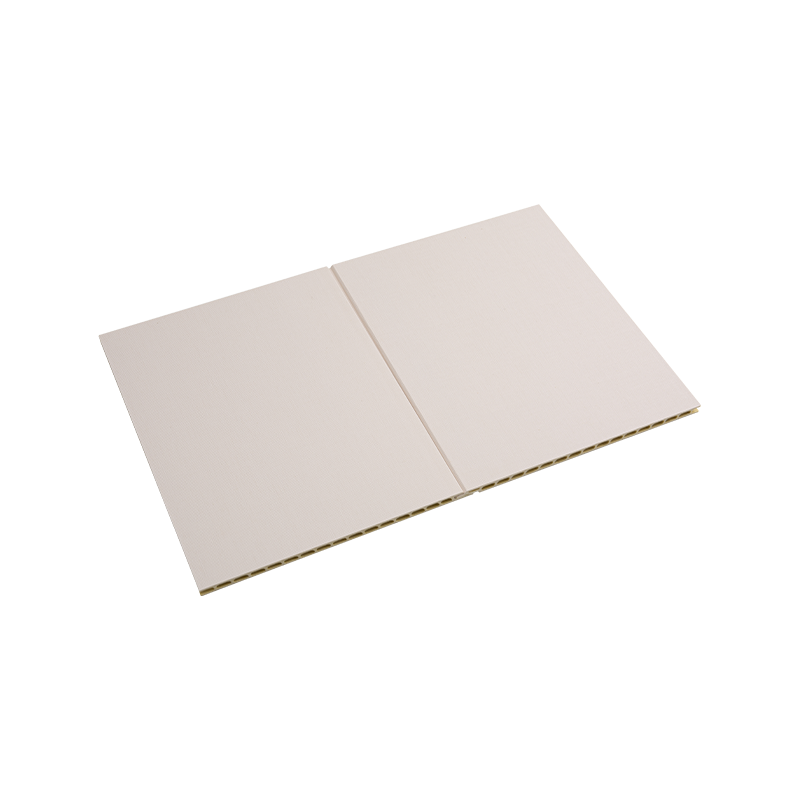
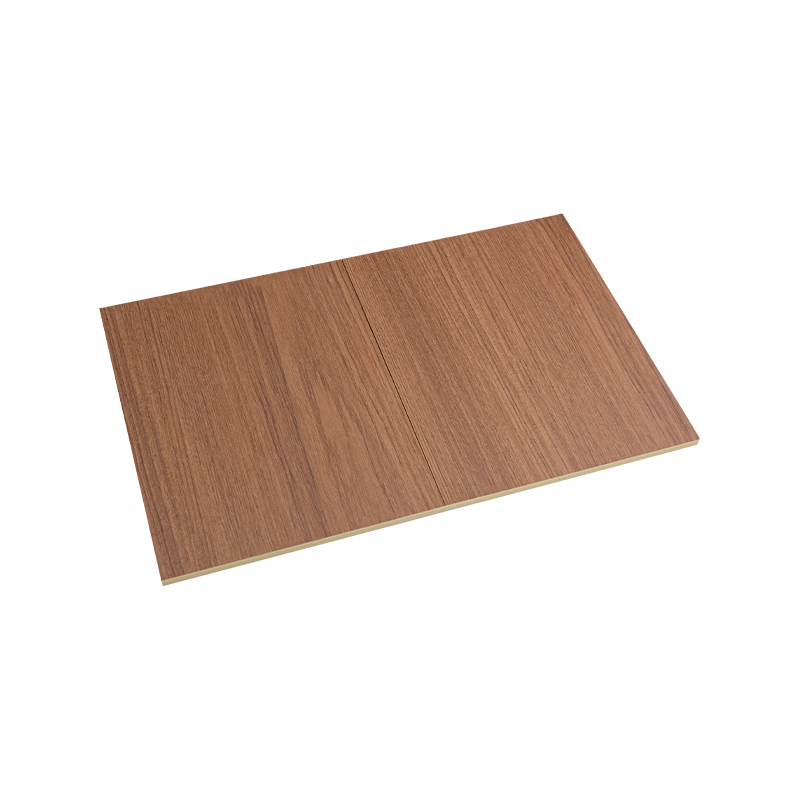
WPC wall panels are commonly described as a combination of wood and plastic, but that simple definition does not tell buyers enough about how a panel will actually perform. The type of wood fiber, polymer matrix, mineral filler, stabilizer, pigment, and surface treatment can all influence moisture resistance, dimensional stability, appearance, durability, and suitability for indoor or outdoor installation.
For distributors, contractors, developers, and building-material buyers, understanding what WPC wall panels are made of is therefore an important part of comparing suppliers and specifying the right product for a project.
What Are WPC Wall Panels Made Of?
Wood-plastic composite, or WPC, is a composite material made by combining lignocellulosic material with a thermoplastic polymer and a controlled package of functional additives. In wall-panel production, the natural component is usually processed wood flour or fine wood fiber, while the polymer matrix may be based on PVC, polyethylene (PE), polypropylene (PP), or another thermoplastic system depending on the product design.
There is no universal WPC formula that applies to every wall panel. Formulations vary according to the required density, stiffness, surface finish, weather resistance, processing method, cost target, and whether the product is intended for interior decoration or exterior cladding.
| Material Component | Main Function in a WPC Panel |
|---|---|
| Wood flour or plant fiber | Provides a wood-like character, contributes stiffness, and reduces the amount of polymer required. |
| PVC, PE, PP, or other thermoplastic | Forms the continuous matrix that binds the composite and contributes moisture resistance and processability. |
| Mineral fillers | May help control density, stiffness, dimensional stability, processing behavior, and overall formulation cost. |
| Coupling agents | Improve bonding between hydrophilic wood fibers and the polymer matrix. |
| Lubricants and processing aids | Support stable extrusion and improve material flow through the die. |
| Pigments | Provide the required color and visual consistency. |
| UV stabilizers | Help reduce degradation and color change caused by prolonged ultraviolet exposure. |
| Flame-retardant additives | Can be incorporated when a formulation requires improved fire performance. |
| Anti-microbial additives | May be used to improve resistance to mold or microbial growth in suitable applications. |
How Each Ingredient Affects WPC Wall Panel Performance
Changing the formulation changes the behavior of the finished panel. Increasing the proportion of wood fiber, for example, may increase stiffness and create a more natural material character, but natural fibers also interact with moisture differently from polymers. Their condition, particle size, dispersion, and interface with the polymer are therefore important.
The polymer matrix plays a major role in moisture protection, impact behavior, extrusion characteristics, and thermal movement. This is one reason buyers should not treat all products carrying the name “WPC” as technically identical.
Mineral fillers can influence stiffness, density, shrinkage, and processing stability, while coupling agents are used to improve adhesion between the wood component and polymer. UV stabilizers and pigments become particularly important when a product is exposed to sunlight. Exterior-grade products may also require additional weathering protection or a co-extruded surface layer.
For specification work, buyers should focus on the complete formulation and performance data rather than selecting a product only by wood content.
How Are WPC Wall Panels Manufactured?
A typical WPC wall-panel manufacturing process begins with raw-material preparation. Wood flour must be sufficiently controlled for moisture and particle size before it is mixed with the polymer, fillers, pigments, lubricants, stabilizers, and other additives.
The main production sequence normally includes:
- Raw-material preparation: wood flour and other ingredients are inspected and prepared for mixing.
- Drying and moisture control: excess moisture is reduced to support stable processing and minimize voids or surface defects.
- High-speed mixing: wood material, polymer, fillers, and additives are blended into a consistent formulation.
- Extrusion: the mixture is heated and processed through an extrusion line.
- Profile forming and calibration: the material passes through a die that determines the panel profile, thickness, hollow structure, grooves, and connection geometry.
- Cooling: the profile is stabilized to control straightness and dimensions.
- Surface finishing: depending on the design, panels may receive embossing, brushing, lamination, coating, or co-extruded surface treatment.
- Cutting and inspection: finished profiles are cut to length and inspected before packing.
Control of extrusion temperature, line speed, material dispersion, cooling, and dimensional calibration is important because these variables can influence panel straightness, surface quality, density, joint fit, and batch-to-batch consistency.

How Should WPC Wall Panel Quality Be Evaluated?
Professional procurement should go beyond checking panel color and dimensions. The relevant tests depend on the intended application, local building requirements, product formulation, and installation system.
| Property | What the Buyer Should Evaluate |
|---|---|
| Water absorption | Change in mass, dimensions, appearance, or mechanical properties after moisture exposure. |
| Flexural performance | Panel stiffness and resistance to bending under the appropriate test conditions. |
| Dimensional stability | Changes caused by temperature and moisture exposure. |
| Accelerated weathering | Color, surface, cracking, chalking, or property changes after controlled UV and moisture exposure. |
| Surface burning | Where required, review the applicable fire-test report for the actual product configuration. |
| Color consistency | Acceptable variation between samples and production batches. |
| Profile dimensions | Thickness, width, straightness, joint geometry, and other agreed tolerances. |
For example, ASTM D570 is a test method used to determine the relative rate of water absorption of plastics. Accelerated UV exposure may be evaluated using suitable weathering procedures such as ASTM G154-related methods. The correct test method should always be selected according to the material and the intended performance question.
For U.S. wall and ceiling applications, ASTM E84 may be relevant where surface-burning characteristics are required. It reports flame spread and smoke developed indices. However, an E84 result should not automatically be interpreted as proof that a product is noncombustible.
Are WPC Wall Panels Waterproof, Durable, and Fire Resistant?
Moisture Resistance
WPC generally provides better moisture resistance than untreated natural wood and conventional MDF because the polymer phase helps protect the composite from direct water exposure. However, it is more accurate to describe WPC as moisture-resistant rather than assume that every product is completely waterproof in every installation.
Water absorption can still be influenced by formulation, exposed cut edges, panel density, profile geometry, installation details, and long-term exposure conditions.
Dimensional Stability
WPC panels respond to temperature changes. Thermal expansion and contraction become especially important for long exterior profiles or installations exposed to large seasonal temperature variations. Proper expansion space and an appropriate fixing system should therefore form part of the installation design.
UV and Weather Resistance
For exterior applications, buyers should ask whether the specific product has been formulated and tested for outdoor exposure. UV stabilizers, weather-resistant pigments, surface technology, and co-extruded protective layers can all influence long-term appearance.
An interior decorative WPC panel should not automatically be treated as an exterior cladding product simply because both products use WPC materials.
Fire Performance
WPC contains organic and polymer-based components, so products should not automatically be described as “fireproof.” If a project has a specific flame-spread or smoke requirement, the buyer should request the relevant test report for the actual panel profile and configuration being supplied.
Indoor vs. Outdoor WPC Wall Panels
The intended environment should be established before selecting a WPC wall panel. Indoor decorative panels usually prioritize appearance, surface finish, installation efficiency, and ease of maintenance. Exterior cladding must additionally address sunlight, rain, temperature cycles, drainage, ventilation, wind loads, fastener corrosion, and long-term weather exposure.
| Consideration | Indoor WPC Wall Panel | Outdoor WPC Wall Panel |
|---|---|---|
| UV exposure | Usually limited | Critical design factor |
| Rain exposure | Usually indirect or limited | Must be considered in system design |
| Thermal movement | Moderate consideration | Important, especially on long profiles |
| Surface requirements | Decorative appearance is often the priority | Weather resistance and color stability become more important |
| Ventilation and drainage | Application dependent | Frequently important for exterior assemblies |
| Fasteners | Selected for the interior substrate and system | Corrosion resistance and exterior suitability should be considered |
Projects in humid, coastal, high-UV, very hot, or freeze-thaw environments should be evaluated as complete wall systems rather than selecting the panel solely by its material description.
WPC vs. PVC vs. MDF vs. Natural Wood
| Material | Moisture Resistance | Appearance | Maintenance | Typical Use |
|---|---|---|---|---|
| WPC | High when properly formulated | Wood-like colors and textures available | Relatively low | Interior panels and suitable exterior-grade cladding |
| PVC | Very high | Wide range of decorative finishes | Low | Interior and product-specific exterior uses |
| MDF | Limited unless specially treated | Suitable for paint, veneer, and decorative films | Moderate | Mainly interior decoration |
| Natural wood | Depends on species and treatment | Natural grain and texture | Generally higher | Interior and exterior applications with appropriate treatment |
There is no single material that is best for every project. WPC is particularly useful where buyers want a combination of decorative appearance, efficient profile extrusion, moisture resistance, and relatively low maintenance.
Installation and Thermal Expansion Considerations
Correct installation is as important as the panel formulation. Installers should first make sure the substrate or batten system is flat, stable, and suitable for the selected profile.
Typical installation considerations include:
- Allowing adequate space for thermal expansion and contraction.
- Using clips, screws, or fasteners recommended for the specific panel system.
- Avoiding excessive tightening that prevents natural panel movement.
- Using corrosion-resistant fasteners where required for exterior environments.
- Maintaining drainage and ventilation paths for exterior cladding systems.
- Keeping panel joints and openings consistent with the supplier's installation instructions.
- Checking the required support or batten spacing for the selected profile.
Exact expansion gaps, support spacing, screw dimensions, and fixing intervals should be based on the specific panel profile, installation system, panel length, and project conditions rather than applying one universal number to every WPC product.
What Should Buyers Ask a WPC Wall Panel Manufacturer?
- Which polymer system is used in the panel?
- What type of wood fiber or lignocellulosic material is used?
- Is the product designed for indoor or outdoor installation?
- Is the profile solid, hollow, or co-extruded?
- What are the panel dimensions, weight, and surface options?
- What moisture, weathering, or mechanical test data are available?
- Are relevant fire-test reports available when the project requires them?
- How is color consistency controlled between production batches?
- Which trims, clips, battens, and accessories are required?
- What installation spacing and expansion allowances are recommended?
- Can samples be evaluated before bulk production?
- What are the MOQ, production lead time, packaging method, and shipping options?
For a commercial project, it is also useful to provide the manufacturer with the installation location, indoor or outdoor application, required dimensions, estimated square meters, preferred color, expected quantity, and any project-specific testing requirements. This makes technical recommendations and quotations more accurate.
Frequently Asked Questions
What are WPC wall panels made of?
WPC wall panels are typically made from wood flour or plant fiber combined with a thermoplastic polymer, mineral fillers, pigments, lubricants, stabilizers, and other functional additives. The exact formulation varies by manufacturer and application.
What percentage of a WPC panel is wood and plastic?
There is no universal wood-to-plastic ratio. Formulations vary according to the polymer system, target density, required strength, production process, surface finish, and intended application. Buyers should request product-specific information rather than assume that all WPC panels use the same ratio.
Are WPC wall panels waterproof?
WPC is generally highly resistant to moisture compared with untreated wood or conventional MDF, but performance depends on the formulation, exposed edges, installation method, and duration of exposure. “Moisture-resistant” is usually a more accurate description than assuming every WPC product is completely waterproof.
Can WPC wall panels be used outdoors?
Yes, if the specific product is designed for exterior use. Exterior WPC panels should address UV exposure, rainfall, temperature movement, drainage, ventilation, fastening, and long-term weathering. Interior decorative WPC panels should not automatically be used outdoors.
Are WPC wall panels fire resistant?
Fire performance depends on the formulation and tested product configuration. Buyers with fire-performance requirements should request a relevant test report rather than relying only on descriptions such as “fireproof” or “flame retardant.”
How long do WPC wall panels last?
Service life depends on product formulation, exposure environment, installation quality, UV intensity, moisture conditions, maintenance, and whether the panel is being used in its intended application. Manufacturer warranty terms and available weathering data are more useful than relying on a universal lifespan claim.
Looking for WPC Wall Panels for Your Project?
Zhejiang QianDuoMu Intelligent Decoration Co., Ltd. provides WPC wall panel solutions for different decorative and architectural applications.
When requesting a quotation, send us your project location, indoor or outdoor application, preferred panel style, dimensions, color, estimated area, and order quantity. Our team can help you evaluate suitable profiles, samples, installation requirements, packaging, and available technical documentation before bulk ordering.
Contact QianDuoMu to request WPC wall panel samples, specifications, and a project quotation.