 English
 عربى
عربى русский
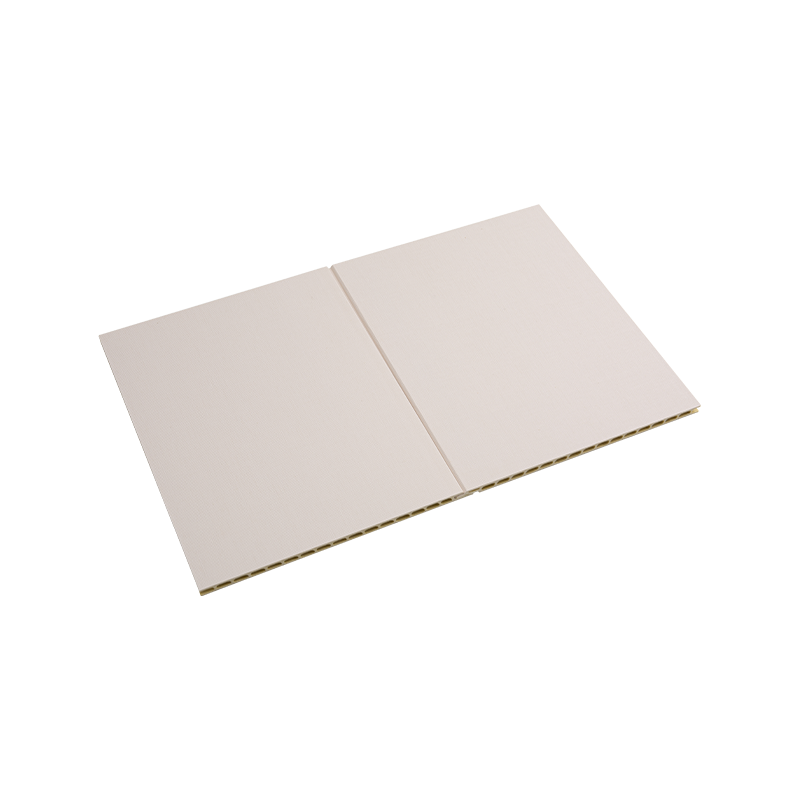
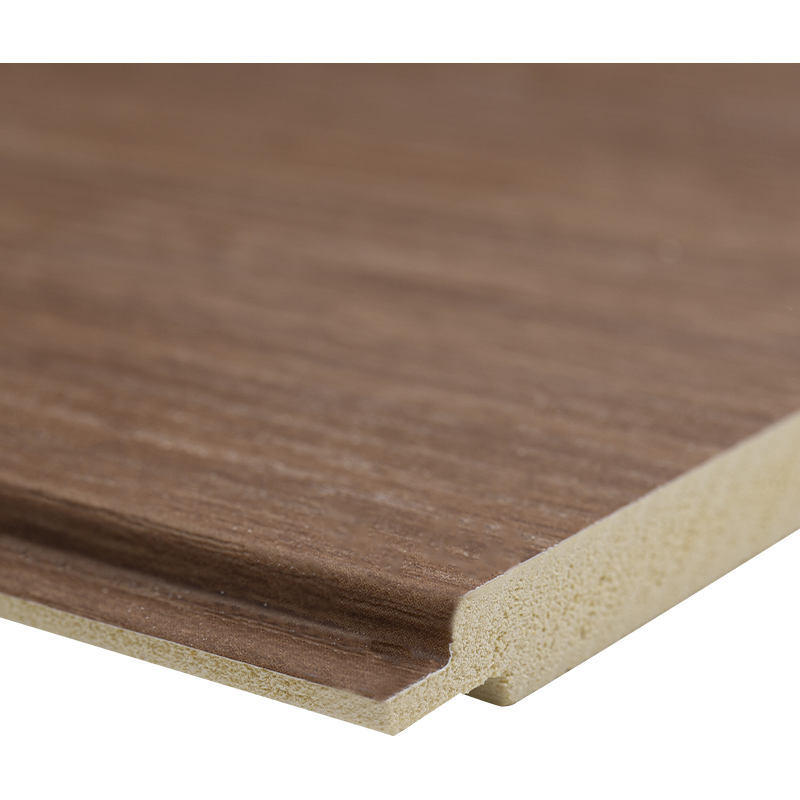
PVC resin prices do more than change the raw-material bill for a PVC-based wood-plastic composite wall panel. Changes in resin cost, availability, grade consistency and logistics can influence extrusion stability, formulation choices, production yield, lead times and ultimately the price and consistency received by wall-panel buyers. For manufacturers, distributors and project purchasers, understanding these connections is increasingly important when the PVC market becomes volatile.
The PVC market in 2026 illustrates this clearly. U.S. export pricing moved sharply during the year as energy costs, supply conditions, inventories and international demand changed. Prices reached unusually high levels during the second quarter before retreating as overseas buyers resisted higher offers and available supply improved. At the same time, changes in trade flows altered where U.S. resin was being sold.
For WPC manufacturers, the lesson is straightforward: PVC cost cannot be evaluated in isolation. Resin purchasing decisions need to be considered together with formulation stability, processing efficiency, quality requirements and downstream customer commitments.
PVC Resin Price Trajectory and Feedstock Correlation
PVC is different from many petroleum-derived polymers because its cost structure is not based entirely on hydrocarbons. PVC production combines ethylene-derived chemistry with chlorine derived from salt. The main industrial chain runs through ethylene dichloride (EDC) and vinyl chloride monomer (VCM) before PVC resin is produced.
For the U.S. market, ethylene economics are particularly important. U.S. petrochemical production benefits from substantial supplies of ethane from natural-gas liquids, especially around the Gulf Coast. This means that crude oil and naphtha prices can influence the broader international polymer market, but naphtha is not a simple direct benchmark for U.S. PVC production costs.
PVC pricing is therefore influenced by several variables at the same time:
- Ethylene, EDC and VCM production economics;
- Chlorine and chlor-alkali market conditions;
- Electricity, natural gas and other energy costs;
- PVC plant operating rates and scheduled or unexpected shutdowns;
- Housing, infrastructure and construction-related demand;
- Export demand and international PVC price spreads;
- Producer inventories and distributor restocking behavior.
This helps explain why a 10% increase in one feedstock does not automatically produce a 10%, 5% or any other fixed increase in PVC resin prices. If inventories are high and downstream demand is weak, resin producers may absorb some of the cost increase. If the same feedstock increase occurs during a plant outage or strong export cycle, the market response can be much larger.
For wall-panel production, even a relatively small resin-price movement can matter because the effect extends beyond the purchase price. A new resin lot may require extrusion adjustments, revised lubricant balance or additional production trials. This can affect output per hour, scrap generation and the effective cost of every finished square meter of panel.
Supply Availability, Regional Price Spreads, and Trade Risks
For PVC buyers, availability can sometimes be more important than the headline resin price. Much of the U.S. vinyl production chain is concentrated along the Gulf Coast, creating an efficient production and export base but also concentrating exposure to hurricanes, plant outages, port interruptions and regional transportation constraints.
A resin price quoted near Houston is therefore not necessarily the cost experienced by a converter in another part of the United States. Inland freight, warehouse availability, order volume and delivery urgency can create significant differences in delivered costs. Similar calculations apply internationally: a low FOB resin quotation may become much less attractive after ocean freight, insurance, tariffs, port charges and inventory financing are added.
Trade policy has also become increasingly important. During the first half of 2026, U.S. PVC export volumes declined as trade flows changed. Shipments to some traditional markets weakened while volumes to India increased sharply after changes in market-access conditions. Antidumping measures and minimum import prices in individual countries can quickly redirect resin that would otherwise have moved into another region.
For a WPC wall-panel producer, these shifts can create two types of risk. The first is an outright shortage of an approved resin. The second is a sudden regional price spread large enough to encourage switching suppliers or grades.
The second risk can be less visible but more difficult to manage. Changing resin purely because another grade is temporarily cheaper can introduce variation in fusion behavior, extrusion torque, foaming response and finished-panel properties.
Resin Grades, Recycled PVC, Additives, and Blending Effects on WPC
Not all PVC resins behave in the same way during extrusion. Suspension PVC, or S-PVC, is commonly associated with rigid extrusion applications, while emulsion PVC is more closely associated with paste, plastisol and coating applications.
Molecular weight is another important variable and is commonly represented by K-value or inherent viscosity. In rigid PVC profile extrusion, grades around the mid-60s K-value range are widely used because they provide a practical balance between mechanical performance and processability. Higher molecular weight can improve certain mechanical properties but normally requires greater shear and processing effort to achieve suitable fusion.
In a PVC-based WPC formulation, however, resin grade is only one part of the system. Wood flour, mineral filler, stabilizers, lubricants, processing aids, impact modifiers, pigments and, where applicable, foaming agents all interact during extrusion.
| Variable | Possible Manufacturing Effect | Possible Panel Effect |
| Different PVC molecular weight | Changes fusion behavior, torque and processing window | Can influence strength, surface quality and dimensional stability |
| Wood flour moisture | Gas generation and unstable extrusion | Bubbles, surface defects or inconsistent density |
| Lubrication balance | Changes fusion timing and die flow | Surface quality, dimensional accuracy and production stability |
| Mineral filler level | Changes melt behavior and machine load | Stiffness, density and impact performance |
| Recycled material | More variable thermal history and composition | Potential variation in color, strength and long-term consistency |
How Much Recycled PVC Can Be Used?
There is no universal recycled-PVC percentage that is safe for every WPC wall panel. The appropriate level depends on the source of the recycled material, contamination, previous heat history, formulation consistency and the performance expected from the finished product.
Research on recycled PVC-based wood-plastic composites demonstrates why manufacturers should validate rather than assume. In one study using production scrap from PVC/wood-flour profiles, mixtures containing 20–30% recycled profile scrap maintained mechanical properties relatively close to virgin-feed material, while a higher 40% scrap level produced a much more noticeable reduction in flexural properties. These results should not be treated as a universal formulation rule, but they demonstrate the importance of staged testing.
A practical scale-up process can begin with a controlled baseline formulation, followed by low, intermediate and target recycled-content trials. Manufacturers should monitor extrusion torque, melt pressure, density, surface appearance, dimensional stability and mechanical performance before approving the formulation for routine production.
Manufacturing Cost Drivers, Extrusion Adjustments, and Compliance Considerations
When PVC prices change, manufacturers often focus first on the resin invoice. In practice, finished-panel cost is affected by several interacting factors: resin, wood flour, calcium carbonate, additives, electricity, labor, packaging, machine utilization and scrap.
The important metric is therefore not simply cost per kilogram of compound. It is the amount of saleable panel produced from that compound.
For example, changing to a lower-cost resin that increases startup scrap, reduces line speed or causes more surface defects may increase rather than decrease the real unit cost. Manufacturers evaluating an alternative resin should therefore calculate its impact on yield and throughput as well as the quoted purchase price.
Processing adjustments may include changes to barrel and die temperature profiles, screw speed, feed rate, vacuum settings, cooling conditions, calibration speed and haul-off speed. Formulations using different recycled content or foaming systems may also require changes in stabilizer, lubricant and processing-aid balance.
These adjustments should be carried out within a controlled production process rather than through repeated operator correction. A resin substitution becomes economically useful only when the resulting panel can be manufactured consistently at an acceptable production rate.
Fire and Environmental Requirements
Compliance must also be considered when changing a formulation. In the United States, ASTM E84 and UL 723 are widely referenced test methods for evaluating the surface-burning characteristics of building materials. They measure characteristics including flame spread and smoke development under specified test conditions.
However, a test method is not the same as a universal approval for every installation. Required classifications depend on building codes, product use, project specifications and jurisdiction. A change in resin, additive package or recycled-material content may therefore need to be evaluated against the performance documentation required for the intended project.
Environmental claims need similar care. When products are marketed in the United States using recycled-content claims, manufacturers and sellers should identify what the claim covers and substantiate the stated recycled percentage. Broad terms such as “green” or “eco-friendly” should not replace specific, supportable product information.
Practical Strategies for WPC Wall Panel Manufacturers
PVC market volatility cannot be eliminated, but its effect on WPC manufacturing can be reduced. The most effective approach combines purchasing discipline with technical preparation.
| Market Signal | Suggested Response | Priority |
| Resin quotations move less than 5% | Continue rolling purchasing while monitoring feedstock, inventory and lead-time indicators | Routine |
| Prices rise approximately 5–10% | Compare qualified suppliers, review inventory coverage and update product-cost models | Medium |
| Rapid increase above 10% | Review purchasing frequency, alternative qualified grades and customer quotation validity | High |
| Lead times extend significantly | Increase safety stock for critical approved materials where financially practical | High |
| New resin grade or recycled source | Run laboratory or production trials before approving full-scale substitution | Critical |
The thresholds above are examples for internal risk planning rather than universal industry standards. Each manufacturer should set triggers according to purchasing volume, inventory capacity, customer commitments and production flexibility.
Over the longer term, manufacturers can strengthen resilience by maintaining more than one qualified resin source, using rolling or formula-based purchasing agreements where appropriate, documenting alternative formulations before shortages occur and keeping clear production data for each approved material combination.
For buyers, this also explains why the lowest WPC panel quotation is not always the best indicator of supply reliability. Resin qualification, process control and material consistency all contribute to whether panels from different production batches maintain comparable appearance, dimensions and performance.
Planning a WPC Wall Panel Project?
PVC and other polymer markets will continue to move, but project buyers still need predictable product specifications, finishes, quantities and delivery schedules.
Zhejiang QianDuoMu Intelligent Decoration Co., Ltd. specializes in the development and production of WPC wall panels, wall cladding, decorative lines and integrated interior decoration materials. Our product range includes solid and hollow WPC wall-panel structures for residential, hotel, commercial and public-space applications.
For your next project, send us your required panel dimensions, finish, quantity, application and destination market. Our team can discuss available product options, OEM/ODM requirements, packaging, production considerations and quotation details based on your sourcing requirements.
FAQ
How will PVC resin prices likely move over the next 12 months?
A single-direction forecast is difficult because PVC prices depend on feedstock costs, plant operating rates, construction demand, exports, inventories and trade measures. Manufacturers should prepare for several scenarios rather than rely on one price forecast.
How do naphtha and ethylene price swings affect PVC resin costs for U.S. manufacturers?
Ethylene is a direct part of the PVC production chain. Naphtha is more important as an international petrochemical feedstock and can influence global ethylene economics, but U.S. ethylene production is strongly connected to ethane and natural-gas-liquid feedstocks. The relationship between naphtha prices and U.S. PVC prices is therefore indirect rather than one-to-one.
What supply risks can disrupt PVC resin availability?
Important risks include PVC or upstream plant outages, Gulf Coast hurricanes, port interruptions, inland freight constraints, changing export demand, tariffs, antidumping measures and sudden changes in inventory levels.
How do PVC resin grades and K-values affect WPC extrusion?
K-value relates to PVC molecular weight. Higher molecular weight can improve some mechanical properties but generally requires more processing effort. In WPC production, the resin must also be compatible with wood flour, fillers, stabilizers, lubricants and other additives, so grade selection should be validated as part of the complete formulation.
Can recycled PVC be used in WPC wall panels?
It can be technically feasible in suitable formulations, but there is no universal recycled-content limit. Source consistency, contamination, previous heat history and required panel performance should all be evaluated through staged production trials and relevant product testing.
How can WPC manufacturers manage PVC resin price volatility?
Useful measures include multiple qualified suppliers, rolling purchasing plans, safety-stock rules, alternative approved resin grades, controlled formulation trials and regular reviews of resin prices, lead times, plant operating conditions and international trade flows.