 English
 عربى
عربى русский
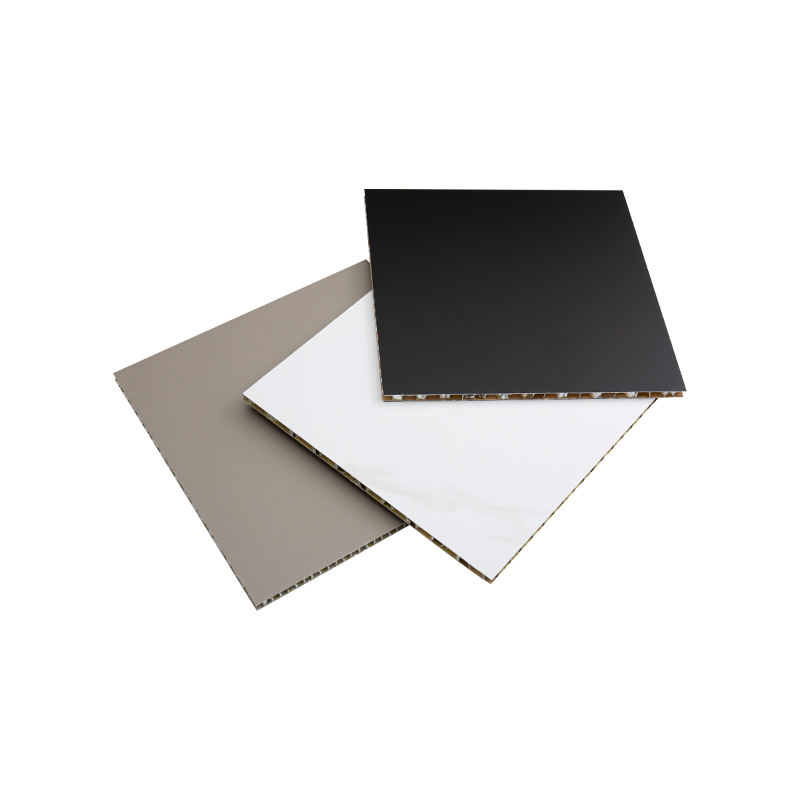
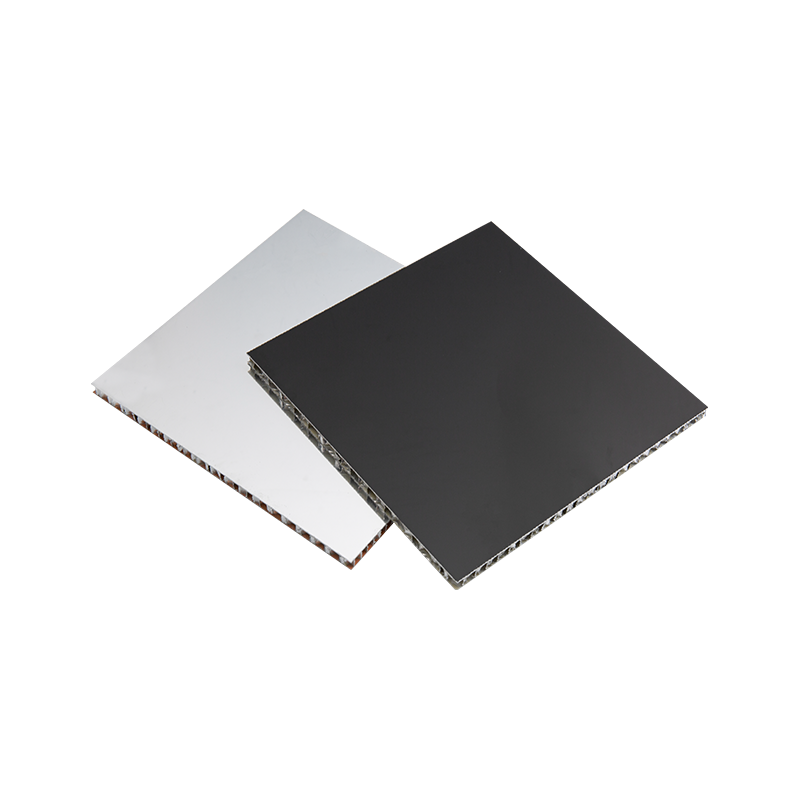
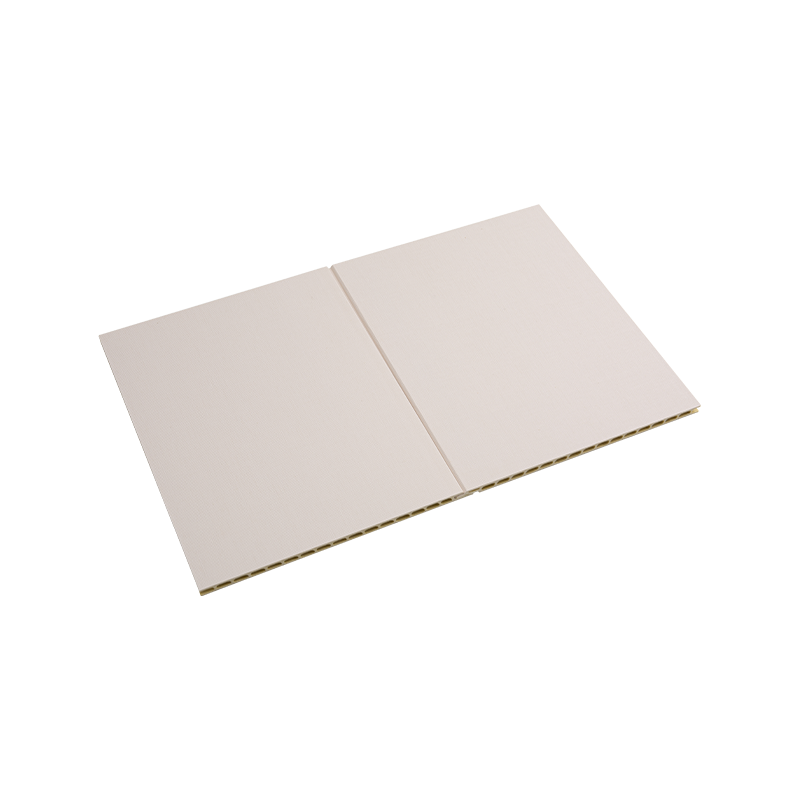
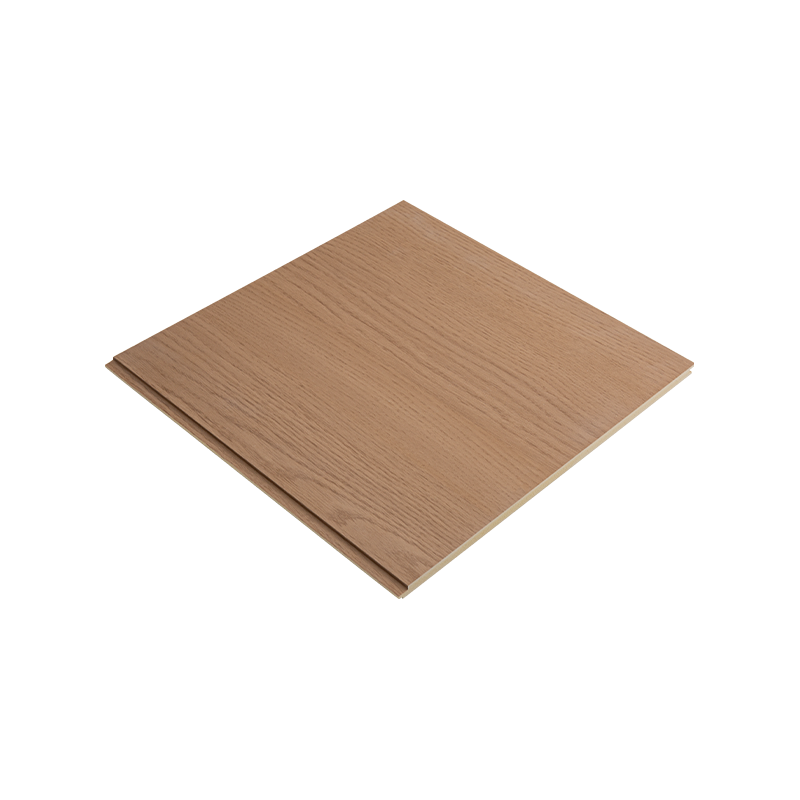
A green building materials factory is a specialized production base that manufactures low-carbon, non-toxic, recyclable and energy-saving building materials through environmentally friendly processes. It is the core support for global green construction development, effectively reducing the carbon footprint and environmental hazards of the construction industry.
Unlike traditional building materials factories, it strictly controls pollutant emissions during production, uses renewable raw materials, and ensures that finished products do not release harmful substances. At present, such factories have become an indispensable part of the global construction industry transformation, and their products are widely used in residential, commercial and public green building projects.
Raw Material Selection and Supply System
The raw material system of a green building materials factory is the foundation of its environmental attributes, and all links follow the principle of circularity and low pollution.
Main Environmentally Friendly Raw Materials
- Renewable resources such as bamboo, wood fiber, and crop straw
- Industrial solid waste recycled materials, including fly ash and mineral powder
- Non-toxic inorganic materials free of formaldehyde, benzene and other volatile pollutants
- Water-based and non-polluting adhesive and coating raw materials
Factories usually establish stable raw material supply chains, and more than 60% of raw materials come from recycled or renewable sources to reduce dependence on natural non-renewable resources. Strict raw material testing is carried out before production to ensure that all materials meet international green building standards.
Clean Production Process and Environmental Control
Green building materials factories adopt closed and automated clean production lines to minimize environmental impact in the production process.
Key Production Features
The production line is equipped with waste gas, waste water and waste residue treatment systems, achieving near-zero emissions of production pollutants. Energy-saving equipment such as solar energy and waste heat recovery is widely used to reduce comprehensive energy consumption by about 30% compared with traditional factories.
The whole production process does not use high-pollution chemical additives, and the noise generated during operation is controlled within the national standard range. Most factories have passed environmental management system certification, forming a complete green production management system.
Main Product Categories of Green Building Materials
Green building materials factories produce diversified products to meet the needs of different building types and scenarios, all of which have environmental protection and safety as core advantages.
| Product Category | Environmental Advantage | Application Scenario |
|---|---|---|
| Thermal insulation materials | Low thermal conductivity, energy saving | Building exterior walls, roofs |
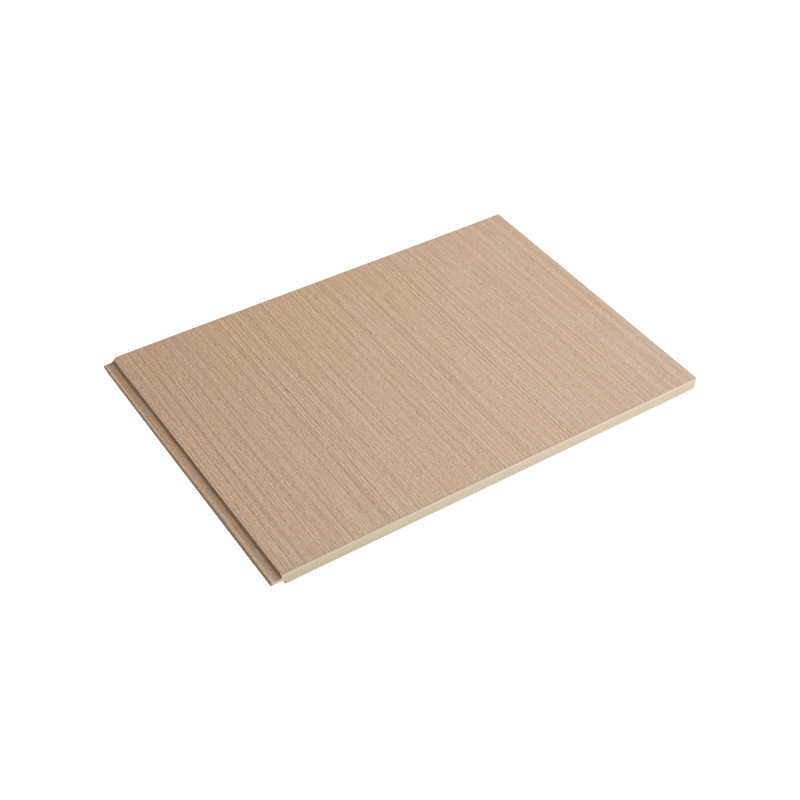
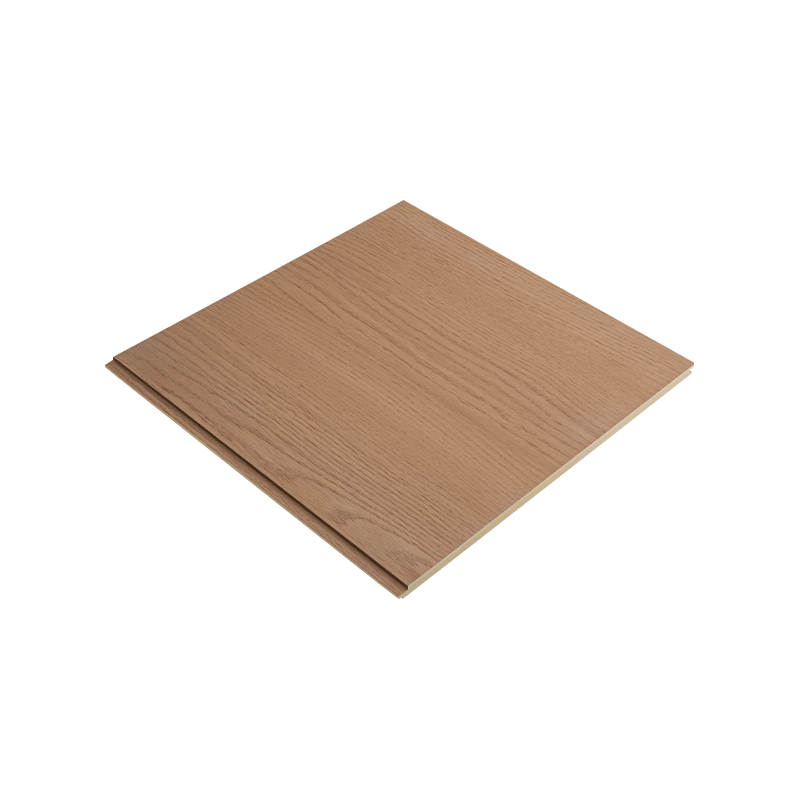
| Non-toxic decorative panels | No formaldehyde, recyclable | Indoor wall and ceiling decoration |
| Recyclable floor materials | Wear-resistant, renewable raw materials | Residential and commercial floors |
| Green cement and mortar | Low carbon, high strength | Building structure and masonry |
Quality Inspection and Certification System
Regular quality and environmental protection testing is a necessary link for green building materials factories to ensure product compliance. All products must pass multi-level testing before leaving the factory.
Testing and Certification Contents
- Harmful substance emission testing, including formaldehyde, volatile organic compounds
- Product durability, fire resistance and safety performance testing
- Carbon footprint and environmental impact assessment of the whole life cycle
- Obtain international and regional green building material certification
Factories with complete certification systems are more recognized in the market, and certified products are the first choice for high-standard green building projects.
Development Value and Industry Prospects
The development of green building materials factories has significant economic, environmental and social values, and is the key direction of the global construction industry's low-carbon transformation.
Environmentally, these factories reduce the construction industry's carbon emissions by a large margin, reduce resource waste and ecological damage. Economically, they drive the development of upstream renewable resource industries and create green employment positions. Socially, they provide safe and healthy living environments for building users and reduce health hazards caused by toxic building materials.
With the global promotion of carbon neutrality goals, the demand for green building materials will continue to rise. Green building materials factories will further upgrade their technology, expand production scale, and promote the comprehensive popularization of green buildings. In the future, intelligent and circular production modes will become the core competitiveness of such factories, promoting the sustainable development of the entire building materials industry.