 English
 عربى
عربى русский
As a modern interior decoration material, integrated ceilings have gradually become an indispensable design element in home renovation in recent years. They not only possess an aesthetically pleasing appearance but also offer unique advantages in terms of functionality. With the continuous improvement of people's living standards, the demands for home decoration are also increasing, and integrated ceilings are an innovative technology that has emerged to meet this demand. They can not only enhance the visual effect of the interior space but also optimize lighting, ventilation, and sound systems.
Definition and Structure of Integrated Ceilings
An integrated ceiling is a renovation system that integrates ceiling materials with functional modules such as lighting, ventilation, and sound systems. Unlike traditional ceilings that require separate installation of various facilities, integrated ceilings have perfectly integrated these functions during the manufacturing process, making the ceiling a multi-functional and convenient overall solution. Generally, the main components of an integrated ceiling include panels, support structures, lighting facilities, ventilation equipment, and sound systems. These components can be flexibly combined according to different needs and can also achieve personalized designs to meet the needs of different families and spaces.
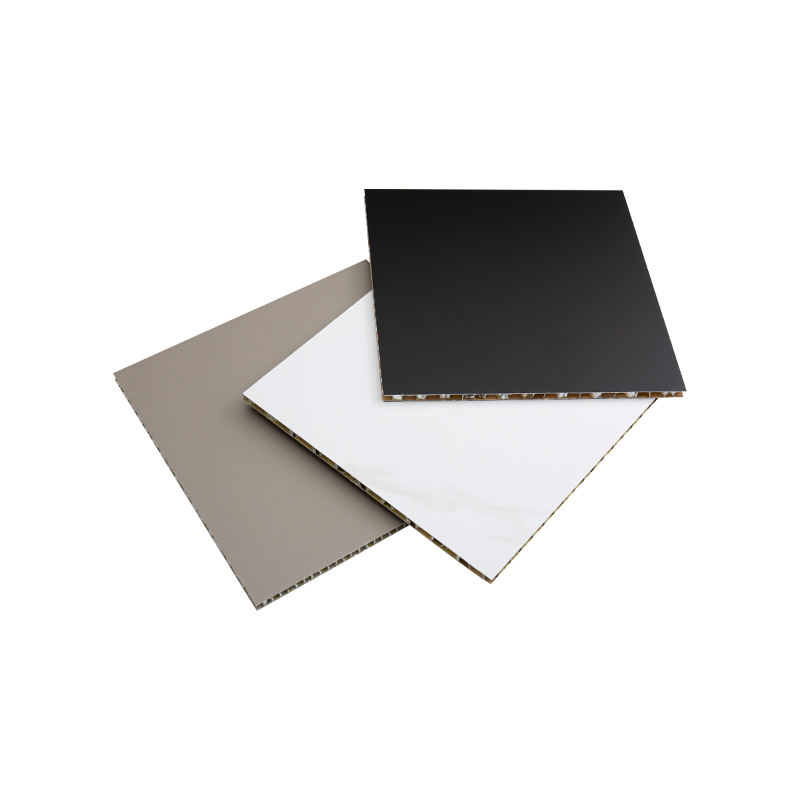
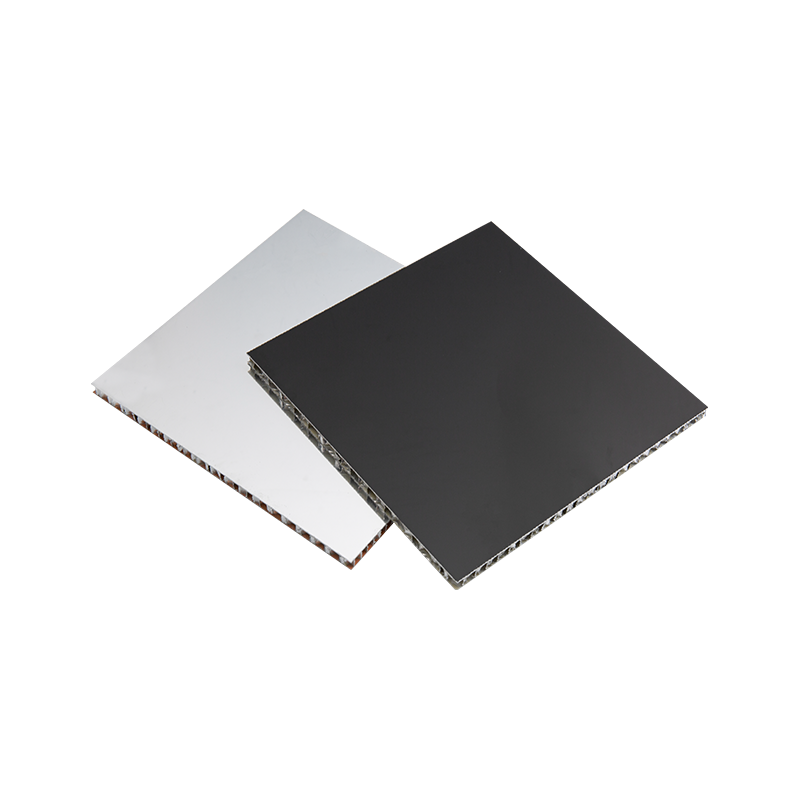
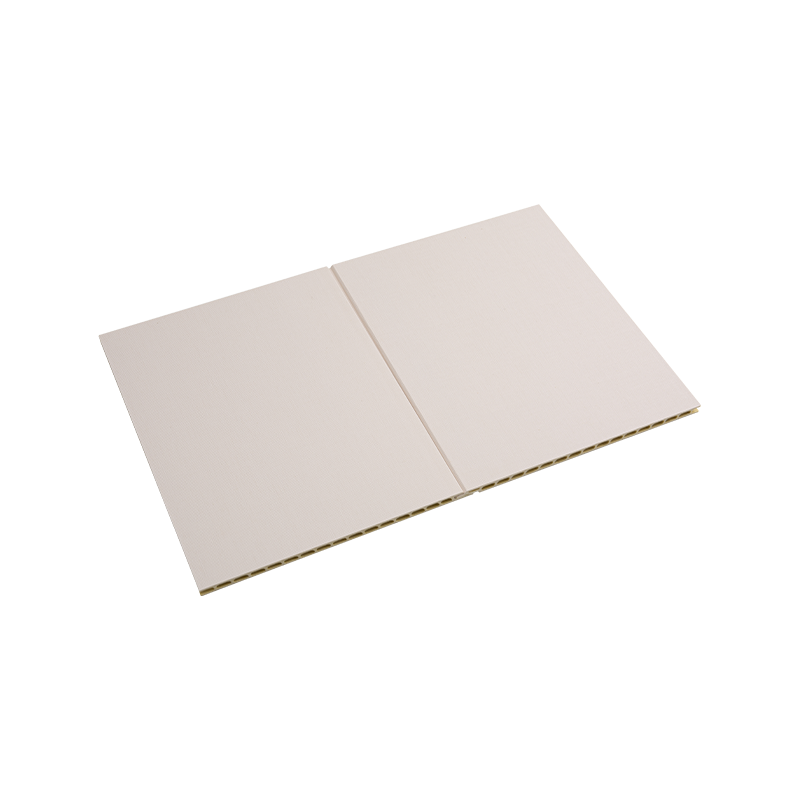
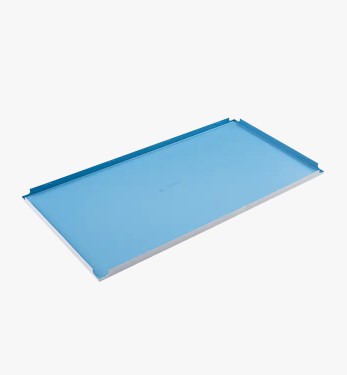
Structurally, the panels of integrated ceilings usually use materials such as aluminum alloy, PVC, and steel plates, which have excellent durability and fire resistance. The support structure is reinforced with an aluminum alloy frame, ensuring the stability and load-bearing capacity of the ceiling. Lighting, ventilation, and sound system modules can be flexibly replaced and upgraded through modular design to meet the different needs of users.
Multi-functionality of Integrated Ceilings
The biggest feature of integrated ceilings is that they integrate multiple functions. Compared with traditional ceilings, integrated ceilings are not just a single decorative element; they play an important role in improving the functionality of the space.
Lighting Function
One of the most common functional modules in integrated ceilings is lighting fixtures. Modern families have increasingly high demands on lighting design. Integrated ceilings integrate different types of lighting equipment such as LED lights, downlights, and spotlights into the ceiling, which not only provides efficient lighting effects but also allows for adjustment of the brightness and color temperature of the light source according to actual needs, creating different indoor atmospheres. Whether it's the living room, bedroom, kitchen, or bathroom, integrated ceilings can provide the perfect lighting solution.
Ventilation Function
Another important functional module is ventilation equipment. The kitchen and bathroom are the areas that require the best ventilation. Integrated ceilings, by integrating ventilation equipment such as exhaust fans and fresh air systems into the ceiling system, not only maintain air circulation but also effectively eliminate odors and moisture. This integrated design eliminates the hassle of installing separate ventilation equipment and improves indoor air quality while maintaining the aesthetics of the space.
Audio Functionality
With the development of smart homes, the demand for audio systems is becoming increasingly widespread. Integrated ceilings, by embedding audio modules within the ceiling, can achieve wireless music playback in the space. Whether for home theaters or background music playback, the integrated ceiling's audio modules can provide high-quality sound effects, making the space more comfortable and pleasant.
Advantages of Integrated Ceilings
Enhanced Aesthetics and Spatial Perception
One of the most significant advantages of integrated ceilings is their superior aesthetics. Traditional ceilings, due to the need to install various lighting and ventilation equipment, often appear cluttered and uncoordinated. Integrated ceilings, however, integrate all equipment together, making the ceiling more concise and neat, enhancing the overall aesthetics of the interior space. In addition, integrated ceilings can be customized according to different decoration styles, meeting the aesthetic requirements of modern families.
Integrated ceilings can also enhance the three-dimensional sense of space through reasonable design. The design of panels with different materials and colors can give the room a greater sense of depth and space, especially suitable for users who value home design and spatial perception.
Safety and Environmental Friendliness
The materials used in integrated ceilings are mostly environmentally friendly and harmless materials such as aluminum alloy and PVC. These materials not only have fireproof, moisture-proof, and corrosion-resistant properties but also meet national environmental protection standards. Using integrated ceilings can effectively avoid the release of harmful substances, ensuring the health of family members. At the same time, the design and manufacturing process of integrated ceilings are relatively meticulous, reducing construction errors and safety hazards, further improving home safety.
Space Saving and Convenient Construction
One important advantage of integrated ceilings is space saving. Traditional ceilings often occupy more space due to the need for additional support structures. Integrated ceilings perfectly integrate lighting, ventilation, and audio equipment, avoiding the separate installation of various devices, which not only saves construction space but also greatly improves construction efficiency. Integrated ceilings are relatively easy to install, significantly reducing the construction period and lowering renovation costs.
Easy Maintenance and Durability
Integrated ceilings are very easy to maintain. Generally, integrated ceiling panels are removable, allowing users to replace or clean them as needed. Furthermore, the overall system design of integrated ceilings prioritizes durability; lighting fixtures, ventilation equipment, and sound systems all have a long service life, avoiding the hassle of frequent replacement and maintenance.
Frequently Asked Questions (FAQ)
1. What types of spaces are suitable for integrated ceilings?
Due to their versatility and flexibility, integrated ceilings are suitable for various types of spaces, including living rooms, bedrooms, kitchens, bathrooms, and offices. They are particularly beneficial in kitchens and bathrooms, providing improved ventilation and exhaust functions, enhancing the user experience.
2. Does the installation of integrated ceilings require professional personnel?
Although the installation of integrated ceilings is relatively simple, it is recommended to have professional installers perform the work to ensure proper installation and safety. Professionals can design the ceiling layout and functional configuration according to the specific needs of the space.
3. How long is the lifespan of an integrated ceiling?
Integrated ceilings typically have a long lifespan, generally exceeding 10 years. The ceiling panels and functional modules are highly durable, especially in high-humidity environments, where they exhibit strong corrosion resistance and anti-aging properties.
4. Can different modules be replaced in an integrated ceiling?
Yes, the modular design of integrated ceilings allows users to replace different modules as needed. Lighting equipment, ventilation systems, and sound systems can all be flexibly adjusted and replaced according to household needs.