 English
 عربى
عربى русский
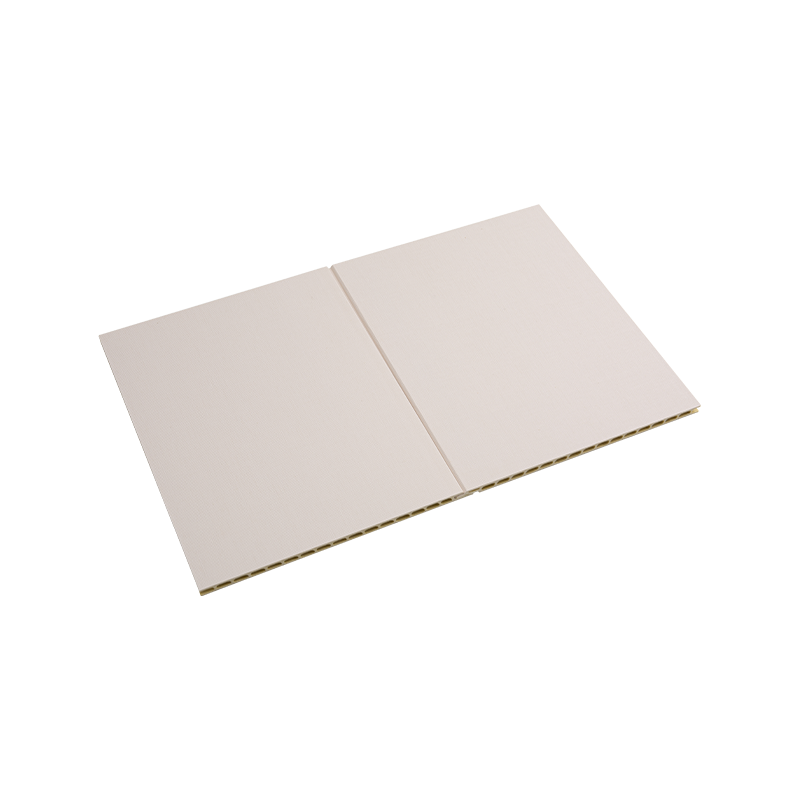

As the construction industry continues to prioritize sustainability, choosing the right materials for green building projects becomes critical. One of the most essential components in any sustainable building is the walls, and understanding the eco-friendly wall supplier options is a key decision-making factor. In this article, we will explore the best materials offered by eco-friendly wall suppliers for green buildings, considering factors such as cost, efficiency, and environmental impact.
1. Introduction: Why Choosing Eco-friendly Wall Materials is Crucial for Green Building?
Green building, also known as sustainable architecture, involves designing and constructing buildings in a way that minimizes environmental impact. One of the major aspects of green building is the use of eco-friendly wall materials, which play a significant role in energy efficiency, reducing waste, and lowering the overall carbon footprint of the building. Choosing materials that are sustainable not only contributes to environmental conservation but also supports long-term economic benefits.
2. Key Factors to Consider When Choosing an Eco-friendly Wall Supplier
2.1 Quality and Certification
When selecting an eco-friendly wall supplier, the quality of the materials provided is paramount. It’s essential to ensure that the supplier offers products that are certified for use in green buildings. Many suppliers will provide materials that are certified under standards such as LEED, BREEAM, or other environmental certifications. These certifications guarantee that the materials have been evaluated for their sustainability, energy efficiency, and overall environmental impact.
2.2 Cost-effectiveness and Price Transparency
Finding affordable, eco-friendly wall suppliers is a common challenge. However, it’s important to consider the long-term savings associated with these materials. While the upfront cost may be higher, eco-friendly materials can reduce energy consumption and lower maintenance costs over time. A cost-effective supplier will offer transparency in pricing, ensuring that the client understands the value they are getting for their investment.
2.3 Availability and Supply Chain Reliability
Local sourcing is a significant factor when choosing an eco-friendly wall supplier. By working with local suppliers, building projects can reduce transportation costs, carbon emissions, and logistical challenges. Additionally, local suppliers are more likely to have reliable supply chains, ensuring timely delivery of materials to meet project deadlines. Choosing a local, eco-friendly wall supplier also supports regional economies and promotes sustainable growth.
3. Best Eco-friendly Wall Materials for Green Building
3.1 Sustainable Wall Panels
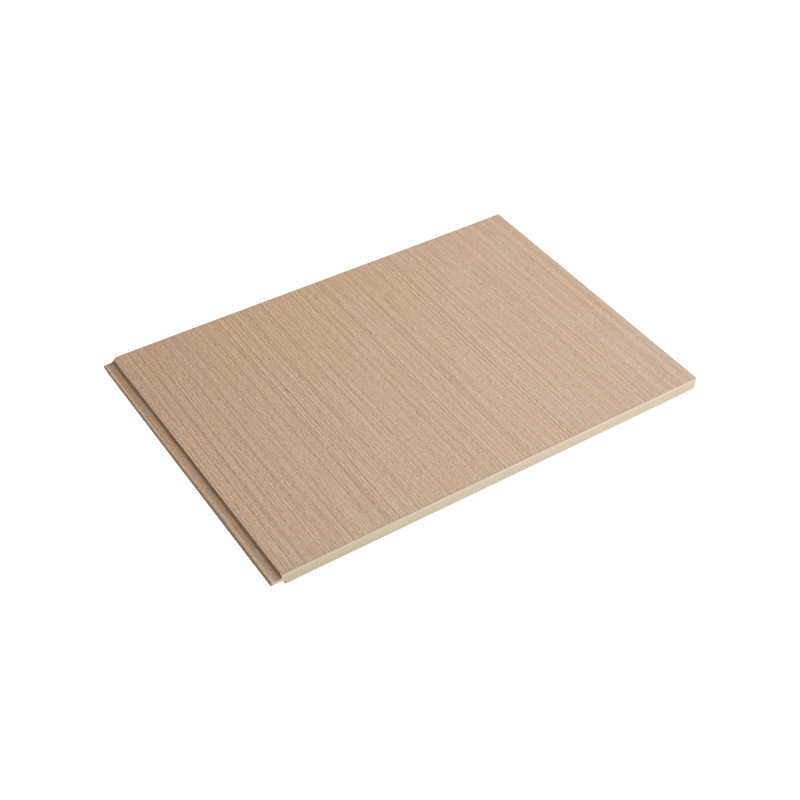
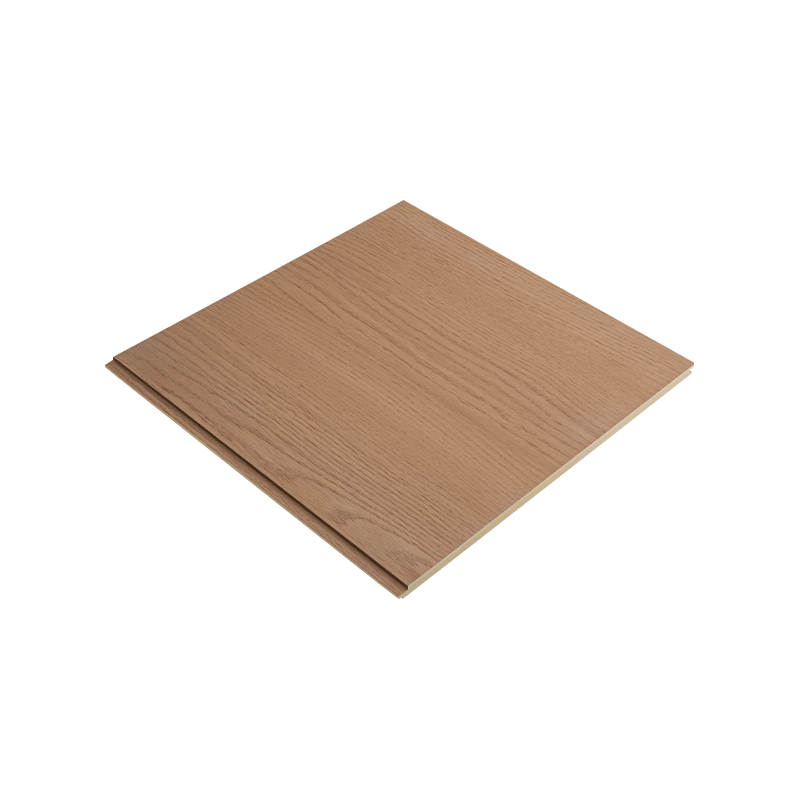
Sustainable wall panels are a key offering from eco-friendly wall suppliers. These panels are made from materials that are renewable, recyclable, and sourced from environmentally conscious processes. Popular sustainable materials include bamboo, reclaimed wood, and bio-based composite panels. These materials are not only eco-friendly but also durable and aesthetically appealing, making them ideal for both residential and commercial green building projects.
3.2 Energy-efficient Wall Materials
Energy-efficient walls are designed to optimize the energy performance of buildings by reducing the need for heating and cooling. These walls are typically made from high-density insulation materials such as polystyrene, mineral wool, or cellulose-based boards. These materials are crucial for reducing energy consumption in both residential and commercial buildings. By using energy-efficient wall materials, buildings can achieve better thermal regulation and lower overall utility costs.
3.3 Natural Soundproof and Eco-friendly Wall Materials
Another category of materials offered by eco-friendly wall suppliers is natural soundproofing materials. These materials include wool, hemp, and recycled cotton fibers, which have excellent acoustic properties. These materials are especially beneficial for creating quiet and comfortable living and working environments. Natural soundproof materials not only reduce noise pollution but also support a more sustainable approach to construction by being biodegradable and less toxic.
4. How to Choose the Right Eco-friendly Wall Materials for Different Building Needs?
4.1 Best Materials for Residential Projects
For residential buildings, the best eco-friendly wall materials tend to focus on comfort, energy efficiency, and aesthetic appeal. Materials such as reclaimed wood panels, corkboard insulation, and natural clay plaster are often used. These materials help homeowners reduce energy costs while providing a healthy and aesthetically pleasing living environment. Additionally, affordable, eco-friendly wall suppliers for residential projects often offer competitive pricing without compromising on quality.
4.2 Best Materials for Commercial Projects
In commercial buildings, the demand for durable, energy-efficient, and cost-effective materials is high. Top-rated eco-friendly wall suppliers for commercial buildings typically provide high-performance wall systems that offer enhanced thermal resistance and soundproofing. Examples of these materials include structural insulated panels (SIPs) and high-performance drywall systems. These materials help reduce operating costs in commercial buildings by maintaining energy efficiency and providing long-lasting durability.
4.3 Best Materials for Public or Government Buildings
Public and government buildings often have stricter regulations when it comes to sustainability and energy efficiency. As such, they tend to prioritize materials that meet high-performance standards, such as concrete blocks with superior thermal mass or metal cladding systems with recycled content. Local eco-friendly wall suppliers are ideal for these projects as they can provide the necessary certifications and ensure compliance with government regulations.
5. The Advantages of Choosing Local Eco-friendly Wall Suppliers
5.1 Supporting Local Economies and Reducing Carbon Footprints
One of the key advantages of choosing a local, eco-friendly wall supplier is the reduction in transportation-related carbon emissions. Local suppliers are more likely to use materials sourced from regional suppliers, thereby reducing the need for long-distance transportation. This contributes to lowering the overall carbon footprint of the building project. Additionally, working with local suppliers supports local economies and fosters sustainable growth within the region.
5.2 Quick Response and Reliable Supply Chains
Local suppliers often offer more responsive customer service and faster delivery times. This is particularly beneficial for construction projects that require just-in-time delivery of materials. Local eco-friendly wall suppliers near me can ensure that materials arrive on time, reducing delays and ensuring that construction schedules are met. Furthermore, local suppliers are more familiar with regional regulations and requirements, which helps streamline the procurement process.
6. Case Studies: Successful Green Building Projects Using Eco-friendly Wall Materials
6.1 Residential Building Applications
In a recent residential green building project, sustainable materials such as bamboo and reclaimed wood were used for the interior walls. These materials not only contributed to a reduced environmental impact but also enhanced the aesthetic appeal of the home. The use of energy-efficient insulation panels reduced the home’s energy consumption by over 20%, leading to long-term savings on energy bills.
6.2 Commercial Building Applications
In a commercial office building project, eco-friendly wall materials such as high-performance drywall systems and recycled insulation were used to meet LEED certification standards. The building’s energy efficiency improved significantly, and the material choices resulted in a reduction of operational costs due to better insulation and soundproofing capabilities.
7. Conclusion: The Importance of Choosing the Right Eco-friendly Wall Materials and Future Trends
As sustainable building practices continue to evolve, the importance of choosing the right eco-friendly wall materials cannot be overstated. By selecting materials that are energy-efficient, durable, and sourced sustainably, construction projects can achieve significant long-term benefits. The future of green building will likely see even more innovative materials that combine environmental responsibility with advanced performance, further driving the need for reliable eco-friendly wall suppliers.
FAQs
- What are the most eco-friendly materials for walls?
Eco-friendly materials such as bamboo, reclaimed wood, and high-performance insulation panels are among the most sustainable options for walls in green buildings. - How do I find an affordable, eco-friendly wall supplier?
Look for suppliers that offer transparent pricing and focus on cost-effective materials that still meet sustainability standards. Many affordable,e eco-friendly wall suppliers for residential projects provide competitive pricing. - What is the role of eco-friendly wall materials in energy efficiency?
Eco-friendly wall materials, such as energy-efficient insulation, help reduce heating and cooling costs, leading to better overall energy efficiency in buildings. - Are local eco-friendly wall suppliers more sustainable?
Yes, local suppliers typically reduce transportation-related emissions and can provide materials with a lower carbon footprint. This is why choosing a local, eco-friendly wall supplier is often more sustainable. - What certifications should I look for in eco-friendly wall materials?
Look for materials that are certified by green building standards such as LEED, BREEAM, or other recognized environmental certifications.