 English
 عربى
عربى русский
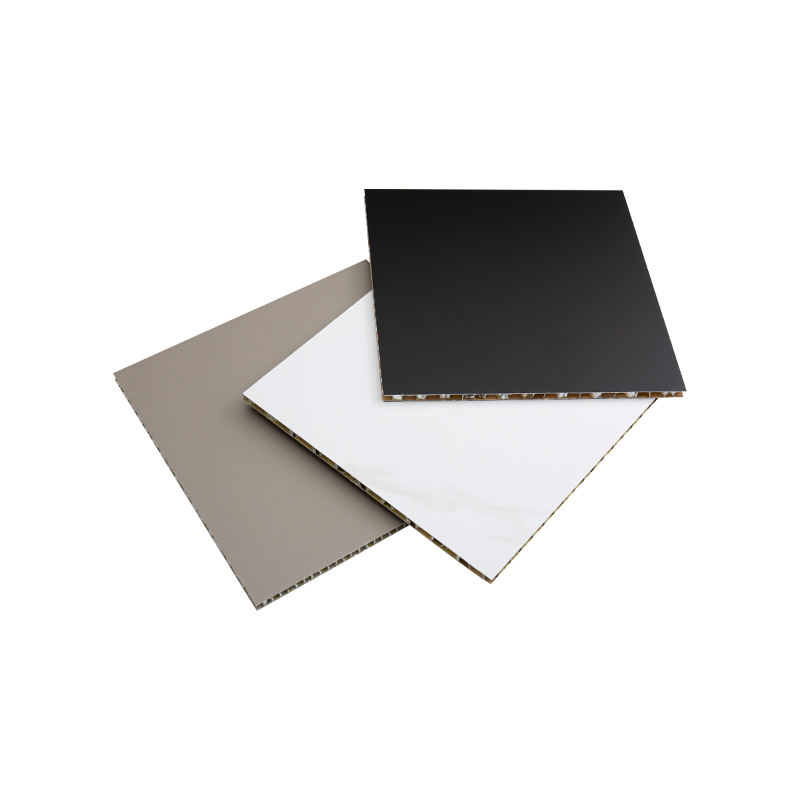
Prefabricated interior decoration is revolutionizing how residential spaces are designed and constructed, especially in terms of improving energy efficiency. This approach combines cutting-edge materials, modular designs, and energy-efficient solutions to create homes that are not only cost-effective but also environmentally sustainable. In this article, we will explore how prefabricated interior decoration can significantly enhance energy efficiency in residential spaces, focusing on key aspects such as insulation, construction time, cost savings, and environmental impact.
Introduction: Why Choose Prefabricated Interior Decoration?
The growing demand for sustainable construction and energy-efficient solutions has led to an increase in the adoption of prefabricated interior decoration in residential spaces. This method offers several advantages over traditional interior design, such as faster construction, reduced waste, and improved energy performance. The primary focus of this article is on how prefabricated interior decoration can improve energy efficiency, providing substantial long-term savings in energy consumption.
What is Prefabricated Interior Decoration?
Prefabricated interior decoration refers to the process of using pre-manufactured materials or modules to create the interior design of a residential space. These elements are produced off-site in controlled environments, reducing time and labor costs during installation. Affordable prefabricated interior decoration ideas for home renovation make it easier for homeowners to integrate energy-efficient solutions into their spaces without breaking the bank.
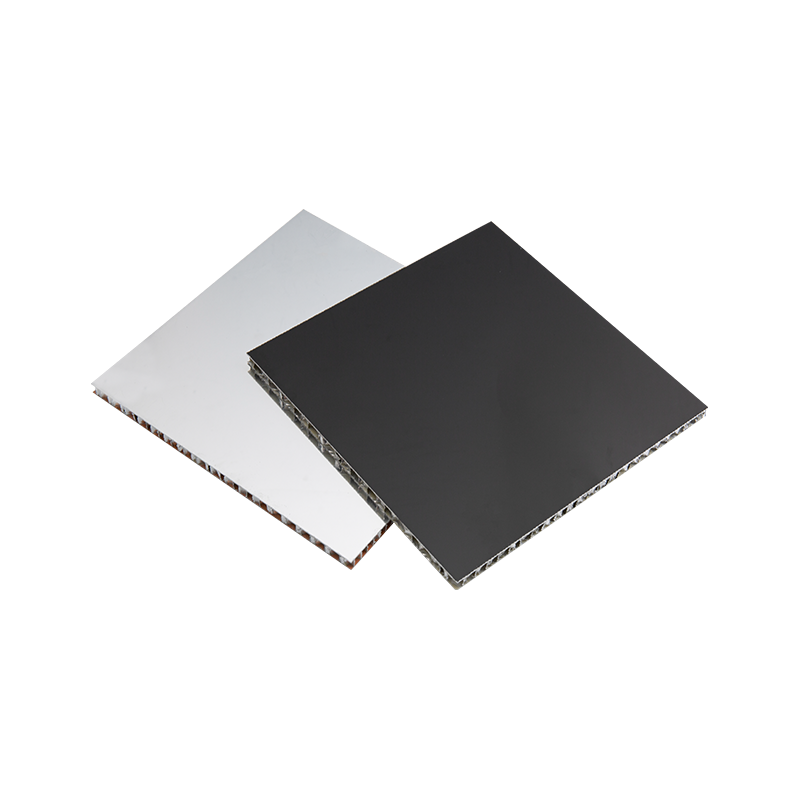
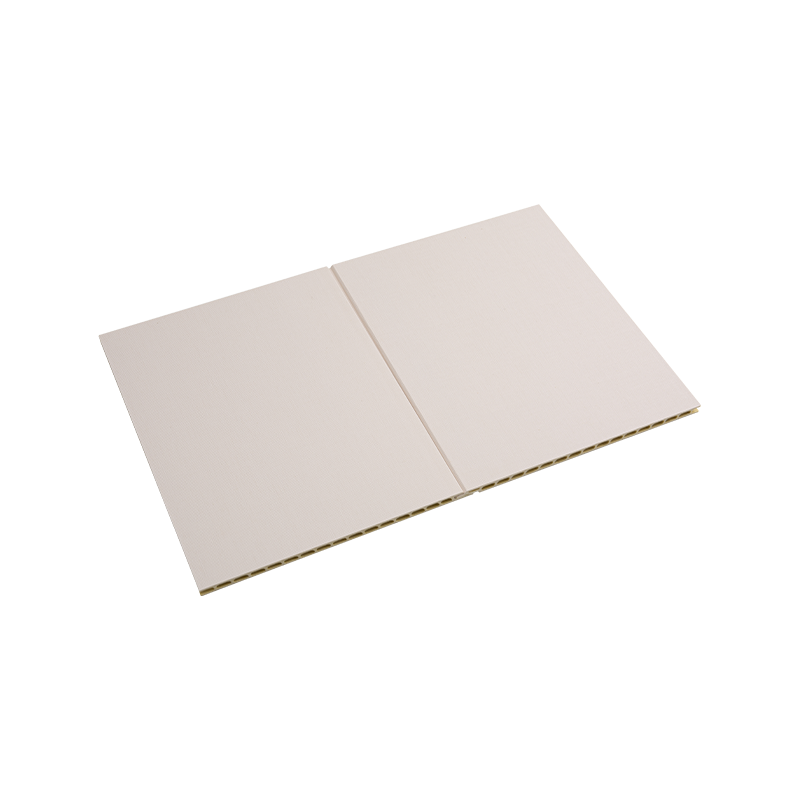
- Prefabricated interior decoration often includes modular components such as walls, ceilings, floors, and windows that are pre-insulated, reducing the need for additional insulation materials.
- Unlike traditional interior designs, these prefabricated components are designed for quick and precise installation, reducing the chances of errors that could lead to energy inefficiencies.
How Does Prefabricated Interior Decoration Improve Energy Efficiency?
One of the most significant benefits of prefabricated interior decoration is its ability to enhance the energy efficiency of residential spaces. The key factors contributing to this improvement include:
1. Enhanced Insulation and Thermal Efficiency
Prefabricated interior materials, such as insulated panels and energy-efficient windows, play a crucial role in maintaining a home's temperature. By providing better thermal insulation, these materials help reduce the need for heating and cooling systems.
| Material Type | Thermal Efficiency | Energy Savings Potential |
| Insulated Panels | High | Up to 30% savings on heating and cooling |
| Energy-Efficient Windows | Medium | Up to 20% savings on heating |
2. Improved Air Flow and Ventilation
By designing residential spaces with prefabricated components that optimize air flow and ventilation, energy is saved by reducing the need for mechanical ventilation systems. The modular design allows for strategic placement of ventilation systems that enhance air circulation, keeping the home naturally cool in summer and warm in winter.
Eco-Friendly Materials for Sustainable Homes
The adoption of eco-friendly prefabricated interior decoration materials for sustainable homes is another critical factor in improving energy efficiency. These materials, including recycled wood, low-VOC paints, and sustainably sourced fibers, contribute to the overall reduction in a home's environmental footprint.
- Using recyclable and biodegradable materials reduces the long-term environmental impact of construction.
- Non-toxic finishes and low-emission paints contribute to better indoor air quality, making homes healthier and more energy-efficient.
Cost and Time Savings: The Role of Prefabricated Interior Decoration in Reducing Construction Time
One of the most compelling reasons to choose prefabricated interior decoration is the time and cost savings it offers. By shortening construction time and reducing the amount of labor required, homeowners can benefit from significant energy cost savings in the long run.
- How prefabricated interior decoration can save construction time and costs is evident when considering the modular nature of the materials. These materials are manufactured off-site and require minimal assembly on-site.
- The streamlined installation process reduces delays and ensures the space is ready for occupancy sooner, which can also lead to faster implementation of energy-saving systems.
Modern Applications: Case Studies of Prefabricated Interior Decoration in Residential Spaces
Several residential projects have successfully implemented prefabricated interior decoration to improve energy efficiency. These case studies highlight the effectiveness of energy-efficient designs and materials in various residential contexts.
- In small apartment renovations, the benefits of prefabricated interior decoration for small apartments have been clearly demonstrated by the ability to maximize space while reducing energy consumption.
- In larger homes, prefabricated insulation and energy-efficient windows have led to up to 40% reductions in annual energy bills.
The Future of Prefabricated Interior Decoration in Energy-Efficient Homes
The future of prefabricated interior decoration looks promising, with continuous advancements in materials and technologies aimed at increasing energy efficiency. Innovations such as smart home integration and renewable energy solutions are likely to enhance the sustainability of prefabricated homes even further.
- Smart thermostats and solar panels are becoming increasingly integrated into prefabricated interior designs.
- New insulation technologies are being developed that offer even better thermal efficiency, ensuring that homes are more energy-independent.
Conclusion: The Multifaceted Benefits of Prefabricated Interior Decoration
In conclusion, prefabricated interior decoration offers a range of benefits for improving energy efficiency in residential spaces. By using high-performance materials, reducing construction time, and integrating eco-friendly solutions, this method of interior design not only saves on energy costs but also contributes to sustainable living. Homeowners and builders alike can benefit from the numerous advantages that prefabricated solutions bring to the table.