 English
 عربى
عربى русский
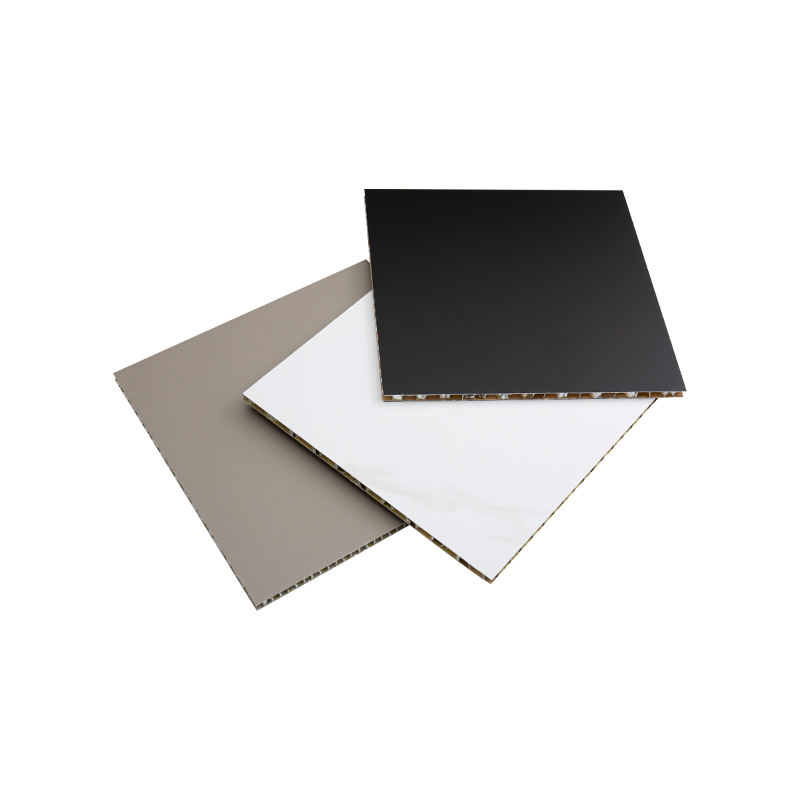
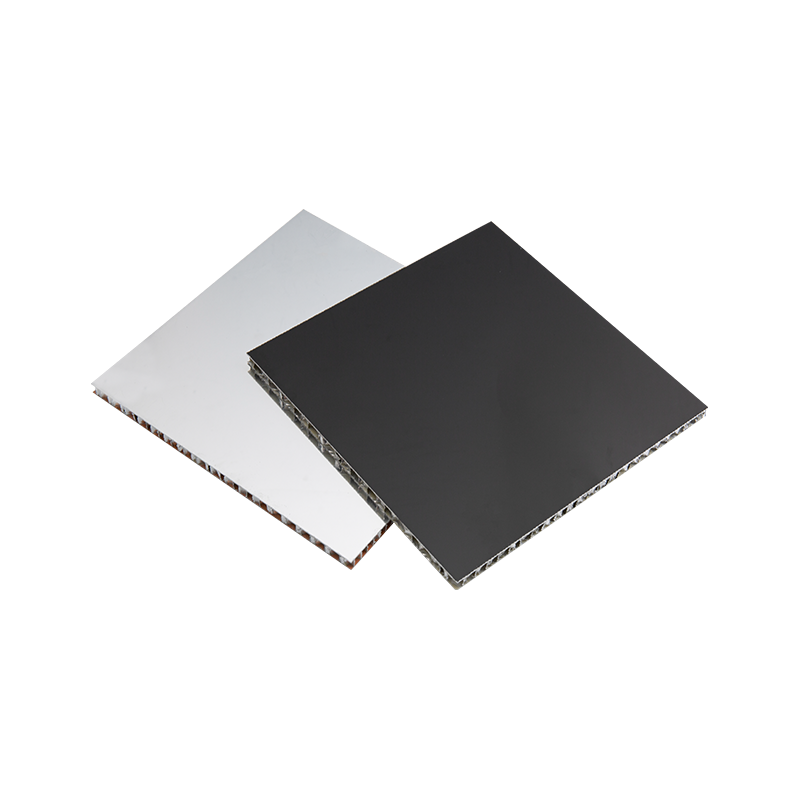
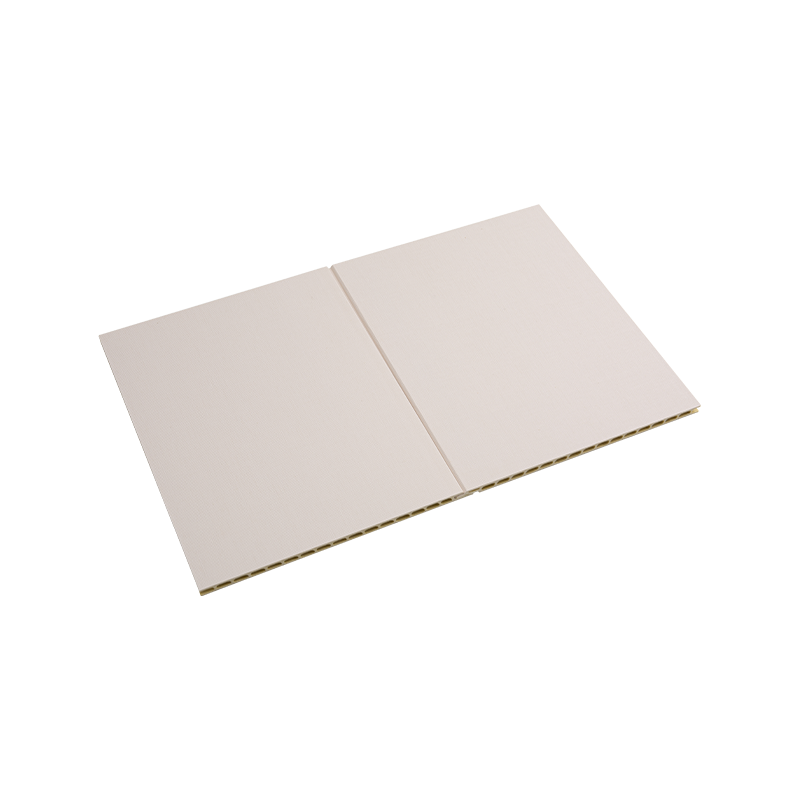
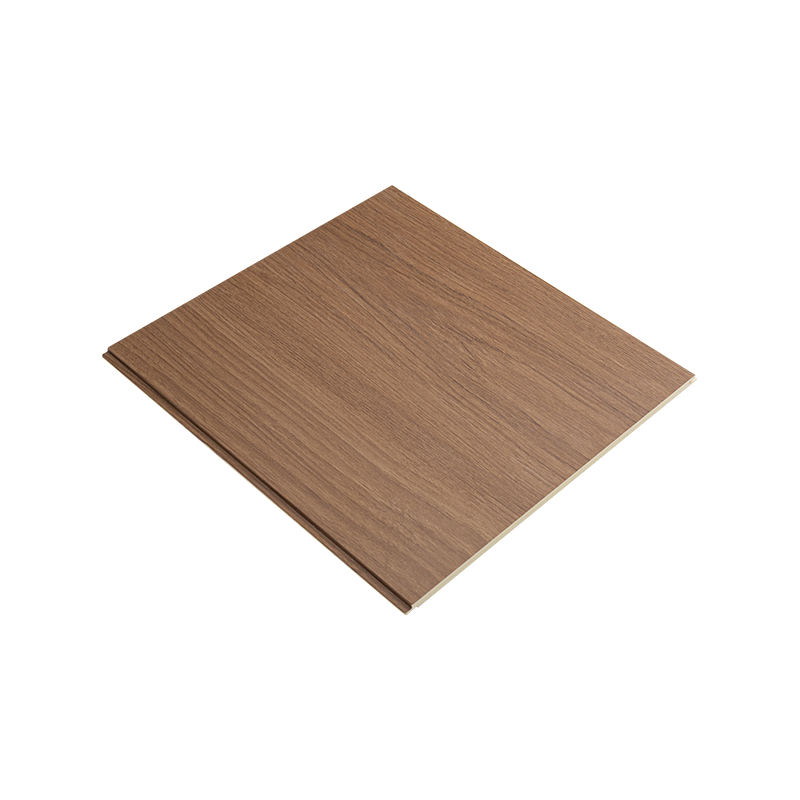
As the demand for more sustainable construction practices grows, green building materials have become a pivotal aspect of modern architecture. These materials not only help reduce the environmental impact but also contribute to energy efficiency, cost savings, and long-term sustainability. In this article, we explore how green building materials help achieve sustainability, highlighting key aspects such as their application in residential and commercial buildings, their cost-effectiveness, and their energy-saving potential.
1. What Are Green Building Materials and Why Are They Important?
Green building materials are products used in construction that are environmentally responsible, sustainable, and energy-efficient. These materials contribute to reducing the carbon footprint of buildings and help optimize resource consumption throughout a building's lifecycle.
- Environmentally friendly and resource-efficient.
- Low carbon emissions during production and use.
- Help reduce energy consumption and improve indoor air quality.
In modern construction, the push towards sustainability comes as a response to issues like energy inefficiency, excessive resource use, and environmental degradation. The use of green building materials helps address these concerns and paves the way for a more sustainable future.
2. The Application of Green Building Materials in Residential Buildings
One of the most common areas for applying green building materials is in residential buildings. Homeowners and builders alike are increasingly turning to these materials to reduce environmental impact while enhancing the quality of their homes.
Sustainable Green Building Materials for Homes
When building homes, there are several key types of sustainable green building materials for homes that help reduce energy consumption and environmental impact:
- Low-VOC paints that ensure better indoor air quality.
- Recycled materials, such as reclaimed wood and recycled steel.
- Energy-efficient insulation materials, such as cellulose or fiberglass.
These materials not only reduce energy consumption but also improve the comfort and health of the home’s occupants. For example, green building materials like cork flooring, bamboo, and straw bale construction are gaining popularity for their eco-friendly benefits.
3. Green Building Materials for Commercial Projects
In commercial construction, green building materials are becoming a key part of sustainable architecture. Many companies are now integrating these materials into their building designs to improve energy efficiency and reduce operational costs over time.
Best Green Building Materials for Commercial Buildings
Commercial buildings can benefit from various types of green building materials for commercial buildings, including:
- Solar panels and energy-efficient roofing systems that help reduce electricity costs.
- Recycled glass and concrete, which are durable and environmentally friendly.
- Energy-efficient windows that improve natural lighting and reduce heating and cooling costs.
Using these materials can lead to significant savings in energy bills and contribute to a building's eligibility for green certifications like LEED (Leadership in Energy and Environmental Design).
4. Comparing Green and Traditional Building Materials
While green building materials provide numerous benefits, it's important to compare them with traditional materials to understand their true value. The major differences can be summarized as follows:
| Characteristic | Green Building Materials | Traditional Building Materials |
| Environmental Impact | Low carbon emissions and resource efficiency | Higher carbon footprint and more resource consumption |
| Energy Efficiency | Improved energy efficiency, reducing long-term energy consumption | Typically less energy-efficient, leading to higher long-term costs |
| Cost | Initially higher, but offers long-term savings | Lower upfront cost but higher operational costs |
Although green building materials tend to have a higher initial cost, their long-term benefits, such as energy savings and durability, often outweigh these costs. Furthermore, they contribute to a more sustainable and eco-friendly building design.
5. Enhancing Energy Efficiency with Green Building Materials
Energy efficiency is one of the primary advantages of green building materials for energy-efficient buildings. By integrating energy-saving materials into a building’s design, construction teams can significantly reduce the energy consumption required to maintain comfort levels inside the building.
How Green Materials Improve Energy Efficiency
- Insulation: Materials like cellulose or spray foam insulation help prevent heat loss, keeping buildings warmer in winter and cooler in summer.
- Windows: Energy-efficient windows reduce the need for artificial heating or cooling.
- Lighting: LED lighting and solar panels contribute to reducing the reliance on grid electricity.
When combined, these materials work synergistically to create energy-efficient buildings that require less energy for heating, cooling, and lighting, ultimately reducing overall operating costs.
Conclusion: Green Building Materials and Their Role in Achieving Sustainability
The use of green building materials in construction is no longer a luxury but a necessity. They offer a wide range of benefits, from improving energy efficiency to reducing environmental impact. As demand for more sustainable buildings continues to grow, integrating these materials into both residential and commercial construction projects will be key to achieving long-term sustainability.
Frequently Asked Questions (FAQs)
1. What are the main benefits of using green building materials?
Green building materials help reduce environmental impact, improve energy efficiency, enhance indoor air quality, and lead to long-term savings in operating costs.
2. Are green building materials more expensive than traditional materials?
While green building materials often have a higher upfront cost, their long-term benefits, such as energy savings and durability, can offset the initial investment.
3. Can green building materials be used in both residential and commercial buildings?
Yes, green building materials can be used in both residential and commercial projects to improve sustainability, energy efficiency, and reduce operational costs.
4. How do green building materials improve energy efficiency?
Green building materials like insulation, energy-efficient windows, and solar panels help reduce energy consumption by improving the building's ability to retain heat or coolness, minimizing the need for artificial heating or cooling.
5. What are some examples of green building materials?
Examples of green building materials include recycled steel, bamboo flooring, low-VOC paints, energy-efficient windows, and solar panels.