 English
 عربى
عربى русский
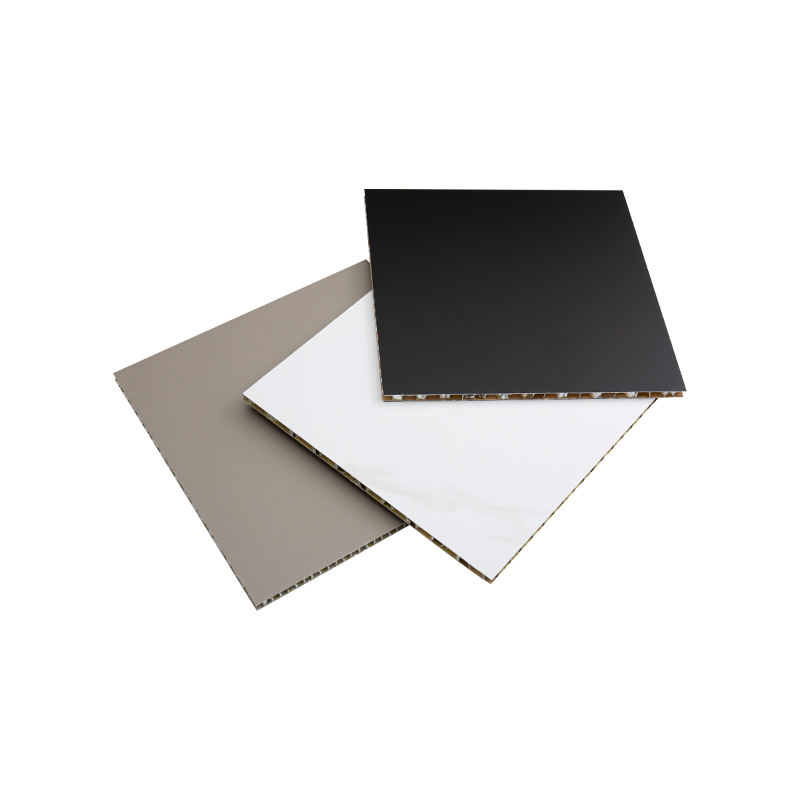
When specifying interior wall finishes for residential renovations, hotel fit-outs, or commercial interiors, WPC wall panels and ceramic tiles are the two options that come up most consistently. Both cover walls effectively. Both are available in a wide range of appearances. Both perform well in wet and high-traffic environments. But the two materials differ fundamentally in how they are installed, how they perform over time, and what they cost across the full lifecycle — and understanding these differences is essential for making the right specification decision for a given project.
What Is a WPC Wall Panel?
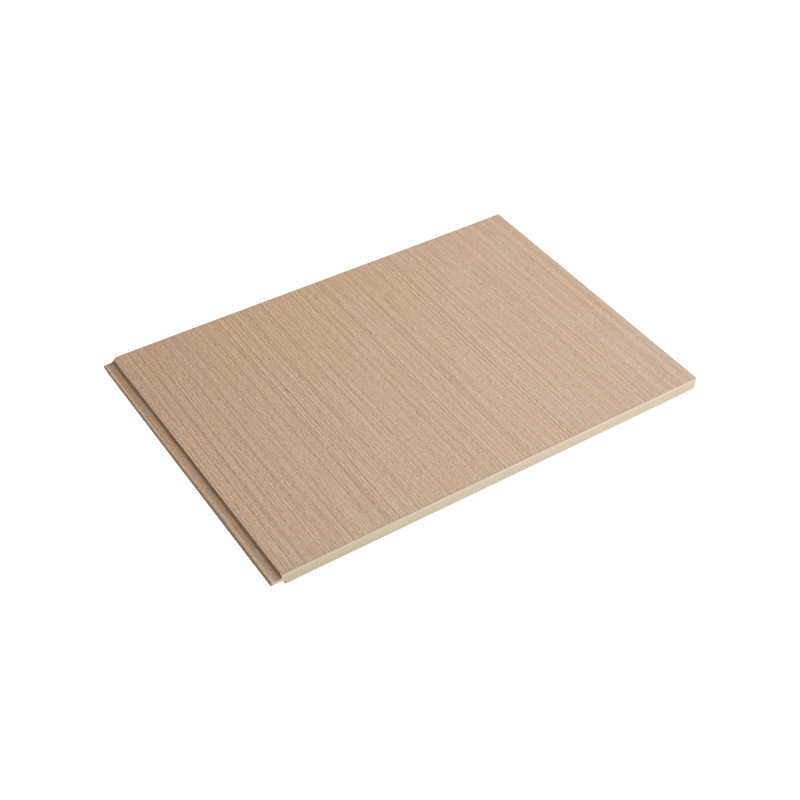
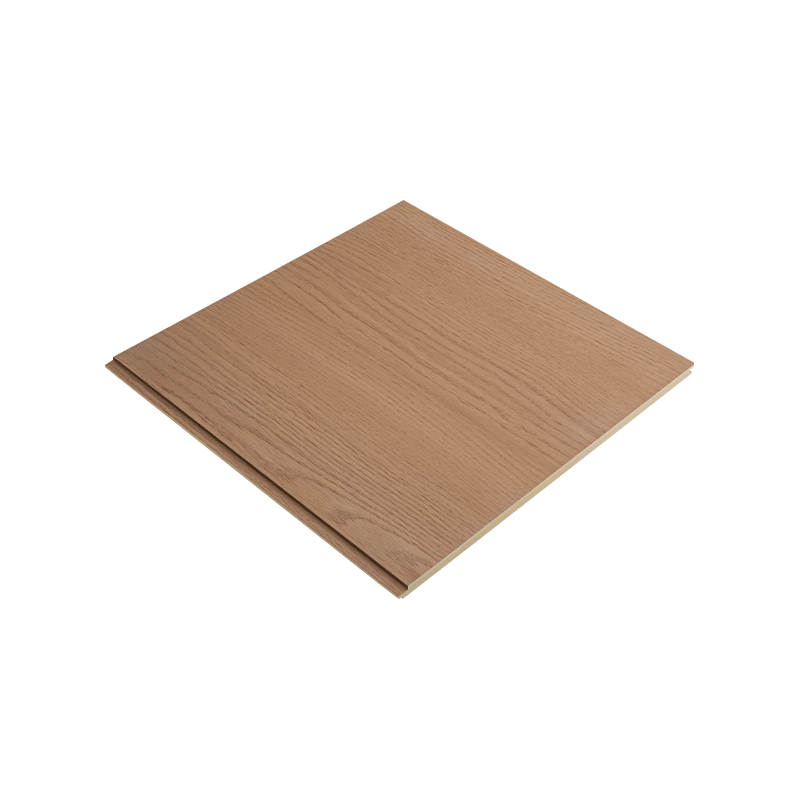
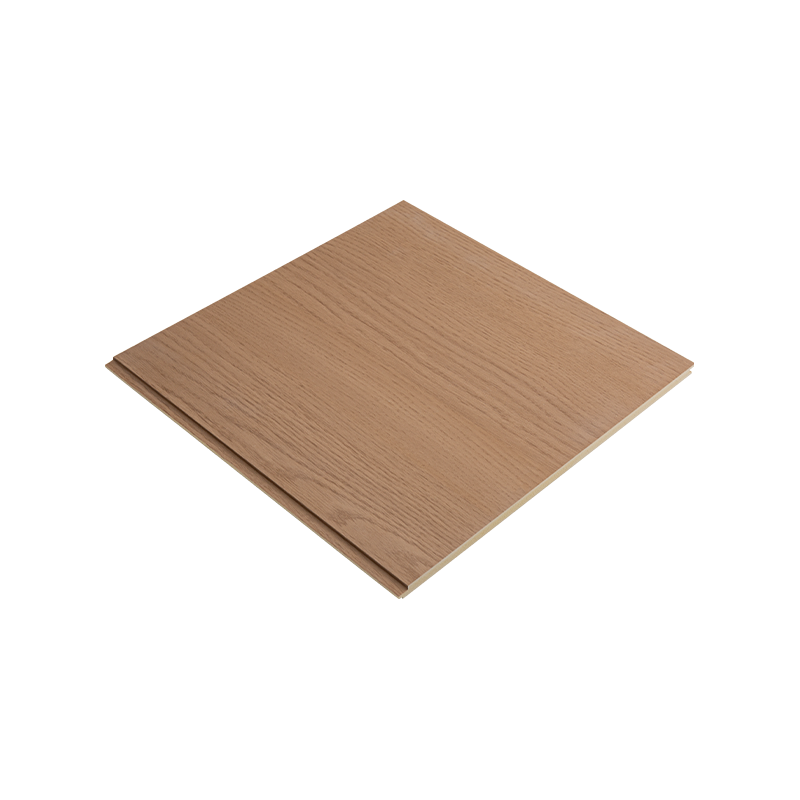
WPC (Wood Plastic Composite) wall panels are interior cladding panels made from a composite of wood fiber (typically 30–60% by weight) and thermoplastic polymer — most commonly PVC or polyethylene — extruded into flat panels with a textured or embossed surface finish. The wood fiber content gives WPC panels a warm, natural aesthetic that reads as more organic than pure plastic; the polymer matrix provides moisture resistance, dimensional stability, and the ability to apply surface textures — wood grain, stone, marble, concrete — at a level of realism that has improved significantly with modern transfer printing and UV coating technology.
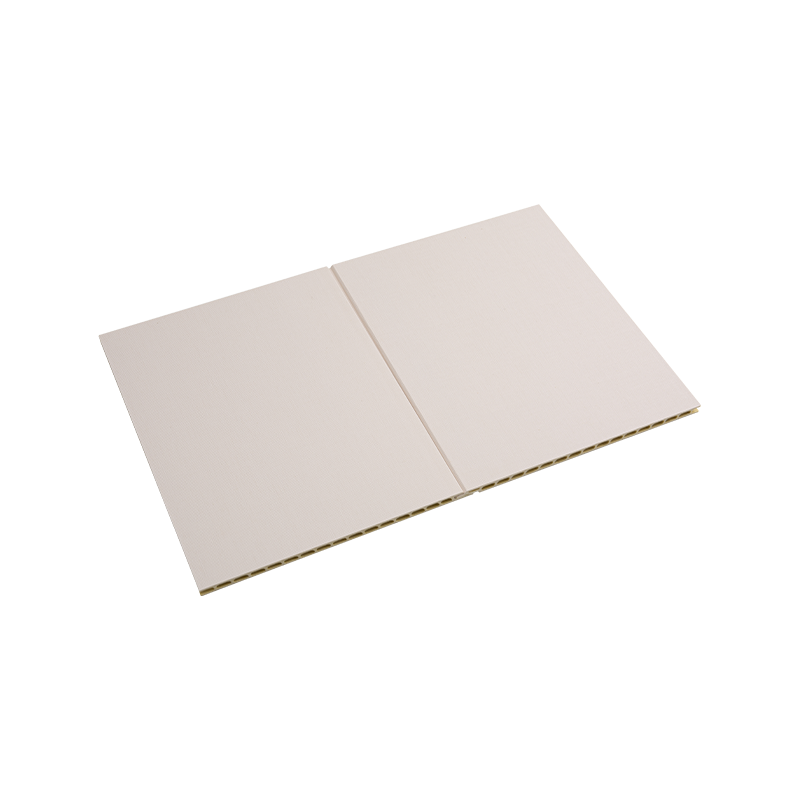
WPC wall panels are available in two primary structural configurations: solid panels (dense throughout, higher weight, better impact resistance) and hollow panels (with internal channels, lighter weight, better thermal and acoustic insulation). Both configurations are installed using a dry-fix clip or tongue-and-groove system that does not require adhesive or wet mortar, which is the characteristic that most differentiates WPC panel installation from tile installation.
How Does Tile Installation Compare to WPC Panel Installation?
Ceramic and porcelain tile installation is a wet trade: tiles are bonded to the substrate using cement-based adhesive mortar, and joints between tiles are filled with cement or epoxy grout. The adhesive requires a properly prepared, flat substrate — typically render, cement board, or existing tile — and must cure for a minimum of 24 hours before grouting, and a further 24–48 hours before the surface can be used. For a standard bathroom (approximately 8–10 m² of wall area), a skilled tiler typically requires 1–2 days of labor plus curing time before the room is functional again.
WPC wall panels are installed dry. Panels click or clip onto a lightweight aluminium or PVC batten framework fixed to the wall, or in some systems, tongue-and-groove directly to a prepared flat surface with adhesive. There is no mortar, no grout, no curing period, and no significant wet mess during installation. A standard bathroom wall area of 8–10 m² can be panelled by one installer in a single day, and the space is immediately usable upon completion. For renovation projects where minimizing disruption to occupants is a priority — a hotel room, a functioning home bathroom, a retail unit — the speed and cleanliness of WPC panel installation is a decisive practical advantage.
WPC Wall Panels vs Ceramic Tiles: Direct Comparison
| Feature | WPC Wall Panels | Ceramic / Porcelain Tiles |
|---|---|---|
| Installation method | Dry clip/click system — no adhesive mortar required | Wet adhesive mortar + grout — requires curing time |
| Installation speed | Fast — 8–10 m² in one day per installer | Slow — 2–3 days, including curing before use |
| Substrate requirement | Batten frame system — tolerates minor substrate imperfections | Requires a flat, sound, fully prepared substrate |
| Moisture resistance | Excellent — PVC matrix fully waterproof; grout-free surface | Good tile face; grout lines absorb moisture and mold if unsealed |
| Mold and mildew resistance | Excellent — no grout joints where mold can establish | Grout lines are the primary mold risk; they require regular sealing |
| Weight | Light — 3–8 kg/m², depending on solid or hollow construction | Heavy — 15–25 kg/m² for standard porcelain tile + adhesive |
| Impact resistance | Good — solid WPC panels absorb impact without cracking | Moderate — hard tiles crack under point impact; difficult to replace individually |
| Thermal insulation | Good — especially hollow WPC panels with an air cavity | Poor — tiles are thermally conductive; cold to the touch |
| Acoustic insulation | Good — WPC and air cavity absorb sound | Poor — hard surfaces reflect sound; increase reverberation |
| Maintenance | Minimal — wipe clean; no grout sealing required | Regular grout cleaning and periodic resealing are required |
| Repair and replacement | Easy — individual panels clip out and replace without damage to adjacent panels | Difficult — replacing a cracked tile risks damaging adjacent tiles |
| Appearance range | Wide — wood grain, stone, marble, concrete, solid color | Very wide tiles available in almost any appearance and format |
| Feel and warmth | Warm — composite surface feels warmer to the touch than ceramic | Cold — ceramic and porcelain surfaces feel cold in low-temperature environments |
| Material cost | Mid-range — comparable to mid-grade tiles | Wide range — budget to premium; large-format porcelain is expensive |
| Total installed cost | Lower — faster labor reduces total project cost | Higher — labor-intensive installation adds significantly to material cost |
| Best application | Renovations, bathrooms, living rooms, commercial interiors, hotel fit-outs | Wet areas requiring maximum durability, floors, and feature walls |
Which Is Better for Bathrooms?
For bathroom walls, WPC panels have a specific advantage that outweighs tiles in most renovation contexts: the grout-free surface eliminates the primary long-term maintenance problem of tiled bathrooms. Ceramic tile grout absorbs moisture, harbors mold, and requires regular cleaning with specialized products and periodic resealing to remain hygienic and presentable. In high-humidity environments like hotel bathrooms and residential shower enclosures, grout maintenance is the single most common source of deterioration in otherwise sound bathroom finishes.
WPC wall panels in bathrooms create a continuous, joint-free surface — or a surface with only the minimal visible lines between panel edges — that wipes clean without the need for grout brushes or chemical sealers. For hotel operators managing large numbers of guest bathrooms, this maintenance simplification has direct operational cost implications. For homeowners, it means a bathroom that looks fresh and clean with simple weekly wiping rather than quarterly deep-cleaning sessions targeting grout lines.
The one area where tiles retain an advantage in bathrooms is the floor: WPC wall panels are a wall product and should not be used as flooring where slip resistance is a safety requirement. In a bathroom combining WPC wall panels with a porcelain tile floor, the two materials complement each other effectively.
Which Is Better for Living Rooms and Bedrooms?
In dry rooms — living areas, bedrooms, corridors, home offices — the comparison between WPC wall panels and tiles shifts toward thermal and acoustic performance. Ceramic tiles on living room walls create acoustically reflective surfaces that increase sound reverberation and make spaces feel harder and louder. WPC wall panels absorb some sound energy and reduce reverberation, which is perceptible in the acoustic quality of the space. For open-plan living areas, home offices used for video calls, and children's bedrooms, this acoustic difference is meaningful.
The warmth of WPC panel surfaces is also more aligned with the aesthetic expectations for living spaces. A wood-grain WPC wall panel brings the visual warmth of timber to a wall without the maintenance requirements of real wood, which requires periodic treatment, is sensitive to moisture, and can crack or warp with changes in humidity. WPC panels maintain their appearance and dimensions in the humidity fluctuations typical of centrally heated or air-conditioned residential interiors.
Which Is Better for Commercial and Hospitality Spaces?
For commercial interior fit-outs — retail, hospitality, office, healthcare — WPC panels offer a combination of advantages that make them increasingly the preferred specification over tiles. Fast installation minimizes trading disruption for retail clients; lightweight construction reduces structural loading in high-floor commercial buildings; easy panel replacement simplifies remediation when individual sections are damaged; and the range of surface finishes available in WPC — from realistic timber to sophisticated concrete textures — meets the aesthetic diversity demanded by commercial interior designers.
Hotel operators are among the most active adopters of WPC wall panels for guestroom and corridor applications precisely because the combination of fast installation, minimal maintenance, and easy room-by-room panel replacement during rolling refurbishment programs is operationally and economically superior to tiled alternatives. A hotel room wall panelled in WPC can be refurbished in a single working day without disrupting adjacent rooms — an impossible timeline with tiled wall renovation.
Frequently Asked Questions
Can WPC wall panels be used in wet areas like showers?
Yes — WPC wall panels with a PVC matrix are fully waterproof and suitable for wet areas, including shower enclosures, bathroom walls, and spa environments, provided the installation is carried out correctly with appropriate sealing at panel edges, corners, and the junction with the floor. The panel joints must be sealed with silicone to prevent water ingress behind the panel system; this is standard practice and is covered in the installation guidelines. WPC panels should not be used as shower trays or floors where they will be permanently submerged or where slip resistance is a safety requirement.
How long do WPC wall panels last compared to tiles?
Quality WPC wall panels in interior applications have a design life of 15–25 years under normal use conditions, which is comparable to ceramic tile installations of equivalent quality. The primary aging mechanism for WPC panels is UV degradation of the surface finish if used in high-UV-exposure locations — but for interior wall applications without direct sunlight exposure, UV degradation is not a significant factor. Ceramic tiles themselves rarely fail; the grout joints between tiles are the first element to deteriorate in a tile installation, typically requiring significant maintenance or replacement at 10–15 years in wet room applications.
Are WPC wall panels more expensive than tiles?
WPC wall panel material cost is broadly comparable to mid-grade ceramic or porcelain tile material cost. The significant cost difference appears when the total installed cost is calculated: WPC panel installation is significantly faster than tile installation, which reduces labor cost per square meter by 40–60% in most markets. For a complete bathroom renovation, the faster WPC installation often results in a lower total project cost than equivalent tile work despite similar material prices, particularly in markets with high construction labor rates.
Can WPC wall panels be installed over existing tiles?
Yes — WPC wall panels on a batten frame system can be installed over existing sound, flat tiles without removing the original tile work, provided the existing tiles are firmly bonded, and the additional panel thickness (typically 25–40mm including batten) is acceptable in the space. This direct-over-tile installation is one of the most common WPC renovation applications in bathrooms and kitchens: it avoids the noise, mess, and cost of tile strip-out while delivering a new, clean surface. The installer must verify that the existing tiles are stable and that plumbing and electrical penetration positions are adjusted for the additional wall depth.
WPC Wall Panel | WPC Solid Wall Panel | WPC Hollow Wall Panel | WPC Wall Cladding | Get a Quote