 English
 عربى
عربى русский
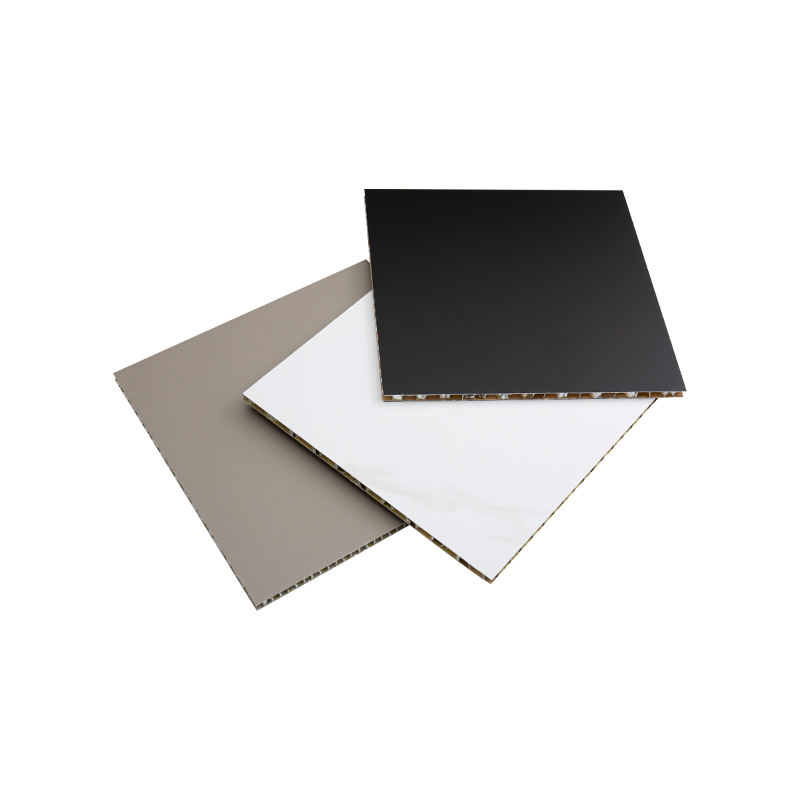
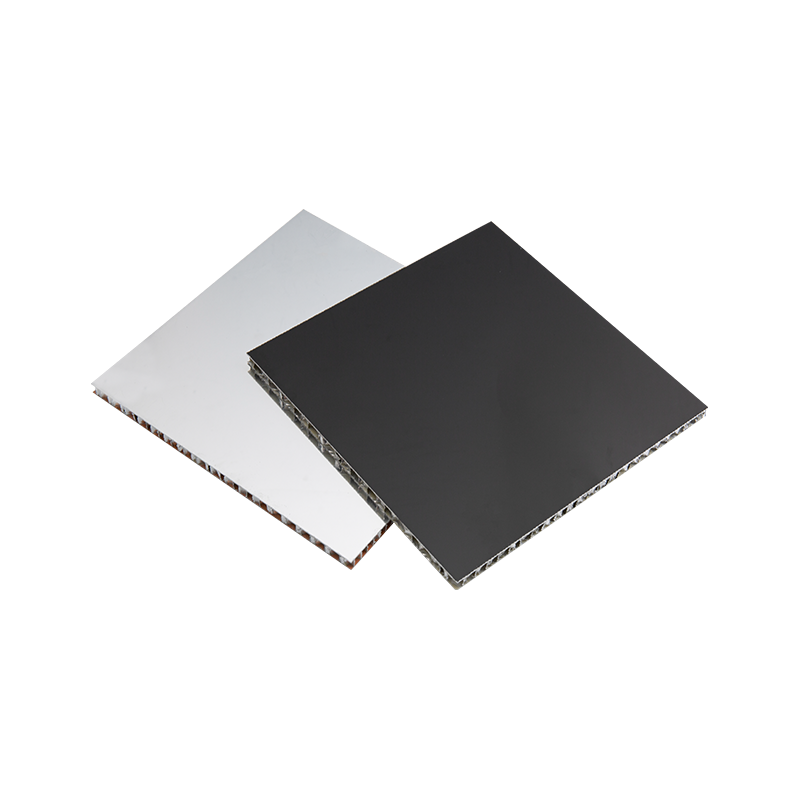
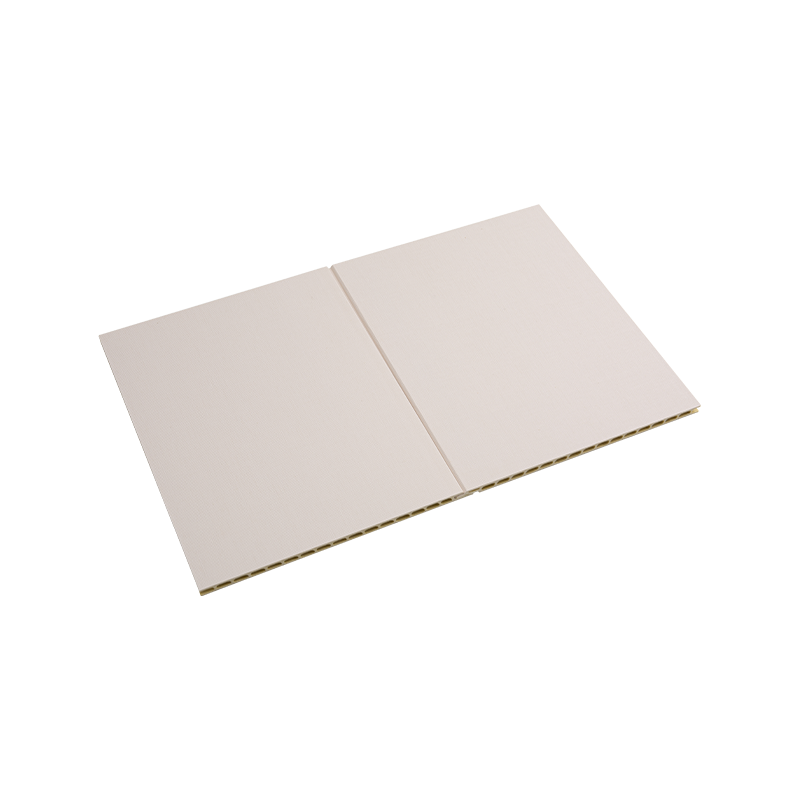

Wall claddings serve as a multifunctional exterior and interior building solution that simultaneously improves structural protection, enhances aesthetic appeal, boosts thermal and acoustic performance, and extends the service life of building envelopes. When selected and installed properly, high-quality wall claddings create a durable barrier against weathering, reduce energy consumption, and elevate the overall architectural value of any structure.
The most significant advantage lies in their balanced performance: they protect load-bearing walls from moisture, temperature changes, UV radiation, and physical damage while offering extensive design flexibility to match different architectural styles. Modern wall claddings are no longer purely decorative components but essential engineering elements that contribute to sustainable construction, improved indoor comfort, and reduced long-term maintenance costs.
To maximize benefits, builders and designers must prioritize material compatibility, correct installation techniques, and regular maintenance practices. Choosing the right type of wall cladding based on environmental conditions, building function, and budget ensures long-term stability and visual consistency throughout the building’s lifecycle.
Classification of Common Wall Cladding Materials
Wall claddings are manufactured from a wide range of materials, each with distinct physical properties, application scenarios, and maintenance requirements. Material selection directly affects durability, insulation performance, fire resistance, and overall appearance. Below are the most widely used categories in modern construction.
Natural Stone Claddings
Natural stone remains a premium choice for wall claddings due to its unique texture, high compressive strength, and exceptional longevity. Common varieties include granite, marble, sandstone, and slate. Granite claddings offer excellent resistance to scratches, weathering, and staining, making them ideal for high-traffic commercial buildings and exterior facades. Marble provides elegant visual effects but requires more care to prevent water absorption and surface discoloration.
Natural stone wall claddings typically maintain structural integrity for several decades with minimal maintenance. Their natural variations in color and grain create distinctive architectural expressions that cannot be replicated by synthetic materials.
Ceramic and Porcelain Claddings
Ceramic and porcelain wall claddings are widely used in both interior and exterior applications due to their low water absorption, color stability, and ease of cleaning. Porcelain claddings, in particular, have a dense structure that resists frost, UV radiation, and chemical corrosion, making them suitable for regions with extreme climate conditions.
Modern production techniques allow these claddings to mimic the appearance of wood, stone, metal, and concrete, providing cost-effective alternatives to natural materials. They are also lightweight compared to stone, reducing structural load and simplifying installation.
Metal Wall Claddings
Metal claddings, including aluminum, steel, zinc, and copper alloys, are favored in contemporary architecture for their sleek appearance, lightweight nature, and high durability. Aluminum claddings are corrosion-resistant, fully recyclable, and available in a broad spectrum of powder-coated colors.
Metal wall claddings effectively reflect solar radiation, helping to reduce building heat absorption and lower cooling energy use. They are also highly resistant to impact and fire, enhancing the overall safety performance of the building envelope.
Wood and Wood-Composite Claddings
Wooden wall claddings create warm, natural aesthetics suitable for residential and eco-friendly constructions. Treated wood varieties resist rot, insects, and weathering, maintaining stability in outdoor environments. Wood-composite claddings combine wood fibers with polymer materials to improve durability while reducing reliance on natural timber.
These materials offer good thermal insulation properties and blend harmoniously with natural surroundings. Proper surface treatment extends service life and preserves the original texture and color for extended periods.
Vinyl and Plastic Claddings
Vinyl wall claddings are cost-effective, lightweight, and low-maintenance solutions widely used in residential construction. They resist moisture, fading, and impact, making them suitable for humid and coastal environments. Modern vinyl claddings come in various textures and colors, simulating traditional materials at a lower cost.
Although more affordable, their long-term performance depends on material quality, as lower-grade products may become brittle under prolonged sun exposure.
Functional Advantages of High-Quality Wall Claddings
Beyond visual enhancement, wall claddings deliver a series of practical functions that improve building performance and occupant comfort. These functional benefits make them an indispensable part of modern architectural design.
Weather and Environmental Protection
Wall claddings form a protective layer that shields structural walls from rain, snow, wind, and temperature fluctuations. They prevent water penetration, which can cause mold growth, material decay, and structural weakening. In areas with high wind speeds, properly installed claddings reduce wind pressure on the building envelope and improve overall stability.
Research shows that buildings with effective wall claddings experience significantly less surface degradation compared to unclad structures, especially in coastal areas with high salt content in the air.
Thermal Insulation and Energy Efficiency
Many wall claddings are designed with thermal insulation properties, reducing heat transfer between interior and exterior environments. This helps maintain stable indoor temperatures, decreases reliance on heating and cooling systems, and lowers overall energy consumption.
Combined with insulation layers, wall claddings can improve a building’s thermal performance substantially. Energy-efficient cladding systems often contribute to green building certifications by reducing carbon emissions associated with climate control.
Sound Insulation Improvements
Multi-layered wall claddings effectively absorb and block external noise, creating quieter indoor environments. This is particularly beneficial for buildings located in urban areas, near transportation routes, or in high-density neighborhoods. Dense cladding materials combined with air cavities provide enhanced acoustic performance.
Fire Resistance and Safety
Many modern wall claddings are manufactured with fire-retardant properties, slowing flame spread and reducing fire risks. Non-combustible cladding materials enhance building safety by preventing rapid fire propagation across exterior surfaces. Compliance with fire safety standards is a critical consideration in commercial and high-rise construction.
Key Factors in Selecting Wall Claddings
Selecting appropriate wall claddings requires comprehensive evaluation of environmental conditions, building purpose, budget constraints, and long-term performance. Making informed decisions prevents premature failure and ensures consistent performance over time.
Climate and Environmental Adaptability
Climatic conditions are among the most important factors. In regions with heavy rainfall, moisture-resistant claddings are essential to prevent water damage. In cold climates, frost-resistant materials avoid cracking due to freeze-thaw cycles. For sunny regions, UV-stable claddings maintain color and structural integrity under prolonged sun exposure.
Building Type and Functional Requirements
Commercial buildings often prioritize durability, fire safety, and low maintenance, favoring metal or stone composite claddings. Residential buildings may focus on aesthetic appeal and comfort, making wood or ceramic claddings popular choices. High-rise structures require lightweight yet strong cladding systems to reduce structural load.
Installation Complexity and Structural Load
Heavy cladding materials like natural stone require robust structural support and professional installation. Lightweight alternatives such as vinyl or metal claddings reduce construction difficulty and overall building weight. Proper installation directly affects waterproofing, wind resistance, and long-term stability.
Long-Term Maintenance and Lifespan
Low-maintenance claddings reduce ongoing costs and effort. Materials that resist staining, fading, and corrosion require less frequent cleaning and repair. Understanding expected service life helps balance initial investment with long-term value.
Standard Installation Practices for Wall Claddings
Correct installation is critical to ensuring wall claddings perform as intended. Poor installation can lead to water infiltration, detachment, thermal bridging, and premature deterioration. Following industry standards ensures reliability and longevity.
Surface Preparation and Structural Inspection
Before installation, wall surfaces must be clean, dry, and structurally stable. Any cracks, uneven areas, or damaged sections should be repaired to provide a solid base. Proper surface preparation improves adhesion and prevents future issues.
Waterproofing and Moisture Barrier Installation
A reliable moisture barrier is installed beneath claddings to prevent water penetration. This layer protects the underlying structure and reduces the risk of mold and mildew growth. Joints and seams require special attention to maintain continuous waterproof protection.
Fixing System and Ventilation Design
Secure fixing systems ensure claddings remain stable under wind and environmental stress. Ventilated cavity designs allow air circulation, reducing moisture buildup and improving thermal performance. Proper spacing between panels accommodates thermal expansion and contraction.
Quality Control and Finishing Details
After installation, inspections verify alignment, waterproofing, and structural security. Finishing elements such as edge trims and corner pieces enhance appearance and provide additional protection. Attention to detail prevents common failure points and improves overall aesthetics.
Maintenance and Care for Wall Claddings
Regular maintenance preserves the appearance and performance of wall claddings, extending their service life and avoiding costly replacements. Maintenance requirements vary by material but follow general best practices.
Routine Cleaning Procedures
Most wall claddings can be cleaned using mild detergents and low-pressure water. High-pressure washing should be avoided to prevent damage to surfaces and joints. Removing dirt, algae, and pollutants regularly prevents permanent staining and surface degradation.
Inspection and Repair Schedule
Periodic inspections identify loose panels, damaged seals, cracked surfaces, or drainage issues. Early repairs prevent minor problems from developing into major structural concerns. Inspections are especially important after severe weather events.
Material-Specific Protection Measures
Wood claddings may require periodic sealing or refinishing to maintain water resistance. Natural stone benefits from protective coatings to reduce porosity. Metal claddings need checks for corrosion, especially in coastal areas. Following manufacturer guidelines ensures appropriate care for each material type.
Comparison of Typical Wall Cladding Performances
| Material Type | Durability | Maintenance Level | Weather Resistance |
|---|---|---|---|
| Natural Stone | High | Medium | Excellent |
| Metal Cladding | High | Low | Very Good |
| Ceramic Cladding | Very High | Low | Excellent |
| Wood Composite | Medium | Medium | Good |
Sustainable Development Trends of Wall Claddings
The wall cladding industry is increasingly focused on sustainability, with innovations centered on eco-friendly materials, energy efficiency, and circular economy principles. These trends align with global efforts to reduce environmental impact in construction.
Use of Recyclable and Renewable Materials
Modern wall claddings increasingly use recycled metals, reclaimed wood, and mineral-based waste materials. Fully recyclable cladding systems reduce landfill waste and lower embodied carbon. Renewable materials such as bamboo and natural fibers offer sustainable alternatives to traditional options.
Energy-Saving and Green Performance Enhancement
New-generation claddings integrate reflective surfaces, thermal insulation, and passive design strategies to improve energy efficiency. Some advanced systems incorporate solar-reflective technologies that reduce heat absorption and contribute to net-zero energy buildings.
Longer Service Life and Reduced Resource Consumption
Manufacturers are developing more durable cladding solutions that require fewer replacements over time. Extended service life directly reduces resource extraction, transportation, and construction waste. High-performance claddings balance initial costs with long-term environmental benefits.
Common Application Scenarios of Wall Claddings
Wall claddings are versatile components used across diverse building types and architectural styles. Their adaptability makes them suitable for almost any construction project.
- Residential buildings: exterior facades, balcony walls, and interior feature walls
- Commercial structures: office buildings, shopping centers, and hospitality venues
- Public facilities: schools, hospitals, transportation hubs, and cultural buildings
- Renovation projects: improving appearance and performance of existing buildings
- Industrial constructions: protecting walls in warehouses and production facilities
In each scenario, wall claddings fulfill both aesthetic and functional roles, creating visually appealing environments while ensuring structural protection and comfort.
Summary of Wall Cladding Selection and Application Principles
Wall claddings represent a critical investment in building quality, durability, and value. Successful implementation requires careful material selection, professional installation, and consistent maintenance. By understanding material properties, environmental requirements, and performance expectations, designers and builders can choose optimal cladding solutions that deliver long-term benefits.
The future of wall claddings lies in sustainable, high-performance materials that combine visual appeal with environmental responsibility. As construction standards evolve, wall claddings will continue to play an essential role in creating safe, comfortable, and aesthetically pleasing buildings worldwide.