 English
 عربى
عربى русский
Integrated Wall Panels Deliver Complete Surface Renovation Faster Than Traditional Claddings
When evaluating surface renovation materials, the most critical conclusion to understand is that integrated wall panels provide a fully finished, seamless interior surface significantly faster than traditional wall claddings. While both categories serve the fundamental purpose of covering and protecting structural walls, their approach to installation, structural composition, and final aesthetic execution differ substantially. Integrated wall panels are engineered as an all-in-one system, combining the base layer, insulation, and decorative surface into a single rigid module. In contrast, traditional wall claddings often require a multi-layered installation process involving framing, moisture barriers, and separate finishing materials. For projects where time efficiency, minimal dust generation, and a uniform final appearance are the primary drivers, integrated wall panels are the superior choice. However, for exterior applications or situations requiring highly specific architectural textures, traditional wall claddings retain distinct advantages.
Fundamental Definitions and Structural Composition
To make an informed material selection, it is essential to establish clear definitions for both product categories. Although the terms are sometimes used interchangeably in casual conversation, they represent entirely different engineering philosophies in the construction and renovation industry.
What Are Integrated Wall Panels?
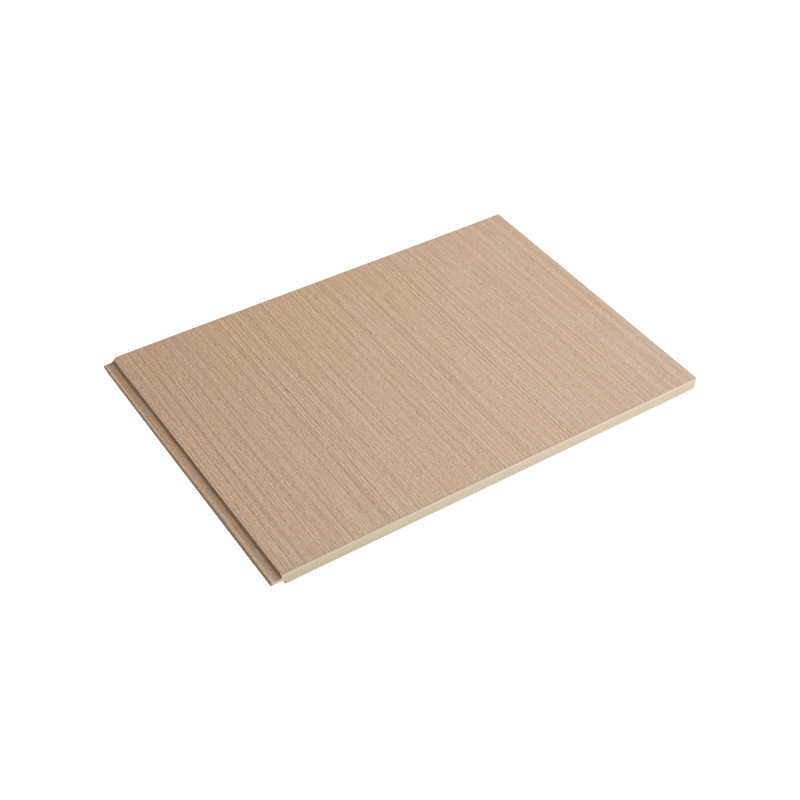
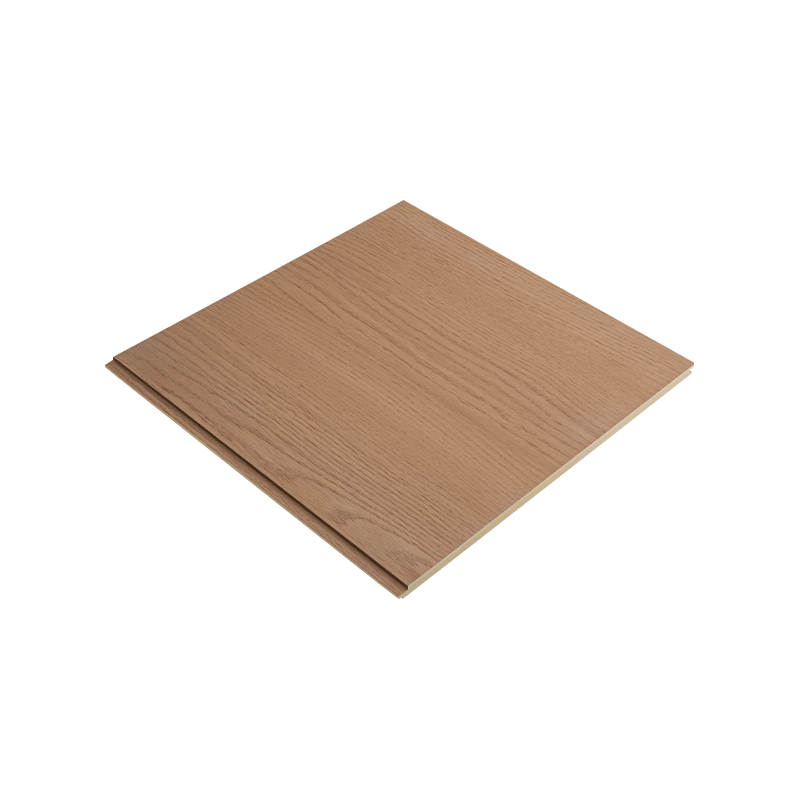
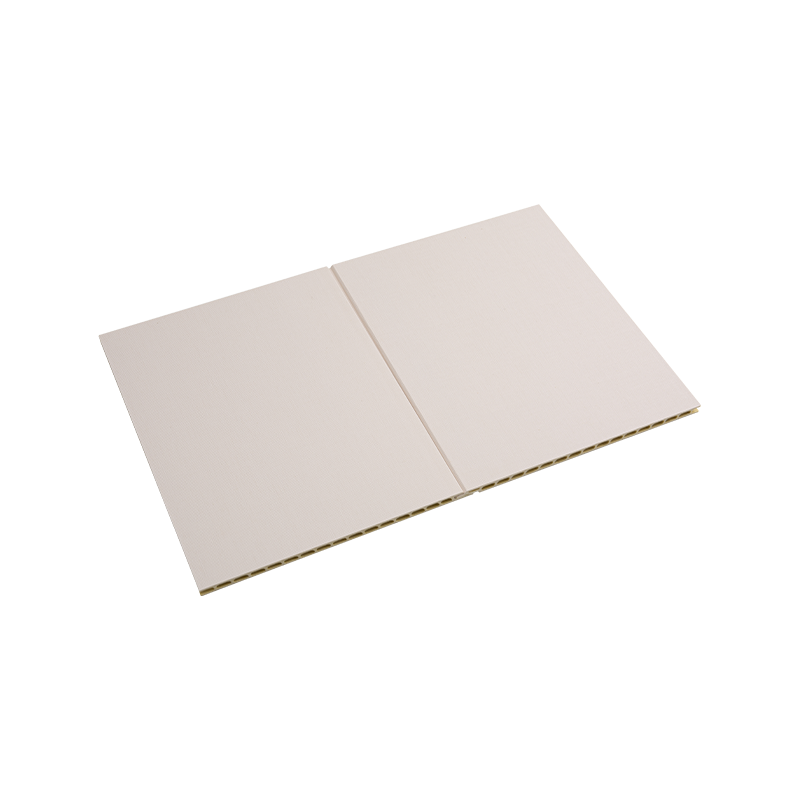
An integrated wall panel is a factory-fabricated, multi-layered interior covering system. Instead of applying separate drywall, primer, paint, and decorative elements on-site, the manufacturer compresses these stages into a single board. A standard integrated panel often features a high-density substrate core for impact resistance, a layer of thermal or acoustic insulation, and a pre-finished exterior surface that mimics natural wood, stone, or abstract designs. The defining characteristic is the tongue-and-groove interlocking mechanism on the edges, which allows the panels to snap together seamlessly, hiding fasteners and eliminating the need for joint compound or taping.
What Are Wall Claddings?
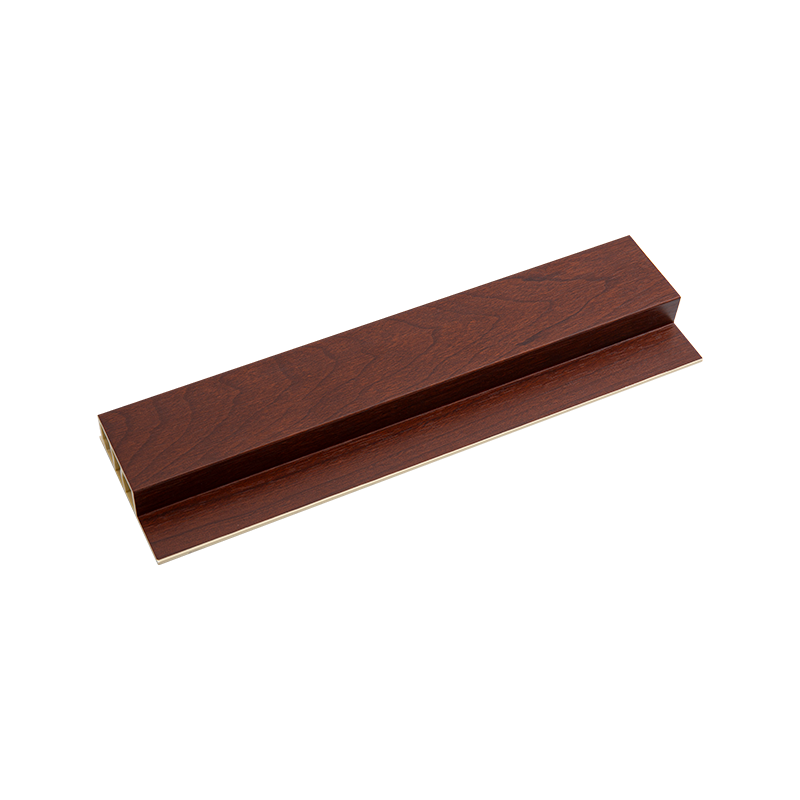
Wall cladding refers to any non-structural material applied to the exterior or interior of a building to provide a protective skin. Claddings act as a shield against weather, moisture, and physical wear while contributing to the building's architectural style. Unlike integrated panels, claddings are typically single-material components—such as individual timber boards, metal sheets, ceramic tiles, or composite planks—that are installed over a separate structural backing or framing system. The cladding itself does not usually include integrated insulation or a pre-finished edge system; it relies on the underlying wall structure and supplementary materials to create a complete building envelope.
Material Differences and Manufacturing Realities
The raw materials utilized in these two systems highlight their divergent intended purposes. Integrated wall panels are predominantly composed of engineered composites designed for indoor stability, whereas wall claddings utilize a broader spectrum of materials built to withstand extreme environmental fluctuations.
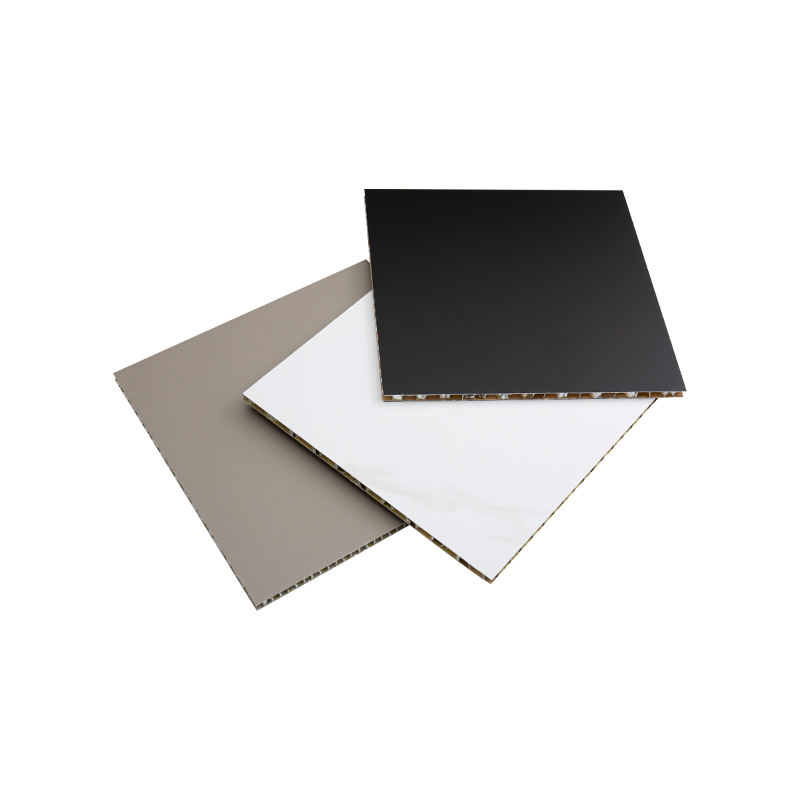
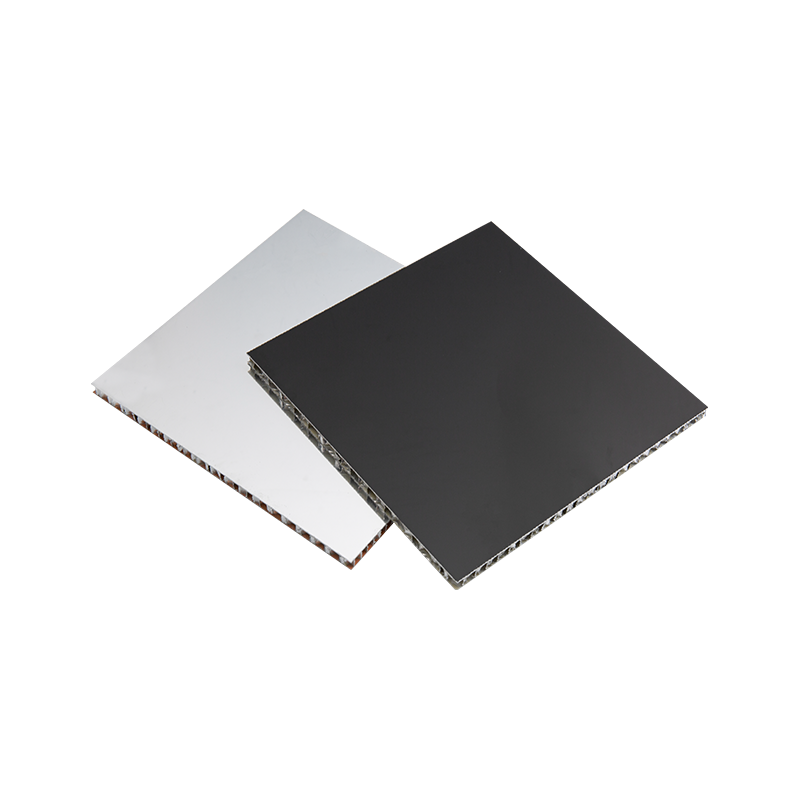
Integrated wall panels frequently utilize aluminum honeycomb cores, polyurethane foam, or mineral-filled polymers. These materials are chosen specifically for their lightweight properties and dimensional stability in climate-controlled indoor environments. The surface layer is typically a high-resolution UV-printed film or a wear-resistant PVC overlay, which provides the desired aesthetic without the porosity of natural materials.
Wall claddings, conversely, must endure thermal expansion, UV radiation, freeze-thaw cycles, and direct moisture exposure. Therefore, claddings are manufactured from solid hardwoods, treated softwoods, fiber cement, natural stone slabs, or architectural metals like zinc and copper. Because these materials are natural or heavily mineral-based, they expand and contract at different rates, which directly influences how they must be installed and fastened to the building.
| Feature | Integrated Wall Panel | Wall Cladding |
|---|---|---|
| Core Composition | Honeycomb, Foam, Polymer | Solid Wood, Cement, Metal |
| Surface Finish | Factory-applied Film or Laminate | Natural Material Grain or Paint |
| Primary Environment | Interior Only | Exterior and Interior |
| Structural Complexity | Multi-layered Single Unit | Single-layer Over Framework |
Installation Processes and Labor Requirements
The most tangible difference between these two systems becomes apparent during the construction phase. The installation methodology dictates not only the project timeline but also the required skill level of the labor force and the disruption caused to the building's occupants.
The Streamlined Approach of Integrated Panels
Installing integrated wall panels is conceptually similar to assembling a large puzzle. Because the panels arrive pre-finished, the on-site work is restricted to measuring, cutting the panels to fit around obstacles like windows or electrical outlets, and attaching them to the wall. The interlocking edges allow installers to simply slide one panel into the next. This process generates very little dust and debris. In a standard-sized residential living room, a two-person crew can often complete the wall surfacing in a single day. Furthermore, because there is no wet work involved—such as mudding, taping, or painting—the room can typically be returned to use immediately after installation.
The Layered Complexity of Wall Claddings
Installing wall claddings is a multi-stage trade process. For exterior claddings, the sequence usually begins with applying a weather-resistant barrier over the structural sheathing. Next, installers must attach a ventilated rain-screen framing lattice, ensuring precise vertical alignment and spacing to allow for drainage and thermal expansion. Only after this framework is perfectly leveled are the individual cladding boards or sheets attached using specialized clips, screws, or hidden fasteners. If the cladding is wood, a subsequent stage of staining or sealing is often required. This process demands highly skilled carpenters and can take several weeks for a full residential facade. Interior claddings follow a similar, though less weather-proofing-intensive, multi-layer process that still requires significant drywall preparation underneath.
Performance in Moisture and Thermal Environments
Building envelope performance is heavily dependent on how surface materials interact with temperature differentials and moisture. The contrasting architectures of integrated panels and wall claddings result in distinctly different performance profiles.
Integrated wall panels generally perform well in interior environments where humidity is controlled. Many high-quality integrated panels feature a waterproof core, making them excellent choices for bathrooms and kitchens where splashing occurs. However, because they are installed as a monolithic layer directly against the wall, they do not create a ventilated air gap. If a concealed plumbing leak occurs behind an integrated panel, the moisture can become trapped against the structural wall, potentially leading to hidden rot or mold growth that is difficult to detect until significant damage has occurred.
Wall claddings, particularly exterior systems, are explicitly designed to manage moisture through ventilation. The gap between the cladding and the weather-resistant barrier creates a pressure-equalized chamber. This allows any wind-driven rain that penetrates the joints to drain away immediately, and it permits any interior moisture migrating outward to dry safely into the air stream. This ventilated cavity design makes traditional wall claddings inherently more forgiving and resilient against long-term moisture infiltration compared to the direct-fix nature of integrated panels. Thermally, exterior claddings also contribute to solar shading and prevent the structural wall from absorbing direct heat, whereas integrated interior panels rely purely on their insulating core thickness to slow heat transfer.
Maintenance, Repairability, and Lifespan Considerations
Long-term operational costs are dictated by how a surface material ages and how easily it can be repaired when localized damage occurs. This is an area where the all-in-one nature of integrated panels presents both unique advantages and notable drawbacks.
Maintaining Integrated Wall Panels
The factory-applied surface of an integrated wall panel is highly resistant to staining, fading, and scratching under normal indoor use. Cleaning requires nothing more than a damp cloth and mild detergent; there is no need for periodic repainting or resealing. This results in exceptionally low routine maintenance costs. However, if a panel is severely impacted and punctured, it cannot be patched in the traditional sense. Because the decorative finish cannot be perfectly color-matched on-site, the entire damaged panel must be removed and replaced. Removing a single interlocking panel without damaging its neighbors requires patience and specific techniques, making spot repairs more disruptive than they initially appear.
Maintaining Wall Claddings
Wall claddings demand ongoing maintenance to preserve their appearance and structural integrity. Wood claddings must be inspected for rot, re-stained, or repainted every few years depending on the local climate. Fiber cement may require repainting to prevent surface degradation, and metal claddings need inspections for fastener corrosion or sealant failures. Despite this higher maintenance burden, claddings excel in repairability. If a section of wood cladding is damaged, a skilled carpenter can easily remove the affected boards, replace them with matching material, and blend the repair into the surrounding area without disturbing the rest of the wall. While integrated wall panels win on routine cleaning effort, traditional wall claddings are significantly more economical and practical when it comes to localized structural repairs.
Optimal Application Scenarios for Each System
Rather than viewing these materials as direct competitors, construction professionals recognize them as specialized tools suited for different architectural challenges. Selecting the wrong system for a specific application will inevitably lead to premature failure or excessive costs.
When to Specify Integrated Wall Panels
- Fast-tracked commercial renovations such as hotel lobbies, retail spaces, or office interiors where closing the space for extended periods results in significant revenue loss.
- Residential interiors where homeowners want to upgrade from dated drywall or wallpaper to a modern, high-end aesthetic without the mess of drywall sanding and painting.
- Wet zones inside the home, including bathrooms and kitchen splashbacks, where waterproof paneling provides a hygienic, grout-free alternative to ceramic tiles.
- Spaces requiring enhanced acoustic attenuation, such as home theaters or conference rooms, as the insulated core of the panels helps dampen sound transmission.
When to Specify Wall Claddings
- Exterior building facades where the material must act as a primary weather-resistant barrier against rain, wind, and ultraviolet degradation.
- Architectural projects demanding authentic materiality, such as natural grain patterns, the natural weathering of untreated timber, or the heavy mass of real stone.
- Regions with high seismic activity, where the flexible, multi-point fastening systems of claddings allow the building envelope to move without catastrophic cracking.
- Historical renovations where modern composite panels would violate heritage preservation guidelines, necessitating the use of traditional solid materials.
Cost Dynamics Beyond Initial Material Pricing
A common mistake in project planning is comparing the raw material cost per square foot of integrated wall panels against the material cost of wall claddings. This narrow view ignores the total installed cost, which is the only metric that matters for budgeting purposes.
Integrated wall panels generally carry a higher initial material price per unit area because the manufacturing process incorporates multiple layers and a finished surface. However, this higher material cost is almost always offset by drastically lower labor expenditures. Because the installation is rapid, requires fewer specialized trades, and eliminates the need for painters and drywall finishers, the total installed cost of an integrated panel system is frequently lower than a traditional cladding system in interior applications.
Wall claddings often appear cheaper on a per-unit basis, particularly when utilizing standard materials like vinyl or basic treated wood. But when the necessary supporting infrastructure—weather barriers, furring strips, fasteners, caulking, and the labor to coordinate these trades—is factored into the equation, the total cost escalates significantly. Over a lifespan of several decades, the accumulated cost of maintaining and refinishing exterior claddings will further widen the financial gap between the two systems. Ultimately, integrated wall panels represent a high-material-cost, low-labor-cost investment, whereas wall claddings represent a low-material-cost, high-labor-and-maintenance-cost investment.
Environmental Impact and Sustainability Factors
As environmental regulations tighten and building codes increasingly demand sustainable practices, the ecological footprint of surface materials has moved to the forefront of architectural decision-making. Both integrated wall panels and wall claddings present unique environmental profiles that must be carefully evaluated.
Integrated wall panels pose a distinct end-of-life challenge. Because they are composite materials—bonding polymers, metals, and laminates together—they are exceptionally difficult to recycle through standard municipal or industrial processes. Separating the aluminum honeycomb from the plastic laminate is rarely economically viable, meaning most removed panels ultimately end up in landfills. However, their factory-controlled manufacturing process generates very little on-site construction waste, and their lightweight nature reduces the carbon emissions associated with transportation.
Wall claddings generally score higher on end-of-life recyclability. Natural timber claddings are biodegradable and can even be repurposed as biomass fuel at the end of their service life. Metals like aluminum and steel used in claddings are infinitely recyclable without a loss of quality. Fiber cement, while more challenging to recycle, has a significantly longer lifespan, delaying its entry into the waste stream. The environmental drawback of claddings lies in their sourcing. Extracting natural stone, harvesting hardwood timber, or manufacturing Portland cement for fiber cement are all highly energy-intensive processes that can cause significant habitat disruption and carbon emissions at the point of origin. Therefore, the environmental superiority of one system over the other depends entirely on whether one prioritizes minimizing on-site waste and transport emissions or prioritizing end-of-life recyclability and the use of natural, non-toxic materials.
Conclusion: Aligning Material Selection with Project Realities
The decision between utilizing integrated wall panels and traditional wall claddings should never be based on aesthetic preference alone. It requires a pragmatic assessment of the project's physical environment, timeline constraints, structural requirements, and long-term operational budget. Integrated wall panels are an architectural shortcut for interior spaces, offering an unmatched combination of speed, cleanliness, and low maintenance by sacrificing repairability and end-of-life recyclability. They are the definitive choice for interior renovations where downtime equals lost revenue. Wall claddings remain the uncompromising standard for building exteriors and historically sensitive interiors, offering superior moisture management, authentic material presence, and ease of repair, provided the project can accommodate the extended timeline, higher labor costs, and ongoing maintenance regime. By thoroughly understanding these functional distinctions, architects and builders can ensure they are deploying the right material system for the right architectural challenge, resulting in durable, efficient, and successful building envelopes.