 English
 عربى
عربى русский
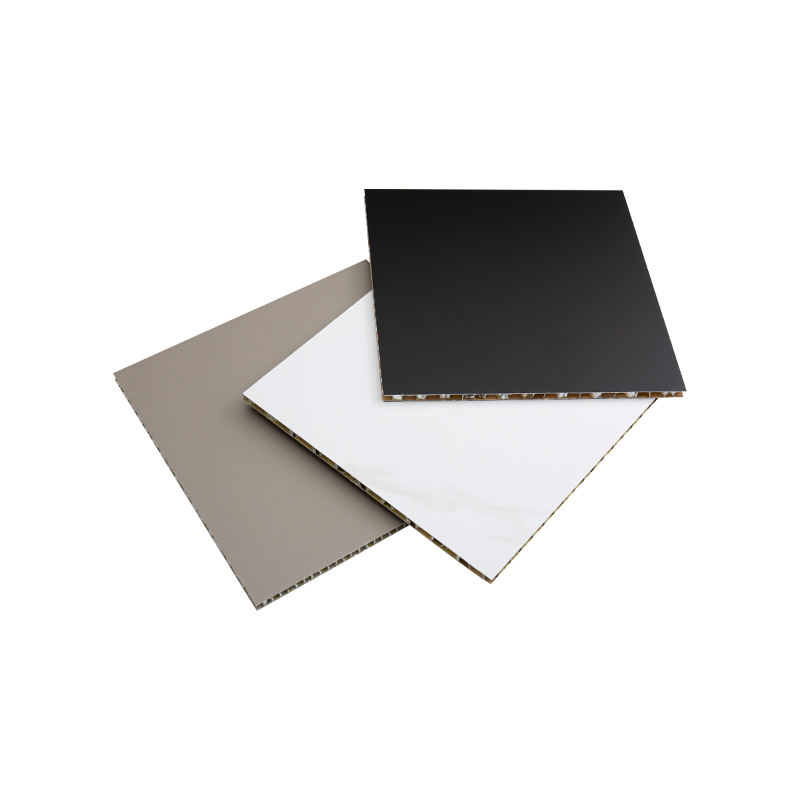
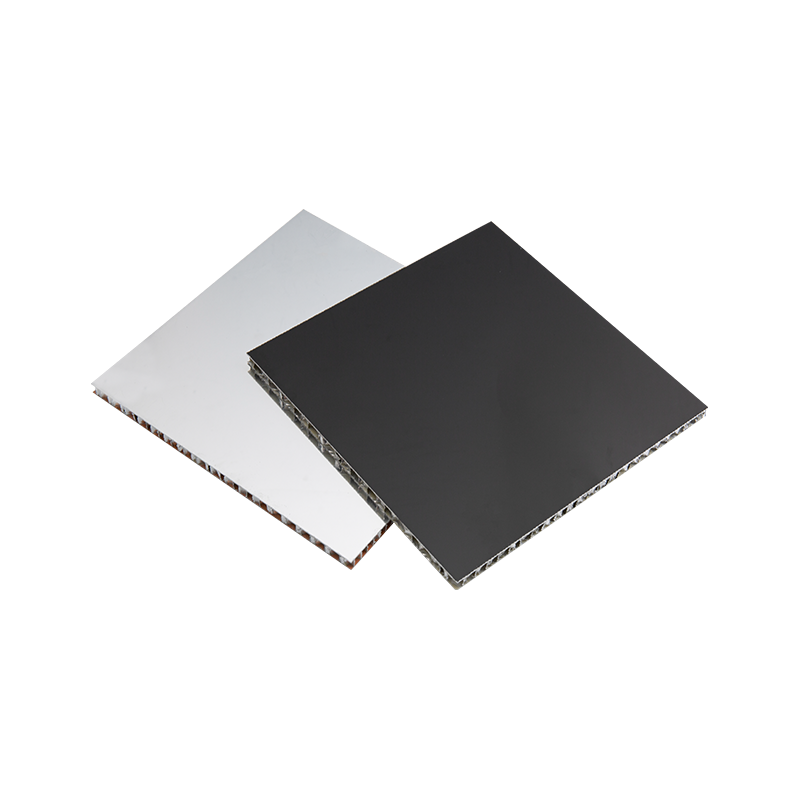
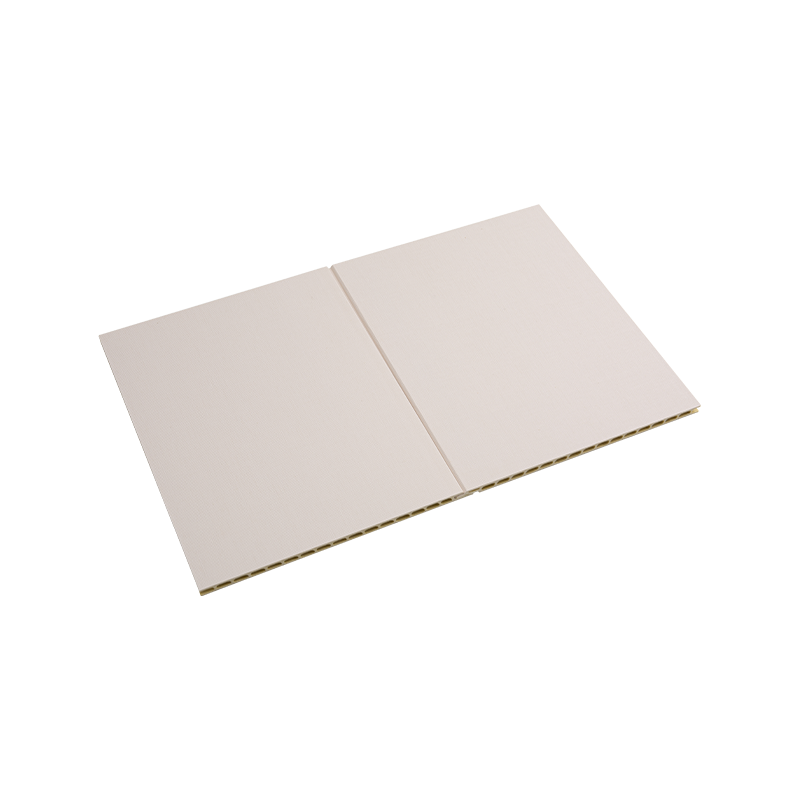
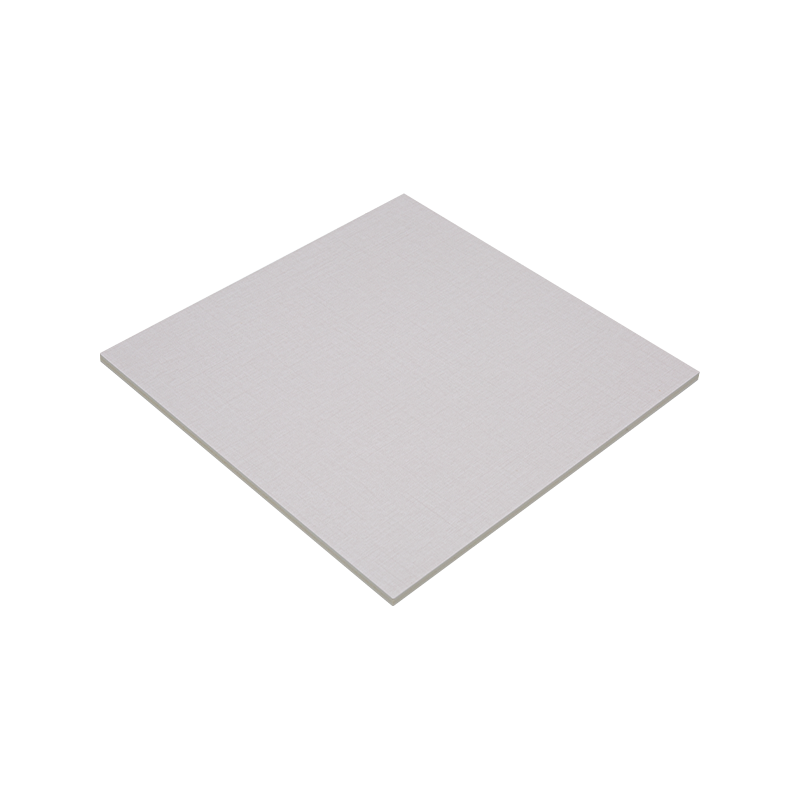
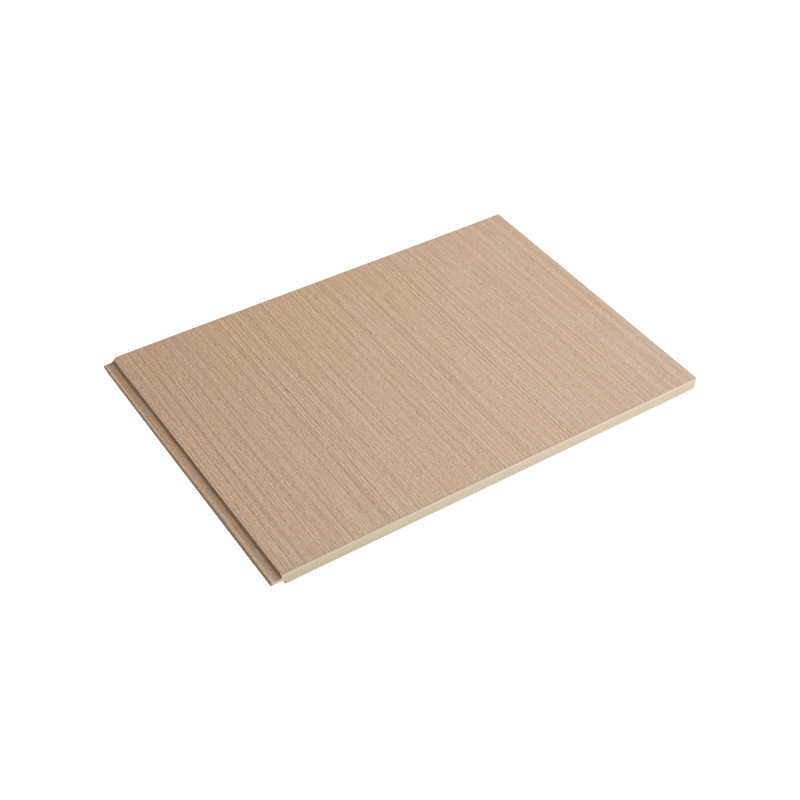
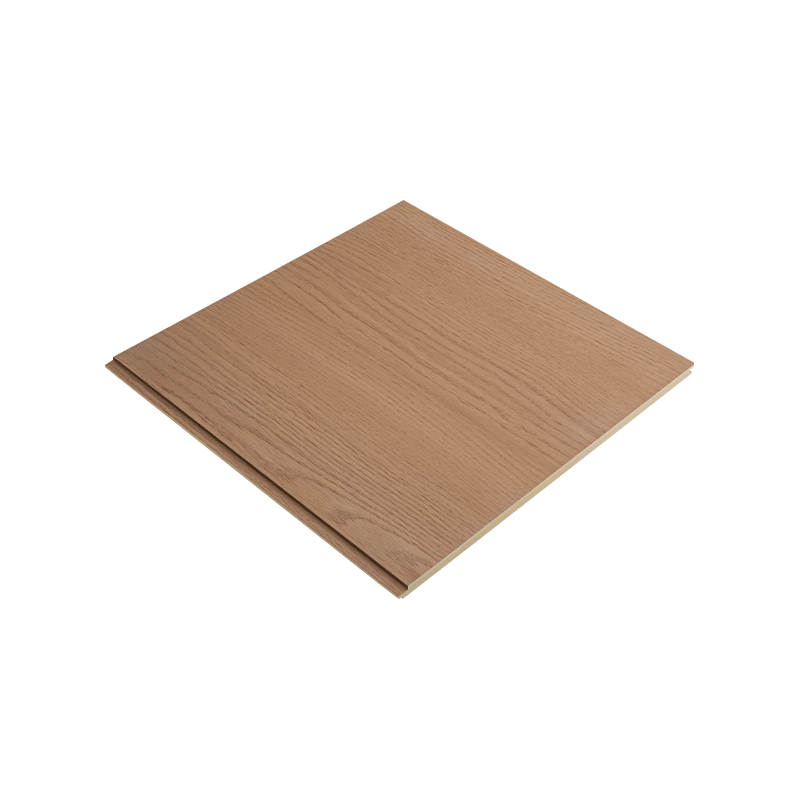
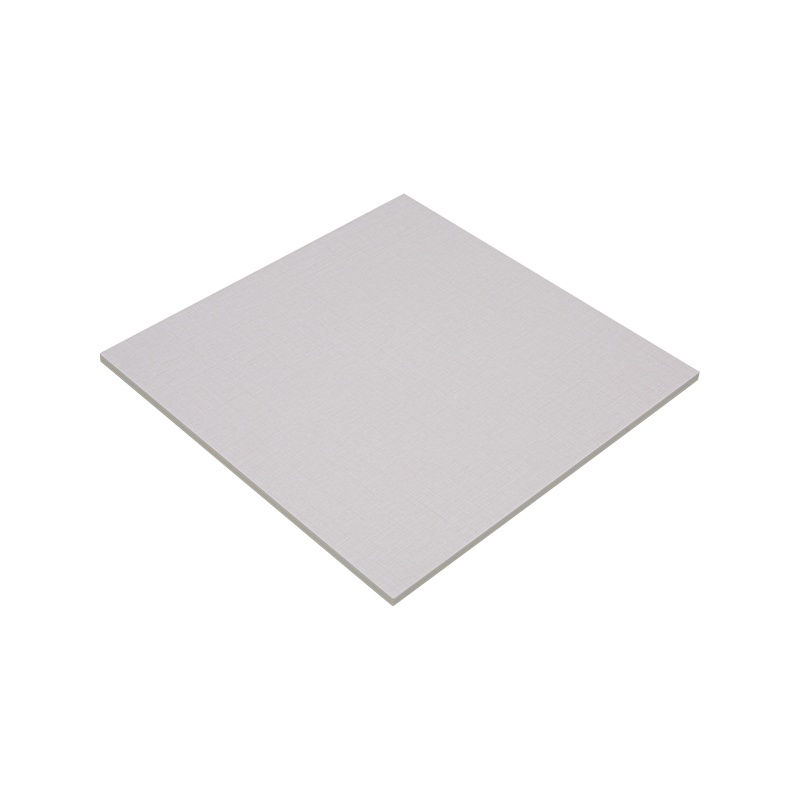
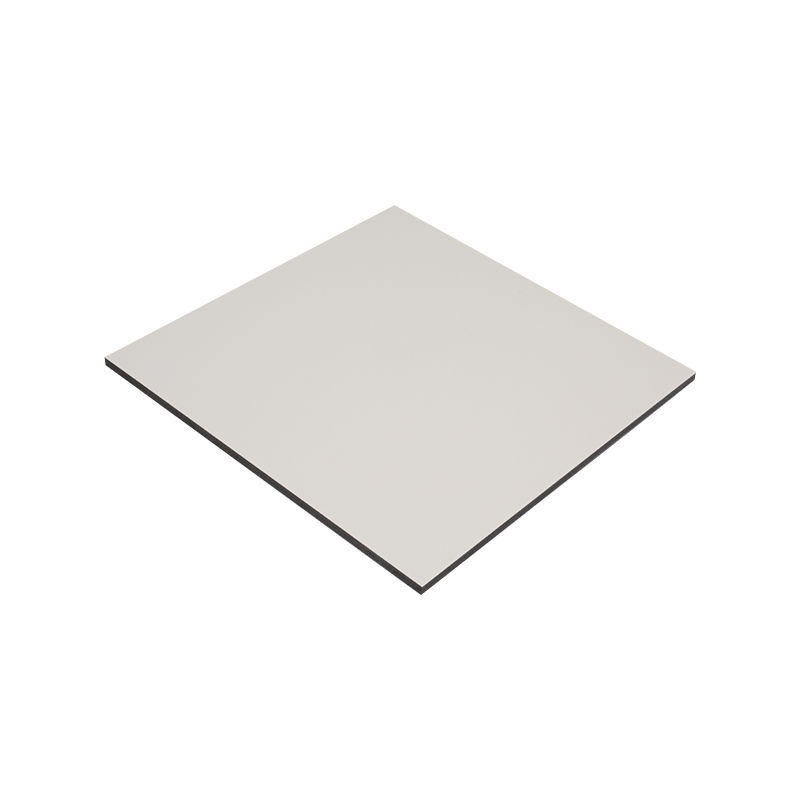
Integrated wall panel is a highly practical interior wall decoration material that integrates environmental protection, heat insulation, sound absorption, moisture resistance and convenient construction. It can directly cover original walls without complicated base treatment, greatly shortens the construction period, reduces on-site pollution, and meets the decoration needs of most residential and commercial spaces. Compared with traditional paint, wallpaper and stone, it has more stable performance and longer service life, and has become one of the mainstream choices for modern interior wall decoration.
Main Material Categories of Integrated Wall Panels
The performance and applicable scenes of integrated wall panels are largely determined by their base materials. Different raw materials lead to differences in hardness, moisture resistance, environmental protection level and price, so it is crucial to select suitable materials according to actual needs.
Wood Plastic Composite Panels
Wood plastic composite is one of the most widely used materials for integrated wall panels. It is made by mixing wood fiber and polymer resin through high-temperature extrusion. This material has excellent moisture-proof and mildew-proof properties, and is not easy to deform or crack in humid environments. It is widely used in bathrooms, kitchens, balconies and other spaces with high humidity. In addition, its surface can simulate wood grain, stone grain and other textures, with strong decorative effects, and the cost is relatively moderate, which is accepted by most consumers.
Bamboo Charcoal Fiber Panels
Bamboo charcoal fiber integrated wall panel is an upgraded environmental protection material, which adds bamboo charcoal powder in the production process. It has stronger adsorption capacity, can reduce part of harmful gases in the air, and has better environmental protection performance. Its formaldehyde emission is far lower than the standard limit, making it very suitable for bedrooms, children's rooms and other spaces that require high air quality. This material is lighter in weight, easier to construct, and has good toughness, not easy to break during transportation and installation.
Aluminum Composite Panels
Aluminum-based integrated wall panels are mostly used in commercial spaces with high fire protection requirements. They have good fire resistance, heat insulation and metal texture, and are resistant to scratching and impact. However, their cost is relatively high, and the metal texture is not suitable for all home styles, so they are less used in ordinary home decoration. They are more common in office buildings, shopping malls, hotels and other public places.
Stone Plastic Composite Panels
Stone plastic composite integrated wall panels take stone powder as the main raw material, with high density and good sound insulation effect. They have strong stability, are not affected by temperature and humidity changes, and have a long service life. Their surface can imitate natural stone effects, with high simulation degree, and can replace part of natural stone applications, reducing decoration costs and weight burden on the building structure.
Practical Performance Advantages of Integrated Wall Panels
The rapid popularity of integrated wall panels in the decoration industry is closely related to their comprehensive performance advantages. These advantages solve many pain points of traditional wall decoration materials and bring a better experience for users.
Convenient and Fast Construction
Traditional wall decoration usually requires multiple processes such as wall leveling, putty scraping, primer painting and top coating, which takes a long time and produces a lot of dust and glue odor. Integrated wall panels adopt a modular installation method, which can be directly spliced and installed on the original wall without complex base treatment. Generally, a set of ordinary house can complete the wall construction in a few days, greatly shortening the overall decoration period. This advantage is particularly obvious in old house renovation, as it can reduce the trouble of on-site construction and quickly complete wall renewal.
Moisture-Proof and Mildew-Proof Properties
In southern regions or humid seasons, walls are prone to moisture, mildew, peeling and blistering, which seriously affects the appearance and service life. Integrated wall panels have dense material structures and good airtightness after installation, which can effectively block the penetration of moisture. Many types of panels can maintain stable performance in long-term humid environments without mildew or deformation. This makes them ideal for bathrooms, kitchens, underground spaces and other areas where traditional wallpaper and paint are difficult to adapt to.
Sound Insulation and Noise Reduction
The internal structure of integrated wall panels has a certain sound absorption effect, which can weaken the transmission of air noise. Tests show that the sound insulation effect of qualified integrated wall panels is significantly better than that of ordinary paint walls. Installing them in bedrooms, study rooms and other spaces can reduce external noise interference and create a quieter indoor environment. This is very practical for families living on busy roads or with high rest requirements.
Environmental Protection and Health
Formaldehyde and other harmful gases are the biggest hidden dangers in traditional decoration. High-quality integrated wall panels use environmental protection raw materials and do not add harmful adhesives during installation, basically achieving zero formaldehyde emission during use. After installation, there is no irritating odor, and the room can be used directly without long-term ventilation. This is a crucial advantage for families with pregnant women, children and the elderly.
Easy Cleaning and Maintenance
The surface of integrated wall panels is smooth and dense, with good stain resistance. Daily stains can be easily wiped off with a damp cloth, and oil stains in kitchens can also be cleaned without leaving traces. Unlike wallpaper, which is easy to absorb oil and get dirty, or paint walls which are difficult to repair after smudging, integrated wall panels can keep the wall clean for a long time with simple maintenance. The service life of well-maintained panels can reach more than ten years, greatly reducing the frequency of secondary decoration.
Standard Installation Process of Integrated Wall Panels
Although integrated wall panels are easy to install, standard construction steps are still required to ensure flatness, firmness and aesthetics. Non-standard installation may lead to gaps, warping and other problems, affecting the use effect.
Early Wall Preparation
Before installation, the original wall needs to be simply sorted out. Remove protruding debris, fill large cracks, and keep the wall basically flat and dry. There is no need to make a detailed putty layer, which saves a lot of working hours. At the same time, mark the positions of sockets, switches and pipelines to avoid damage during installation.
Installation of Keel or Direct Paste
According to the wall condition and panel type, two installation methods can be selected. For slightly uneven walls, light keels can be installed first to form a stable base; for flat walls, panels can be directly pasted with special structural glue or fixed with buckles. The buckle splicing design makes the panels closely connected without obvious gaps, ensuring the overall aesthetic effect.
Cutting and Splicing of Panels
According to the actual size of the wall, panels are cut with professional cutting tools to ensure accurate size matching. During splicing, pay attention to the consistency of texture and pattern, especially for wood grain and stone grain panels, to maintain the integrity of the overall pattern. The corner parts are treated with special corner parts, which are firmer and more beautiful than on-site cutting.
Edge Closing and Final Inspection
After the main panels are installed, edge closing strips are installed at the joints of walls, ground and ceiling to cover gaps and enhance the three-dimensional sense. Finally, check the firmness of each panel, flatness of the wall surface and normal use of sockets and switches. The whole construction process is dry operation, no water and dust pollution, and the site is kept clean and tidy.
Comparison Between Integrated Wall Panels and Traditional Decoration Materials
To more intuitively reflect the advantages of integrated wall panels, we compare them with several common traditional wall decoration materials from multiple dimensions.
| Material Type | Construction Period | Moisture Resistance | Environmental Protection | Maintenance Difficulty |
|---|---|---|---|---|
| Integrated Wall Panel | Short | Excellent | High | Easy |
| Latex Paint | Long | Poor | Medium | Difficult |
| Wallpaper | Medium | Medium | Low | Easy to Damage |
| Ceramic Tile | Long | Excellent | High | Heavy Weight |
From the table, it can be seen that integrated wall panels have obvious comprehensive advantages. Although ceramic tiles also have good moisture resistance, they are heavy in weight, complex in construction and high in cost. Latex paint and wallpaper are cheap but poor in durability and environmental protection. Integrated wall panels balance performance, cost and construction efficiency, making them more suitable for modern decoration needs.
Application Scenarios of Integrated Wall Panels
Integrated wall panels have strong adaptability and can be used in various indoor spaces, with different application focuses in different scenarios.
Residential Spaces
- Bedrooms: Use bamboo charcoal fiber panels with good environmental protection and sound insulation to create a quiet and healthy rest environment.
- Kitchens and Bathrooms: Choose wood plastic or stone plastic panels with strong moisture resistance and oil resistance to replace traditional tiles and wallpaper.
- Living Rooms: Select panels with rich textures to match different decoration styles such as modern, Chinese and light luxury, enhancing the overall decorative effect.
- Old House Renovation: Directly cover old walls, reduce construction time and pollution, and quickly update the indoor environment.
Commercial Spaces
- Hotels and Homestays: Shorten the decoration cycle, achieve rapid opening, and provide guests with a healthy and odorless living environment.
- Offices: Use panels with good sound insulation to improve office comfort and reduce noise interference between areas.
- Shopping Malls and Stores: Choose wear-resistant and easy-to-clean panels to adapt to high-frequency use environments and maintain a neat appearance.
Selection and Purchase Tips for Integrated Wall Panels
The quality of integrated wall panels on the market varies greatly. Choosing high-quality products can ensure use safety and service life. The following practical tips can help consumers make reasonable choices.
Check Environmental Protection Indicators
Prioritize products with clear environmental protection test reports. High-quality panels should have no pungent odor when touched closely; if there is a strong chemical smell, it may contain harmful substances and should be avoided. Especially for home use, environmental performance is the primary consideration.
Test Material Hardness and Toughness
Press the panel surface with your fingers to check for obvious depressions. Qualified panels have high density and good hardness. At the same time, slightly bend the corner of the panel to test its toughness. Good materials will not break easily, while poor-quality brittle materials are prone to damage during transportation and installation.
Observe Surface Craftsmanship
The surface of high-quality integrated wall panels has clear texture, uniform color, no bubbles, scratches or color differences. The film and base material are closely combined and not easy to peel off. Poor surface craftsmanship will affect the decorative effect and service life, and may fade or peel off after long-term use.
Confirm Matching Accessories
Complete accessories such as corner pieces, edge closing strips and buckles are crucial for installation quality. Matching accessories with good quality can ensure tight splicing and firm fixation. Inferior accessories may lead to loose panels and large gaps in later use.
Daily Maintenance and Precautions for Integrated Wall Panels
Reasonable maintenance can extend the service life of integrated wall panels and maintain good decorative effects. Although maintenance is simple, some details still need attention.
Daily cleaning can be done with a soft cloth or sponge dipped in clean water. For oil stains and stubborn dirt, neutral detergent can be used, and then wiped clean with water. Avoid using strong acid or alkaline cleaning agents to prevent corrosion damage to the panel surface. Do not use hard brushes or blades to scrape the wall surface, so as not to leave scratches.
Avoid heavy impact on the wall surface, especially sharp objects, to prevent breaking or denting the panels. In spaces with large temperature differences, the panels have certain thermal expansion and contraction properties, and reserved expansion joints during installation can avoid deformation problems. For panels installed in humid environments, proper ventilation can further reduce moisture accumulation and maintain stable performance.
If individual panels are damaged, they can be replaced independently without dismantling the entire wall, which is convenient and economical. This maintenance flexibility is difficult to achieve with traditional decoration materials, reflecting the practicality of integrated wall panels.