 English
 عربى
عربى русский
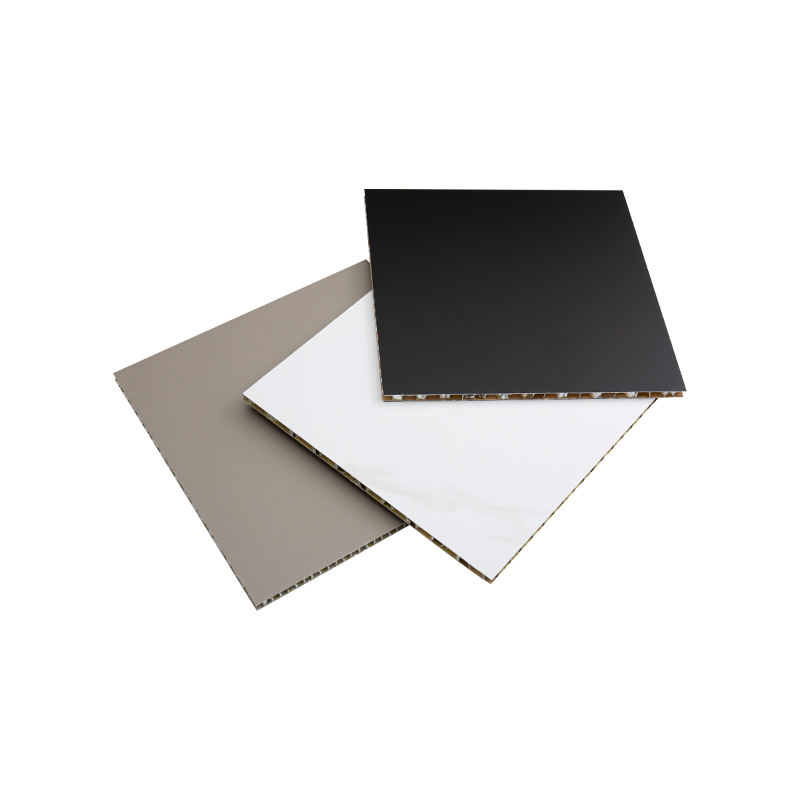
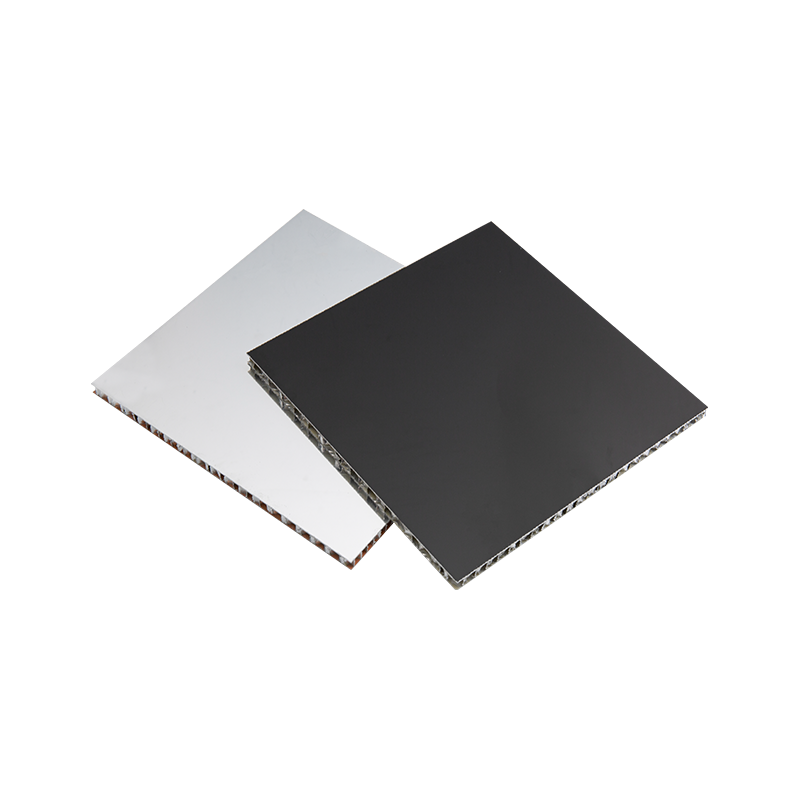
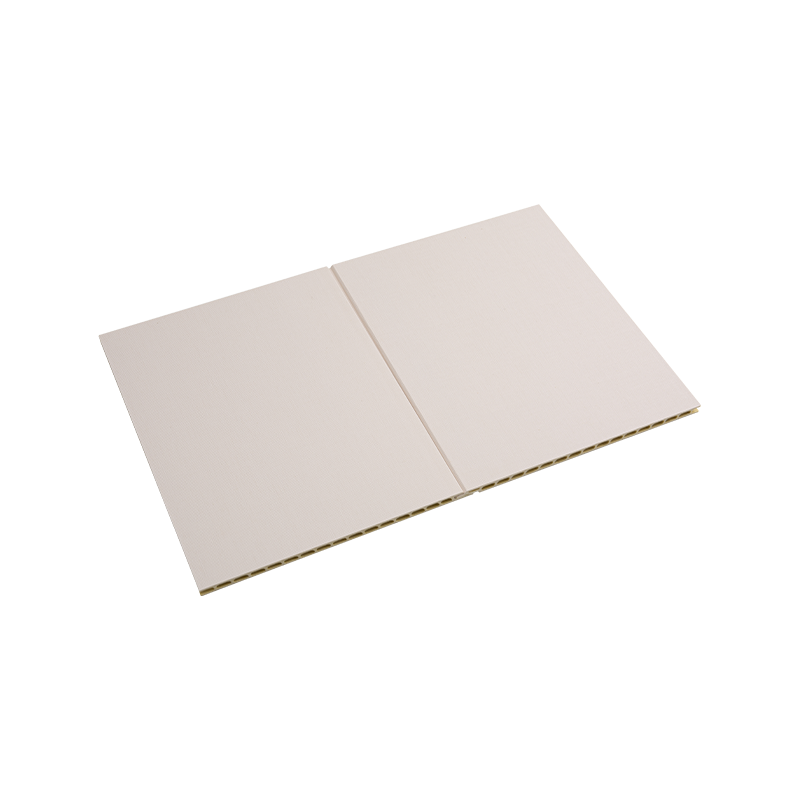

When specifying WPC wall panels, one of the first practical decisions is whether to use solid or hollow construction. Both are manufactured from the same wood-plastic composite material and are available in comparable surface finishes and sizes — but their internal structure creates meaningful differences in weight, mechanical performance, thermal and acoustic behaviour, and suitability for different installation contexts. Understanding which type is right for a given application avoids both overspecification (paying for solid panel strength in applications that don't need it) and underspecification (installing hollow panels in locations where solid panel robustness is required).
What Is the Structural Difference Between Solid and Hollow WPC Wall Panels?
A WPC solid wall panel is dense throughout — the composite material fills the full cross-section of the panel without internal voids. The panel's cross-section, if cut transversely, would show uniform WPC material from face to face. This solid construction gives the panel maximum density, weight, hardness, and surface impact resistance.
A WPC hollow wall panel uses the same face material but has a series of longitudinal channels — typically square, rectangular, or trapezoidal in cross-section — running through the panel's interior. These channels reduce the total material in the panel, which reduces weight and material cost, while the remaining cell walls between channels maintain the structural integrity of the panel under normal wall loading. The channels also create air pockets within the panel, which significantly affect its thermal and acoustic properties relative to the solid equivalent.
The hollow structure is formed during the extrusion process by the die design — the channels are produced as part of the continuous extrusion rather than being added afterwards. Modern hollow WPC panel extrusion achieves high-quality, dimensionally consistent internal geometry that maintains the face sheet thickness and surface quality at the same level as solid panels.
WPC Solid vs Hollow Wall Panels: Direct Comparison
| Feature | WPC Solid Wall Panel | WPC Hollow Wall Panel |
|---|---|---|
| Internal structure | Dense throughout — no voids | Longitudinal internal channels reduce mass |
| Weight | Heavier — typically 8–15 kg/m² | Lighter — typically 4–8 kg/m² |
| Surface hardness | Higher — solid backing supports face under impact | Moderate — face sheet supported only at cell walls |
| Impact resistance | Excellent — solid core absorbs and distributes impact | Good — can dent or crack in localised high-impact zones |
| Screw/fastener holding | Excellent — screws grip uniformly anywhere in the panel | Moderate — screws must hit cell walls for good grip; avoid voids |
| Thermal insulation | Moderate — solid material conducts heat | Good — air cavities provide insulation break |
| Acoustic insulation | Good — mass provides sound blocking (STC) | Better overall — combination of mass and air cavity absorption |
| Sound absorption | Limited — dense surface reflects sound | Better — hollow structure absorbs some mid-frequency sound energy |
| Cutting and machining | Straightforward — cuts consistently throughout | Requires care at cut ends — channels exposed at cut edges |
| Material cost | Higher — more material per panel | Lower — less material for equivalent dimensions |
| Installation ease | Heavier to handle; easier to fix anywhere | Lighter — easier to manoeuvre; fixings require more care |
| Best applications | High-traffic areas, commercial spaces, feature walls, and wet rooms | Residential living rooms, bedrooms, office interiors, and corridor walls |
When to Choose WPC Solid Wall Panels
High-Traffic Commercial Areas
In commercial environments where walls are regularly contacted — hotel corridors, retail changing rooms, healthcare facility walls, school interiors, restaurant and bar areas — solid WPC wall panels are the appropriate specification. The solid core distributes impact energy across a larger area, preventing the localised surface deflection or denting that hollow panels can show when struck by furniture, trolleys, or luggage in high-traffic routes. For hotel corridors specifically, where suitcase and trolley contact with walls is a daily occurrence, solid WPC panels maintain their appearance significantly better than hollow equivalents over the property's operating life.
Wet Rooms and Shower Enclosures
In bathrooms, shower areas, and wet rooms where the panel surface is regularly exposed to water, steam, and cleaning products, solid WPC panels provide more consistent edge-sealing performance. The cut edges of hollow panels expose the internal channel structure, which requires careful silicone sealing to prevent moisture ingress into the hollow channels — moisture trapped in hollow channels cannot escape and may cause issues in extreme cases. Solid panels have no internal voids for moisture to enter, which simplifies wet room edge detailing and reduces the risk of long-term moisture-related problems at panel junctions.
Feature Walls and Areas Requiring Surface Fixtures
When fixtures must be attached directly to the WPC panel surface — wall-mounted shelving, picture hanging systems, towel rails, mirror brackets — solid panels provide consistent screw grip at any location across the panel face. Hollow panels require fixings to land on cell walls rather than above hollow channels; in practice, this requires either pre-planning fixing locations around the hollow geometry or using toggle anchors designed for hollow panel applications. For applications with unpredictable future fixing requirements, solid panels simplify the installation and allow fixture positions to be adjusted freely.
When to Choose WPC Hollow Wall Panels
Residential Living Rooms and Bedrooms
For residential wall applications in living areas, bedrooms, and home offices — where impact loading is low, fixture requirements are modest, and thermal comfort and acoustic quality are priorities — hollow WPC wall panels deliver better performance than solid panels at lower cost and weight. The air cavities within hollow panels reduce thermal bridging at the wall surface, which contributes to the warmth that makes a room feel comfortable rather than cold. The hollow structure also absorbs more sound energy than an equivalent solid panel, reducing the flutter echo and reverberation that can affect acoustic comfort in hard-surfaced rooms.
Lightweight Construction and Renovation on Existing Walls
In renovation projects where the existing wall structure has limited load-bearing capacity — older buildings, lightweight partition walls, wall areas with existing tile or plaster that cannot be removed — the lower weight of hollow WPC panels reduces the cumulative load on the substrate. A full wall coverage in solid WPC (12 kg/m²) adds approximately 120 kg to a 10 m² wall; hollow WPC (6 kg/m²) adds only 60 kg. For renovation projects where structural assessment has identified load limitations, or where the panel installation is being carried out over existing materials without substrate reinforcement, hollow panels are the structurally safer specification.
Large-Area Wall Installations Requiring Fast, Easy Handling
In large commercial fit-out projects where installers are placing panels continuously over large wall areas — hotel room banks, apartment building corridor programs, office interior projects — the lighter weight of hollow panels reduces installer fatigue significantly and speeds up the installation rate. A solid panel at 12 kg/m² in a 600mm wide × 2400mm height panel weighs approximately 17 kg per panel; an equivalent hollow panel at 6 kg/m² weighs approximately 9 kg. Over a full working day of installing 50+ panels, this weight difference is meaningful for both installation speed and installer health and safety.
Can Solid and Hollow Panels Be Used Together in the Same Space?
Yes — combining solid and hollow WPC panels within a single interior space is a practical and commonly used approach that optimises performance and cost across different zones of the same room or corridor. A typical approach in hotel room design is to specify solid panels for the wall zones adjacent to the room entry door and bathroom (higher impact risk from luggage and bathroom fittings) and hollow panels for the main bedroom wall areas (lower impact risk, thermal comfort priority). Since both panel types are available in identical surface finishes and dimensions, the combination is visually seamless in the finished installation — the structural difference is entirely internal and invisible.
Frequently Asked Questions
Can hollow WPC wall panels be used in bathrooms?
Hollow WPC wall panels can be used in bathroom wall applications with appropriate installation care, particularly at cut panel edges and at all panel junctions. The critical requirement is that all exposed cut edges — at the top, bottom, and sides of panels — are sealed with silicone to prevent moisture from entering the hollow channels. Factory-edge panels (where the edges are formed in extrusion rather than site-cut) have the channel ends already closed; site-cut edges expose the hollow channels and must be sealed. For shower areas and other splash zones with regular direct water exposure, solid panels are the lower-risk specification.
How do you tell solid and hollow WPC panels apart?
The most reliable way to distinguish solid from hollow WPC panels is by weight: hollow panels are noticeably lighter than solid panels of the same dimensions. You can also tap the panel surface — a solid panel produces a dull, dense thud; a hollow panel produces a slightly more resonant sound reflecting the air cavities beneath. Examining a cut edge of the panel reveals the internal structure definitively: a solid panel shows dense material throughout; a hollow panel shows the channel geometry clearly. When ordering panels, the product specification should state whether the construction is solid or hollow, and the weight per m² should be confirmed to verify the specification before installation.
Are hollow WPC wall panels less durable than solid panels?
In appropriate applications, hollow WPC panels are not less durable than solid panels — they are differently suited. For low-impact residential wall applications, the hollow panel's durability is entirely adequate for a 15–20 year service life. The durability comparison only becomes meaningful in high-impact environments (corridors, commercial walls, wet rooms) where the hollow panel's reduced impact resistance relative to solid panels results in earlier surface damage. Specifying the right panel type for the application is more important than choosing one type on the assumption that solid is always more durable — in low-impact residential applications, hollow panels provide equivalent service life at lower cost.
WPC Solid Wall Panel | WPC Hollow Wall Panel | WPC Wall Panel | WPC Wall Cladding | WPC Wall Decoration Line | Get a Quote