 English
 عربى
عربى русский
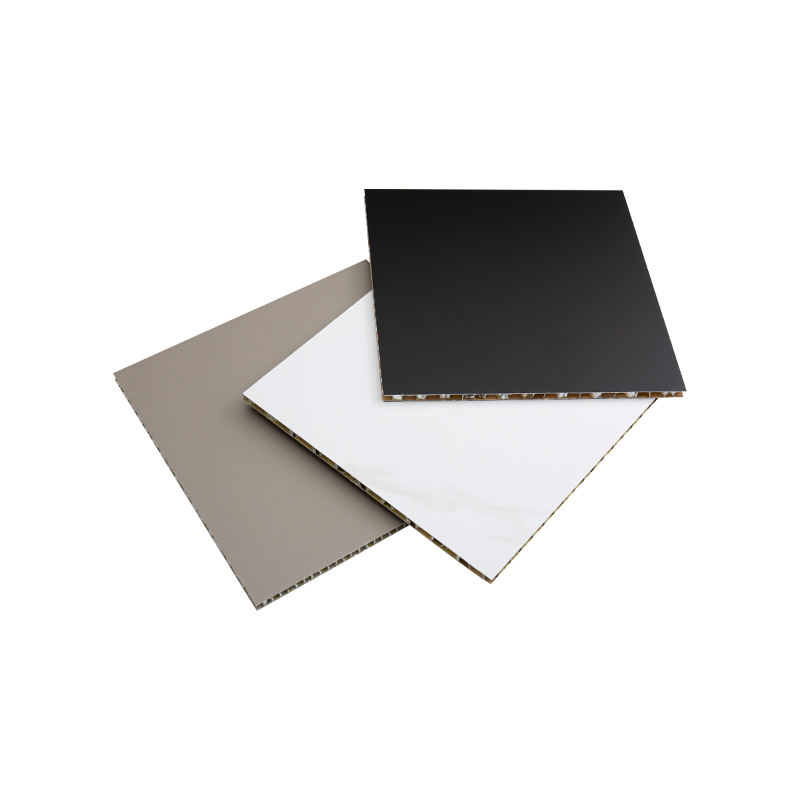
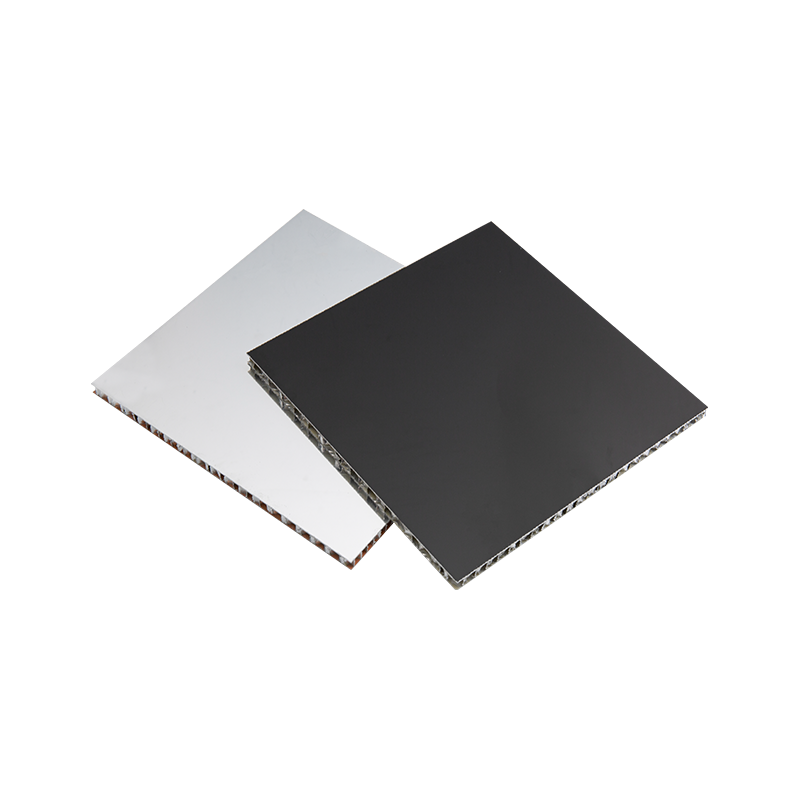
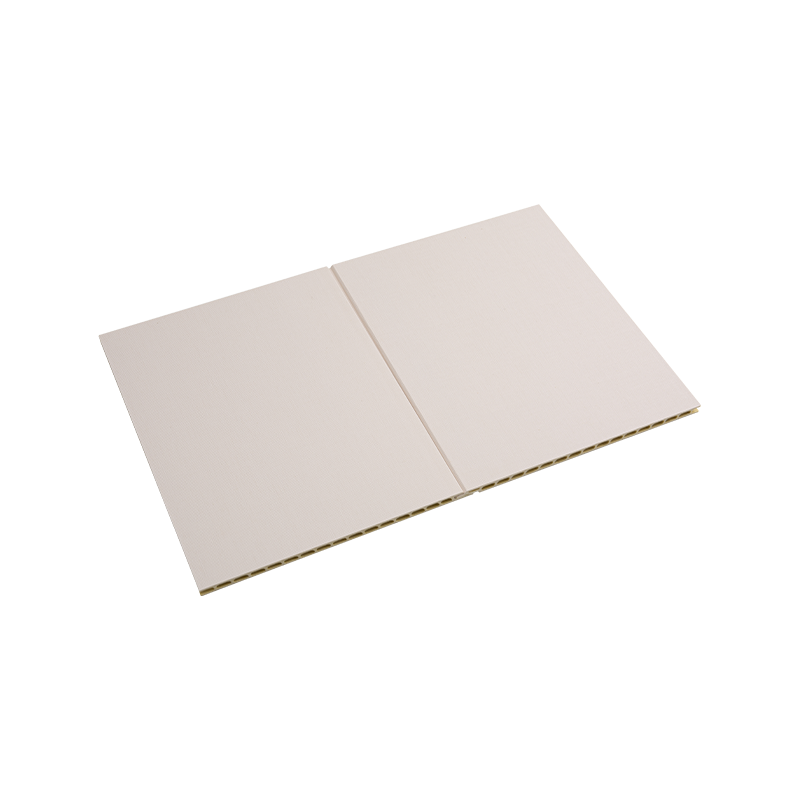
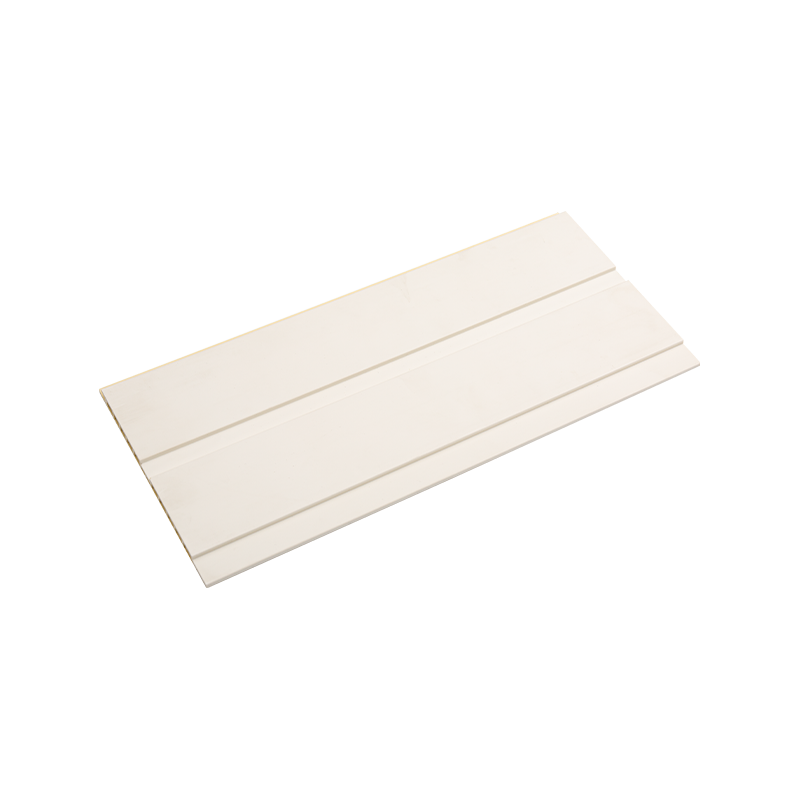
WPC wall cladding has become one of the most widely specified exterior facade materials for residential and commercial construction over the past decade. Its combination of natural wood aesthetics, low maintenance requirements, and resistance to the weathering forces that degrade traditional timber has driven adoption across markets from Northern Europe to Southeast Asia and the Middle East. For architects, developers, and procurement buyers specifying exterior cladding, understanding how WPC performs outdoors — and why the performance varies significantly between product grades — is essential for making specifications that hold up over the building's lifetime.
What Makes WPC Suitable for Exterior Use?
Standard WPC (Wood Plastic Composite) is a blend of wood fiber and thermoplastic polymer — typically PVC, polyethylene (PE), or polypropylene (PP). Each matrix polymer has different outdoor performance characteristics, and the choice of matrix polymer is the most important material decision in specifying WPC for exterior applications.
PVC-based WPC is the most widely used for interior applications due to its excellent moisture resistance and ease of surface finishing. For exterior use, PVC-based WPC requires effective UV stabilizer packages to prevent the surface degradation (chalking, color shift) that unstabilized PVC develops under direct sunlight. PE-based WPC has better inherent UV resistance than PVC and is the more common specification in outdoor decking and cladding applications in high-UV climates. PP-based WPC offers high temperature resistance, which is relevant for south-facing facades in hot climates where panel surface temperatures can reach 60–80°C on a summer day.
In addition to the matrix polymer, exterior WPC cladding requires UV-absorbing additives, antioxidant packages, and surface treatments that protect both the polymer matrix and the wood fiber content from photodegradation. Wood fiber exposed to UV light undergoes lignin breakdown that causes graying and surface checking — the same weathering process visible in unfinished timber. Quality exterior WPC cladding encapsulates the wood fiber completely within the polymer matrix and applies UV-stable surface coatings that prevent this degradation cycle.
How WPC Wall Cladding Compares to Alternative Exterior Cladding Materials
| Feature | WPC Wall Cladding | Solid Timber Cladding | Fiber Cement Cladding |
|---|---|---|---|
| Appearance | Wood grain texture; consistent pattern across panels | Natural wood — authentic grain variation | Smooth or textured; painted finish |
| UV resistance | Good — with quality UV stabilizer package | Poor — requires treatment every 2–5 years | Excellent — inorganic material not affected by UV |
| Moisture resistance | Excellent — polymer matrix fully moisture-resistant | Poor — absorbs and releases moisture; warps and splits | Good — fiber cement resists moisture well |
| Dimensional stability | Good — low thermal/moisture expansion vs timber | Poor — significant movement with humidity and temperature | Excellent — very low movement |
| Rot and insect resistance | Excellent — polymer matrix prevents biological attack | Poor to moderate — requires pressure treatment or durable species | Excellent — inorganic, not susceptible to rot or insects |
| Maintenance requirements | Low — annual cleaning; no painting or oiling | High — oiling/staining every 2–5 years; periodic board replacement | Low-medium — repainting every 8–12 years |
| Weight | Medium — 8–15 kg/m² depending on profile | Medium — 10–20 kg/m² depending on species and thickness | Heavy — 15–25 kg/m² for standard fiber cement board |
| Impact resistance | Good — composite resists denting better than softwood | Moderate — softwoods dent and scratch | Moderate — fiber cement cracks under concentrated impact |
| Installation | Click/clip or screw fix — relatively straightforward | Nailed or screwed — requires skilled carpentry | Screw fix — requires specific fixings and correct clearance gaps |
| Fire performance | B classification is achievable with an appropriate formulation | Class D combustible — treatment required for Class B | A2 classification — near non-combustible |
| Lifespan | 20–30 years with a quality product and correct installation | 15–30 years with regular maintenance | 30–50 years |
| Cost (material) | Mid to premium | Wide range — hardwood is expensive, softwood is moderate | Mid-range |
| Sustainability | Uses recycled wood fiber and polymer — reduces virgin material use | FSC-certified timber is sustainable; non-certified is not | Cement production has a significant carbon footprint |
Key Performance Requirements for Outdoor WPC Cladding
UV Stability and Color Retention
Color fading is the most visible performance issue in exterior WPC cladding. All organic materials fade to some degree under prolonged UV exposure — the question is how much, over what timeframe, and whether the fading is uniform or patchy. Quality outdoor WPC cladding uses UV absorbers, hindered amine light stabilizers (HALS), and pigment systems selected for outdoor durability to limit color change to Delta E values below 5 after 1,000 hours of accelerated weathering testing (equivalent to approximately 10 years of central European outdoor exposure). Buyers specifying exterior WPC should request accelerated weathering test data rather than relying on general color stability claims.
Thermal Expansion Management
WPC cladding, like all composite materials, expands and contracts with temperature change. The linear thermal expansion coefficient of WPC is typically 3–5× higher than timber, and panels installed on south-facing facades in continental climates can experience temperature swings of 60–70°C between winter night and summer afternoon surface temperatures. This thermal movement must be accommodated in the installation through gap allowance at panel ends and at fixing points, as specified in the manufacturer's installation guidelines. Failure to allow adequate expansion gaps — the most common installation error with WPC cladding — causes panels to buckle in summer heat as the constrained thermal expansion has nowhere to go.
Ventilated Facade Construction
Quality exterior WPC cladding installations use a ventilated facade principle: the WPC panels are fixed to a battened substrate that creates a continuous air gap of 20–40mm between the back of the cladding and the wall surface behind. This ventilated cavity allows moisture vapor to dry out rather than accumulating, prevents condensation on the cold wall surface, and eliminates the freeze-thaw cycling that would otherwise deteriorate adhesive bonds and cause panel delamination in cold climates. Ventilated facade construction is the standard detail for exterior WPC cladding in European markets and should be specified wherever annual rainfall exceeds 600mm.
Fixing System Selection
Hidden clip fixing systems — where the panel is engaged on a stainless steel or aluminium clip that is not visible from the facade face — are strongly preferred for high-quality exterior WPC cladding applications. Hidden fixing eliminates the through-panel screw penetrations that can become moisture entry points, produces a cleaner facade appearance, and allows the panel to move freely with thermal expansion rather than being constrained at screw locations. For exposed fixing systems, only marine-grade stainless steel (A4-316) screws should be used — standard carbon steel or A2 stainless screws will corrode in exterior exposure and leave unsightly rust stains on the panel surface.
Applications Where WPC Wall Cladding Excels
Residential Exterior Renovation
WPC wall cladding is among the most popular choices for residential exterior renovation in markets transitioning away from timber maintenance — particularly in Northern and Central Europe, where the combination of high labor costs for timber maintenance, increasing summer temperatures, and strong design preference for natural wood aesthetics makes WPC the rational replacement for oiled or painted timber weatherboarding. A WPC cladding installation that requires only annual washing versus a timber alternative requiring repainting or oiling every 3–5 years delivers significant maintenance cost savings over a 20-year ownership period.
Commercial and Hospitality Building Facades
Commercial buildings — retail, hospitality, office — benefit from WPC exterior cladding's dimensional consistency, which enables the regular module-based facade patterns that characterize contemporary commercial architecture. Unlike timber, which shows natural variation in color, grain, and dimension that requires careful selection and sorting for large-scale facade applications, WPC panels produce a consistent appearance across large areas without the visual variation management that timber facades require. For facade refurbishment programs covering multiple buildings to a consistent specification, WPC's consistency is a significant procurement advantage.
Coastal and Marine Environments
WPC wall cladding's complete immunity to salt corrosion, moisture absorption, and biological attack makes it particularly well-suited to coastal applications where timber deteriorates rapidly and steel-based cladding systems corrode. In coastal residential and hospitality construction — beach houses, seaside resorts, marina facilities — WPC exterior cladding routinely outperforms timber alternatives in longevity with minimal maintenance, which is the combination coastal property owners require from a facade material that is difficult and expensive to maintain when exposed to salt air.
Frequently Asked Questions
Does WPC wall cladding fade in the sun?
All exterior materials fade to some degree under sustained UV exposure — the relevant question is how much fading occurs and over what period. Quality outdoor WPC cladding with a UV-stabilized PVC or PE matrix and UV-absorbing surface coating limits color change to acceptable levels over 10–15 years of outdoor exposure. Initial fading during the first 6–12 months of weathering is most pronounced, after which the color stabilizes. Dark colors generally show more visible fading than light or mid-tone colors. For facades with particularly high UV exposure — equatorial climates, high-altitude locations — specifying a lighter color and requesting UV resistance test data from the manufacturer is advisable.
How is outdoor WPC cladding maintained?
Outdoor WPC wall cladding maintenance is minimal compared to timber alternatives. Annual washing with a garden hose or pressure washer (low pressure, maximum 1,500 psi, 30–40cm standoff distance) removes accumulated dirt, algae, and atmospheric pollution. For stubborn marks — organic staining, bird droppings — a mild detergent solution and a soft brush are adequate. Oil-based cleaners, solvents, and abrasive cleaners should be avoided as they can strip the surface finish. WPC cladding does not require painting, staining, oiling, or any chemical treatment to maintain its performance or appearance — this is the material's most significant maintenance advantage over timber.
Can WPC wall cladding be used for both interior and exterior walls?
WPC products designed specifically for exterior use — with UV stabilizers, ventilated facade installation details, and weather-resistant surface treatments — are also entirely suitable for interior wall applications. However, interior WPC wall panels are not always appropriate for exterior use: products formulated only for interior use may lack the UV stability and moisture management performance required for outdoor facades. When specifying WPC for a project that includes both interior and exterior wall areas, confirm with the manufacturer whether the product is rated for exterior exposure, and request the relevant outdoor performance test certifications.
WPC Wall Cladding | WPC Wall Panel | WPC Solid Wall Panel | WPC Wall Decoration Line | Get a Quote