 English
 عربى
عربى русский
Introduction
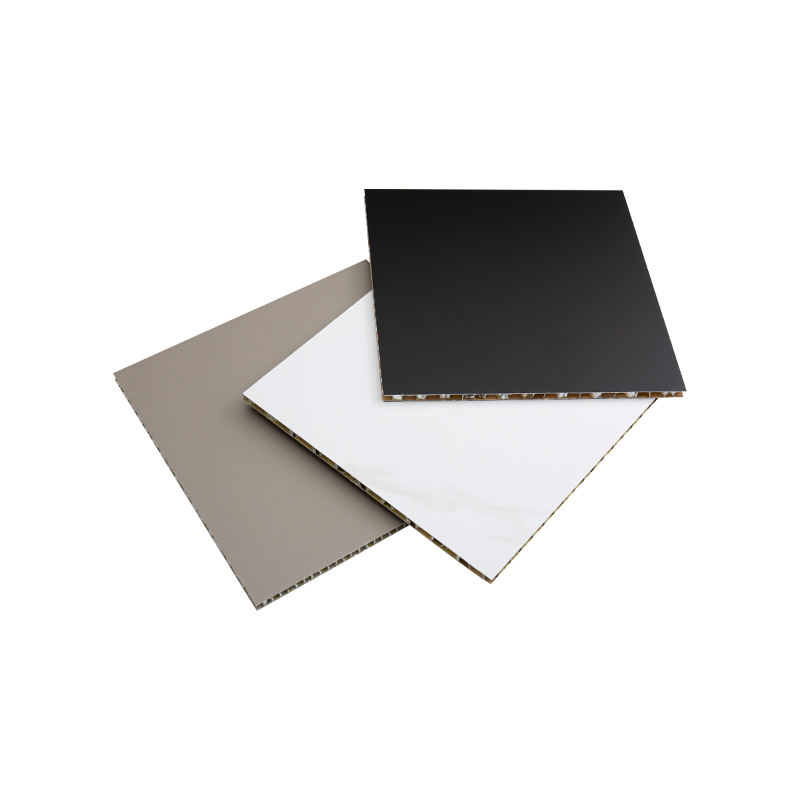
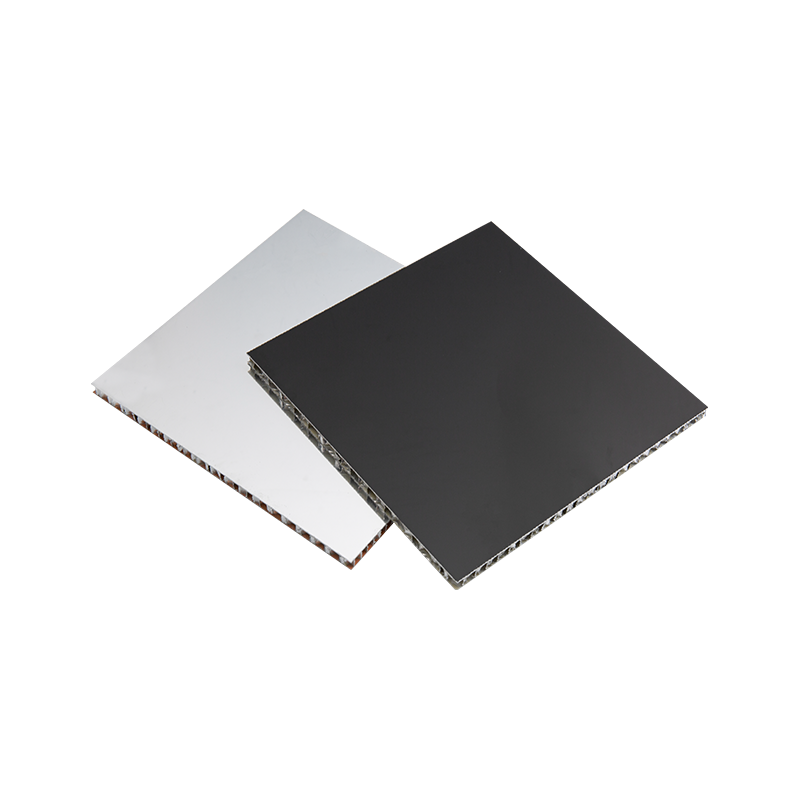
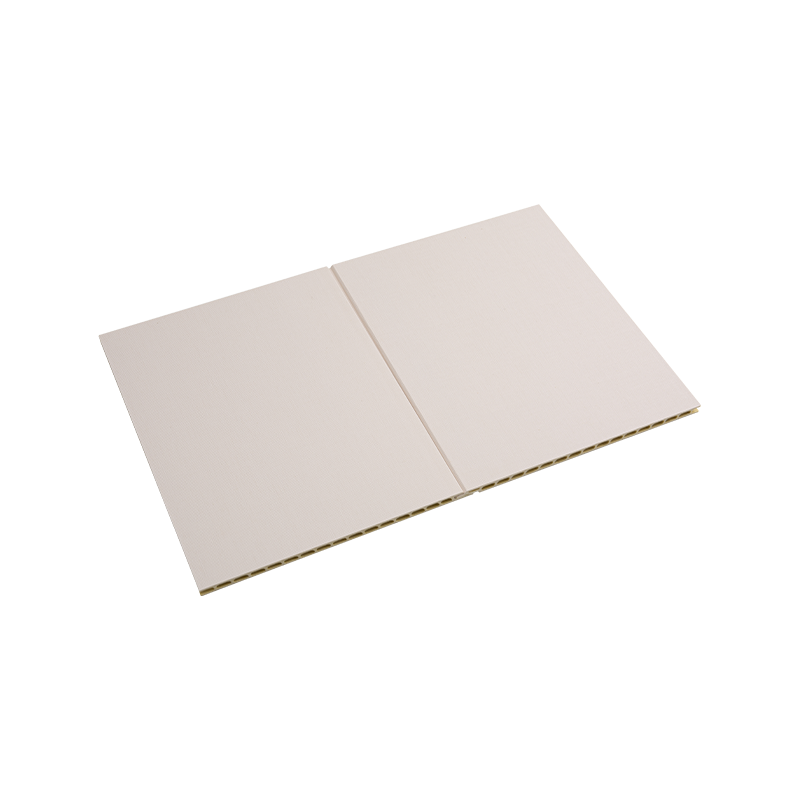
In modern architecture and interior design, walls are no longer just simple structural components, but important carriers of aesthetics, function, and quality. Integrated Wall Panels, commonly known as integrated wallboards, are a type of wall system product that has gradually gained significant market attention against this backdrop. With their highly integrated design concept, stable product performance, and diverse decorative capabilities, Integrated Wall Panels are becoming an indispensable wall option in high-end residential and commercial spaces.
The Core Design Concept of Integrated Wall Panels
The essence of Integrated Wall Panels lies in integration. It's not simply the application of a single material, but rather a systematic integration of the base material, decorative layer, and functional layer through structural optimization. This allows the wall to simultaneously meet both decorative and practical needs upon installation. This design effectively reduces the repeated leveling, painting, and finishing steps involved in traditional wall construction, ensuring a complete and unified appearance from the start.
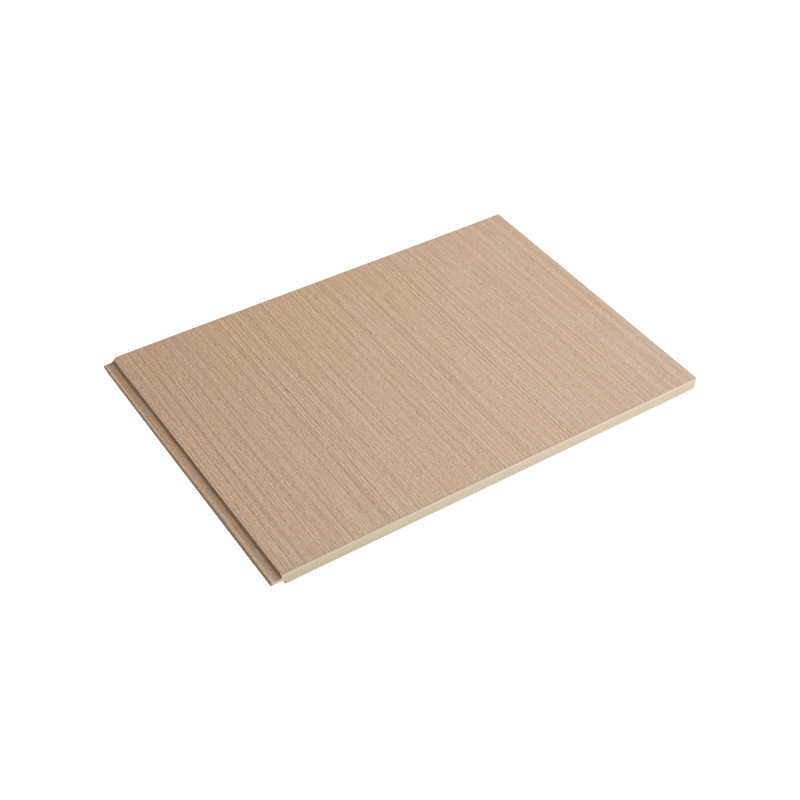
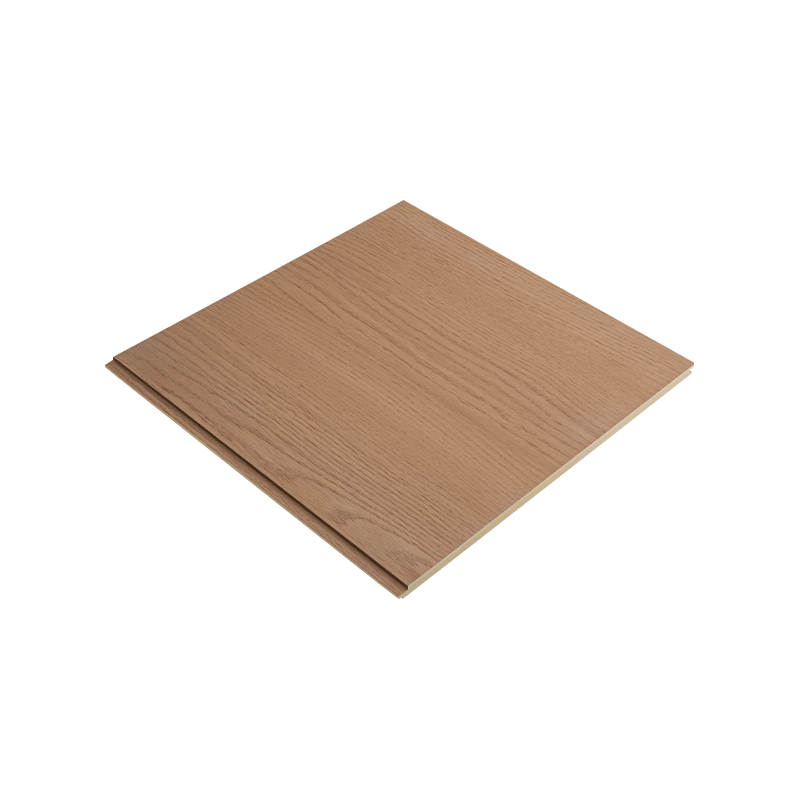
In terms of product structure, Integrated Wall Panels typically use a highly stable base material for support, preventing deformation during long-term use. The surface is treated with advanced processes, presenting a delicate texture and rich visual layers, maintaining excellent texture under different lighting conditions. This systematic design, from structure to appearance, is the key difference between integrated wall panels and traditional wall materials.
Product Materials and Performance
The high market attention given to Integrated Wall Panels is inseparable from their material selection and performance. High-quality integrated wall panels have high requirements for material stability, density, and surface adhesion during the manufacturing process, resulting in excellent durability in actual use. The overall structure of the wall panel is compact, effectively coping with the effects of changes in the indoor environment, maintaining flatness and aesthetics over the long term.
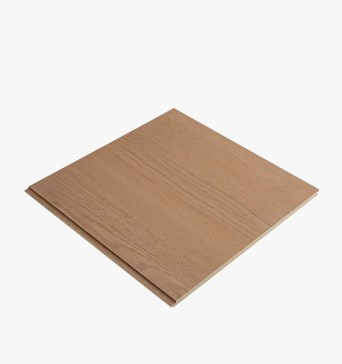
Functionally, Integrated Wall Panels, through reasonable structural design, make walls easier to clean and maintain. The specially treated surface does not easily absorb stains, making daily maintenance easier. At the same time, good structural sealing makes the wall surface cleaner and more uniform, helping to improve the overall completeness and comfort of the space.
The Overall Expression of Wall Aesthetics
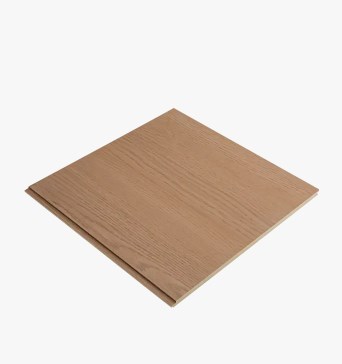
From a decorative perspective, Integrated Wall Panels are not simply a "covering" wall product, but a wall system that emphasizes the overall spatial coordination. Its texture design often pursues naturalness, subtlety, and continuity, making the wall surface visually more uniform and avoiding the fragmented look common with traditional splicing materials. This holistic design gives the space a greater sense of expansiveness and sophistication.
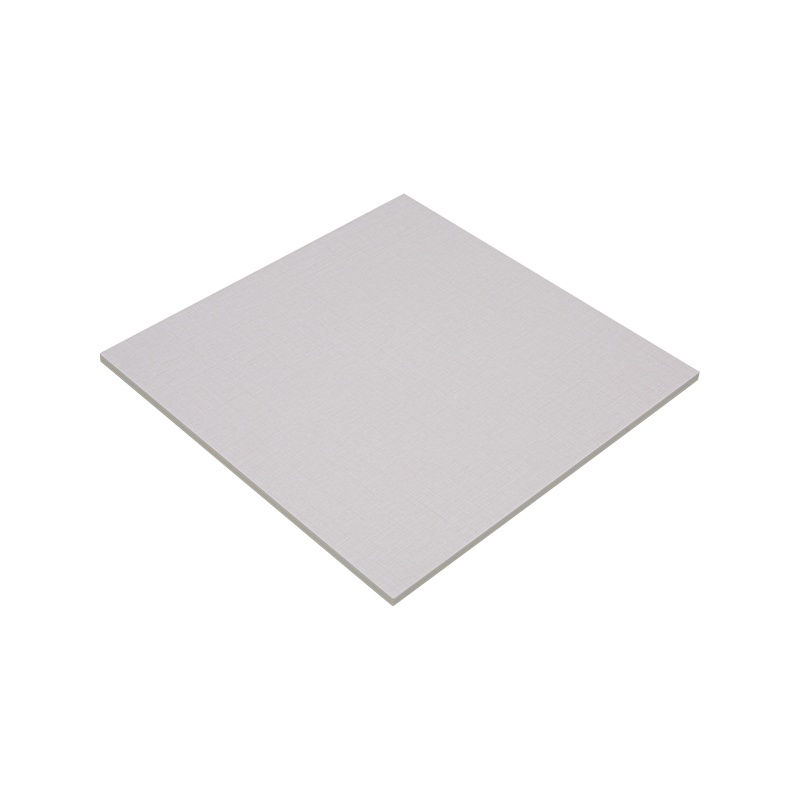
Different styles of Integrated Wall Panels have different emphases in color and texture treatment, presenting either a calm and understated spatial atmosphere or a simple and elegant modern texture. Through the stable expression of this large-area visual element on the wall, the overall space can more easily form a clear design language.
Installation Structure and User Experience
The structural design of Integrated Wall Panels fully considers practical construction and long-term user experience. The connection method between the panels is meticulously designed, making the installation process smoother and resulting in a higher degree of flatness in the finished wall. The overall wall panel forms a stable structure with the wall, which helps to improve the overall strength and safety of the wall.
During use, the overall effect presented by the integrated wall panels is more stable, and it is less prone to common problems such as cracks or surface peeling found in traditional walls. This stability is reflected not only in the appearance but also in the peace of mind provided by long-term use, ensuring that the space remains in good condition.
Long-Term Value of Integrated Wall Panels
From a product value perspective, Integrated Wall Panels are not just a decorative material, but a system solution that enhances the quality of space. From the initial design, aesthetics, practicality, and durability are considered together, ensuring that the wall remains in good condition even after long-term use. For spaces that pursue high-quality living and user experience, the value brought by integrated wall panels is not short-term, but continuously revealed over time.
This long-term value is reflected in the stable performance of the wall, the continuous output of overall spatial quality, and the relatively controllable maintenance costs, making Integrated Wall Panels uniquely attractive among many wall solutions.
FAQ
What spaces are suitable for Integrated Wall Panels?
Integrated Wall Panels are suitable for indoor spaces that require high-quality wall surfaces. Their overall design and stable performance can be well integrated into different types of indoor environments.
Is the surface effect of integrated wall panels prone to aging?
High-quality Integrated Wall Panels have excellent stability in their surface treatment process and can maintain their original texture for a long time under normal use conditions.
Is maintenance complicated?
Integrated Wall Panels are designed with daily use in mind. Wall cleaning and maintenance are relatively easy, helping to maintain a clean space in the long term.
Can a unified overall style be achieved?
Integrated wall panels emphasize systematic and holistic design, which helps create a unified and coherent visual effect on the wall surface within the space.