 English
 عربى
عربى русский
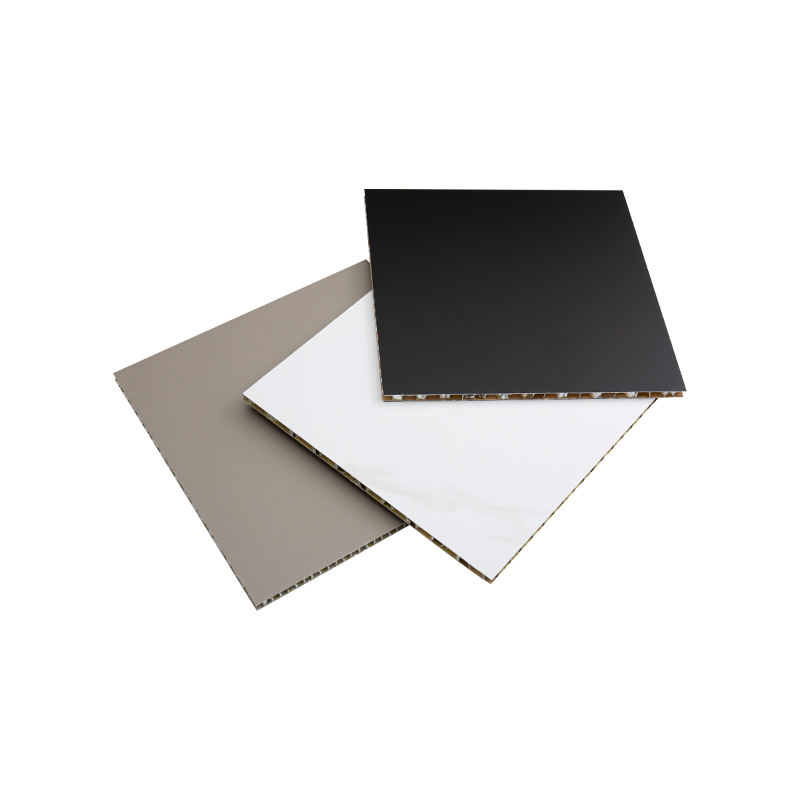
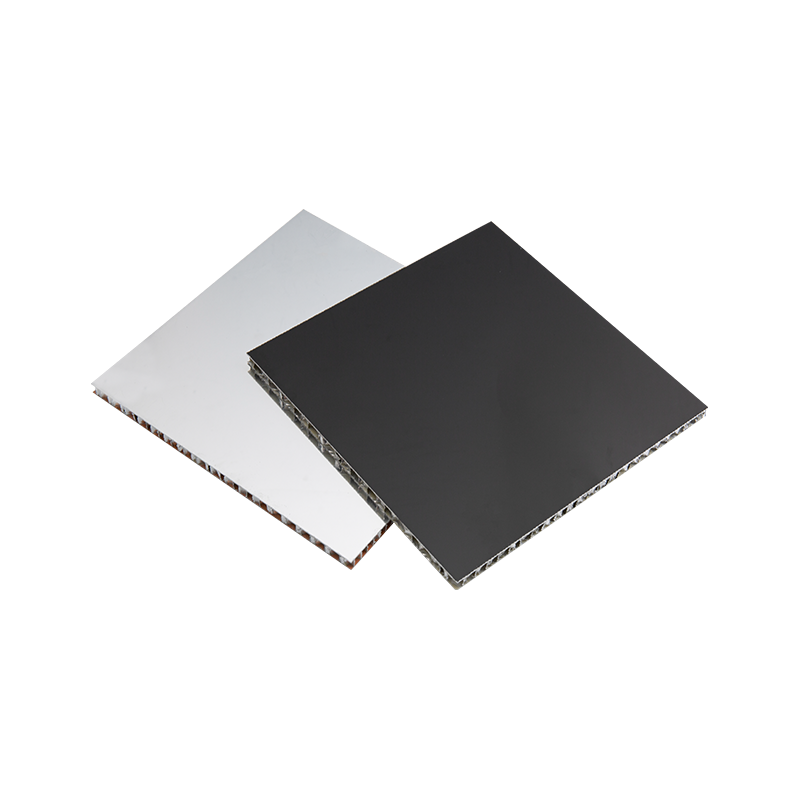
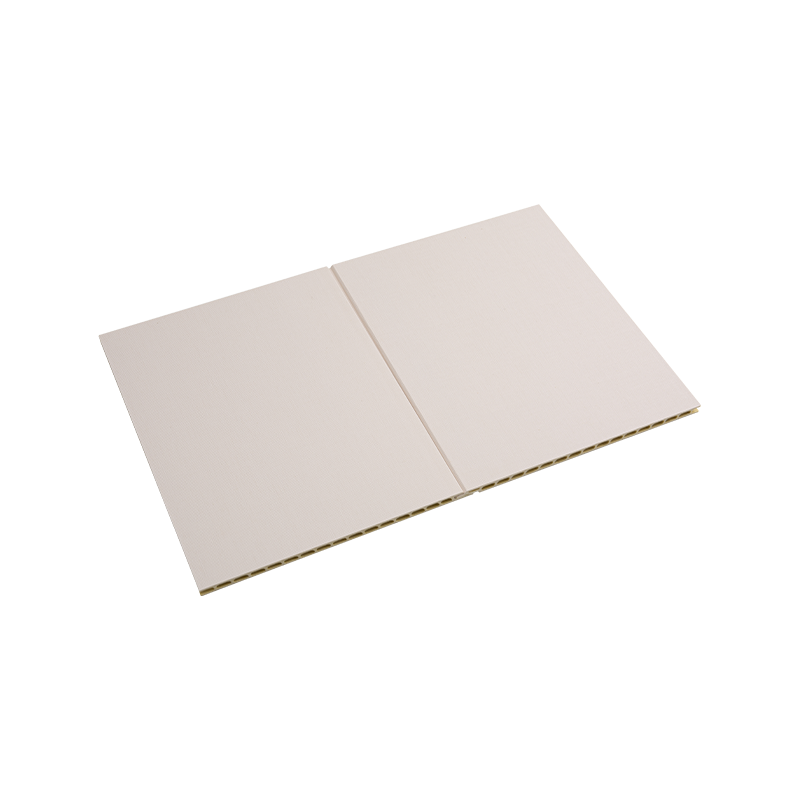
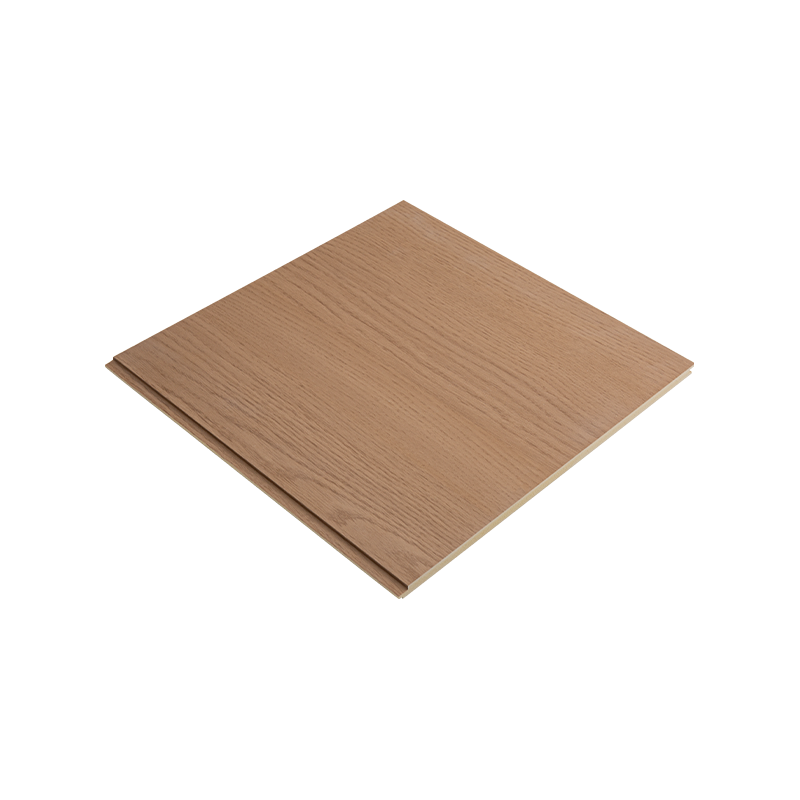
Prefabricated interior decoration is a revolutionary model that replaces traditional on-site construction with factory-produced modular components and on-site assembly. It has become the mainstream development direction of the global interior decoration industry, with construction efficiency increased by over 60%, on-site waste reduced by more than 80%, and overall project quality stability improved by 70% compared with traditional decoration. This model is not only suitable for residential spaces but also widely applied in commercial buildings, office spaces, hotels, and public facilities, solving the long-standing problems of long construction periods, uncontrollable quality, environmental pollution, and high labor costs in traditional decoration.
For most decoration demanders, prefabricated interior decoration is the optimal solution to balance construction speed, environmental protection, quality, and cost. It abandons the messy on-site operations, such as on-site cutting, painting, cement pouring, and wet work in traditional decoration, and realizes standardized production, integrated design, and assembled construction. In the current market environment, where environmental protection policies are increasingly strict and labor costs continue to rise, prefabricated decoration has changed from an optional alternative to a necessary choice for the industry.
Definition and Core Components of Prefabricated Interior Decoration
Basic Definition of Prefabricated Interior Decoration
Prefabricated interior decoration refers to the industrialized production of all decorative components required for indoor spaces in professional factories, including wall panels, floor modules, ceiling systems, integrated bathrooms, integrated kitchens, door and window components, etc. After production and quality inspection, these components are transported to the construction site and assembled by professional technicians through connectors and fixing parts to complete the entire interior decoration work.
This decoration model is based on industrialization and standardization, taking modular design as the core, and breaking the traditional decoration mode that relies heavily on manual labor and on-site operation. It is an important part of building industrialization and green building.
Core Modular Component Systems
The complete prefabricated interior decoration system consists of multiple independent and interconnected modular components, each of which is produced and installed in accordance with unified standards:
- Prefabricated wall system: including light wall panels, integrated wall panels, sound insulation wall modules, with functions of moisture resistance, fire prevention, and sound insulation
- Prefabricated ceiling system: modular ceiling components, integrated with lighting, ventilation, and air conditioning pipelines, avoiding on-site punching and modification
- Prefabricated ground system: dry-laid floor modules, integrated with sound insulation and thermal insulation layers, no cement mortar pouring required
- Integrated kitchen and bathroom: factory-integrated production of the overall kitchen and bathroom space, including waterproofing, pipelines, cabinets and sanitary ware
- Prefabricated finishing components: including doors, windows, skirting lines, hardware accessories, etc., all produced in factories with uniform specifications
| Component Type | Prefabricated Decoration | Traditional Decoration |
|---|---|---|
| Wall | Factory-integrated molding | On-site plastering and painting |
| Kitchen & Bathroom | Integrated assembly | Step-by-step on-site construction |
| Ceiling | Modular assembly | On-site cutting and installation |
Practical Advantages of Prefabricated Interior Decoration
Ultra-high Construction Efficiency and Shortened Period
The most intuitive advantage of prefabricated interior decoration is the significant improvement in construction efficiency. Since more than 80% of the work is completed in the factory, the on-site assembly time is greatly shortened. For a standard residential space, traditional decoration usually takes 45 to 60 days, while prefabricated decoration only takes 10 to 15 days to complete all assembly work, reducing the construction period by more than 70%.
This advantage is more prominent in large-scale projects such as hotels and apartments. Decoration projects that originally took several months can be completed in a few weeks, which greatly shortens the investment return cycle of developers and owners and reduces the comprehensive cost caused by construction delays.
Excellent Environmental Protection and Health Performance
Prefabricated interior decoration eliminates the use of a large number of adhesives, paint, cement, and other materials containing harmful substances on-site. All components are produced with environmentally friendly raw materials in the factory and have passed professional environmental protection testing before leaving the factory. The on-site construction process has no wet work, no dust, no noise, and no harmful gas volatilization.
Statistical data show that the formaldehyde and volatile organic compound emissions of prefabricated decoration spaces are reduced by more than 90% compared with traditional decoration spaces. The decorated space can be used immediately without ventilation for several months, which is extremely friendly to families with children, the elderly, and pregnant women, and fully meets the high-standard health needs of modern people.
Stable and Reliable Decoration Quality
Traditional decoration quality is highly dependent on the technical level and working attitude of on-site workers, with large quality differences and common problems such as cracking, peeling, deformation, and leakage. Prefabricated decoration adopts standardized production and mechanical processing in the factory, with uniform dimensions and stable quality, and the qualified rate of factory components can reach more than 98%.
All components are installed in accordance with fixed processes and standards, avoiding human errors. At the same time, the prefabricated components have better performance in fire prevention, moisture resistance, sound insulation, and wear resistance, and the service life is 3 to 5 years longer than that of traditional decoration on average, reducing the frequency of later maintenance and renovation.
Reduced Labor Dependence and Cost Control
In recent years, the number of skilled decoration workers has decreased, and labor costs have risen sharply, which has become a major problem in the traditional decoration industry. Prefabricated decoration only needs a small number of professional technicians to complete the assembly work on site, and the number of workers required is only 1/3 of that of traditional decoration.
Factory production can realize large-scale and standardized manufacturing, reducing material loss and labor costs. Although the unit price of some prefabricated components is slightly higher, the overall comprehensive cost, including labor, time, maintenance, and waste disposal, is 10% to 15% lower than that of traditional decoration.
Recyclable and Sustainable Development
Most components of prefabricated interior decoration are connected by hardware instead of fixed bonding or pouring, which can be easily disassembled and replaced. When the space needs to be renovated or the building is demolished, more than 80% of the decorative components can be recycled and reused, greatly reducing construction waste.
This sustainable characteristic conforms to the global green development strategy, reduces the exploitation of natural resources and the pollution caused by waste disposal, and makes prefabricated decoration an environmentally friendly and resource-saving decoration model.
Standardized Construction Process of Prefabricated Interior Decoration
Integrated Design Stage
The construction of prefabricated interior decoration starts with integrated design, which is the most critical link to ensure the smooth progress of the project. Designers need to conduct an integrated design of indoor space, pipelines, electrical, decoration, and components according to the building structure and user needs, determine all module specifications, sizes, and materials, and form factory-producible design drawings.
Different from the traditional design that only provides renderings and construction drawings, the prefabricated decoration design needs to accurately match the factory production standards, reserve interfaces for assembly, and realize the full coordination of design, production, and installation.
Factory Production Stage
After the design scheme is determined, the factory carries out mass production of components in accordance with the design drawings. The production process includes raw material selection, cutting, molding, surface treatment, quality inspection, and packaging. All production links are controlled by mechanical equipment and quality systems, ensuring the consistency and stability of each component.
During the production process, professional inspectors conduct full-process quality control, and only components that meet the standards can be packaged and transported to the construction site, eliminating unqualified products from the source.
On-site Assembly Stage
On-site assembly is the final link of prefabricated decoration, which is simple and efficient. Professional technicians first conduct on-site measurement and base treatment, then assemble the ground, wall, ceiling, kitchen, and bathroom modules in sequence according to the assembly process, and connect the electrical and water pipelines at the same time.
The entire assembly process adopts dry construction, without dust, noise, and waste, and the construction site is clean and orderly. After the assembly is completed, the commissioning and acceptance of the entire space are carried out directly, and the project can be delivered immediately after passing the acceptance.
Later Maintenance and Upgrading Stage
Prefabricated interior decoration has a perfect later maintenance system. If individual components are damaged, they can be replaced independently without affecting the use of the entire space. When users need to update the decoration style, they only need to replace part of the modules, which is fast and low-cost.
This convenient maintenance and upgrading method solves the problems of high cost and long cycle of traditional decoration renovation, and improves the flexibility and sustainability of space use.
Application Scenarios of Prefabricated Interior Decoration
Residential Space Application
Residential space is the most widely used scenario of prefabricated interior decoration, covering ordinary family houses, apartments, villas and other types. For family users, prefabricated decoration provides a healthy, fast, and high-quality decoration solution, especially suitable for groups who need to check in quickly and pursue environmental protection.
At present, more and more newly built commercial houses adopt prefabricated decoration as the standard configuration of refined decoration, which not only improves the quality of the house but also reduces the trouble of owners' secondary decoration, and has been widely recognized by the residential market.
Commercial Building Application
Commercial buildings, including offices, shopping malls, stores, and other spaces, have high requirements for decoration efficiency and style unity. Prefabricated decoration can realize rapid construction and standardized style, and can be quickly adjusted and upgraded according to business needs.
For office spaces, prefabricated wall and ceiling systems can flexibly divide the space, meet the needs of different functional areas, and have good sound insulation and fire performance, fully meeting the use standards of commercial office spaces.
Hotel and Hospitality Space Application
Hotels, apartments, homestays and other hospitality spaces have a huge demand for standardized decoration and rapid renovation. The same type of guest rooms can use unified modular components, realizing mass production and rapid assembly, shortening the opening cycle of the hotel.
At the same time, the prefabricated components have strong wear resistance and easy cleaning, which can adapt to the high-frequency use of hotel spaces, and the later maintenance and replacement are convenient, effectively reducing the operation and maintenance costs of the hotel.
Public Facility Application
Public facilities such as schools, hospitals, libraries, and stadiums have high requirements for environmental protection, fire protection, sound insulation, and durability. Prefabricated decoration components can meet these strict standards, and the construction process will not affect the normal use of the surrounding areas.
In public medical spaces, prefabricated decoration can effectively avoid bacterial growth and harmful gas volatilization, providing a safe and healthy environment for patients and medical staff; in school spaces, it has good sound insulation and environmental protection performance, creating a good learning environment for students.
Current Development Status and Future Trends of Prefabricated Interior Decoration
Global Development Status
Prefabricated interior decoration has been widely promoted and applied in developed countries and regions such as Europe, America and Japan. The penetration rate in the residential decoration market has exceeded 60%, and it has formed a complete industrial chain system from design, production to installation and after-sales.
In recent years, the global prefabricated decoration market has maintained a growth rate of more than 15% every year. With the improvement of environmental protection awareness and the upgrading of consumption, more and more countries have listed prefabricated decoration as a key development industry of the construction sector and issued supporting policies to support its development.
Industry Policy Support
Governments of all countries have issued a series of policies to promote the development of prefabricated buildings and prefabricated decoration, focusing on supporting the research and development of core technologies, the construction of standard systems, and the promotion of application scenarios. These policies have effectively promoted the standardization and industrialization of the prefabricated decoration industry.
Policy support mainly includes tax incentives, financial subsidies, project promotion, and standard improvement, which have created a good policy environment for the development of prefabricated interior decoration and accelerated the replacement speed of traditional decoration.
Technological Innovation and Industrial Upgrading
With the development of digital technology, prefabricated interior decoration has realized the deep integration of intelligent design, intelligent production and intelligent installation. Computer-aided design, automated production lines, digital assembly systems and other technologies have improved the accuracy and efficiency of the entire industry.
At the same time, the research and development of new materials has continuously enriched the functions and styles of prefabricated components, and the performance in environmental protection, fire prevention, sound insulation, heat preservation and intelligence has been continuously improved, meeting the personalized and high-end needs of users.
Future Development Trends
In the next decade, prefabricated interior decoration will become the absolute mainstream of the global interior decoration industry, and the market penetration rate is expected to exceed 80%. The industry will develop in the direction of higher intelligence, stronger customization, better environmental protection and more complete industrial chain.
Intelligent integrated decoration combining smart home systems will become a new development hotspot, realizing the integration of decoration and intelligence; personalized customized modules will meet the diversified needs of users; recyclable and biodegradable green materials will be more widely used, making prefabricated decoration a truly zero-pollution and sustainable decoration model.
How to Choose and Apply Prefabricated Interior Decoration
Clarify Decoration Needs and Budgets
Before choosing prefabricated interior decoration, users should first clarify their own space use needs, style preferences and budget range. Prefabricated decoration has rich optional configurations, which can meet the needs of different budgets from basic practical type to high-end customized type.
Clarifying the needs in advance can help designers formulate a more accurate design scheme, avoid later adjustments and modifications, and ensure that the decoration effect and budget are within the expected range.
Select Standardized and Professional Solutions
When choosing prefabricated decoration services, priority should be given to schemes with complete standard systems and mature technologies. Standardized components have more stable quality and more convenient later maintenance, while professional construction teams can ensure the accuracy and firmness of assembly.
Users should focus on checking the material environmental protection certification, quality inspection report and assembly process standards of the components to ensure that all links meet the industry standards and use requirements.
Focus on Integrated Design and Pipeline Coordination
The core advantage of prefabricated decoration lies in integrated design. Users should pay attention to the coordination of water, electricity and gas pipelines, space layout and component dimensions during the design stage to avoid conflicts and mismatches during on-site assembly.
A complete integrated design scheme can avoid the trouble of later modification and ensure the functionality, aesthetics and durability of the entire space.
Pay Attention to After-sales Service and Maintenance Guarantee
Prefabricated decoration has a long service life, and perfect after-sales service and maintenance guarantee are very important. Users should understand the component warranty period, maintenance service process and replacement response speed when selecting services to ensure that problems can be solved in a timely manner during later use.
Complete after-sales service can eliminate the worries of users and maximize the advantages of prefabricated decoration with long service life and convenient maintenance.
Summary and Value Reconstruction of Prefabricated Interior Decoration
Prefabricated interior decoration is not only a technological innovation in the decoration industry, but also a subversion of the traditional decoration model and a reconstruction of industry value. It solves the long-standing pain points of traditional decoration with efficient, environmentally friendly, high-quality and economical characteristics, and leads the transformation and upgrading of the global interior decoration industry.
From the perspective of social value, prefabricated decoration reduces construction waste, protects the ecological environment, saves labor resources, and conforms to the global strategy of sustainable development; from the perspective of user value, it provides a healthy, safe and comfortable indoor environment, saves time and cost, and improves the quality of life and work; from the perspective of industry value, it promotes the industrialization, standardization and intelligent development of the decoration industry and improves the overall operation efficiency of the industry.
With the continuous advancement of technology, the continuous improvement of policies and the continuous upgrading of consumer demand, prefabricated interior decoration will be more deeply integrated into all kinds of indoor spaces, bringing better decoration experience and living environment to human beings, and becoming the inevitable choice of the future decoration industry.