 English
 عربى
عربى русский
When evaluating modern interior finishing materials, the integrated wall panel stands out as the most efficient, durable, and versatile solution available today. Unlike traditional wall treatments that require extensive preparation, drying times, and ongoing maintenance, integrated wall panels provide an immediate transformation. They combine the structural integrity of advanced composites with the aesthetic appeal of natural materials, all while significantly reducing installation time. For any residential or commercial renovation project aiming for a balance of cost-efficiency, environmental sustainability, and visual impact, integrated wall panels are not just an alternative to drywall or paint; they are the definitive upgrade.
Understanding the Composition and Structure
To appreciate the capabilities of an integrated wall panel, one must first understand how it is engineered. These panels are not single-material slabs; rather, they are sophisticated composite structures designed to maximize the strengths of various raw materials while minimizing their weaknesses. The typical integrated wall panel consists of multiple layers, each serving a distinct purpose.
The Core Layer
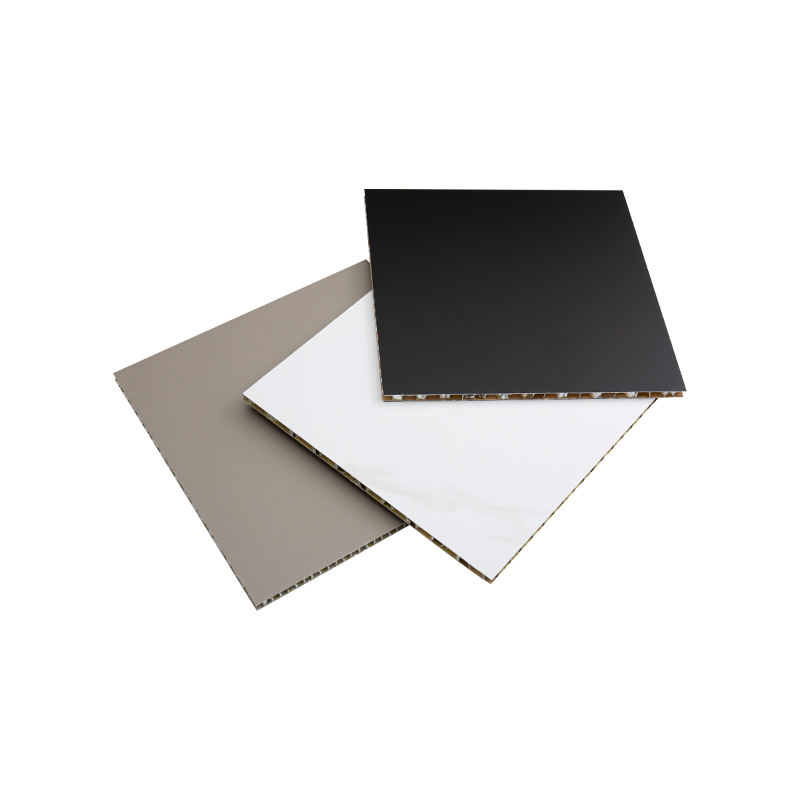
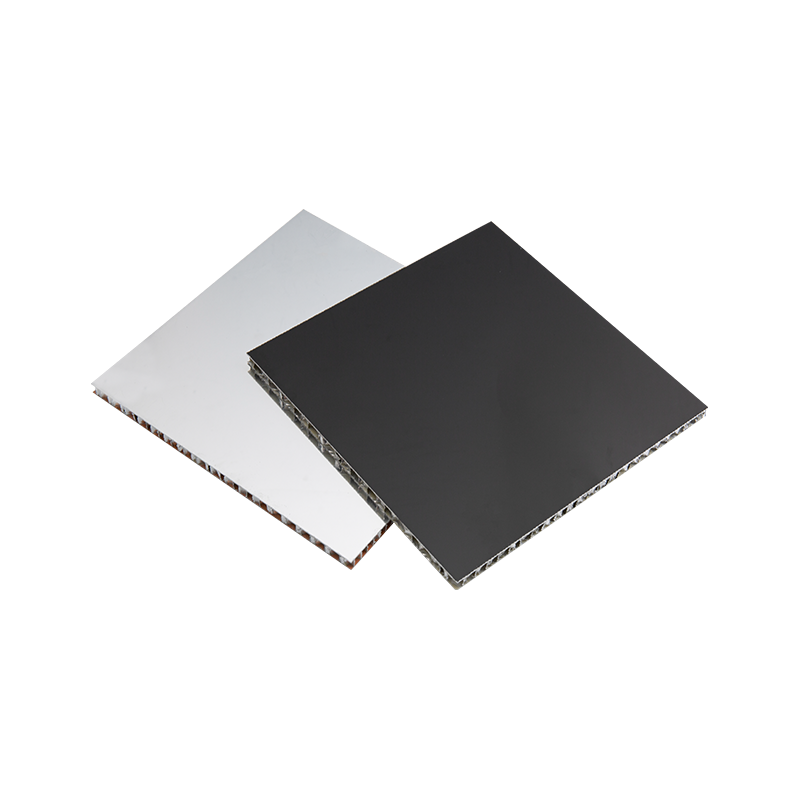
The core is the foundational structure of the panel, providing its rigidity, thickness, and impact resistance. Modern manufacturing techniques often utilize a blend of calcium carbonate, polyvinyl chloride (PVC), and wood fiber. This specific combination creates a dense yet lightweight core. The inclusion of wood fiber adds tensile strength, preventing the panel from becoming brittle, while the calcium carbonate ensures dimensional stability so the panel does not warp under temperature fluctuations. Some advanced cores also incorporate aluminum honeycomb structures, which provide exceptional strength-to-weight ratios, making them ideal for commercial applications where large, seamless surfaces are desired.
The Surface Layer
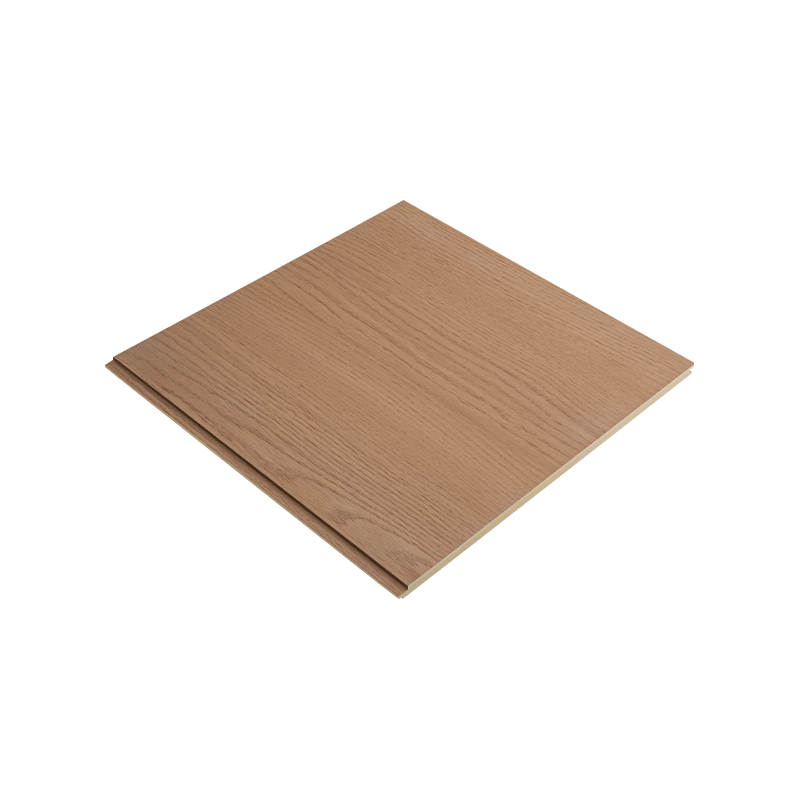
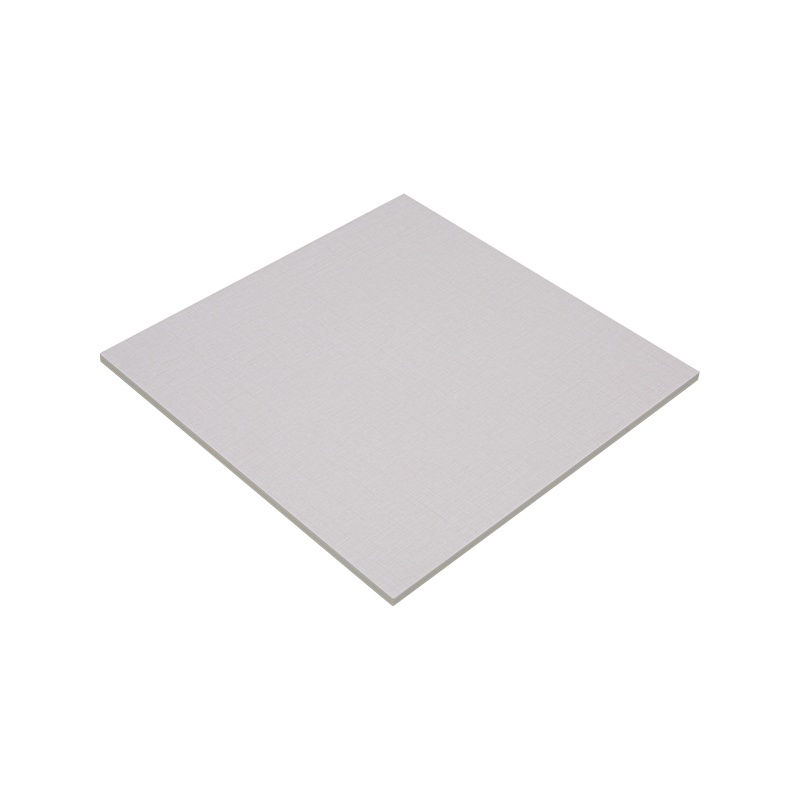
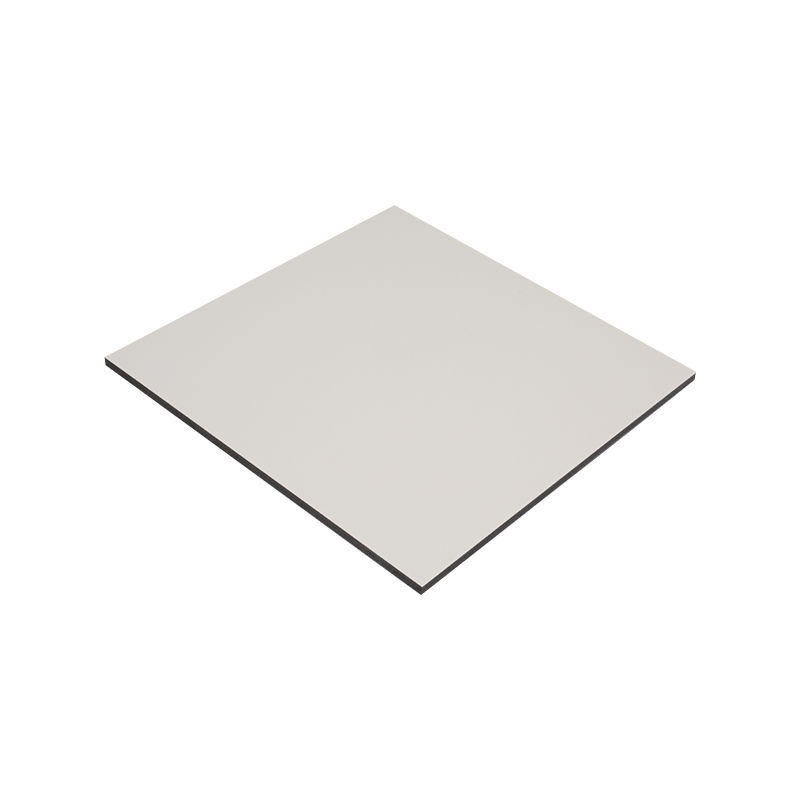
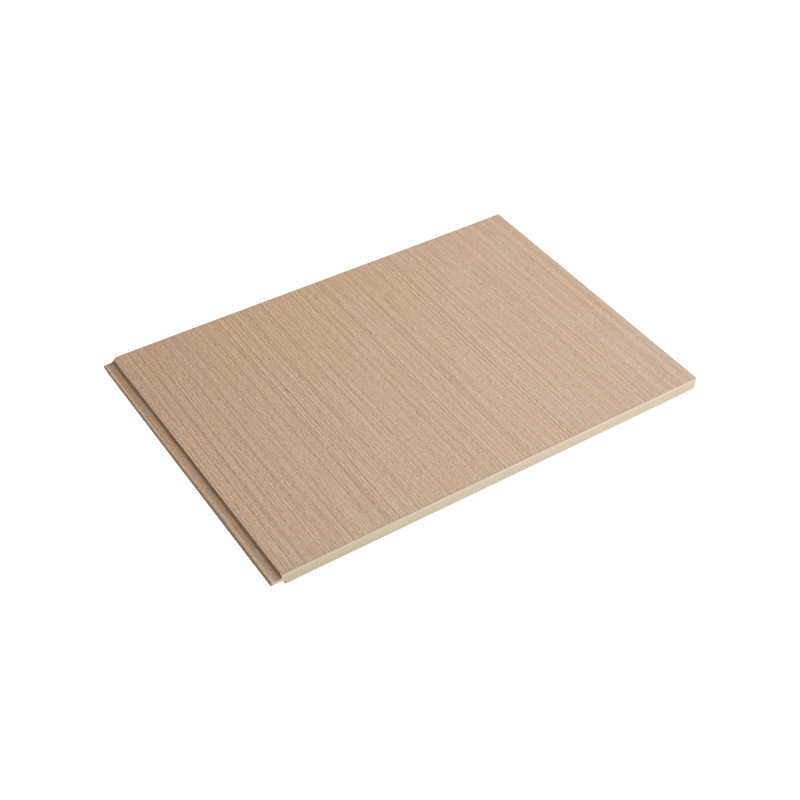
The surface layer is the visible face of the panel, responsible for its aesthetic and protective qualities. This is typically applied using advanced lamination or thermal transfer printing technologies. The most common surface material is a high-strength polymer film that can be printed with high-resolution patterns mimicking wood grain, marble, stone, or abstract textures. This film is treated with a UV-resistant coating that prevents fading from sunlight exposure and creates a scratch-resistant barrier. For higher-end applications, real wood veneers or natural stone slices can be pressed onto the core, offering the authentic tactile experience of natural materials without the associated bulk or porosity.
Primary Advantages Over Traditional Materials
The rapid adoption of the integrated wall panel in the construction and interior design industries is not merely a trend; it is a direct result of the tangible benefits it provides over conventional wall finishing methods. By eliminating the need for wet trades like plastering and painting, these panels solve many long-standing issues in building projects.
Unmatched Installation Efficiency
Traditional wall finishing is a multi-stage, time-consuming process. It involves taping, mudding, sanding, priming, and multiple coats of paint, with mandatory drying times between each step. In contrast, an integrated wall panel utilizes a mechanical fastening system. The panels either interlock via tongue-and-groove edges or are secured to a lightweight metal framework. This dry installation method means that an average-sized room can be fully paneled in a fraction of the time it would take to paint, allowing subsequent trades to commence work almost immediately.
Exceptional Durability and Lifespan
Painted walls are susceptible to chipping, staining, and fading, while wallpaper can peel and tear. The polymer surface of an integrated wall panel is inherently resistant to these everyday hazards. It can withstand minor impacts without denting, and its non-porous surface prevents liquid spills from causing permanent stains. Furthermore, the structural composition of the panel ensures it will not crack as a building settles over time, a common issue with rigid plaster. This resilience translates directly into lower long-term maintenance costs.
Inherent Moisture and Mold Resistance
In humid climates or moisture-prone areas like bathrooms and basements, traditional drywall acts as a sponge, retaining water and fostering the growth of mold and mildew. Integrated wall panels, however, are engineered to be hydrophobic. The core materials do not absorb moisture, and the seamless installation prevents water vapor from penetrating the wall cavity. This characteristic makes them an ideal choice for maintaining healthy indoor air quality and preventing structural decay caused by hidden moisture damage.
Key Application Scenarios
The versatility of the integrated wall panel allows it to be used in a broad range of environments. Its ability to adapt to various functional requirements while maintaining a high-end aesthetic makes it a favorite among architects and interior designers.
Residential Spaces
In homes, these panels are used to create striking feature walls in living rooms, bringing the warmth of wood or the grandeur of stone without the associated cost and weight. In kitchens and bathrooms, the moisture-resistant properties of the panels make them perfect for backsplashes and shower surrounds, eliminating the need for grout lines that harbor dirt and bacteria. They are also widely used in bedroom wardrobes and ceiling applications, creating a cohesive, wrap-around design language throughout the residence.
Commercial and Hospitality Environments
Commercial spaces demand materials that can endure high traffic while minimizing operational disruptions. Hotels utilize integrated wall panels in lobbies and guest rooms for rapid renovations, as the panels can be installed over existing finishes with minimal noise or dust. Corporate offices employ them to conceal wiring and air conditioning ducts while projecting a professional, modern image. In retail environments, the ability to print custom graphics directly onto the panels allows for highly branded, immersive shopping experiences that can be updated seasonally.
Comparative Analysis with Traditional Wall Finishes
To fully grasp the value proposition of the integrated wall panel, it is helpful to compare its performance characteristics directly against the traditional alternatives most commonly used in construction.
| Feature | Integrated Wall Panel | Painted Drywall | Ceramic Tile |
|---|---|---|---|
| Installation Speed | Fast (Dry installation) | Slow (Wet trades, drying time) | Slow (Adhesive curing, grouting) |
| Moisture Resistance | High | Low | High (but grout is vulnerable) |
| Insulation Value | Good (Thermal and Acoustic) | Poor | Poor |
| Maintenance | Low (Wipe clean) | Medium (Prone to scuffs, needs repainting) | Medium (Grout cleaning required) |
| Design Versatility | Unlimited patterns and textures | Limited to solid colors or stencils | Limited to tile shapes and glazes |
Thermal and Acoustic Insulation Properties
Beyond surface aesthetics, the integrated wall panel provides significant functional benefits related to environmental comfort. A standard untreated wall offers very little in the way of thermal or acoustic insulation, but the multi-layered construction of these panels inherently improves the performance of the building envelope.
Thermal Regulation
The core materials used in integrated wall panels are engineered with microscopic air pockets that trap heat, functioning similarly to double-glazed windows. This thermal break prevents outside cold from penetrating the interior during winter and keeps air-conditioned air from escaping during summer. By installing these panels over existing exterior walls, the overall energy consumption of a building can be reduced significantly, as the HVAC system does not have to work as hard to maintain a stable internal temperature. This passive thermal regulation is a key contributor to long-term energy savings.
Acoustic Dampening
Noise pollution is a major concern in both dense urban environments and open-plan office spaces. The dense, composite nature of an integrated wall panel acts as a formidable barrier to sound transmission. When sound waves hit the panel, the varying densities of the core and surface layers cause the acoustic energy to dissipate, rather than passing directly through the wall. For superior soundproofing, specialized acoustic panels featuring perforated surfaces backed by sound-absorbing felts are available, dramatically reducing echo and reverberation within a room.
The Installation Process Explained
One of the most compelling reasons to choose an integrated wall panel is the streamlined, predictable installation process. Because the system relies on precise manufacturing and mechanical fasteners, the variables that typically delay construction—such as humidity affecting drying times—are eliminated.
Preparation and Framework
Unlike traditional materials that require perfectly plumb and level substrate walls, integrated panels can be installed over uneven surfaces. This is achieved by first erecting a grid framework, typically made from lightweight aluminum or treated wooden battens. The framework is leveled using shims, creating a perfectly flat plane regardless of the condition of the original wall. This cavity between the panel and the original wall also provides a convenient channel for running electrical wiring, data cables, and plumbing pipes without the need for destructive chasing.
Panel Fixing and Interlocking
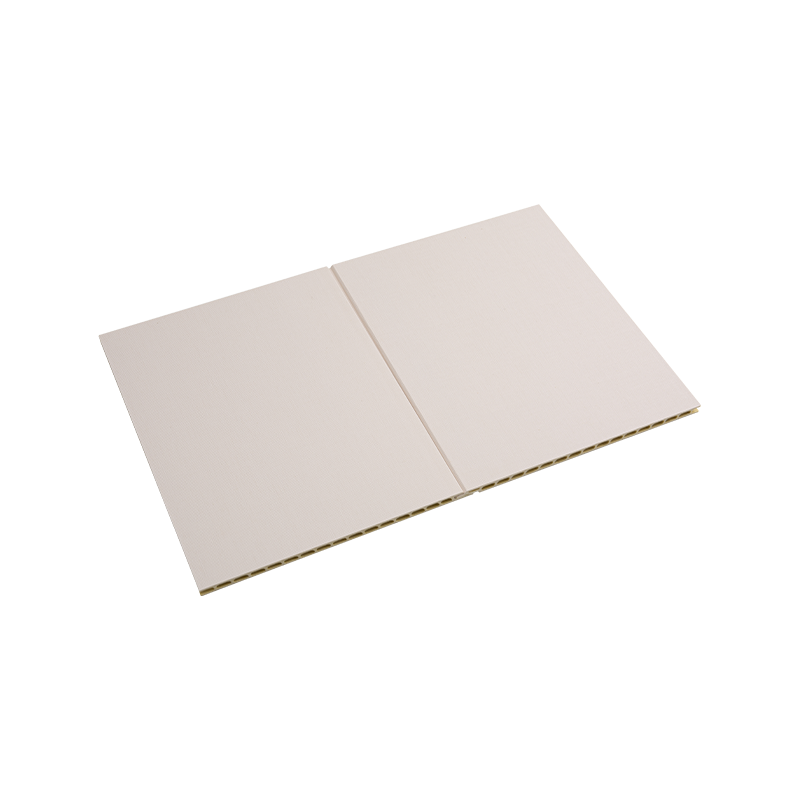
Once the framework is secured, the panels are attached, starting from one corner of the room. The most common joining method utilizes a tongue-and-groove profile. The groove of the new panel slides over the tongue of the previously installed panel, creating a tight, virtually seamless joint. Fasteners—either specialized clips, staples, or concealed screws—are driven through the tongue portion, ensuring they are hidden once the next panel is engaged. This method guarantees a clean, uninterrupted visual surface with no visible fixings. The panels are easily cut to size using standard woodworking tools, allowing for precise fits around windows, doors, and outlets.
Environmental Impact and Sustainability
In an era where the environmental footprint of building materials is heavily scrutinized, the integrated wall panel offers several distinct ecological advantages over traditional construction methods. The sustainability of these panels is evident in their production, installation, and end-of-life phases.
Resource Efficiency in Manufacturing
Many high-quality integrated wall panels incorporate a significant percentage of recycled or reclaimed materials in their cores. Wood fibers sourced from sustainable forestry by-products and recycled polymers are commonly utilized, reducing the demand for virgin raw materials. Furthermore, the manufacturing process itself is highly efficient, generating minimal chemical emissions compared to the production of traditional paints, adhesives, and plasters.
Zero VOC Emissions and Indoor Air Quality
Traditional wet finishes, such as paint and wallpaper paste, are notorious for emitting Volatile Organic Compounds (VOCs) into the indoor environment long after they have dried. These emissions can cause respiratory irritation and other health issues. Integrated wall panels, however, are finished in a factory-controlled setting. By the time they are delivered to the job site, any potential off-gassing has already occurred. When secured using mechanical clips rather than construction adhesives, the installation process contributes zero new VOCs to the indoor air, ensuring a space is safe for occupancy immediately upon completion.
Waste Reduction and Recyclability
Because the panels are manufactured to exacting dimensions, on-site waste is drastically reduced compared to the cut-offs and spoilage associated with drywall or timber framing. Any offcuts that are generated can often be recycled. At the end of their functional lifespan, the panels themselves can be processed to recover the core materials for use in new products, preventing them from ending up in landfills.
Essential Maintenance and Care Guidelines
The durability of an integrated wall panel means that it requires significantly less maintenance than traditional walls. However, to ensure the panels retain their aesthetic appeal and structural integrity over decades of use, a few simple care guidelines should be followed.
- Regularly dust the surface using a microfiber cloth or a soft-bristle brush attachment on a vacuum to prevent the buildup of particulate matter that can dull the finish over time.
- For routine cleaning, wipe the panels with a damp soft cloth. Avoid using abrasive sponges or scouring powders, as these can scratch the UV-protective coating.
- When dealing with stubborn stains, use a mild, pH-neutral soap diluted in water. Harsh chemical solvents, bleach, or acidic cleaners should be strictly avoided as they can degrade the polymer surface and cause discoloration.
- In the event of physical damage, such as a deep scratch or dent, do not attempt to sand or fill the area. Instead, utilize the modular nature of the system; the damaged panel can be unclipped and replaced individually without disturbing the surrounding wall.
- Inspect the joint areas periodically to ensure they remain tight and free of debris, preserving both the moisture resistance and the seamless visual effect of the installation.
Economic Considerations and Return on Investment
When evaluating the cost of an integrated wall panel, it is essential to look beyond the initial per-square-foot price of the material. A true cost analysis must factor in the labor, time, and secondary expenses associated with the entire wall finishing system. While the raw material cost of integrated panels may be higher than that of basic drywall, the holistic economics paint a very different picture.
Reduction in Labor and Time Costs
Labor is the most expensive variable in any construction project. The multi-step process required to finish a drywall wall—taping, mudding, sanding, priming, and painting—requires skilled tradespeople working over several days or weeks. The integrated wall panel eliminates all of these steps. Because the panels arrive on-site fully finished and can be installed by a smaller crew in a single pass, the total installed cost is often lower than that of a traditionally finished wall.
Long-Term Financial Benefits
The economic advantages extend well beyond the completion of the project. The thermal insulation properties of the panels reduce the energy required to heat and cool the building, resulting in lower utility bills year after year. The superior durability means that the walls will not require repainting or refinishing every few years, eliminating those recurring expenses. Additionally, the moisture resistance prevents the hidden structural rot that can lead to catastrophic and incredibly expensive repair bills down the line. When viewed as a long-term investment, the integrated wall panel offers an unmatched return.