 English
 عربى
عربى русский
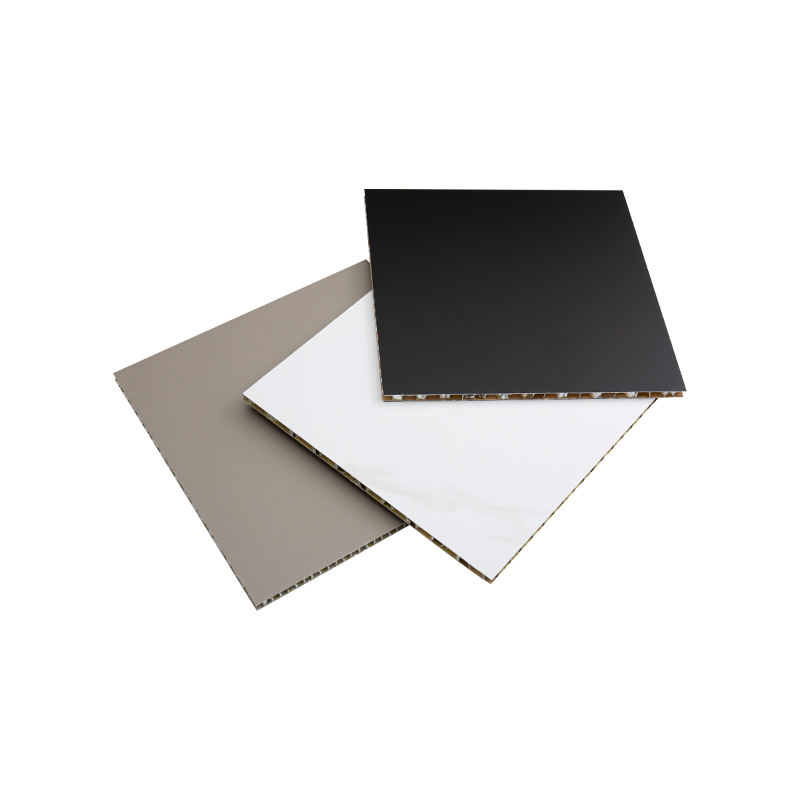
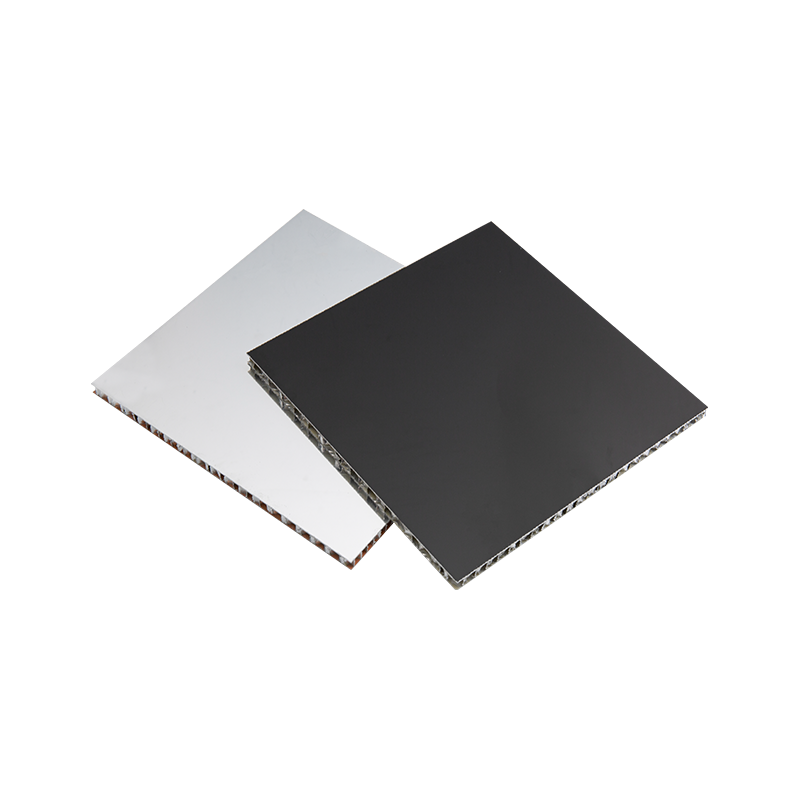
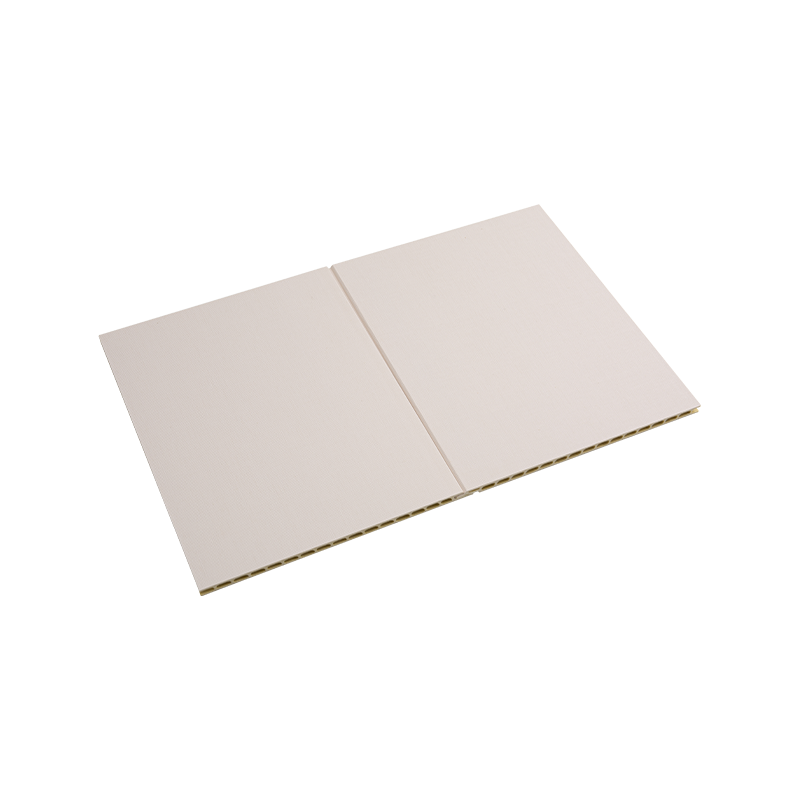
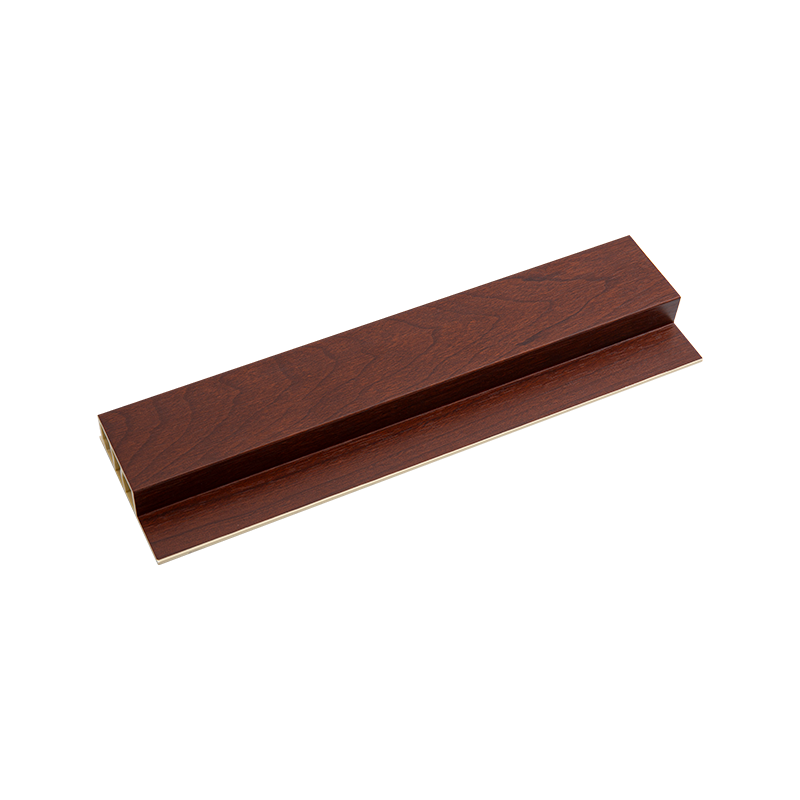
Wall claddings are exterior and interior protective and decorative layers attached to building wall surfaces, delivering three core irreplaceable values: enhancing structural durability, improving building aesthetics, and boosting functional performance. They are no longer optional decorative materials but essential components for modern construction, renovation, and interior design projects, applicable to residential buildings, commercial facilities, industrial structures, and public spaces alike.
High-quality wall claddings can extend the service life of building walls by over 50%, reduce daily maintenance costs by 30% to 60%, and significantly improve thermal insulation, sound insulation, and waterproof performance. With proper material selection and standardized installation, wall claddings create safe, comfortable and aesthetically pleasing built environments while increasing overall property value.
Primary Functions and Practical Advantages of Wall Claddings
Structural Protection Against Environmental Damage
The most fundamental function of wall claddings is to protect the main wall structure from long-term erosion by external environmental factors. Buildings are constantly exposed to sunlight, rain, snow, wind, temperature changes, and air pollutants, which gradually cause cracking, peeling, mildew, and corrosion of basic wall materials.
Wall claddings act as a physical barrier that isolates the load-bearing wall from direct contact with harmful factors. For exterior applications, they resist ultraviolet radiation to prevent wall aging, block rainwater penetration to avoid moisture damage and structural rust, and withstand wind pressure to maintain wall stability. In coastal areas with high salt and humidity, specialized cladding materials reduce corrosion damage by more than 70%, effectively protecting building integrity.
Energy-Saving and Thermal Insulation Performance
Modern wall claddings integrate excellent thermal insulation properties, making them a key energy-saving solution for green buildings. The multi-layer structure of cladding systems forms a stable thermal barrier, reducing heat transfer between indoor and outdoor environments.
In hot climates, exterior wall claddings block solar heat absorption, lowering indoor temperature and reducing air conditioning energy consumption by 25% to 40%. In cold regions, they lock in indoor heat and reduce heating energy loss. This thermal efficiency not only cuts long-term energy expenses but also aligns with global sustainable building standards.
Sound Insulation and Noise Reduction
Sound insulation is a vital functional advantage of wall claddings, especially for urban buildings, offices, schools, and healthcare facilities. Dense cladding materials and their installation structure absorb and block external noise transmission, creating quiet indoor spaces.
High-performance wall claddings can reduce external noise by 20 to 40 decibels, effectively isolating traffic noise, construction sounds and crowd commotion. Interior wall claddings also improve indoor sound insulation, preventing sound transmission between rooms and enhancing privacy and comfort.
Flexible Decorative and Aesthetic Enhancement
Wall claddings offer unlimited decorative possibilities, allowing designers and property owners to customize building appearances and interior styles. They come in diverse textures, colors, patterns, and sizes, replicating natural stone, wood, metal, brick, and other textures with high realism.
Unlike traditional painting and plastering, claddings maintain color stability and surface integrity for years without fading or peeling. They can create modern minimalist, luxurious, rustic, industrial, and other design styles, elevating the visual hierarchy and artistic value of any building.
Classification of Wall Cladding Materials and Application Scenarios
Natural Stone Claddings
Natural stone is a premium wall cladding material, including marble, granite, slate, and sandstone. It features exceptional durability, natural texture and high-end aesthetic appeal, suitable for high-grade commercial buildings, luxury residences, and landmark structures.
Granite claddings offer outstanding weather resistance and load-bearing capacity, ideal for exterior walls. Marble claddings feature delicate textures and elegant colors, mainly used for interior walls and lobbies. Natural stone claddings have a service life of over 50 years with proper maintenance, though they require professional installation due to their weight.
Ceramic and Porcelain Claddings
Ceramic and porcelain claddings are widely used for their cost-effectiveness, waterproofing, and easy maintenance. They are fired at high temperatures, featuring low water absorption, stain resistance, and color stability, suitable for both interior and exterior walls.
These claddings are lightweight and easy to install, making them popular for residential kitchens, bathrooms, balconies, and commercial building facades. Modern ceramic claddings can simulate natural materials with high precision, combining practicality and aesthetics at a lower cost than natural stone.
Wood and Wood-Composite Claddings
Wood claddings bring warm, natural textures to buildings, suitable for rural-style residences, interior feature walls, and outdoor leisure spaces. Solid wood offers eco-friendly and breathable properties, but requires regular anti-corrosion and moisture-proof treatment.
Wood-plastic composite (WPC) claddings, a modern alternative, combine wood powder and plastic, delivering corrosion resistance, moisture resistance and deformation resistance without frequent maintenance. They have a service life of 15 to 25 years and are widely used in humid and outdoor environments.
Metal Claddings
Metal claddings include aluminum, steel, copper, and zinc materials, characterized by modern texture, light weight, and ultra-high durability. Aluminum alloy claddings are the most commonly used, featuring rust resistance, fire resistance, and flexible processing.
Metal claddings are perfect for modern industrial-style buildings, office buildings, and public facilities. They are highly weather-resistant, with a service life of 30 to 50 years, and support various surface treatments such as spraying and wire drawing for diverse visual effects.
Vinyl and Composite Plastic Claddings
Vinyl claddings are lightweight, low-cost, and highly waterproof, making them ideal for budget-friendly construction and renovation projects. They are easy to install, corrosion-resistant, and maintenance-free, suitable for residential exterior walls and interior dry areas.
High-performance composite plastic claddings improve on traditional vinyl, with enhanced UV resistance and structural strength, maintaining performance and appearance for 20 to 30 years in various climatic conditions.
Brick and Fiber Cement Claddings
Brick claddings provide classic, rustic aesthetics with fire resistance and thermal stability, suitable for traditional and retro-style buildings. Fiber cement claddings, made of cement, fiber, and additives, offer excellent fireproofing, moisture resistance, and impact resistance.
Fiber cement claddings adapt to extreme climates and are widely used in industrial buildings, public facilities, and residential exterior walls. They are non-combustible, making them a top choice for projects with strict fire safety requirements.
Comparison of Common Wall Cladding Materials
| Material Type | Durability | Maintenance Cost | Best Application |
|---|---|---|---|
| Natural Stone | High | Medium | Luxury Buildings |
| Metal | Very High | Low | Modern Commercial |
| Ceramic | High | Low | Residential & Commercial |
| Wood Composite | Medium | Low | Residential Exteriors |
| Fiber Cement | High | Low | Fireproof Projects |
Standardized Installation Process for Wall Claddings
Early Preparation and Base Treatment
Successful wall cladding installation starts with thorough base wall treatment. The installation surface must be flat, clean, dry and free of dust, oil, loose materials and cracks. Any unevenness requires leveling repair to ensure stable cladding attachment.
Measurement and layout are critical: accurate measurements of wall dimensions determine cladding cutting specifications, while line marking defines installation positions and gaps. For heavy materials like stone and metal, structural load-bearing assessment ensures the wall can support the cladding weight safely.
Framework and Waterproofing Installation
Most wall claddings require a framework base, usually made of aluminum alloy or galvanized steel, fixed securely to the wall with expansion bolts. The framework ensures even stress distribution, ventilation behind claddings and flat installation surfaces.
Waterproofing is a mandatory step for exterior claddings: waterproof membranes or coatings are applied to the base wall to prevent water penetration. Expansion joints reserved at framework installation accommodate thermal expansion and contraction, avoiding deformation and cracking in extreme temperatures.
Cladding Panel Fixing and Assembly
Cladding panels are fixed to the framework using specialized hooks, bolts or adhesive, following dry installation principles to avoid wet construction pollution. Panels are installed sequentially from bottom to top and corner to center, with even reserved gaps for thermal expansion and drainage.
Installation accuracy directly impacts performance and appearance: horizontal and vertical calibration ensures flatness, while consistent gap width enhances aesthetics. For large-area exterior claddings, sectional installation and real-time adjustment prevent cumulative errors.
Sealing, Inspection and Finishing
Neutral weather-resistant sealant fills cladding gaps to block water, dust and noise. The sealant must be flexible and durable to adapt to temperature changes without cracking or falling off.
Post-installation inspection covers firmness, flatness, sealing and waterproofing: water spray testing verifies waterproof performance, while firmness testing ensures panel stability. Surface cleaning removes stains and adhesive marks, completing the installation process.
Daily Maintenance and Long-Term Care of Wall Claddings
Routine Cleaning Methods
Regular cleaning maintains cladding appearance and performance. Most claddings only need gentle cleaning with clean water and soft cloths or brushes; mild neutral detergent can remove stubborn stains without damaging the surface.
Exterior claddings should be cleaned 1 to 2 times per year; high-pollution or coastal areas require quarterly cleaning. Avoid high-strength acid or alkaline cleaners, steel wool and sharp tools that cause scratches, discoloration and surface damage.
Regular Inspection and Damage Repair
Semi-annual inspections identify issues early: check for loose panels, cracked sealant, stains, deformation and water penetration. Timely repairs prevent minor damage from worsening and extending to the base wall.
Loose components require immediate reinforcement; failed sealant needs removal and reapplication; damaged panels should be replaced with matching specifications. After extreme weather like storms and hail, comprehensive inspections are essential to restore cladding integrity.
Material-Specific Maintenance Requirements
- Natural stone claddings require professional crystal surface treatment every 3 to 5 years to maintain gloss and stain resistance
- Wood and wood-composite claddings need protective oil coating every 2 to 3 years to enhance moisture and corrosion resistance
- Metal claddings require regular anti-rust treatment for connection components to ensure overall structural stability
- Ceramic claddings only need gap cleaning and sealant inspection to maintain long-term performance
Key Factors for Selecting Wall Cladding Materials
Climate and Environmental Adaptability
The local climate is the primary selection factor. Cold regions need claddings with excellent thermal insulation and frost resistance; high-temperature areas require UV-resistant materials; coastal areas need salt-tolerant and anti-corrosion options; rainy regions prioritize waterproof materials.
Building Use and Functional Requirements
Commercial buildings prioritize aesthetics and durability; industrial facilities need fireproof, anti-corrosion and high-strength claddings; residential spaces focus on environmental protection, thermal insulation and cost efficiency; public buildings with high traffic require wear-resistant and easy-to-maintain materials.
Budget and Cost-Effectiveness
Selection should balance upfront costs and long-term expenses. High-durability materials have higher initial costs but lower maintenance and replacement costs, delivering better long-term value. Budget-friendly options work for short-term or low-demand projects, while high-performance claddings are investments for long-term buildings.
Environmental and Safety Standards
Qualified wall claddings must meet formaldehyde emission, heavy metal content and fire safety standards. Interior claddings need low-VOC, non-toxic properties; exterior claddings must be wind-resistant and earthquake-resistant. Choosing eco-friendly, certified materials ensures healthy and safe built environments.
Future Development Trends of Wall Claddings
Smart and Functional Integration
Future wall claddings will integrate smart technologies such as temperature control, self-cleaning, photoelectric conversion and real-time monitoring. Self-cleaning claddings use nanotechnology to decompose stains automatically; photovoltaic claddings generate clean energy while protecting walls, advancing zero-energy buildings.
Eco-Friendly and Recyclable Materials
Sustainability is a core trend, with claddings made from recycled materials, bio-based raw materials and recyclable components. These materials reduce carbon emissions, avoid resource waste and meet global green building requirements. Over 60% of new cladding products will prioritize environmental performance in the next decade.
Lightweight and Simplified Installation
Lightweight claddings reduce building load and transportation/installation costs while maintaining performance. Modular, snap-on installation systems shorten construction periods, reduce labor costs and minimize construction waste, aligning with efficient modern construction needs.
Customized and Personalized Design
Digital manufacturing enables fully customized claddings with personalized colors, textures and patterns. 3D printing and precision cutting create unique, artistic cladding designs, meeting individual aesthetic needs and making each building distinctive.
Summary of Wall Cladding Application Value
Wall claddings are indispensable core components of modern construction, integrating protection, energy saving, decoration and functionality. They solve wall damage, energy waste, noise disturbance and aesthetic limitations, creating safe, comfortable and sustainable spaces.
By selecting the right materials, following standardized installation and performing regular maintenance, wall claddings deliver long-term value, reduce total building costs and enhance property value. As materials and technologies advance, claddings will become smarter, greener and more diversified, leading the future development of architectural wall systems.