 English
 عربى
 русский

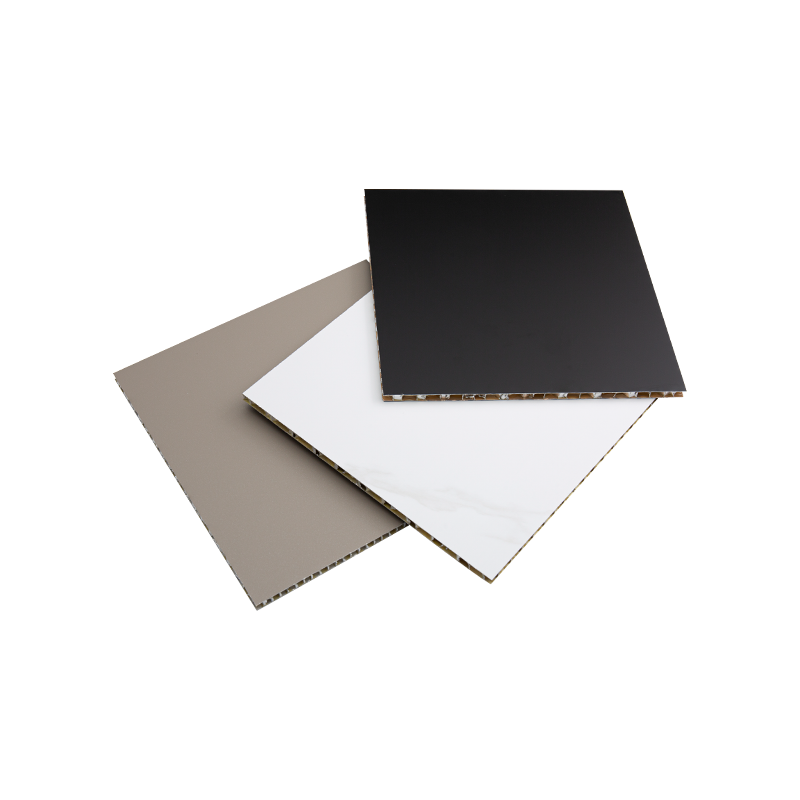
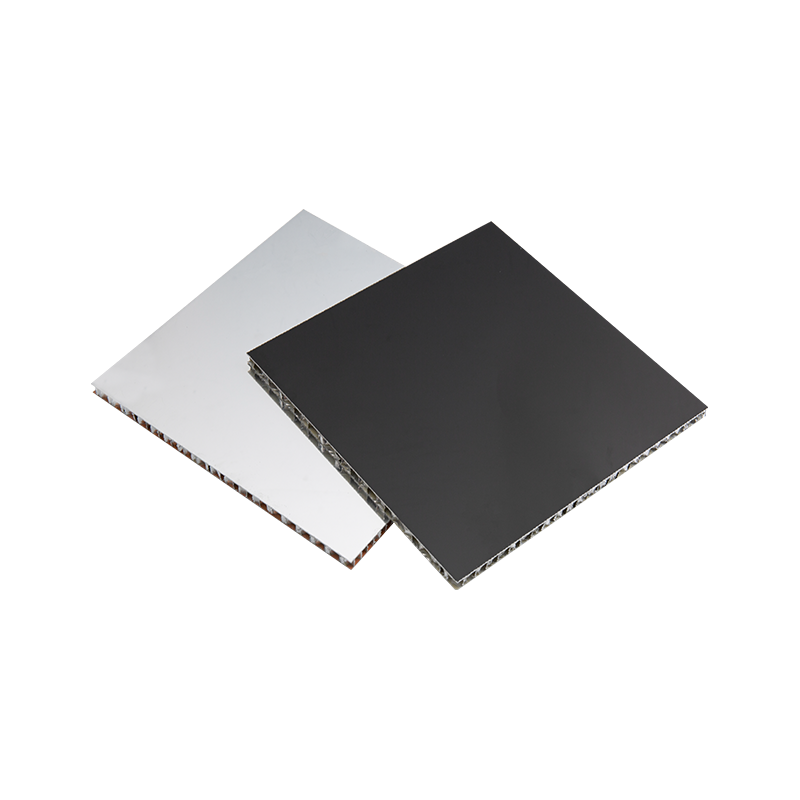
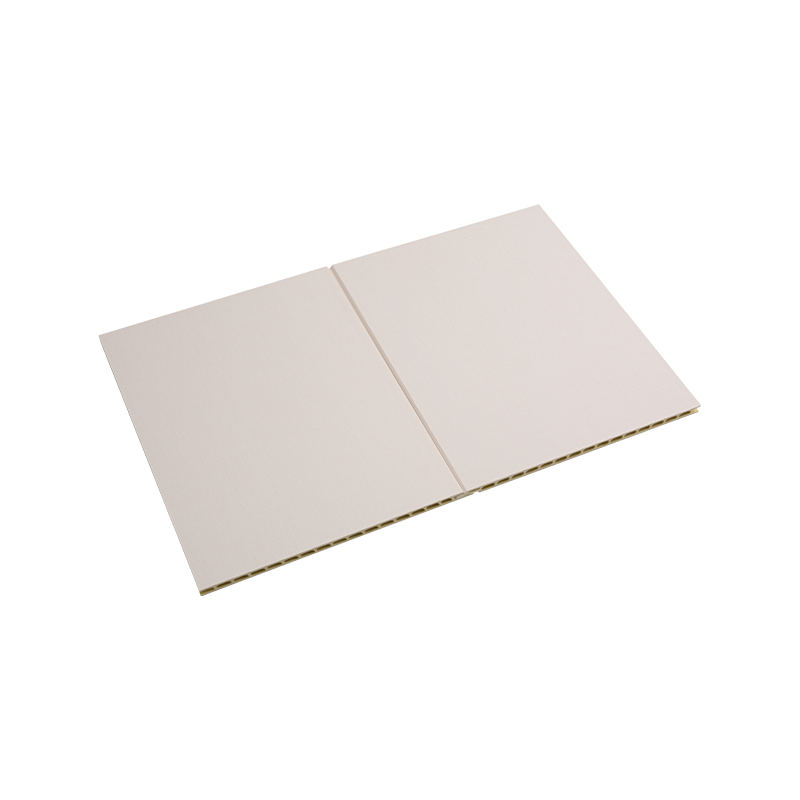

Modern interior wall systems are increasingly designed as coordinated assemblies rather than as individual decorative panels. A WPC wall panel may provide the main surface, but corners, exposed edges, transitions, joints and terminations still need to be resolved. This is where aluminum trim has become an important part of many commercial and residential wall systems.
For importers, interior contractors and project buyers, the combination of WPC wall panels and aluminum decorative profiles can improve both installation control and visual consistency. The value is not simply decorative. Well-matched trims can protect edges, simplify corners, create intentional design lines and reduce compatibility problems between different materials.
Why Wall Panels Are Increasingly Designed as a Complete System
A wall panel is only one visible part of the finished wall system. Even when the panel surface itself is attractive, the project still needs to address how panels meet corners, doors, ceilings, floors and other materials.
Common details include:
- internal corners;
- external corners;
- panel end edges;
- panel-to-panel transitions;
- wall-to-ceiling transitions;
- wall-to-door or wall-to-glass transitions;
- skirting and lower-edge details.
If these details are not planned together, the finished wall can look less refined even when the main panel is good quality.
This is particularly important in hotels, retail interiors, offices and other commercial spaces, where the same wall finish may continue across long surfaces and multiple rooms.
What Aluminum Trim Actually Does in a WPC Wall System
Aluminum trim is often treated as a decorative accessory, but it can perform several practical functions.
Edge Protection
Cut edges are more vulnerable than the main panel surface. During installation and daily use, exposed edges can be damaged by impact, cleaning equipment or repeated contact.
A properly selected aluminum edge profile can help protect the cut edge while creating a cleaner termination.
Corner Formation
Internal and external corners can be difficult to finish neatly if installers rely only on cutting and joining the wall panels themselves.
Corner profiles can simplify this detail by creating a controlled transition between two wall planes. They can also reduce the need for complex on-site cutting.
Joint Management
Aluminum profiles can be used where two panel sections meet or where WPC panels transition to another material.
Examples include:
- WPC to painted wall;
- WPC to glass;
- WPC to stone or tile;
- WPC to another decorative panel;
- wall panel to ceiling system.
A defined transition line is often easier to control than trying to make two unrelated materials meet invisibly.
Visual Separation
Not every trim is intended to disappear. Many modern interiors deliberately use black, gold, champagne, silver or other metallic lines as part of the design.
In these cases, the aluminum profile becomes a visual element that divides large wall surfaces into smaller design modules.
Why Aluminum Is Often Chosen Instead of WPC Trim
WPC trim and aluminum trim can both be useful, but they serve different design priorities.
WPC decorative profiles are well suited to projects that want visual continuity with the wall panel. They can help maintain a consistent woodgrain or similar-material appearance.
Aluminum trim, by contrast, is often chosen when the design calls for sharper edges, narrower lines or metallic finishes.
| Requirement | WPC Trim | Aluminum Trim |
| Same-material appearance | Strong | Moderate |
| Woodgrain continuity | Strong | Limited unless specially finished |
| Metallic finish | Limited | Strong |
| Sharp narrow visual line | Moderate | Strong |
| Modern contrast design | Moderate | Strong |
| Rigid corner definition | Good | Very good |
Where Aluminum Trim Adds the Most Value
Hotel Corridors
Hotel corridors often contain long continuous wall sections, doors, corners and repeated room entrances. Aluminum profiles can help organize these transitions and create consistent visual breaks along the wall.
They can also be useful when a long corridor is intentionally divided into several installation zones.
Hotel Guest Rooms
In guest rooms, aluminum trim can be used around TV walls, headboard areas, feature walls or decorative transitions.
A metallic line can create a more structured appearance without requiring a major change in the main wall-panel surface.
Retail Stores
Retail interiors often use strong visual contrast. Black, brushed silver or gold-tone profiles can separate wall-panel sections and help highlight product-display zones.
Office Interiors
Office projects may need clean transitions between WPC panels, glass partitions, doors or other wall finishes. Aluminum profiles can help create these precise junctions.
Residential Interiors
In residential projects, aluminum trims are commonly considered for TV walls, bedroom feature walls, entrance areas and other decorative surfaces where a clean edge or metallic accent is desired.
Panel Thickness and Trim Slot Size Must Match
Visual compatibility is only useful when mechanical compatibility is correct.
One of the most common problems with separately sourced panels and trims is that the trim slot does not match the actual edge thickness of the wall panel.
Buyers should confirm:
- overall panel thickness;
- actual edge thickness;
- trim internal slot width;
- installation clearance;
- whether adhesive, clips or another fixing layer affects the final fit.
If the Slot Is Too Tight
A trim that is too tight can create several problems:
- difficulty inserting the panel;
- scratching or damaging the decorative film;
- unnecessary restraint on panel movement;
- local deformation at the edge.
If the Slot Is Too Loose
A slot that is too wide can create:
- visible gaps;
- poor alignment;
- unstable appearance;
- inconsistent joint width.
Color Matching Does Not Always Mean Exact Matching
A common assumption is that every aluminum trim should match the wall panel color as closely as possible. That is only one design strategy.
There are generally three useful approaches.
Near-Matching Finish
A warm beige panel may be paired with a champagne aluminum profile, or a grey wall panel with a similar cool metallic finish.
This creates a coordinated look without requiring an exact color match.
Coordinated Contrast
Some combinations intentionally create a clear difference:
- walnut wall panel with black aluminum trim;
- stone-look panel with brushed silver trim;
- light woodgrain with dark bronze trim.
The contrast helps define the panel layout.
Accent Design
In feature walls, gold-tone or other metallic lines may be used as a decorative accent rather than as a concealed edge profile.
For buyers, the important point is to define the intended relationship before production:
- match;
- coordinate;
- contrast.
The Surface Finish of Aluminum Trim Matters
Aluminum decorative profiles can be produced with different surface treatments depending on supplier capability and project specification.
Common finish categories may include:
- anodized surfaces;
- powder-coated finishes;
- brushed surfaces;
- matte finishes;
- polished effects;
- decorative transfer finishes.
The choice affects more than color.
Surface finish can influence:
- scratch visibility;
- gloss level;
- fingerprint visibility;
- cleaning requirements;
- visual consistency under lighting.
For large projects, the approved trim sample should therefore include both color and surface finish.
Aluminum Trim Can Help Divide Long Wall Sections
Long uninterrupted walls create several project challenges. Small installation errors can accumulate, different production batches may need to meet, and the wall can appear visually monotonous.
An aluminum line can act as an intentional design break.
This approach can be useful when:
- a long corridor is divided into repeated modules;
- two wall-panel production batches need a visual transition;
- the design changes from one finish to another;
- the project needs a controlled termination point;
- movement or installation tolerances need to be managed by sections.
The trim does not eliminate the need for correct installation, but it can make the wall system easier to organize visually.
What Buyers Should Confirm Before Ordering Panels and Trims Together
For project or OEM orders, the panel and trim specification should be reviewed together.
Panel
- Panel thickness
- Actual edge thickness
- Effective width
- Surface finish
- Edge geometry
Trim
- Profile type
- Internal slot width
- Visible face width
- Surface finish
- Color or metallic tone
Installation
- Corner detail
- Joint method
- Fixing method
- Cutting method
- Movement allowance
Packaging
- Panel SKU labeling
- Trim SKU labeling
- Project-zone labels
- Separate accessory cartons
- Spare quantity
WPC and Aluminum Trim Pre-Order Checklist
| Item | What to Confirm |
| Panel Thickness | Actual dimension at the area entering the trim |
| Trim Slot | Compatible internal width and installation clearance |
| Trim Type | Internal corner, external corner, end, joint or transition profile |
| Visible Width | How much aluminum remains visible after installation |
| Finish | Matte, brushed, coated or other approved surface |
| Color Strategy | Match, coordinated contrast or accent |
| Length | Suitable for project layout and panel length |
| Packaging | Separate and clear SKU identification |
| Spare Quantity | Allow for cutting, corners and future replacement |
Integrated Sourcing Can Reduce Compatibility Risk
WPC panels and aluminum profiles can be purchased separately, but separate sourcing increases the number of variables the buyer needs to coordinate.
Potential problems include:
- trim slots that do not match panel thickness;
- different interpretations of color or finish;
- different production and delivery schedules;
- insufficient trim quantity;
- difficulty identifying compatible replacement parts later.
When the panel and decorative profile are coordinated before shipment, the supplier can check their fit together rather than treating them as independent products.
For large OEM and project orders, this can make it easier to:
- test fit before shipment;
- coordinate colors and finishes;
- calculate trim quantities;
- label products by project area;
- plan spare profiles;
- reduce on-site adjustments.
Panels and Trims Should Be Designed as One Wall System
Decorative wall projects are increasingly evaluated as complete systems rather than individual material purchases.
The WPC wall panel provides the main surface, but trims determine how that surface ends, turns corners and meets other materials. Aluminum profiles can add precise geometry, edge protection and intentional design lines, while WPC trims remain useful when greater material and woodgrain continuity is preferred.
The best solution depends on the project rather than on one material being universally better than another.
For buyers and contractors, the most important step is to confirm panel thickness, trim dimensions, finish strategy and installation details before production and shipment.
Planning a WPC Wall Panel and Trim System?
Zhejiang QianDuoMu Intelligent Decoration Co., Ltd. supplies WPC wall panels, WPC decorative lines, aluminum decorative profiles and related interior decoration materials for project, distribution and OEM customers.
Share your panel thickness, wall dimensions, preferred surface finish, trim style, quantity and destination market with our team. We can discuss compatible WPC wall panel and decorative-profile combinations, OEM/ODM requirements, packaging and production details for your project.
FAQ
Why are aluminum trims used with WPC wall panels?
Aluminum trims can help finish edges, form corners, create transitions, protect exposed panel sections and add intentional metallic design lines to a WPC wall system.
Is aluminum trim better than WPC trim?
Not in every application. Aluminum trim is well suited to sharp edges, narrow lines and metallic finishes, while WPC trim can provide stronger woodgrain or same-material continuity. The better choice depends on the project design and installation detail.
How should aluminum trim slot size match WPC panel thickness?
The internal slot should be compatible with the actual part of the panel that enters the profile while allowing for the intended installation method. A slot that is too tight can damage the surface or restrict installation, while a slot that is too loose can create visible gaps.
Do aluminum trims need to match the WPC wall panel color exactly?
No. Projects may use near-matching finishes, coordinated contrast or deliberate accent colors. The intended relationship should be confirmed before production.
Can aluminum trims be used to divide long WPC wall sections?
Yes. Decorative profiles can create intentional transition lines between wall sections, different finishes or project zones. They can also help organize the visual layout of long commercial walls.
What should buyers check before ordering WPC panels and aluminum trims together?
Important details include panel thickness, trim slot size, visible trim width, corner and joint type, color or finish strategy, profile length, installation method, packaging labels and spare quantities.