 English
 عربى
 русский

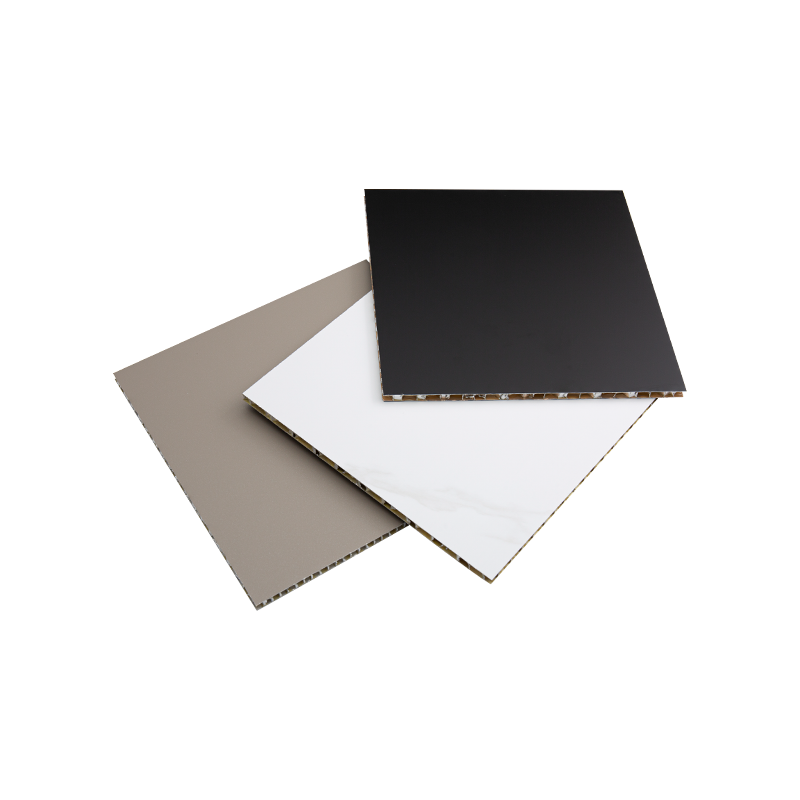
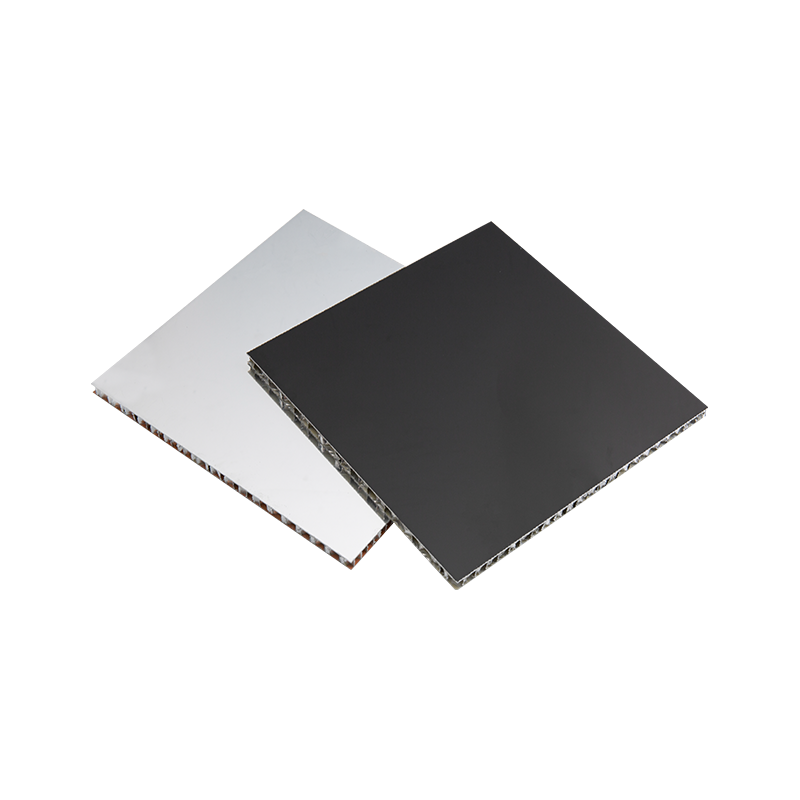
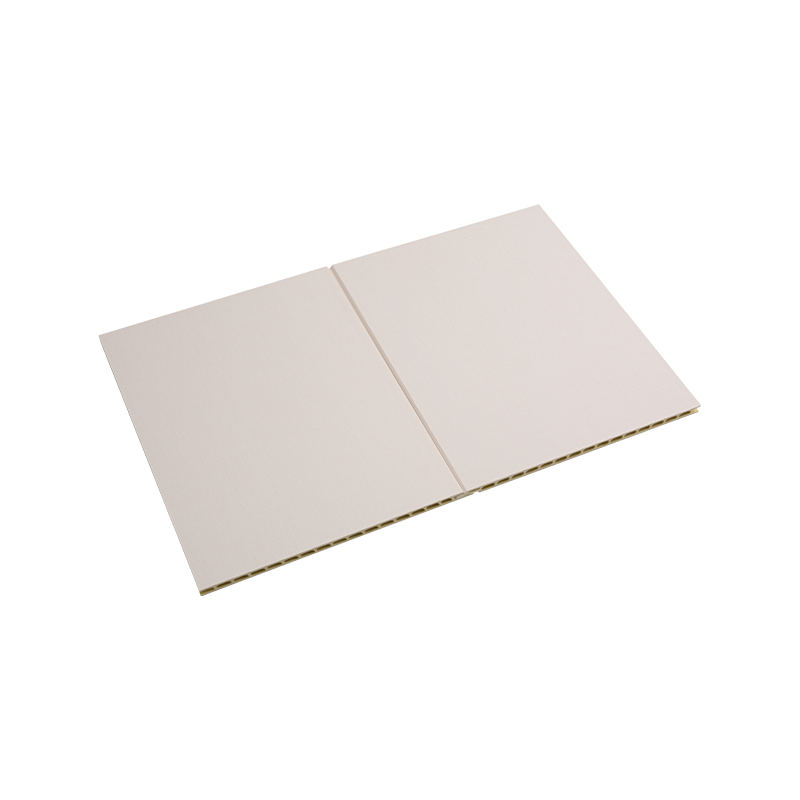
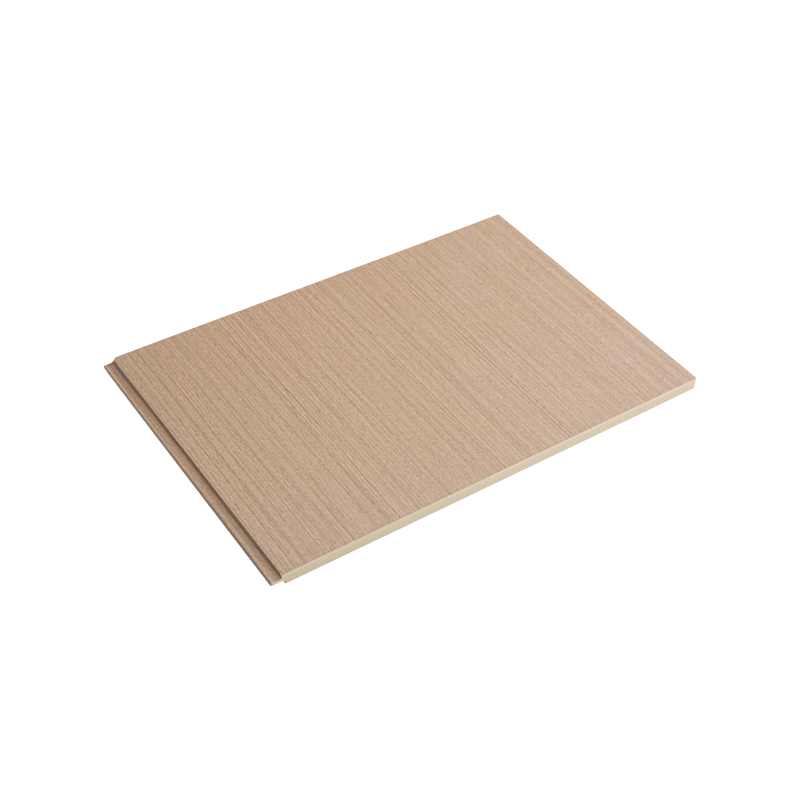
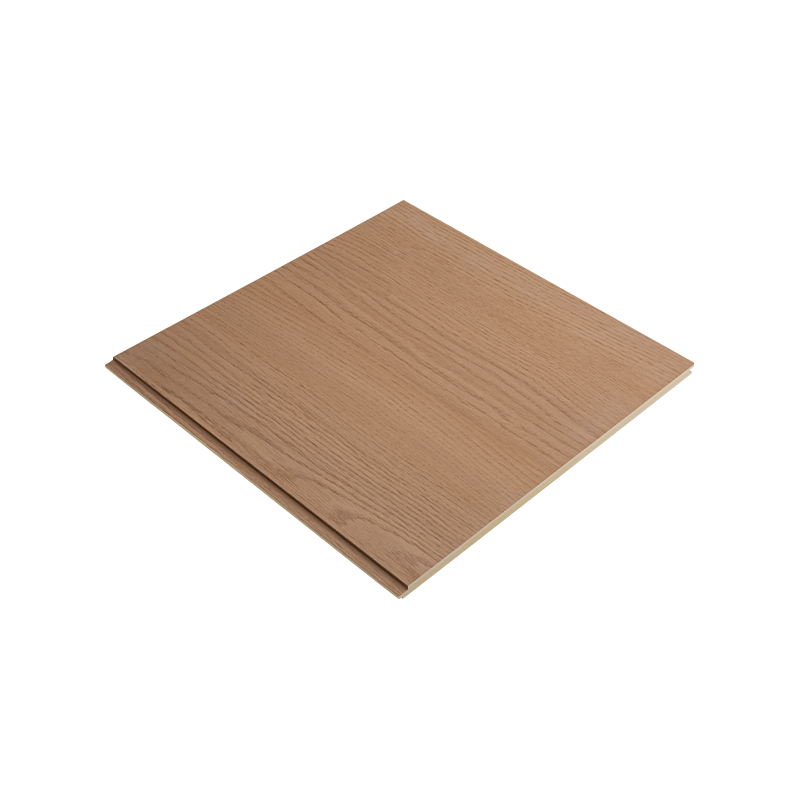
Decorative film gives WPC wall panels much of their visual identity. Woodgrain, stone, fabric, matte and other finishes can transform the same base profile into very different interior products. But when the film begins to bubble, lift at the edge or separate from the panel, the problem is more than cosmetic. Delamination can affect project appearance, customer confidence and replacement costs.
Peeling is often blamed on “bad glue,” but reliable lamination depends on an entire bonding system. The condition of the WPC substrate, film type, adhesive compatibility, surface cleanliness, temperature, pressure, film tension, curing conditions, storage and the final installation environment can all influence long-term adhesion.
For manufacturers, importers and project buyers, understanding these variables makes it easier to prevent problems before thousands of panels are produced or installed.
What Does Decorative Film Delamination Look Like?
Delamination does not always begin as a large sheet of film separating from the panel. Early symptoms may be much smaller and can reveal different causes.
| Failure Type | Typical Appearance | Possible Cause |
| Edge lifting | Film begins to rise along a cut edge or panel end | Insufficient edge bonding, cutting damage or environmental stress |
| Localized bubble | Small raised area under an otherwise bonded surface | Dust, trapped air, moisture or uneven adhesive contact |
| Large-area peeling | Film separates across a significant part of the panel | Adhesive incompatibility, poor surface preparation or incorrect processing |
| Corner lifting | Film releases first at corners or profile edges | Mechanical damage, insufficient pressure or high local stress |
| Delayed separation | Panel looks normal initially but peels after storage or installation | Weak initial bond, incomplete cure, heat, humidity or differential movement |
Substrate Preparation Is the Foundation of Reliable Bonding
Adhesive bonding depends on intimate contact between the adhesive and the panel surface. A surface that looks clean to the eye may still contain contamination capable of reducing adhesion.
Potential problems include:
- wood or mineral dust from cutting and handling;
- oil or lubricant residue from processing;
- moisture;
- loose surface particles;
- release agents or incompatible surface treatments;
- surface irregularities that prevent complete contact.
Dust Is More Important Than It Looks
Fine contamination can create a weak layer between the adhesive and the WPC substrate. The adhesive may bond to the dust rather than directly to the panel.
The surface may initially appear secure, but the weak interface can later fail when the laminate is exposed to temperature changes or mechanical stress.
Moisture Can Affect the Bonding Process
The acceptable moisture condition depends on the adhesive system, but uncontrolled moisture should never be ignored. It can interfere with surface contact, adhesive curing or the stability of the laminated structure.
Manufacturers should therefore keep substrate preparation consistent rather than relying on visual judgment alone.
Lamination Temperature, Pressure and Line Speed Must Work Together
Decorative film lamination is a process window rather than a single machine setting.
Temperature affects adhesive flow and activation. Pressure determines how completely the film and adhesive contact the substrate. Line speed controls how much time the system has to heat, wet the surface and form the initial bond.
If one parameter changes substantially while the others remain unchanged, bond quality can become unstable.
Temperature That Is Too Low
Depending on the adhesive system, insufficient temperature can result in poor activation or inadequate adhesive flow. The film may appear attached but have relatively weak peel resistance.
Excessive Heat Can Also Create Problems
More heat does not automatically mean stronger adhesion. Excessive processing temperature can affect films, adhesives and thermoplastic substrates differently.
The correct processing window should therefore be determined for the specific film, adhesive and panel combination rather than copied from another product line.
Uneven Roller Pressure
If pressure is inconsistent across the panel width, some areas may achieve strong contact while others remain weak. This can later appear as localized bubbles, edge lifting or parallel zones of poor adhesion.
Film Tension Matters
Decorative film should be guided consistently through the lamination process. Excessive tension can stretch the film during application. When that tension is later released, the film may attempt to recover, increasing stress at edges and corners.
Insufficient or unstable tension can create wrinkles, misalignment or inconsistent contact.
Adhesive and Film Compatibility Cannot Be Assumed
Decorative wall panels can use different film technologies and adhesive systems. A bonding solution that performs well with one surface film is not automatically suitable for another.
Compatibility depends on factors such as:
- film chemistry;
- film backing or treatment;
- WPC substrate surface properties;
- adhesive type;
- application temperature;
- required open or curing time;
- expected service temperature;
- humidity and cleaning exposure.
For this reason, manufacturers introducing a new decorative film should validate the complete film-adhesive-substrate combination rather than assuming that an existing process can be used without adjustment.
Why Heat and Humidity Can Expose a Weak Bond
A newly laminated panel can look perfect during factory inspection and still develop problems later if the original bond has insufficient margin for the service environment.
Temperature changes can affect both the panel and decorative film. Because the materials do not necessarily expand at exactly the same rate, repeated heating and cooling can create shear or peel stress at the bonded interface.
Higher temperatures can also change the mechanical behavior of some adhesive systems.
Risk Can Increase in Certain Applications
Projects requiring additional attention may include:
- interiors in hot climates;
- areas close to large windows and strong solar heating;
- commercial spaces where HVAC is switched off overnight;
- hotel or residential areas with changing humidity;
- warehouses without temperature control;
- products exposed to high container temperatures during shipping.
This does not mean laminated WPC panels cannot be used in these environments. It means that the bonding system should be validated for the intended conditions.
Edge Damage and Cutting Can Start a Peeling Failure
Many delamination failures begin at an edge rather than in the middle of the panel.
A bonded surface is relatively protected across the main face. At the edge, however, the interface may be exposed to cutting forces, impact, moisture, cleaning and repeated handling.
Blunt Cutting Tools Can Damage the Laminate
Poor cutting can pull or tear the decorative film away from the substrate. A very small lifted edge may not appear serious during installation, but it creates a starting point from which separation can progress.
Installers should therefore use suitable cutting equipment and avoid tearing or dragging the decorative layer at the panel edge.
Corners Need Careful Handling
Corners and panel ends receive more physical contact during loading, unloading and installation. Protective packaging should therefore reduce impact on these vulnerable areas.
When decorative trims are used, their dimensions should also match the wall panel so that the film is not continuously scraped or compressed during installation.
Storage and Shipping Can Affect Laminated Panels
A panel that passes factory inspection still needs to survive the supply chain.
Export WPC wall panels may travel through:
During that journey, the product may experience temperature changes, stacking pressure, vibration and humidity.
Manufacturers should avoid packing newly laminated products before the bonding system has reached the appropriate handling condition. Packaging should also protect decorative surfaces and edges from abrasion.
At the destination, panels should be stored according to the product requirements rather than left in direct sunlight, near uncontrolled heat sources or in standing water.
Cleaning Chemicals Can Create Problems After Installation
Another overlooked risk comes after the wall is completed.
Hotels, retail stores, hospitals and other commercial interiors may be cleaned frequently. Strong solvents or aggressive cleaning chemicals can affect some decorative films, coatings or adhesive interfaces.
The correct cleaning method depends on the actual surface system. Buyers and facility operators should therefore follow the cleaning recommendations for the specific decorative finish instead of assuming that every plastic-based wall panel has identical chemical resistance.
A new cleaning product should be tested on a small, inconspicuous area if compatibility is uncertain.
How Manufacturers Can Reduce Delamination Risk
Reliable lamination requires process control at several stages rather than only an appearance check at the end of the line.
- Control substrate cleanliness: keep dust, oil and unwanted residue away from the bonding surface.
- Control incoming decorative film: identify film type, lot and surface condition.
- Validate adhesive compatibility: test new film, substrate or adhesive combinations before full production.
- Maintain process settings: control temperature, line speed, roller pressure and film tension within the validated process window.
- Protect the curing process: avoid premature handling or environmental exposure where the adhesive system requires additional cure time.
- Check edges and corners: early lifting should be treated as a warning sign rather than ignored.
- Run adhesion testing: use repeatable peel or bond checks suitable for the specific product.
- Evaluate aging where necessary: higher-risk products can be assessed after controlled heat or humidity exposure.
Why Peel Testing Is Useful
Visual inspection can identify bubbles, wrinkles and obvious lifting, but it cannot always show whether the bond has sufficient strength.
A repeatable peel test can help manufacturers compare:
- different production batches;
- different adhesive lots;
- new decorative films;
- changes in lamination settings;
- products before and after conditioning.
The acceptance criteria should be defined for the specific product and process rather than using an arbitrary universal number.
What Buyers Should Check Before Approving Mass Production
Surface
- No bubbles
- No wrinkles
- No obvious contamination
- Consistent gloss and texture
Edges
- No lifting
- No tearing after cutting
- No film damage around profile joints
- Corner finish remains stable
Production Reference
- Approved film code
- Golden sample
- Production batch code
- Confirmed adhesive / process system
Project Conditions
- Indoor application confirmed
- Temperature conditions reviewed
- Humidity exposure considered
- Cleaning requirements understood
For OEM orders, the approved surface sample should remain part of the mass-production specification. If the decorative film changes after approval, the new material should normally be rechecked rather than treated as automatically equivalent.
What Should Be Done If the Film Starts Peeling After Installation?
The first step is to determine whether the problem is local or systemic.
One Damaged Edge
If peeling occurs only where a panel was cut or impacted, the issue may be related to local mechanical damage.
Several Panels From the Same Batch
If similar lifting appears across many panels, the production batch, film lot, lamination process and storage history should be reviewed.
Only One Project Area
If the same product performs normally elsewhere but peels only in one room or zone, investigate local temperature, humidity, heat sources, cleaning chemicals and installation conditions.
Do Not Simply Add More Glue Without Diagnosing the Cause
Pressing a lifted edge back with an unrelated adhesive may hide the symptom without resolving the underlying problem. The repair material may also react differently with the decorative film or panel.
A better process is:
If the original bond has failed across a large area, replacement may be more reliable than attempting a cosmetic repair.
Delamination Prevention Begins Before the Film Reaches the Panel
Decorative film adhesion is not a feature that can be inspected into a product at the end of manufacturing.
It starts with compatible materials and a clean substrate. It depends on stable lamination temperature, pressure, speed and film handling. It continues through curing, packaging, shipping and storage. Finally, it is influenced by the environment in which the finished wall panel is installed and maintained.
For buyers, this means that a surface sample should be evaluated not only for color and pattern but also as part of a complete production system.
For manufacturers, maintaining controlled process parameters and traceable film and production batches makes it easier to prevent failures and investigate them if they occur.
Planning a WPC Decorative Wall Panel Project?
Zhejiang QianDuoMu Intelligent Decoration Co., Ltd. provides WPC wall panels, wall cladding, decorative lines, aluminum profiles and related interior decoration materials for project, distribution and OEM customers.
If your project requires specific woodgrain, stone, matte or other decorative finishes, share your panel dimensions, surface requirements, quantity, application and destination market with our team. We can discuss available WPC wall panel options, matching decorative profiles, OEM/ODM requirements, packaging and production details for your order.
FAQ
Why does decorative film peel from WPC wall panels?
Possible causes include surface contamination, incompatible adhesive and film combinations, insufficient bonding conditions, uneven pressure, incomplete cure, edge damage, excessive heat or environmental stress. More than one factor may be involved.
Can moisture cause WPC wall panel film to peel?
Moisture can affect some adhesive systems and may contribute to bonding problems if the substrate, adhesive or finished laminate is exposed under unsuitable conditions. The effect depends on the specific materials and bonding system.
Why does film often start peeling from the panel edge?
Edges are more exposed to cutting, impact, handling, moisture and mechanical stress. Small cutting damage or inadequate bonding at an edge can create a starting point for further separation.
Can high temperature cause decorative film delamination?
High temperatures can change the mechanical behavior of adhesives and create different rates of expansion between the film and substrate. A properly designed laminate should therefore be validated for its expected service temperature range.
How can manufacturers test decorative-film adhesion?
Manufacturers can use controlled visual inspections together with repeatable peel or bond tests appropriate to the product. Additional conditioning under heat or humidity may also be useful when evaluating products intended for more demanding environments.
Can peeling decorative film simply be glued back?
Minor local damage may sometimes be repairable, but the root cause should be identified first. If the original adhesive interface has failed over a large area, panel replacement may be more reliable than applying another adhesive to the surface.