 English
 عربى
عربى русский
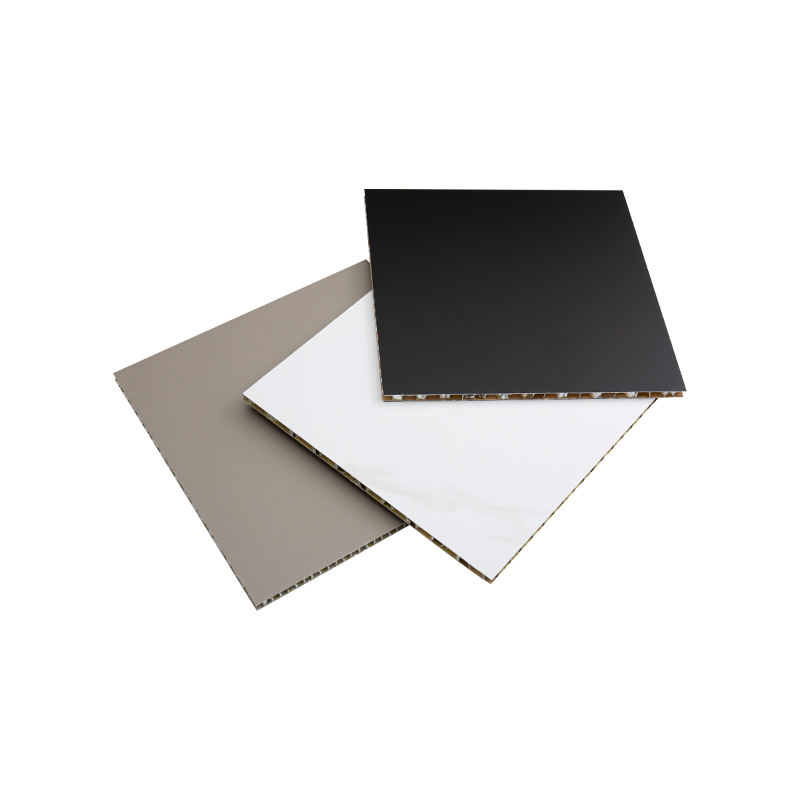
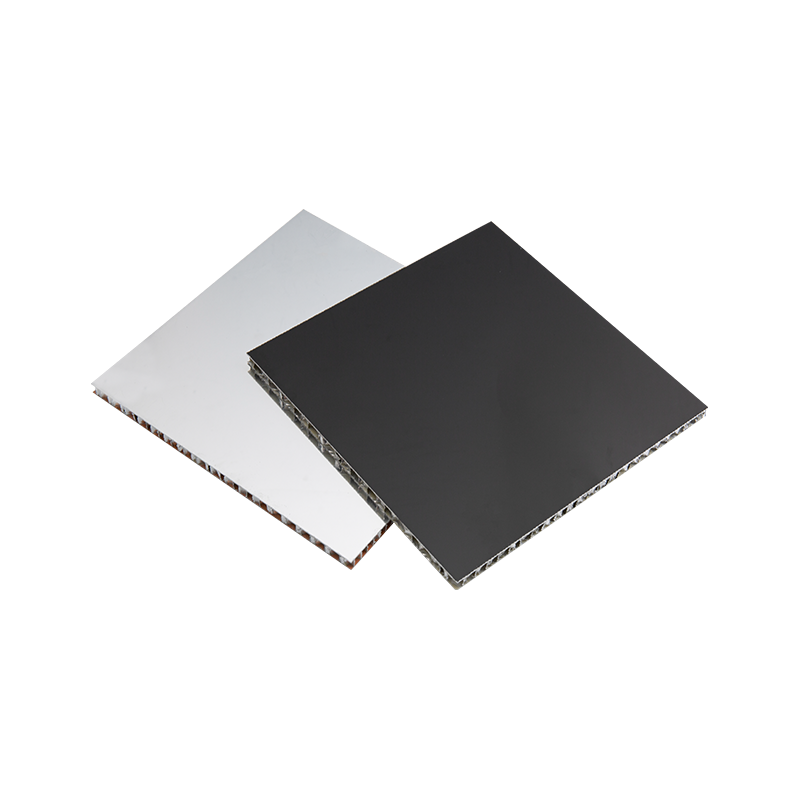
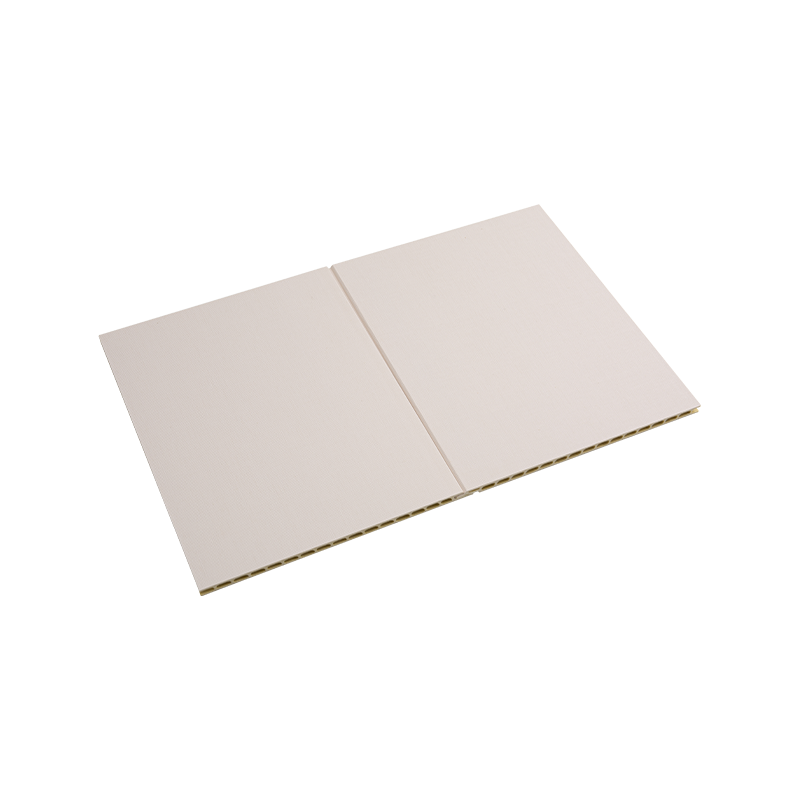

WPC wall panels have become a popular alternative to traditional wood, PVC panels, painted drywall, and other decorative wall finishes. Their combination of wood fibers and polymers can provide consistent appearance, relatively low maintenance, and good moisture resistance. They are widely used in living rooms, bedrooms, offices, hotels, retail interiors, and commercial decoration projects.
However, WPC should not be treated as a perfect material for every wall or environment. Its actual performance depends on panel structure, polymer type, wood-fiber content, surface treatment, manufacturing quality, installation method, and exposure conditions.
Before choosing WPC wall paneling, buyers should understand its limitations as well as its advantages. The following are some of the most important downsides of WPC wall panels to consider.
Moisture Resistance Has Limits: Joints, Cut Edges, and Wet Areas
One of the most common selling points of WPC wall panels is moisture resistance. Compared with untreated solid wood or MDF-based decorative panels, WPC generally performs much better in humid environments because the polymer component helps reduce direct water absorption.
However, moisture-resistant does not necessarily mean that every WPC wall panel can be continuously exposed to water.
The panel surface may tolerate occasional splashes, normal indoor humidity, and routine cleaning, while other parts of the installation can remain more vulnerable. Cut edges, joints, screw holes, adhesives, backing materials, and the wall substrate itself may still be affected by trapped moisture.
This becomes particularly important in bathrooms, basements, laundry rooms, and humid climates. If water repeatedly enters behind the panel and cannot evaporate, problems may develop even when the visible WPC surface looks unaffected. Depending on the panel construction, these problems can include edge swelling, adhesive failure, mold growth behind the cladding, separation of decorative layers, or deformation around joints.
Installation quality therefore matters as much as the panel material.
For moisture-prone locations, buyers should check:
- Whether the panel is approved for the intended wet-area application
- Whether cut edges require sealing
- How joints and corners should be treated
- Whether the wall must be waterproofed before installation
- Whether ventilation is sufficient to prevent condensation
- Whether direct and continuous water exposure is allowed
WPC can be a practical choice for many humid spaces, but it should not automatically be treated like a waterproof membrane.
UV Fading, Heat Exposure, and Thermal Expansion
WPC wall panels can also change when they are exposed to sunlight and temperature fluctuations over long periods.
Interior panels installed on west-facing walls or near large windows may receive several hours of strong sunlight every day. Over months or years, UV exposure can gradually affect both the polymer and the decorative surface finish.
Possible changes include fading, yellowing, reduced gloss, surface chalking, or uneven color between areas that receive different amounts of sunlight.
The severity depends heavily on the formulation. Panels with better UV stabilizers, higher-quality decorative films, or co-extruded protective surfaces generally provide better resistance than low-cost products with limited surface protection.
Heat is another consideration.
WPC contains thermoplastic materials, which naturally expand when heated and contract when cooled. If installers leave insufficient expansion space, dimensional movement can place pressure on joints and edges.
This may lead to:
- Tight or raised joints
- Edge lifting
- Slight bowing
- Clicking or movement noises
- Separation around corners or trims
This is particularly important for long panels installed across large wall areas.
WPC panels should also be kept away from excessive localized heat unless the product manufacturer specifically approves the application. Walls directly beside fireplaces, heating equipment, ovens, or other high-temperature sources may require a different wall finish or additional heat protection.
There is no single temperature limit that applies to every WPC panel. Polymer type, formulation, thickness, surface layer, and installation system all affect heat resistance. Product-specific technical data should therefore take priority over general claims.
Scratches, Dents, and Difficult-to-Match Repairs
WPC wall panels are relatively durable for decorative use, but they are not immune to mechanical damage.
Furniture movement, vacuum cleaners, luggage, children’s toys, pet claws, tools, and other everyday impacts can leave scratches or dents on exposed surfaces. Darker finishes and smooth decorative films may show light-colored scratches more clearly than textured or lighter finishes.
Cleaning methods can also damage the surface.
Abrasive pads, hard brushes, strong solvents, or aggressive chemical cleaners may dull the finish, remove printed patterns, or permanently change surface gloss. Buyers should follow the manufacturer’s recommended cleaning method instead of assuming the panel can be treated like ceramic tile or unfinished wood.
Repair is another disadvantage.
Solid wood can often be sanded, refinished, stained, or repaired locally. A WPC decorative panel may be more difficult to restore once the outer surface is deeply damaged.
Minor marks may sometimes be concealed using touch-up products, but exact matching can be difficult because:
- The repair compound may not reproduce the original texture
- Printed wood grain cannot easily be recreated
- Gloss levels may differ
- Older panels may have faded slightly
- Replacement panels from another production batch may vary in color
Painting over WPC is also not always a simple solution. Surface films and polymer-rich layers may provide poor paint adhesion unless they are correctly prepared and compatible coatings are used.
For severe scratches, cracks, dents, or damaged locking edges, replacing the affected panel is often the most practical repair.
Cost, Installation Tolerances, and Hidden Labor
The purchase price of a WPC panel is only one part of the total installation cost.
Additional expenses may include wall preparation, adhesives, screws, battens, clips, trims, corner profiles, electrical outlet adjustments, cutting tools, labor, transport, and waste allowance.
Wall flatness is especially important.
If the substrate is severely uneven, simply gluing long WPC panels directly to the wall can result in visible gaps, misaligned joints, or an uneven finished surface. Some projects therefore require additional leveling work or a batten system before installation begins.
The condition of the existing wall also matters. Adhesive installation may not perform reliably on dusty, damp, loose, peeling, or contaminated surfaces.
Although many WPC wall panels are marketed as DIY-friendly, the installation becomes more complicated around:
- Windows and doors
- Inside and outside corners
- Light switches and electrical outlets
- Uneven ceilings
- Sloped walls
- Decorative niches
- Plumbing penetrations
The first few panels must also be carefully aligned. A small error at the beginning of a wall can become increasingly obvious as installation continues.
Waste should therefore be included in the project budget. Additional panels may be needed for incorrect cuts, pattern matching, damaged edges, future repairs, or complex room layouts.
For homeowners, WPC can still offer convenient installation compared with some traditional finishes. For larger commercial projects, however, professional measurement and installation often reduce long-term problems and unnecessary rework.
Artificial Appearance, Hollow Sound, and Indoor Emissions
WPC can reproduce wood-like colors and textures very effectively, but it does not always provide the same appearance and tactile quality as natural timber.
Lower-cost decorative panels may show repeated grain patterns, excessive surface shine, visible film edges, or a plastic-like appearance when viewed closely. These differences may be relatively minor in large commercial interiors but more noticeable in premium residential spaces where natural material appearance is important.
The structure of the panel can also affect how it sounds.
Many decorative WPC panels use hollow or ribbed profiles to reduce weight and material consumption. When tapped, they may produce a more hollow sound than solid wood, masonry, or dense wall systems.
This should not automatically be interpreted as poor acoustic performance.
A decorative WPC panel may change room reflections, and some wall systems combining slatted panels, cavities, and acoustic backing can help manage sound absorption. However, thin decorative WPC cladding should not be confused with a tested sound-insulation wall assembly.
Indoor air quality is another factor buyers should evaluate.
WPC products contain polymers, additives, pigments, stabilizers, adhesives, and sometimes decorative laminates. New materials can therefore produce an odor after unpacking or installation.
VOC performance varies considerably between manufacturers and products. A broad claim such as “eco-friendly” or “zero VOC” should not replace actual technical documentation.
For bedrooms, hotels, offices, schools, or other sensitive indoor environments, buyers may want to request relevant emission or indoor-air-quality test reports and ensure good ventilation after installation.
Quality Can Vary Significantly Between WPC Wall Panels
One of the less obvious disadvantages of WPC is that products sold under the same material name can have very different performance.
Two WPC panels that look almost identical in an online photograph may differ significantly in:
- Wood-fiber-to-polymer ratio
- Polymer type
- Use of virgin or recycled material
- Panel density
- Wall thickness
- Hollow profile design
- Surface film quality
- UV stabilization
- Flame-retardant additives
- Dimensional stability
- Odor and emission performance
This helps explain why online reviews of WPC wall panels can appear contradictory. One customer may use a high-quality panel for years without major problems, while another experiences warping, color changes, brittle edges, or surface peeling.
The material category alone does not determine performance.
For large residential developments, hospitality projects, commercial interiors, or distributor purchases, it is therefore better to compare technical specifications, physical samples, test reports, and installation requirements rather than choosing only by color and price.
Fire performance is particularly important. A WPC wall panel should not automatically be described as “fireproof.” Fire classification depends on the specific product construction and testing. For projects in the United States, buyers should confirm which fire-performance documentation is required for the building and application before placing an order.
When Do WPC Wall Panels Make Sense?
The downsides of WPC wall panels do not mean that WPC is a poor wall-finishing material. They simply show why application conditions and product quality matter.
WPC can be a practical choice when you want decorative wall cladding with consistent appearance, low routine maintenance, and better moisture resistance than many wood-based alternatives.
You should be more cautious when the installation involves continuous water exposure, intense sunlight, high temperatures, demanding fire classifications, or luxury interiors where authentic natural wood texture is the priority.
Before choosing a panel, check the substrate, moisture conditions, expected temperature exposure, installation system, fire requirements, surface durability, and available test documentation.
Zhejiang QianDuoMu Intelligent Decoration Co., Ltd. supplies WPC wall panel solutions for residential and commercial decoration projects. Buyers can compare different panel structures, surface finishes, dimensions, and application requirements through qianduomuwpc.com before selecting the most appropriate product for a specific project.
FAQ
What are the most serious downsides of WPC wall panels compared with real wood or PVC panels?
Common disadvantages include thermal expansion, possible UV fading, difficult surface repairs, artificial-looking textures on lower-quality products, and performance differences between manufacturers. Real wood generally provides a more natural finish, while PVC panels may offer different moisture, weight, or cost advantages depending on the application.
Are WPC wall panels suitable for bathrooms, basements, or other high-moisture areas?
They can be suitable for many humid locations, but suitability depends on the specific panel and installation system. Joints, cut edges, backing materials, adhesives, and the wall substrate must also be protected from trapped moisture.
Do WPC wall panels fade, yellow, or discolor over time in sunny rooms?
They can. Long-term UV exposure may cause fading, yellowing, or other surface changes. Panels with higher-quality UV-resistant surfaces generally perform better in rooms with strong sunlight.
Do WPC wall panels expand, contract, or warp with temperature changes?
Yes. Like other polymer-containing materials, WPC expands and contracts as temperature changes. Proper expansion gaps, fastening methods, and installation spacing help reduce the risk of buckling or edge movement.
How do you repair scratches, dents, or damaged WPC wall panels?
Minor marks may sometimes be concealed with compatible repair products, but deep damage is difficult to restore invisibly. In many cases, replacing the damaged panel provides a better visual result.
Do WPC wall panels meet US fire safety requirements for interior wall use?
Some products may meet applicable requirements, but fire performance is product-specific. Buyers should request relevant test documentation and verify the requirements for the particular building, occupancy, and installation.
Is WPC wall paneling recyclable?
Recycling can be more complicated than recycling a single-material product because WPC combines wood fibers, polymers, additives, and sometimes decorative surface films. Local recycling capabilities vary, so disposal and recycling options should be checked with local waste-management providers.