 English
 عربى
عربى русский
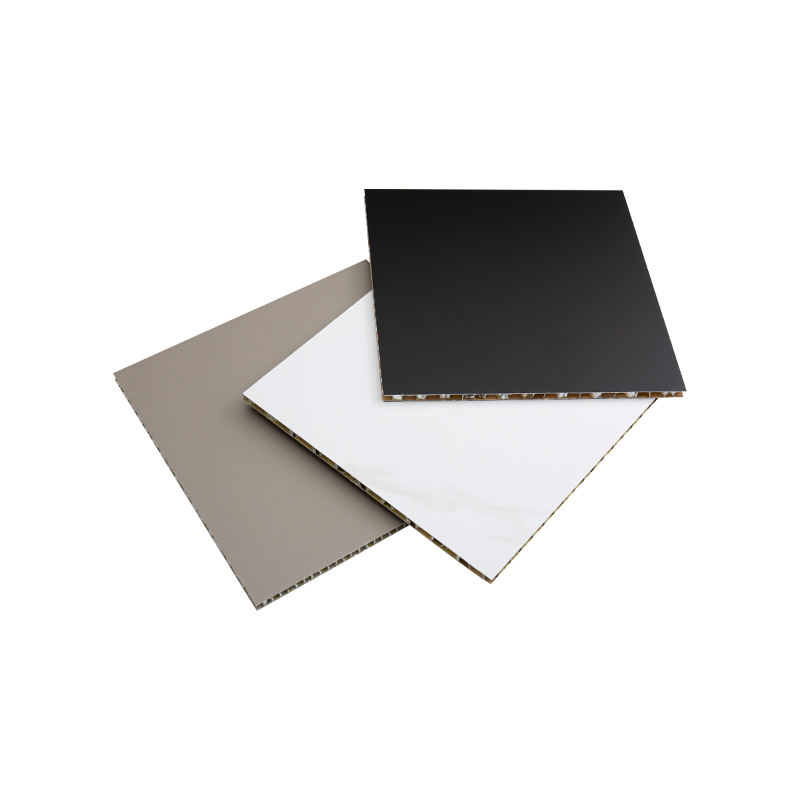
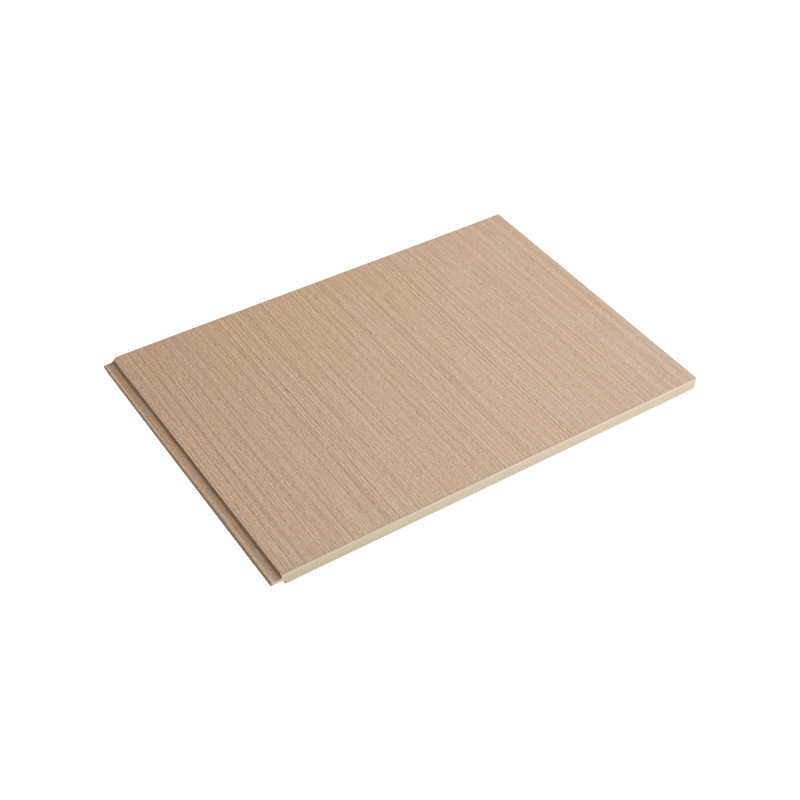
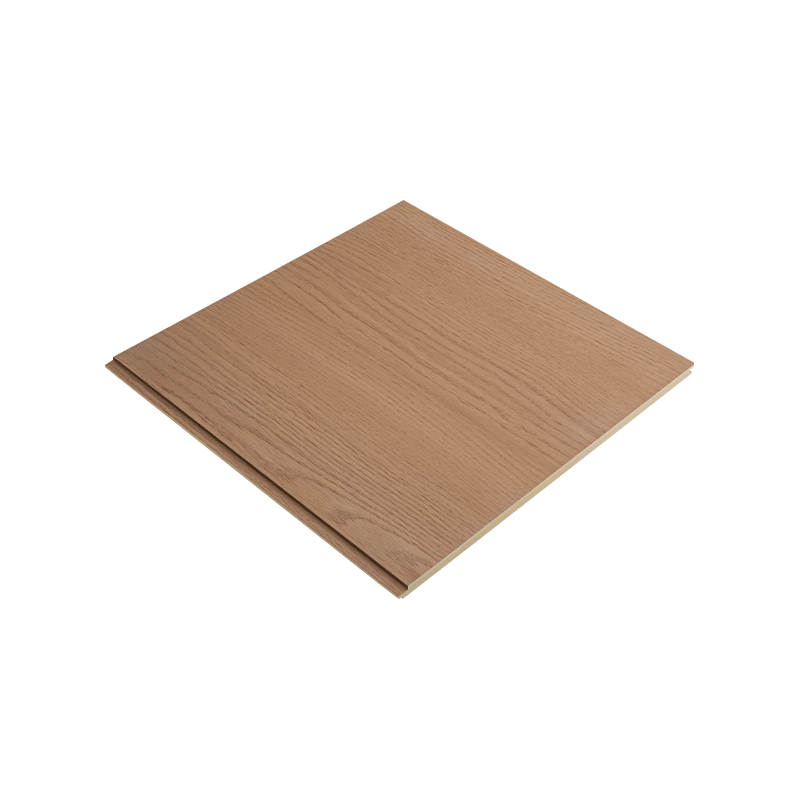
Integrated wall panels are comprehensive, prefabricated surfacing materials designed to revolutionize interior renovations. They combine decorative surface finishes with functional underlying substrates to deliver superior thermal insulation, effective soundproofing, and exceptional moisture resistance. By replacing traditional painting, wallpapering, and tiling processes, integrated wall panels offer a rapid, dust-free, and highly durable solution for both residential and commercial environments.
Understanding the Core Material Composition
The performance of an integrated wall panel heavily depends on its fundamental material composition. Manufacturers utilize various substrates to cater to different environmental requirements and budget considerations. Understanding these materials is crucial for selecting the right panel for a specific space.
Bamboo and Wood Fiber Blends
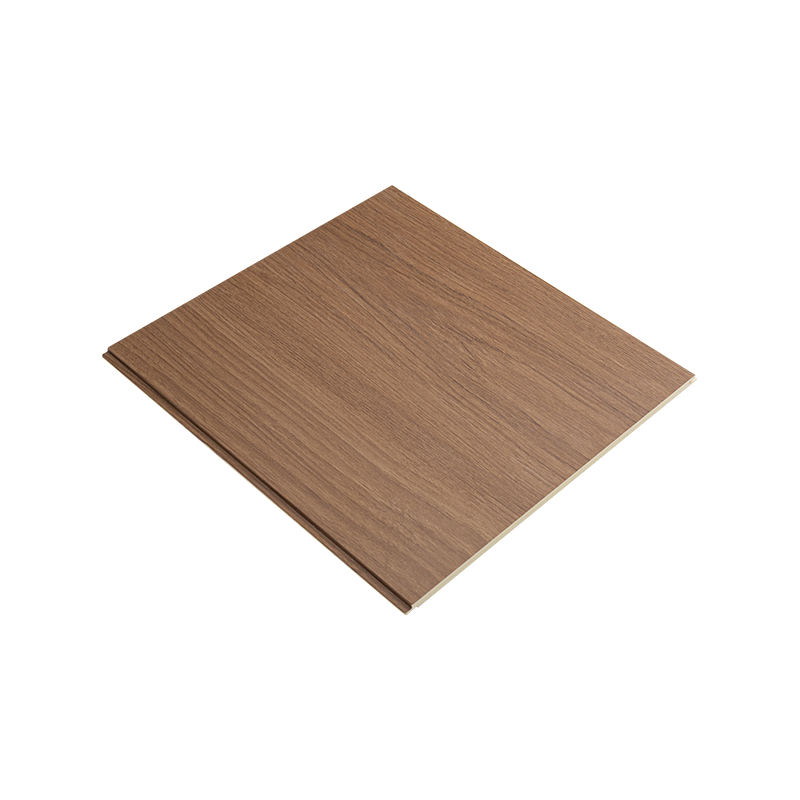
One of the most prevalent types is manufactured using bamboo and wood fibers mixed with polymer resins. This combination is extruded under high temperature and pressure. The result is a highly resilient material that mimics the appearance of natural wood while offering enhanced stability. It does not easily warp or crack under fluctuating humidity levels, making it an excellent choice for general living spaces.
Polymer and PVC-Based Panels
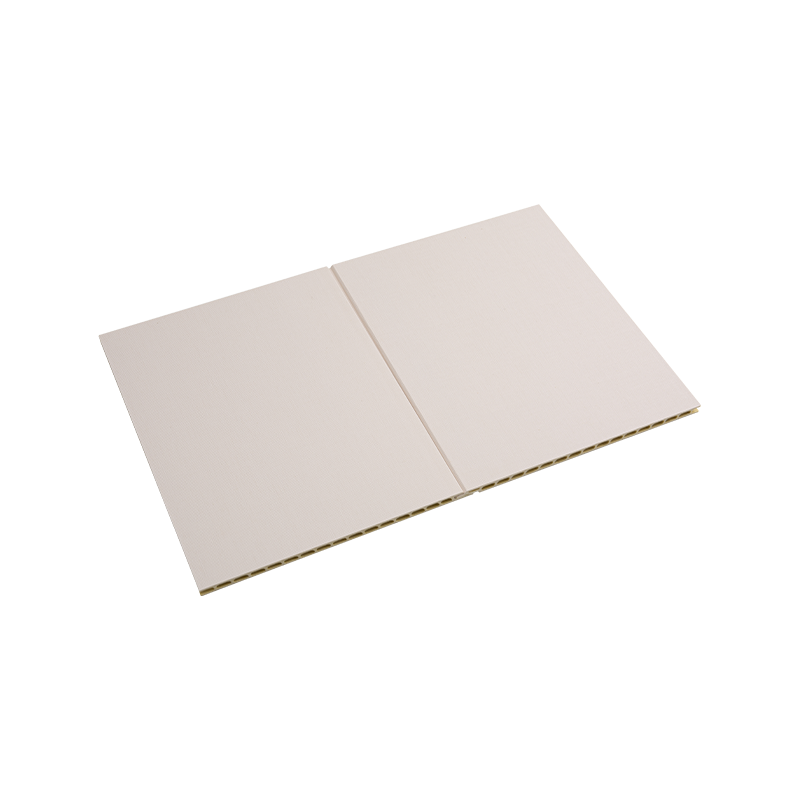
For areas demanding extreme water resistance, polymer-based panels are the standard. These panels are entirely synthetic, meaning they are impervious to water penetration. They are incredibly lightweight, which simplifies handling and transportation. Furthermore, polymer panels often feature hollow internal structures, which inadvertently aids in thermal and acoustic insulation without adding excessive weight.
Aluminum Alloy Integration
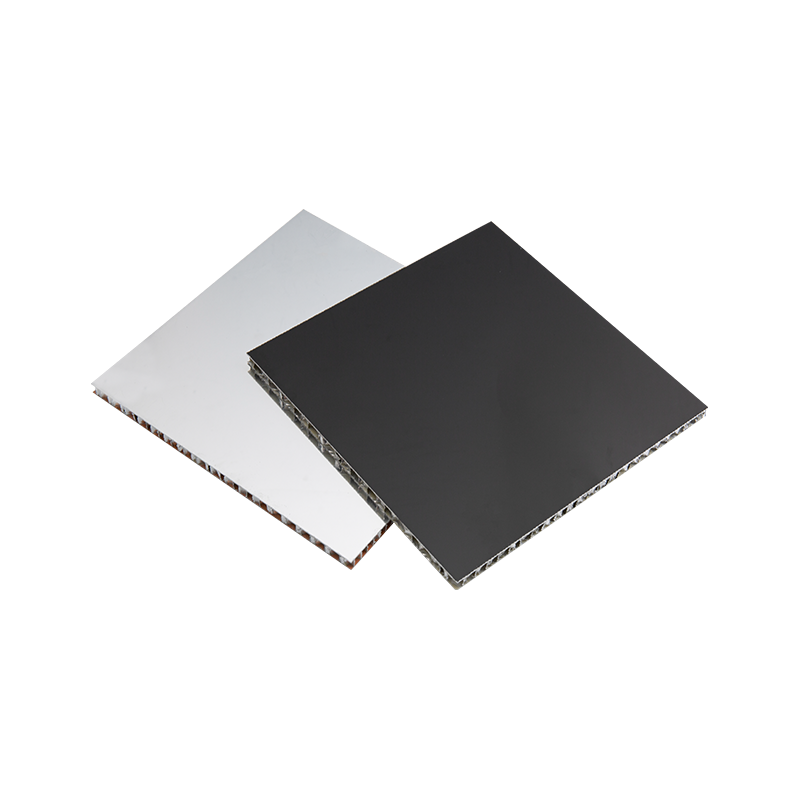
In high-end commercial applications or modern industrial designs, panels featuring an aluminum alloy surface are frequently utilized. The aluminum is typically bonded to a fire-retardant core. This composition provides unmatched fire safety ratings and structural rigidity. While more expensive, the longevity and premium aesthetic of aluminum-faced panels make them a worthwhile investment for high-traffic environments.
Key Benefits for Modern Interior Design
The adoption of integrated wall panels has surged due to the tangible advantages they offer over conventional wall treatments. These benefits span across aesthetic versatility, environmental comfort, and installation efficiency.
- Expedited Installation Time: The interlocking systems allow for direct installation over existing uneven walls, eliminating the need for extensive surface preparation, plastering, and drying times.
- Enhanced Thermal Insulation: The multi-layered structure and occasional hollow chambers trap air, acting as a barrier against heat transfer, which can contribute to maintaining consistent indoor temperatures.
- Superior Acoustic Dampening: The density and composite nature of the materials significantly reduce sound transmission, making them ideal for shared walls in apartments or office partitions.
- Moisture and Mold Resistance: Unlike traditional drywall or wallpaper, high-quality panels do not absorb moisture, inherently preventing the growth of mold and mildew in damp environments.
- Aesthetic Versatility: Advanced printing technologies allow the surface to replicate the exact texture and color of natural marble, wood, fabric, or abstract geometric patterns with remarkable realism.
Practical Applications Across Different Spaces
The versatility of integrated wall panels allows them to be deployed across a wide spectrum of architectural settings. Their application varies based on the specific functional demands of the room.
| Application Area | Recommended Material | Primary Functional Need |
|---|---|---|
| Living Rooms and Hallways | Bamboo/Wood Fiber | Aesthetic appeal and impact resistance |
| Bathrooms and Kitchens | Polymer/PVC | Absolute waterproofing and easy cleaning |
| Commercial Lobbies and Offices | Aluminum Alloy | Fire retardancy and high traffic durability |
Installation Process and Efficiency
The installation of integrated wall panels is fundamentally different from traditional wall finishing. It relies on a modular, tongue-and-groove methodology that drastically reduces labor and time. A standard room can often be completely paneled within a fraction of the time it would take to tape, mud, sand, and paint drywall.
Surface Preparation and Framework
While panels can cover minor imperfections, a basic assessment of the existing wall is necessary. In cases of severely damaged walls, a lightweight wooden or metal framework is secured to the substrate. This framework ensures a perfectly plumb and level surface for the panels to attach to, and it provides a concealed channel for running electrical wiring.
Panel Cutting and Interlocking
Panels are cut to size using standard woodworking tools. The installation begins at a corner, with each subsequent panel locking into the previous one via a concealed joint. This method ensures that fasteners are completely hidden from view, resulting in a seamless, continuous surface. The use of specialized adhesives or discreet clips further secures the panels to the framework or wall.
- Inspect the existing wall and install a leveling framework if necessary.
- Run all necessary electrical wiring behind the framework.
- Measure and cut the integrated wall panels using appropriate power tools.
- Secure the first panel at the starting corner, ensuring it is perfectly vertical.
- Interlock subsequent panels, applying adhesive to the joints for added stability.
- Install matching decorative trim around windows, doors, and corners to complete the look.
Maintenance and Long-Term Durability
Once installed, integrated wall panels require minimal upkeep to maintain their original appearance. Their durability is one of the primary reasons property owners choose them over traditional alternatives. The protective surface layers are engineered to resist fading from UV exposure, scratches from daily use, and staining from common household substances.
Cleaning is exceptionally straightforward. Unlike painted walls that can be marred by aggressive scrubbing, or wallpaper that can peel when wet, integrated panels can be wiped down with a damp cloth and mild detergent. For more stubborn stains, non-abrasive cleaning agents can be used without damaging the underlying decorative print. Over the long term, the structural integrity of the panels prevents the dents and dings that typically plague drywall, ensuring the interior looks pristine for decades.
Environmental Impact and Sustainability
In the context of modern construction, the environmental footprint of building materials is a significant consideration. Integrated wall panels offer several eco-friendly advantages. Many panels are manufactured using recycled wood fibers and sustainable bamboo, reducing the demand for virgin timber. Additionally, the polymer used in waterproof panels is often recyclable at the end of its lifecycle.
The installation process itself is inherently greener. Traditional drywall installation generates substantial dust and requires large amounts of water for joint compound, not to mention the volatile organic compounds (VOCs) released by paints and adhesives. Integrated wall panels, conversely, produce minimal dust during cutting and do not require wet trades. Many high-quality panels are manufactured to meet strict indoor air quality standards, ensuring negligible VOC emissions and contributing to a healthier indoor living environment.