 English
 عربى
عربى русский
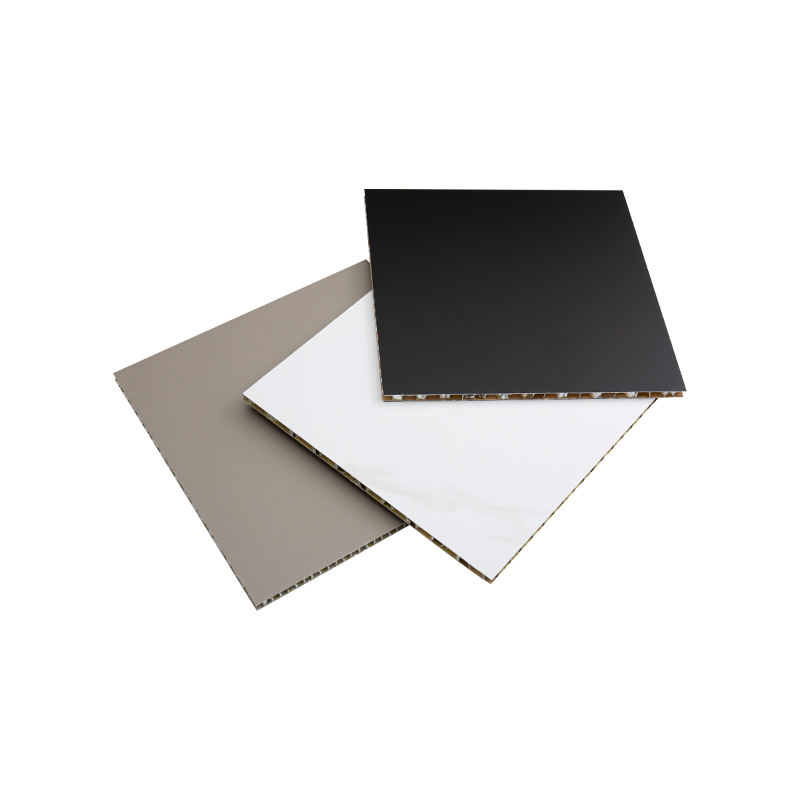
Green decorative materials are not merely a passing trend but represent a fundamental shift in how we approach interior design and construction. These environmentally responsible materials offer a practical solution to reducing the environmental impact of buildings while simultaneously creating healthier living and working spaces. The adoption of green decorative materials can reduce indoor air pollution by up to 80% compared to conventional materials, making them an essential consideration for any modern construction or renovation project.
The core principle behind green decorative materials lies in their lifecycle—from raw material extraction through manufacturing, transportation, installation, and eventual disposal or recycling. These materials minimize negative environmental impacts at every stage while maximizing resource efficiency and occupant well-being. As awareness of environmental issues grows and regulations become stricter, green decorative materials have evolved from niche products to mainstream solutions that combine sustainability with aesthetic appeal and practical performance.
Understanding What Makes Decorative Materials Green
Green decorative materials encompass a broad range of products designed with environmental responsibility and human health as primary considerations. These materials stand apart from conventional options through several distinguishing characteristics that address both ecological and indoor environmental quality concerns.
At their foundation, green decorative materials prioritize the use of renewable, recycled, or sustainably sourced raw materials. They are manufactured using processes that minimize energy consumption, water usage, and generation of harmful byproducts. The end products contain little to no volatile organic compounds (VOCs), formaldehyde, heavy metals, or other substances that can compromise indoor air quality or pose health risks to occupants.
The environmental credentials of green decorative materials are often verified through third-party certification programs that assess multiple criteria including material composition, manufacturing processes, and performance characteristics. These certifications provide architects, designers, and consumers with reliable information for making informed decisions about the materials they specify and purchase.
Core Characteristics of Green Materials
- Low or zero emissions of volatile organic compounds and other harmful substances
- High recycled content or use of rapidly renewable materials
- Responsible sourcing with chain-of-custody documentation
- Durability and long service life reducing replacement frequency
- Recyclability or biodegradability at end of service life
- Energy efficiency in production and transportation
Major Categories of Green Decorative Materials
The market for green decorative materials has expanded significantly, offering diverse options across multiple product categories. Understanding these categories helps designers and homeowners make appropriate selections based on their specific needs, aesthetic preferences, and environmental priorities.
Natural and Organic Materials
Natural materials derived from plants, animals, or minerals form the foundation of green decorative options. Bamboo has emerged as a particularly popular choice due to its rapid growth cycle, reaching harvest maturity in just a few years compared to decades for hardwood trees. Cork represents another renewable option, harvested from oak bark without harming the trees, which continue producing cork for over a century. Natural stone, when responsibly quarried, offers durability and timeless aesthetic appeal with minimal processing requirements.
Wool, cotton, linen, and hemp provide natural fiber options for textiles, carpets, and upholstery. These materials offer inherent benefits including breathability, moisture regulation, and in many cases natural resistance to fire, bacteria, and dust mites. Organic certification ensures these natural materials are produced without synthetic pesticides or fertilizers, further enhancing their environmental credentials.
Recycled and Reclaimed Materials
Materials incorporating recycled content represent another significant category of green decorative options. Recycled glass tiles and countertops transform waste materials into attractive, durable surfaces suitable for kitchens, bathrooms, and decorative applications. Reclaimed wood from demolished structures or fallen trees provides character-rich materials for flooring, wall paneling, and furniture while preserving the embodied energy of the original timber.
Recycled metal surfaces, particularly aluminum and copper, offer contemporary aesthetic options with significantly lower environmental impact than virgin metal production. Some manufacturers produce tiles and surface materials from recycled porcelain, providing innovative uses for waste from the ceramics industry. These recycled materials typically require far less energy to produce than their virgin counterparts, with some estimates suggesting energy savings exceeding 90 percent for aluminum recycling.
Low-Emission Materials
Materials specifically formulated to minimize harmful emissions represent an essential category for indoor applications. Low-VOC and zero-VOC paints have become widely available, offering comparable performance to conventional paints without the off-gassing that contributes to indoor air pollution. Formaldehyde-free engineered wood products eliminate a significant source of indoor air contamination while providing the dimensional stability and versatility that make these materials popular for cabinetry and furniture.
Natural finishes including plant-based oils and waxes provide alternatives to synthetic coatings for wood and other surfaces. These finishes often enhance rather than mask the natural characteristics of the underlying material while avoiding the petroleum-derived solvents found in conventional finishes.
| Material Category | Primary Sources | Key Environmental Benefits |
|---|---|---|
| Natural Materials | Bamboo, cork, stone, natural fibers | Renewable, biodegradable, minimal processing |
| Recycled Materials | Glass, metal, wood, porcelain | Waste diversion, energy savings |
| Low-Emission Materials | Paints, adhesives, engineered wood | Improved indoor air quality, health benefits |
| Bio-based Materials | Agricultural residues, mycelium, algae | Carbon sequestration, waste utilization |
Health and Environmental Benefits of Green Decorative Materials
The benefits of green decorative materials extend across multiple dimensions, encompassing personal health, environmental protection, and long-term economic considerations. Understanding these benefits provides compelling reasons for selecting green materials despite potentially higher initial costs in some cases.
Improved Indoor Air Quality
Indoor air quality represents one of the most significant benefits of green decorative materials. Conventional building materials, furnishings, and finishes often emit volatile organic compounds and other pollutants that can persist for years after installation. These emissions contribute to a phenomenon known as sick building syndrome, characterized by symptoms including headaches, respiratory irritation, fatigue, and difficulty concentrating among building occupants.
Green decorative materials specifically designed for low emissions help create healthier indoor environments. Studies have demonstrated that green-certified buildings can reduce respiratory symptoms by over 50 percent compared to conventional buildings. The absence of harmful emissions is particularly important for vulnerable populations including children, the elderly, and individuals with existing respiratory conditions or chemical sensitivities.
Reduced Environmental Footprint
The environmental benefits of green decorative materials span the entire product lifecycle. Responsible sourcing of raw materials helps preserve natural habitats and biodiversity while ensuring resources remain available for future generations. Manufacturing processes for green materials typically consume less energy and water while generating fewer pollutants and less waste than conventional alternatives.
Transportation impacts are often reduced through local or regional sourcing of materials and components. At the end of their useful life, many green decorative materials can be recycled, repurposed, or safely returned to the environment through biodegradation, reducing the burden on landfills and the need for virgin material extraction. The cumulative effect of these lifecycle advantages significantly reduces the overall environmental footprint of buildings incorporating green materials.
Long-Term Economic Advantages
While some green decorative materials carry higher initial costs, they frequently offer economic advantages over their lifecycle. Enhanced durability reduces replacement frequency, with some green flooring materials lasting significantly longer than conventional alternatives. Energy savings from improved insulation and thermal properties contribute to reduced operating costs, while the health benefits of improved indoor air quality can translate to reduced medical expenses and improved productivity.
Green buildings have demonstrated consistently higher occupancy rates, rental premiums, and resale values compared to conventional properties. As environmental regulations become more stringent and consumer awareness grows, properties incorporating green materials are positioned to maintain their value and marketability in an increasingly sustainability-conscious marketplace.
Practical Guidelines for Selecting Green Decorative Materials
Selecting appropriate green decorative materials requires consideration of multiple factors including environmental certifications, performance requirements, aesthetic preferences, and budget constraints. Following systematic evaluation guidelines helps ensure selections align with sustainability goals while meeting practical project requirements.
Evaluating Environmental Certifications
Third-party environmental certifications provide reliable indicators of green material credentials, offering verification that products meet established environmental and health standards. Multiple certification programs exist, each with different criteria and areas of focus. Understanding these programs helps designers and consumers interpret certification claims accurately.
- Forest management certifications verify wood products originate from responsibly managed forests with chain-of-custody documentation tracking material from forest to finished product
- Indoor air quality certifications test products for emissions of volatile organic compounds and other pollutants, with different certification levels indicating varying stringency
- Multi-attribute certifications evaluate products across multiple environmental criteria including material content, manufacturing processes, and end-of-life considerations
- Regional certifications address environmental priorities specific to geographic areas and may carry greater relevance for locally sourced materials
Assessing Material Performance
Green credentials alone do not ensure a material is appropriate for a specific application. Performance requirements including durability, moisture resistance, and maintenance needs must be evaluated alongside environmental considerations. A material that fails prematurely or requires intensive maintenance may ultimately have greater environmental impact than a more durable conventional alternative.
Consider the specific conditions of each application when selecting materials. High-traffic areas require materials with appropriate wear resistance, while wet environments demand moisture-resistant options. Matching material properties to application requirements ensures both performance satisfaction and environmental benefits. Request technical specifications and performance data from manufacturers to verify materials meet project requirements.
Balancing Budget and Sustainability Goals
Budget constraints often influence material selection decisions, requiring strategies to maximize environmental benefits within available resources. Prioritizing high-impact materials for areas with greatest occupant exposure helps focus limited budgets where benefits are greatest. Flooring and wall surfaces covering large areas warrant particular attention given their prevalence and the extent of occupant contact.
Consider lifecycle costs rather than just initial purchase prices when evaluating materials. Durable materials with longer service lives may prove more economical despite higher initial costs. Some green materials offer installation advantages that reduce labor costs, partially offsetting material cost premiums. Exploring options with recycled content can sometimes provide cost savings while still delivering environmental benefits.
Application Areas for Green Decorative Materials
Green decorative materials find applications throughout residential, commercial, and institutional spaces. Understanding appropriate applications helps maximize the benefits of these materials while ensuring they meet the functional requirements of each space.
Flooring Applications
Flooring represents one of the most extensive applications for green decorative materials given the large surface areas involved and constant occupant contact. Green flooring options span a wide range of materials suited to different aesthetic preferences and performance requirements. Hard surface options include responsibly sourced hardwood and bamboo, natural stone, recycled glass tiles, and reclaimed wood. These materials offer durability and timeless aesthetic appeal with varying environmental characteristics.
Soft flooring options including natural fiber carpets, wool carpeting, and sustainable carpet tiles provide comfort and acoustic benefits. Many manufacturers now offer carpet backing systems made from recycled materials, further enhancing the environmental profile of these products. Green flooring materials can contribute to indoor environmental quality improvements while providing comparable or superior performance to conventional options.
Wall and Ceiling Treatments
Walls and ceilings offer significant opportunities for incorporating green decorative materials. Low-emission paints and natural wall coverings provide the foundation for healthy interior environments. Natural clay and lime plasters offer traditional alternatives to synthetic finishes while providing moisture regulation and air purification benefits. Wood paneling from reclaimed or certified sources adds warmth and character while sequestering carbon.
Acoustic panels made from recycled materials or natural fibers address sound control requirements without introducing harmful emissions. Green wall systems incorporating living plants provide aesthetic interest while improving air quality and occupant well-being. The vertical surfaces in any space offer numerous opportunities to incorporate green materials while achieving desired aesthetic and functional outcomes.
Furniture and Built-In Elements
Furniture and built-in elements represent increasingly important applications for green materials given concerns about indoor air quality and the prevalence of synthetic materials in conventional furniture. Solid wood furniture from certified sustainable sources provides durability and timeless appeal with minimal environmental impact. Furniture incorporating recycled or reclaimed materials offers character and environmental benefits simultaneously.
Upholstered furniture presents particular challenges due to concerns about flame retardants, stain repellents, and other chemical treatments. Green options include furniture with organic fabric covers, natural latex or coconut coir padding, and frames from sustainable wood sources. Selecting furniture free from harmful chemical treatments significantly reduces the toxic burden in indoor environments.
Future Directions in Green Decorative Materials
The field of green decorative materials continues to evolve rapidly, driven by advancing technology, growing environmental awareness, and increasingly stringent regulatory requirements. Emerging trends and innovations promise to expand options and improve performance while further reducing environmental impacts.
Bio-Based and Regenerative Materials
Materials derived from agricultural byproducts and other renewable biological sources represent an expanding frontier in green decorative materials. Researchers and manufacturers are developing materials from sources including wheat straw, rice husks, and coconut shells that would otherwise be discarded as waste. These materials often sequester carbon captured during plant growth, potentially making buildings carbon sinks rather than carbon sources.
Innovative bio-based materials incorporating living organisms are also emerging. Mycelium-based materials grown from fungal root systems offer packaging and insulation applications with minimal environmental impact. Algae-based materials capture carbon dioxide during growth while providing novel aesthetic possibilities for decorative applications. These regenerative materials point toward a future where decorative materials actively contribute to environmental restoration rather than merely reducing harm.
Circular Economy Approaches
The concept of circular economy is increasingly influencing green decorative material development and selection. Rather than following traditional linear models of extraction, use, and disposal, circular approaches emphasize keeping materials in productive use through strategies including design for disassembly, material passports documenting composition for future recycling, and take-back programs ensuring proper end-of-life handling.
Design for disassembly considers future material recovery from the outset, using mechanical fasteners rather than adhesives and clearly labeling material composition. Material passports provide detailed documentation of material content and sourcing, facilitating future recycling and protecting against downcycling to lower-value applications. These circular economy approaches can extend material usefulness by several cycles, significantly reducing long-term environmental impacts.
Technology Integration
Advanced technologies are enabling new possibilities in green decorative materials. Digital fabrication techniques including three-dimensional printing allow precise material use and creation of complex forms from sustainable materials. Smart materials incorporating sensors or responsive elements can adapt to environmental conditions, potentially reducing energy consumption while providing occupant comfort.
Nanotechnology is being applied to develop coatings and treatments that enhance material performance without the environmental persistence of conventional chemical treatments. Self-cleaning surfaces, air-purifying coatings, and thermally responsive materials all represent emerging applications of advanced technology to green decorative materials. These innovations promise to expand the performance envelope of green materials while maintaining or improving their environmental credentials.
Overcoming Challenges in Adopting Green Decorative Materials
Despite the clear benefits and expanding options, several challenges can impede adoption of green decorative materials. Understanding these challenges and strategies for addressing them helps smooth the path toward more sustainable interior design practices.
Addressing Cost Perceptions
Cost remains one of the most frequently cited barriers to green material adoption. While some green materials do carry price premiums, this gap has narrowed considerably as production volumes have increased and manufacturing processes have been optimized. When lifecycle costs are considered rather than just initial purchase prices, many green materials prove economically competitive or even advantageous compared to conventional alternatives.
Strategies for addressing cost concerns include prioritizing high-impact materials where environmental and health benefits are greatest, considering total project costs rather than just material costs, and evaluating lifecycle expenses including maintenance, replacement, and health costs. As demand continues to grow and production scales further, cost differentials are likely to continue decreasing.
Ensuring Performance Expectations
Concerns about whether green materials can match the performance of conventional options sometimes create resistance to adoption. Early generations of some green materials did exhibit performance limitations, but substantial improvements have been made as the market has matured. Today's green decorative materials generally offer performance comparable to or better than conventional alternatives when properly selected and installed.
- Request performance data and case studies from manufacturers demonstrating real-world applications
- Consult with design professionals experienced in green material specification
- Visit completed installations to assess material performance firsthand
- Ensure proper installation following manufacturer guidelines to achieve optimal performance
- Consider warranty provisions that provide recourse if performance expectations are not met
Navigating Certification Complexity
The proliferation of environmental certifications can create confusion about which credentials matter most for specific applications and priorities. Different certifications focus on different aspects of environmental performance, and certification stringency varies considerably. Taking time to understand the certifications most relevant to project priorities helps ensure selections deliver intended benefits.
Resources are available to help navigate the certification landscape, including comparison tools and databases that allow filtering products by certification type. Focusing on certifications that address priority concerns—whether indoor air quality, responsible sourcing, or multi-attribute lifecycle assessment—helps narrow the field to certifications with greatest relevance for specific project goals.