 English
 عربى
عربى русский
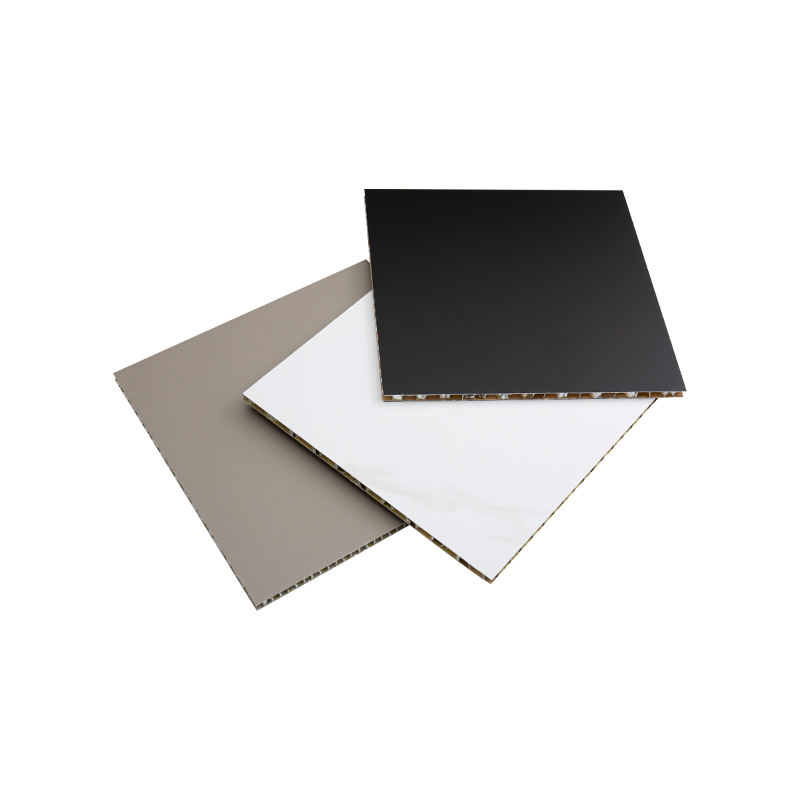
The Essential Role of Wall Claddings in Modern Construction
Wall cladding serves as the primary defense mechanism for a building's structural integrity, far surpassing the capabilities of simple paint or surface treatments. It functions as a protective skin, shielding the underlying structure from harsh weather conditions, moisture infiltration, and physical wear. Beyond protection, it acts as a pivotal design element, defining the architectural character and visual appeal of both residential and commercial properties. By investing in high-quality cladding, property owners ensure a significant reduction in long-term maintenance costs while simultaneously elevating the market value and aesthetic presence of the building.
The fundamental purpose of cladding is to create a barrier against the elements. Whether facing driving rain, heavy snow loads, or intense UV radiation, the cladding material absorbs the brunt of the environmental impact. This preservation of the structural skeleton extends the building's lifespan considerably. Furthermore, modern cladding systems often incorporate insulation layers, contributing to a more stable internal temperature and reducing the reliance on artificial heating and cooling systems. This dual functionality of protection and insulation makes wall cladding an indispensable component of contemporary building design.
Exploring the Diversity of Cladding Materials
The choice of material dictates not only the aesthetic outcome but also the performance and maintenance schedule of the facade. The market offers a vast spectrum of options, ranging from organic natural products to high-performance synthetic composites. Each material possesses distinct characteristics regarding durability, weight, cost, and installation requirements. Understanding these differences is crucial for selecting the optimal solution for a specific project context, as the material choice impacts the building's thermal mass and moisture management capabilities.
| Material Type | Aesthetic Appeal | Durability | Maintenance Level |
| Natural Stone | High-end, organic texture | Exceptional | Low to Moderate |
| Timber Cladding | Warmth and natural beauty | Moderate | High |
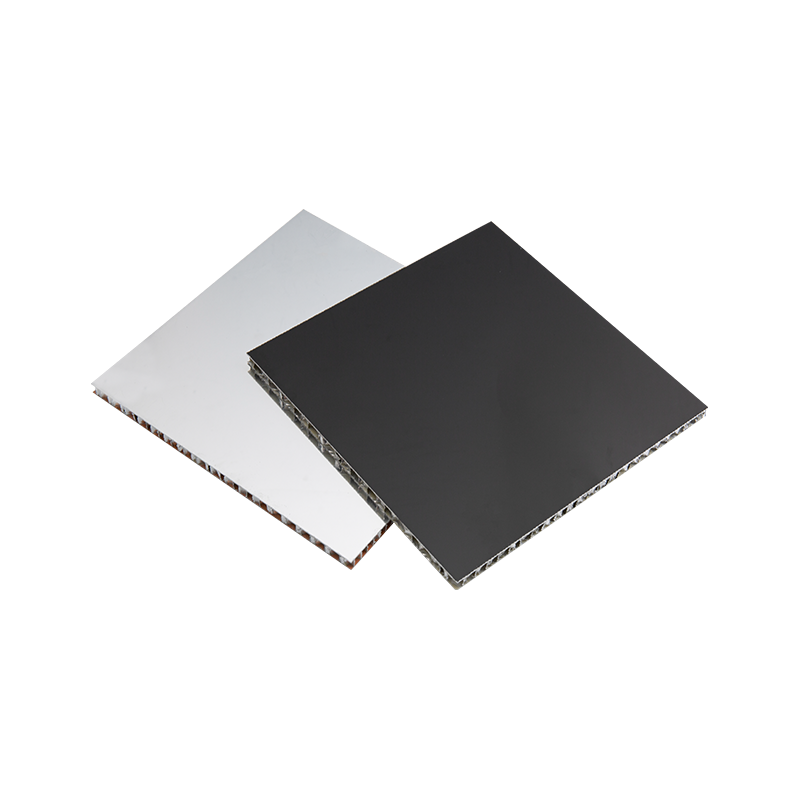
| Metal Panels | Modern, industrial sleekness | High | Low |
| Fiber Cement | Versatile, mimics wood or stone | High | Low |
Natural Stone and Brick Veneer
Natural stone cladding represents the pinnacle of durability and timeless aesthetic appeal. Materials such as granite, slate, or limestone offer a unique texture that cannot be replicated by manufactured products. The inherent density of stone provides excellent thermal mass, helping to regulate indoor temperatures by absorbing heat during the day and releasing it slowly at night. Brick veneer offers a similar classic look with slightly less weight, providing robust fire resistance and sound insulation. These materials are impervious to rot and insect damage, ensuring a lifespan that can easily exceed the building's structural framework itself, though the initial investment and installation complexity are higher compared to lighter alternatives.
Timber and Wood-Plastic Composites
Wood cladding creates a warm, inviting exterior that connects the structure with its natural surroundings. Softwoods like cedar and redwood contain natural oils that resist decay, while hardwoods offer incredible density. However, timber requires regular treatment to prevent weathering and maintain its color. Alternatively, Wood-Plastic Composite (WPC) cladding combines wood fibers with plastic polymers to create a material that mimics the appearance of wood but requires significantly less maintenance. WPC is resistant to fading, staining, and mold, making it a practical choice for humid climates where natural timber might struggle.
Performance Advantages and Functional Benefits
The installation of a wall cladding system provides a multi-layered approach to building performance. The most immediate benefit is weather tightness. A properly installed rainscreen cladding system includes a cavity behind the surface material that allows for ventilation and drainage. This design ensures that any moisture that penetrates the outer seal is safely diverted away from the structural wall, preventing the accumulation of dampness that leads to mold growth and structural rot. This "shielding" effect is vital for maintaining a healthy indoor environment.
Thermal performance is another critical advantage. Cladding acts as an additional insulation layer, reducing the thermal transmittance of the walls. This creates a buffer zone that minimizes heat gain during summer months and prevents heat loss in winter. Consequently, energy consumption for climate control systems drops significantly. Acoustic insulation is also a major benefit, particularly in urban environments. Dense cladding materials like brick or stone can effectively block external noise pollution, creating a quieter and more serene interior living or working space. Furthermore, many modern cladding products are engineered to be fire-resistant, providing crucial extra time for evacuation in the event of a fire emergency.
Critical Considerations for Installation
Successful cladding installation is a detailed process that requires careful planning regarding structural support and moisture management. The weight of the cladding material must be calculated against the building's load-bearing capacity. For heavier materials like stone or brick, a solid substrate or reinforced framing is mandatory. Lighter materials such as vinyl or metal sheets can often be installed over existing siding or direct-to-frame structures with appropriate backing. The fixing method—whether visible rivets for a metal look or hidden clips for timber—is chosen to complement the aesthetic while ensuring security against wind uplift.
- Ensure the wall substrate is flat, dry, and structurally sound before application.
- Install a breathable building wrap or weather-resistant barrier as the first line of defense.
- Create vertical battens to establish a ventilation cavity if using a rainscreen design.
- Use corrosion-resistant fasteners suitable for the specific material and local climate.
- Seal all joints and penetrations around windows and doors with compatible sealants to prevent water ingress.
Addressing Moisture and Ventilation
One of the most critical technical aspects of cladding is the management of condensation. In many climates, the temperature difference between the outside air and the interior wall surface can lead to dew point formation within the wall assembly. A well-designed cladding system incorporates a "drained and back-ventilated" cavity. This cavity uses the stack effect to draw air up behind the cladding, drying out any moisture that finds its way past the outer face. Failure to account for this mechanism can result in trapped moisture, which compromises the effectiveness of insulation and leads to long-term decay of the wall structure.
Maintenance Strategies for Longevity
While cladding is designed to protect the building, it too requires periodic attention to maintain its appearance and function. The frequency and type of maintenance vary widely based on the material. Non-fragile materials like metal, fiber cement, and stone typically require only periodic cleaning to remove dirt, algae, or pollutants. In contrast, organic materials like timber need a proactive maintenance schedule involving staining or painting every few years to prevent UV degradation and moisture absorption. Neglecting these requirements can lead to surface degradation that is expensive to reverse.
- Annual Inspection: Check for cracks, loose panels, or failed sealants annually.
- Gentle Cleaning: Use low-pressure washing and mild detergents for general cleaning.
- Vegetation Control: Keep climbing plants and vines away from the cladding surface.
- Immediate Repairs: Replace damaged sections promptly to prevent water ingress behind the system.
Long-term Value Retention
A well-maintained cladding system contributes significantly to the curb appeal and resale value of a property. Prospective buyers often view the condition of the exterior as an indicator of the overall maintenance of the building. Cladding that shows signs of neglect can signal underlying issues, potentially lowering the perceived value. Conversely, a fresh, well-preserved facade suggests a sturdy, energy-efficient, and low-risk investment. The long-term cost of maintenance is generally offset by the extended lifespan of the building envelope and the avoidance of major structural repairs.