 English
 عربى
عربى русский
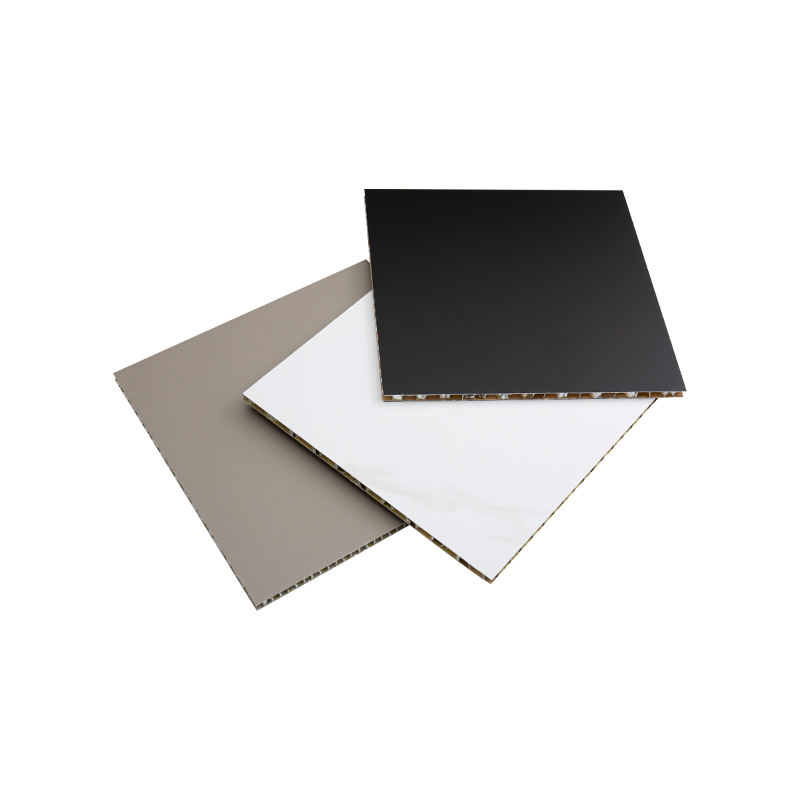
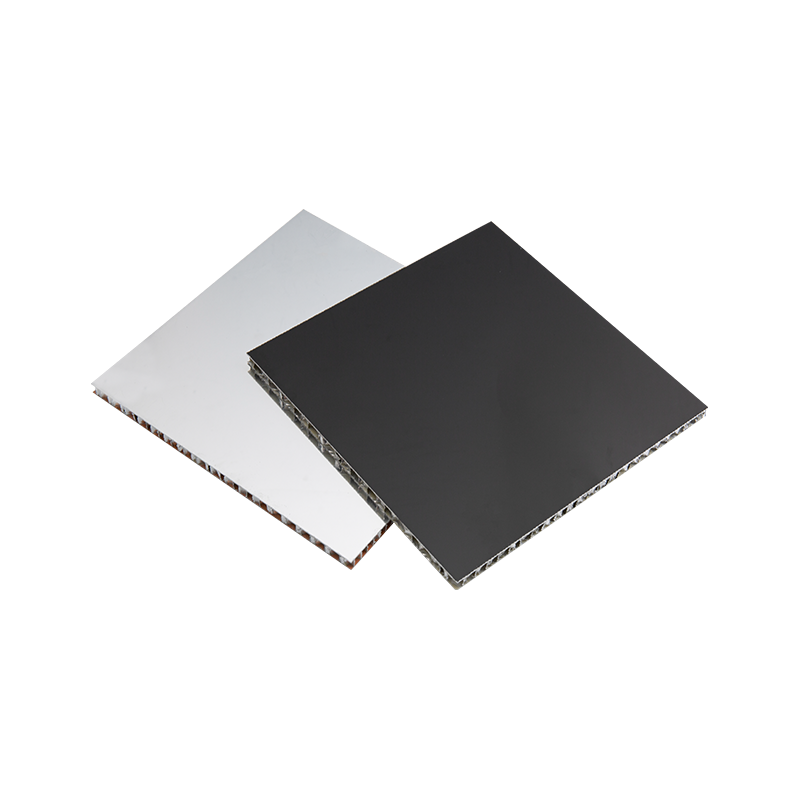
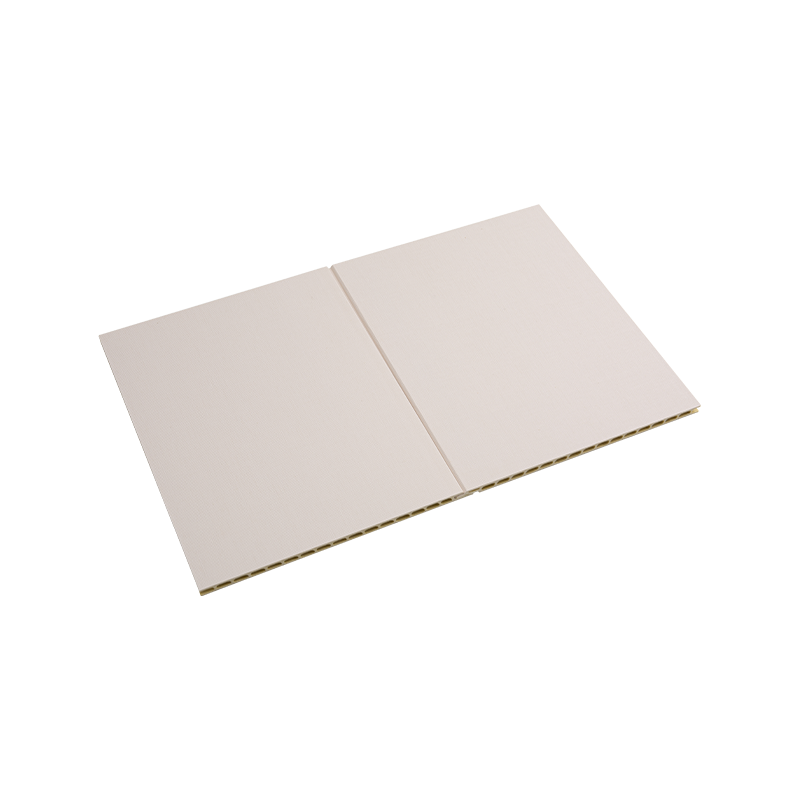
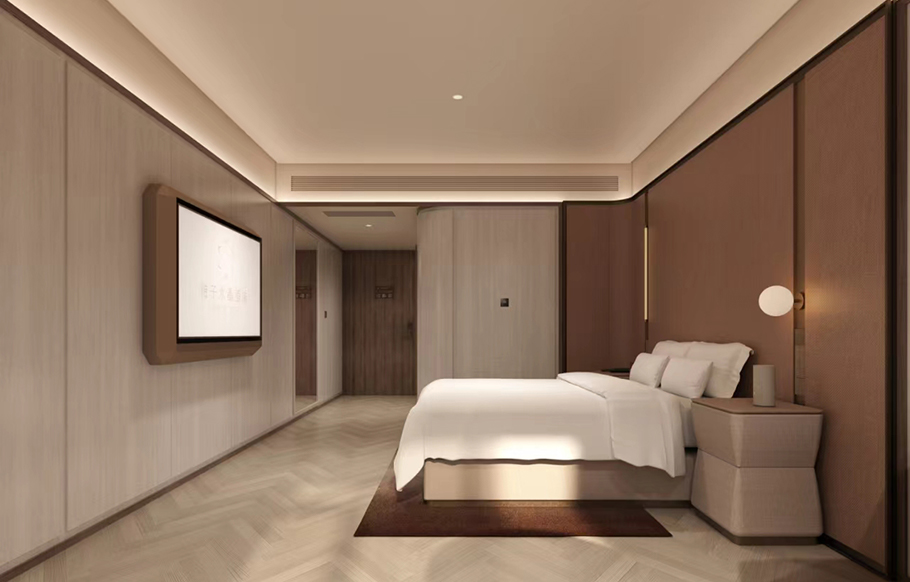
Modular decoration solutions represent a fundamental shift in the interior design industry, moving away from the chaotic, waste-heavy processes of traditional renovation toward a future defined by precision, efficiency, and sustainability. Unlike conventional methods that rely heavily on on-site labor and unpredictable timelines, this approach utilizes prefabricated components manufactured in controlled environments. The primary advantage lies in the drastic reduction of project timelines, often completing projects in half the time required for traditional methods while ensuring higher quality control and minimal environmental impact. For homeowners and developers seeking a balance between aesthetic appeal, budget certainty, and functional durability, modular decoration offers a streamlined, risk-free alternative that traditional construction cannot match.
Understanding the Core Concept of Modular Design
To fully appreciate the value of this solution, one must first understand its mechanics. A modular decoration solution is not merely about buying furniture; it is an integrated system where walls, flooring, cabinetry, and even lighting are designed as interchangeable, prefabricated modules. These modules are produced in a factory setting to exact specifications, ensuring that every joint and finish is perfect before they ever reach the property. This method separates the structural elements from the decorative finish, allowing for a "plug-and-play" installation process.
The Shift from Wet Work to Dry Assembly
Traditional renovation is synonymous with "wet work"—cement, paint, plaster, and long drying times. Modular solutions eliminate this dependency. By using dry assembly techniques, the installation process becomes clean and quiet. There is no need for mixing cement on-site or dealing with dust permeation throughout the living space. This shift not only preserves the cleanliness of the environment but also reduces the structural load on the building, as modular components are often lighter than masonry constructions.
- Factory-precise manufacturing ensures uniform quality.
- Components are designed for easy transport and assembly.
- Reduction of on-site errors due to pre-production testing.
Efficiency and Time Management Advantages
One of the most compelling arguments for adopting a modular decoration solution is the dramatic improvement in project efficiency. In traditional renovation, timelines are often fluid and susceptible to delays caused by weather, material shortages, or labor availability. Modular construction decouples the site preparation from the manufacturing process. While the site is being measured and prepped, the decorative elements are already being built in the factory. This parallel processing can cut total project duration by up to fifty percent.
Minimizing Disruption to Daily Life
For residential projects, the long duration of traditional renovation is a major source of stress. Noise, dust, and the constant presence of workers can make a home unlivable for months. Because modular installation is rapid and assembly-based, the disruption period is significantly shortened. A room that might take three weeks to plaster and paint might be fully transformed with modular wall panels and flooring in just two or three days. This speed is particularly advantageous for commercial spaces, where every day of closure results in lost revenue.
Cost Predictability and Budget Control
Financial uncertainty is a common headache in renovation projects. Traditional quotes often exclude hidden costs such as waste removal, unexpected structural repairs, or price fluctuations in raw materials. A modular decoration solution operates on a fixed-price model. Since the design is finalized and calculated using software before manufacturing begins, the material costs are locked in. There are no hidden costs for over-ordering materials or paying for excessive labor hours due to on-site mistakes.
| Factor | Traditional Renovation | Modular Solution |
| Material Waste | High (often exceeds budget) | Minimal (factory optimized) |
| Labor Costs | Variable (hourly rates) | Fixed (installation fee) |
| Timeline Risks | High (weather, delays) | Low (factory production) |
| Budget Certainty | Low to Medium | High |
Long-Term Value Retention
While the initial investment in high-quality modular systems may sometimes appear comparable to mid-range traditional renovation, the long-term value is superior. Modular components are built to last and designed to be maintained easily. If a section of flooring or a wall panel is damaged, it can be swapped out individually without needing to demolish the entire area. This repairability extends the lifespan of the interior, protecting the investment over decades rather than years.
Sustainability and Environmental Responsibility
In an era where environmental impact is a critical consideration, modular decoration solutions offer a greener alternative. Traditional construction is notorious for generating massive amounts of construction waste. Offcuts of wood, dried cement, and paint cans contribute significantly to landfill overflow. Factory production, conversely, optimizes material usage with computer-aided cutting, ensuring that waste is minimized and often recycled internally.
Healthier Indoor Air Quality
Beyond waste reduction, the health implications of modular materials are significant. Traditional paints and adhesives often release Volatile Organic Compounds (VOCs) long after the renovation is finished, degrading indoor air quality. Modern modular solutions prioritize eco-certified materials that meet rigorous emission standards. Because these components are finished in the factory, they have ample time to off-gas before they are installed in the living space, ensuring a healthier environment for occupants immediately upon move-in.
- Reduction of construction debris sent to landfills.
- Use of recyclable and sustainable raw materials.
- Lower carbon footprint due to reduced transportation needs.
Design Flexibility and Aesthetic Versatility
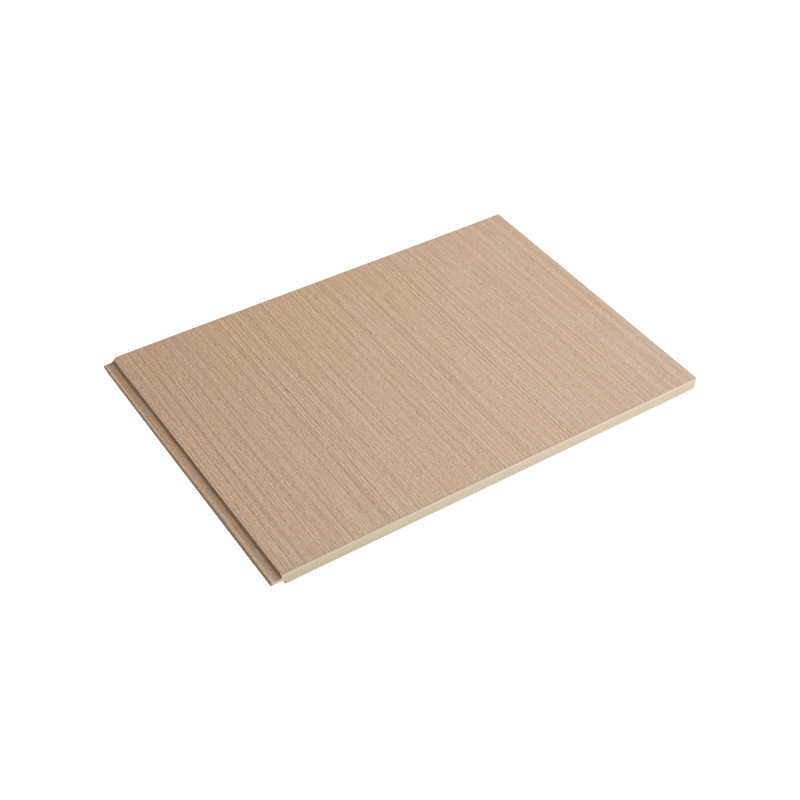
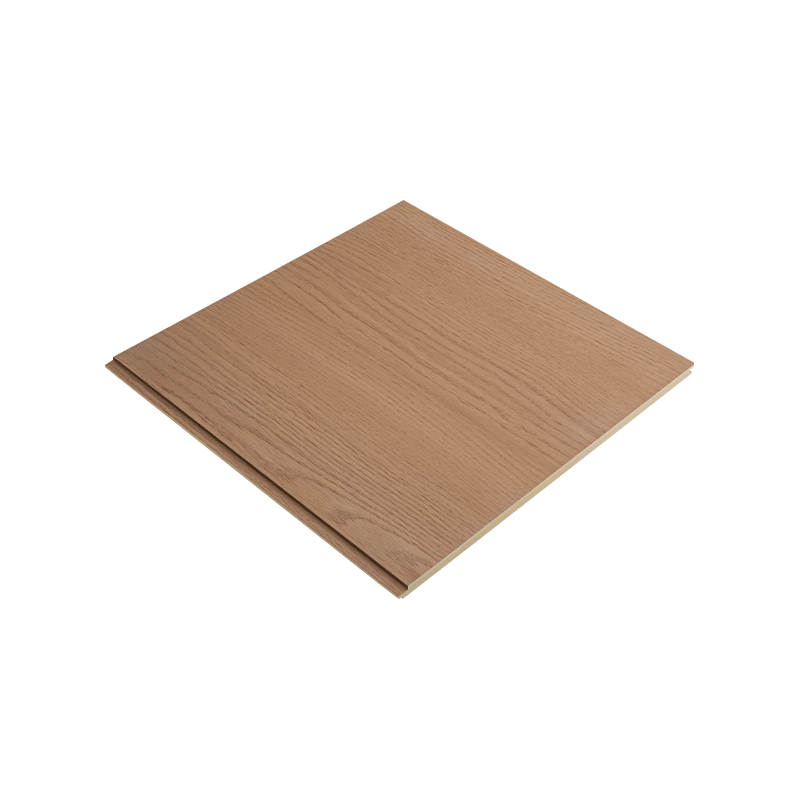
A common misconception is that modular design results in a sterile or monotonous look. In reality, modern manufacturing techniques allow for an incredible range of aesthetic expressions. From textured wood grains that mimic natural timber to sleek, high-gloss finishes suitable for contemporary offices, the customization options are vast. Digital design tools allow clients to visualize the final outcome in 3D before production begins, ensuring that the aesthetic matches the intent perfectly.
Adaptability for Changing Needs
The true power of a modular decoration solution lies in its inherent flexibility. As a family grows or a business expands, the interior needs change. In a traditional setting, this would require demolition. With modular systems, walls can be relocated, storage units can be reconfigured, and new modules can be added to the existing framework. This adaptability makes it an ideal choice for dynamic environments where change is inevitable.
- Initial consultation and 3D spatial planning.
- Selection of material finishes and module configurations.
- Factory fabrication and quality assurance checks.
- On-site assembly and final integration.
Implementation Process and Workflow
The workflow for a modular decoration solution is distinct from traditional project management. It relies heavily on the design phase. Because the manufacturing is precise, measurements must be exact. This phase involves detailed site surveys to ensure that every module fits perfectly into the architectural envelope. Once the design is frozen, the production phase begins, operating independently of the site conditions.
Streamlined Installation Phase
When the modules arrive at the site, the installation is a matter of assembly rather than creation. Specialized fitting teams connect the modules using standardized joints and fasteners. This process requires less heavy machinery and fewer raw materials on-site. It reduces the risk of injury to workers and damage to the property. Furthermore, because the finish is already applied to the modules, there is no need for painting or staining on-site, which preserves the air quality and allows for immediate occupancy once assembly is complete.