 English
 عربى
عربى русский
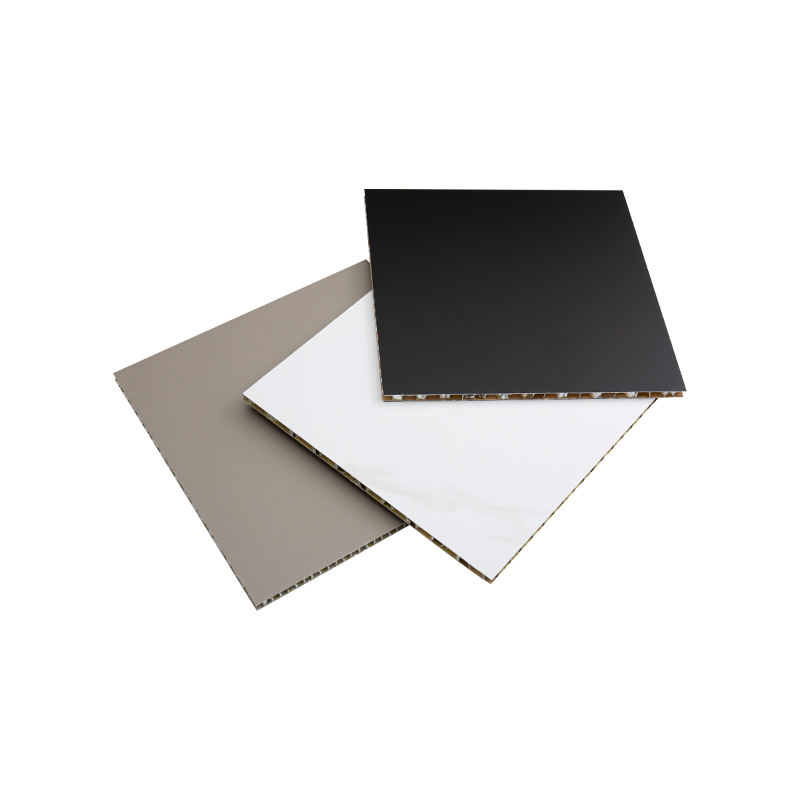
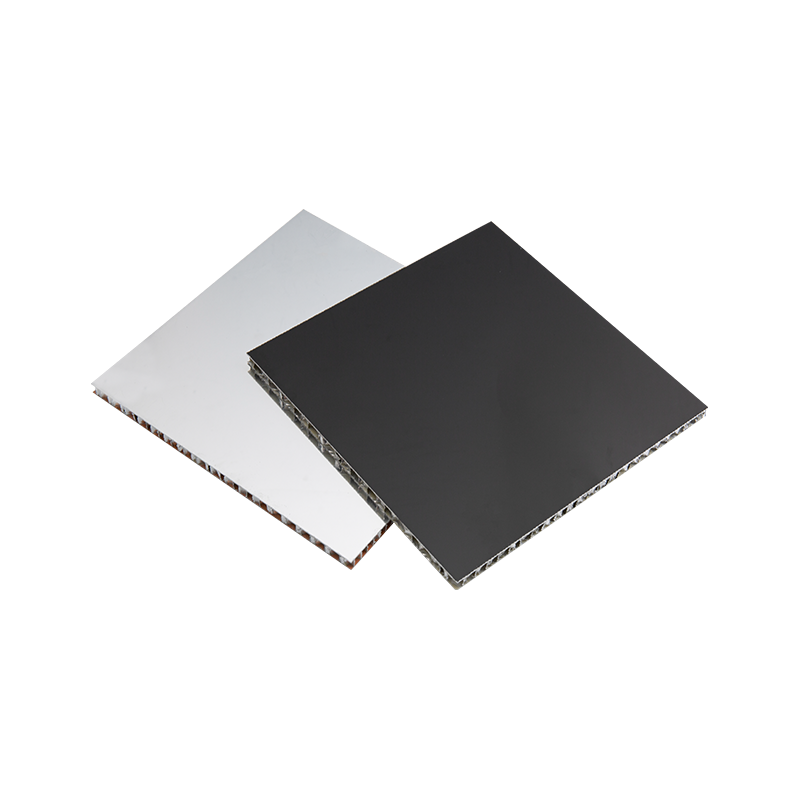
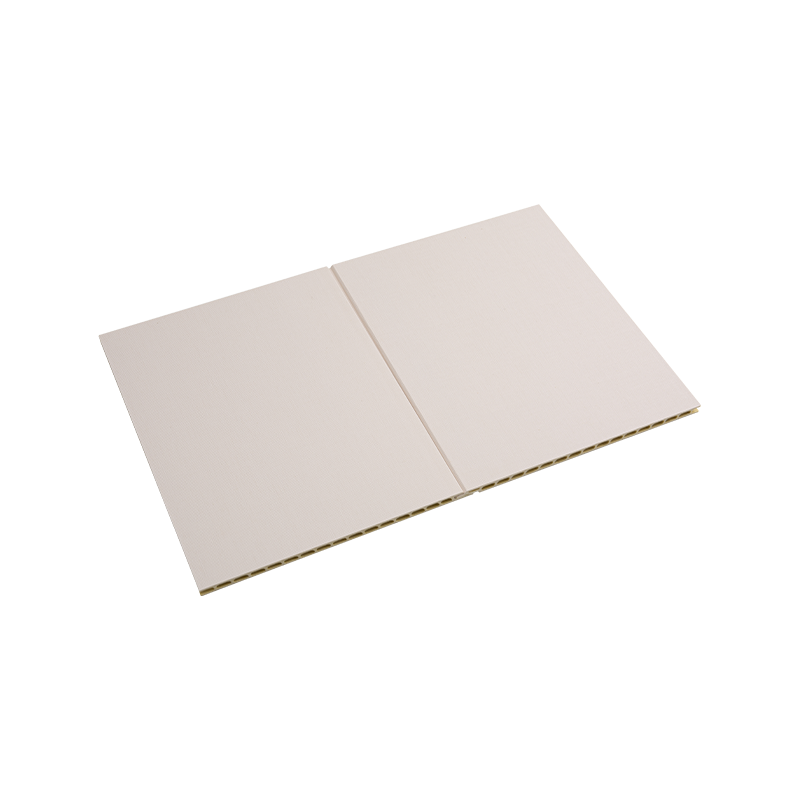
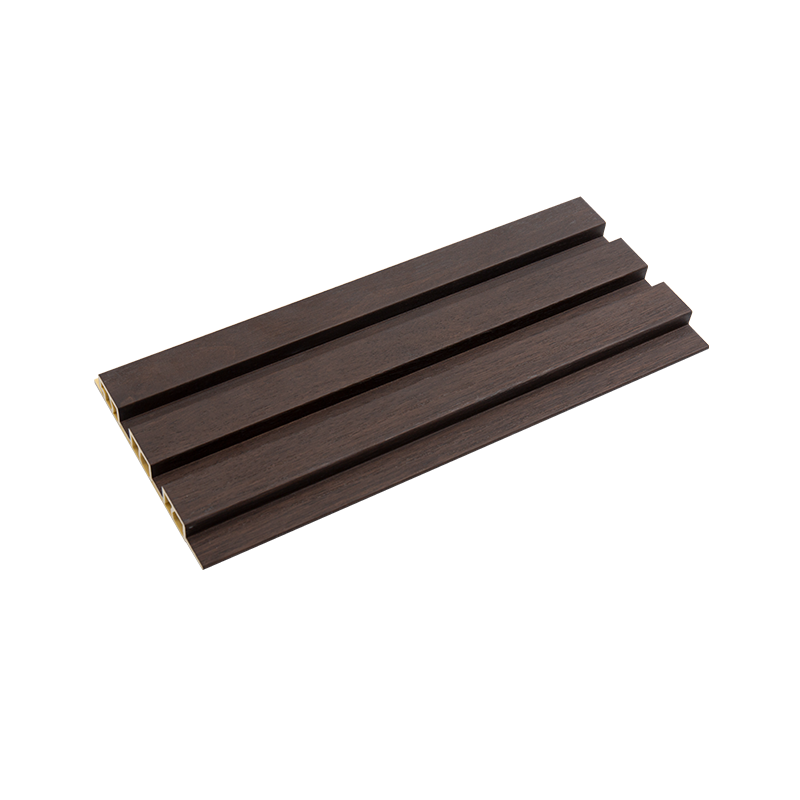
WPC wall cladding has become a practical alternative to natural timber, vinyl siding and other decorative wall materials. It combines the visual warmth of wood with the dimensional stability and moisture resistance of a polymer-based composite. For homeowners, architects and commercial contractors, this means fewer maintenance demands, faster installation and more consistent color and texture.
However, not all WPC cladding products have the same composition, density, fire performance or weather resistance. Before choosing a panel, buyers should examine its raw materials, protective surface, installation system and supporting test reports. This guide explains the most important technical and cost considerations for interior and exterior WPC wall cladding projects.
What Is WPC Wall Cladding?
WPC wall cladding is a wood-plastic composite covering used to protect and decorate interior or exterior walls. It is generally manufactured from wood flour or wood fiber, thermoplastic resin, additives, pigments and processing agents. These ingredients are mixed, heated and extruded through a profile die to create boards with a consistent cross-section.
A typical formulation may contain approximately 40% to 60% wood fiber, 30% to 50% thermoplastic and a smaller proportion of stabilizers, coupling agents, lubricants, colorants and fire-retardant additives. The exact formula varies considerably between manufacturers and product grades.
Common polymer components include:
- High-density polyethylene, or HDPE
- Polypropylene, or PP
- Polyvinyl chloride, or PVC
- Recycled post-consumer or post-industrial plastic
Wood fibers improve stiffness and create a natural-looking surface, while the polymer matrix helps protect the material from water absorption, insects and biological decay. Coupling agents strengthen the bond between the hydrophilic wood fiber and the hydrophobic plastic.
Solid, Hollow and Foamed Core Structures
WPC wall panels may have a solid core, hollow chambers or a foamed core. Solid profiles provide greater density and impact resistance but are heavier. Hollow panels reduce material consumption and weight, making them easier to transport and install. Internal ribs help maintain structural stability.
Foamed-core technology creates microscopic air cells within the composite. This can reduce weight, improve thermal insulation and help limit moisture movement through the panel. Nevertheless, a foamed core does not automatically make the complete wall assembly waterproof. Exterior performance also depends on joints, trims, flashing, fasteners, drainage and the wall’s weather-resistant barrier.
How Eco-Friendly Is WPC Cladding?
WPC can support resource-efficient construction when it contains verified recycled plastic and responsibly sourced wood fiber. It may also reduce demand for newly harvested solid timber and make use of sawdust or wood-processing residues that would otherwise become waste.
Buyers should not rely only on general claims such as “green,” “recyclable” or “environmentally friendly.” For projects pursuing LEED v4 or other green-building objectives, request documentation showing:
- The percentage of pre-consumer and post-consumer recycled content
- The source and chain of custody of the wood fiber
- FSC certification, when applicable
- VOC emissions testing for interior products
- An Environmental Product Declaration, or EPD
- A life-cycle assessment or similar environmental report
- Information about recycling at the end of the product’s service life
An EPD does not automatically prove that one product is more sustainable than another. It provides standardized environmental information that allows project teams to make a more transparent comparison. Zhejiang QianDuoMu Intelligent Decoration Co., Ltd., established in 2009, specializes in wall panels, wall cladding, decorative profiles and ceiling products. Project buyers should request the current technical data and certification package for the exact QianDuoMu profile under consideration rather than assuming that one report covers every product.
WPC Wall Cladding Cost and Performance
In the US retail market, WPC wall cladding materials commonly cost approximately $5 to $20 per square foot. Standard interior panels are usually at the lower end, while dense exterior co-extruded panels, premium woodgrain finishes and complete hidden-fastener systems cost more. Published 2025 market estimates place many retail WPC panels between $8 and $20 per square foot.
Professional labor may add approximately $5 to $9 per square foot for a relatively straightforward exterior cladding project. Removal of old siding, wall repairs, scaffolding, complex corners and custom trims can increase the installed price. A reasonable preliminary budget is therefore approximately $10 to $30 per square foot, although local quotations should be used for final planning.
| Material | Typical Material Cost | Typical Service Life | Moisture Resistance | Maintenance | Fire Considerations |
|---|---|---|---|---|---|
| WPC wall cladding | $5–$20 per sq. ft. | 20–30 years, depending on product and exposure | High, but joints and wall assemblies require drainage | Low | Rating varies by formulation; request an ASTM E84 report |
| Fiber cement siding | $5–$15 per sq. ft. | 30–50 years | High when correctly sealed and installed | Low to moderate | Generally offers strong noncombustible-material performance |
| Natural wood cladding | $4–$18 per sq. ft. | 15–40 years | Moderate; depends on coating and detailing | High | Combustible unless treated or protected |
| Vinyl siding | $3–$10 per sq. ft. | 20–40 years | High | Low | Can melt or deform under heat |
Acoustic and thermal values should also be evaluated at the assembly level. A thin decorative panel alone normally provides limited sound absorption and insulation. The final NRC or R-value depends on the panel thickness, hollow structure, air cavity, battens, insulation and substrate. Buyers should be cautious when a supplier provides an acoustic or thermal value without describing the complete tested assembly.
Understanding ASTM E84 Fire Ratings
ASTM E84 evaluates the surface-burning characteristics of a material, including its flame spread and smoke development. Class A is the highest commonly referenced classification under this method, followed by Class B and Class C. An ASTM E84 classification does not mean that a WPC panel is fireproof, noncombustible or suitable for every building type.
Because WPC formulations vary, buyers should request a valid test report that identifies the exact product name, thickness, construction and mounting method. Local building officials may also require additional tests for exterior wall assemblies, high-rise buildings, escape routes or commercial interiors.
Long-Term Maintenance Savings
WPC can reduce life-cycle maintenance expenses because it generally does not require annual staining or painting. A simple comparison can be made with the following calculation:
Total ownership cost = initial material cost + installation cost + cleaning cost + repair cost + refinishing cost
Natural wood may have a lower initial price, but repeated sanding, staining, sealing and localized replacement can increase its 20-year ownership cost. WPC is often more predictable because routine maintenance normally consists of washing and inspecting fasteners, trims and drainage openings.
Climate still matters. Coastal Florida projects need corrosion-resistant clips and regular salt removal. Great Lakes projects require drainage details that prevent trapped water from freezing behind the cladding. In the Southwest, UV-resistant co-extrusion or an ASA protective surface is more important because intense sunlight can accelerate color change.
Warranty periods differ by supplier. Do not describe a panel as having a 25-year structural warranty unless that period appears in the manufacturer’s written warranty for the specific product. Confirm whether the warranty covers structural failure, excessive fading, staining, labor, freight and commercial installation.
Step-by-Step WPC Wall Cladding Installation Guide
Many WPC panels use interlocking edges or hidden clips, making installation faster than traditional board-by-board timber cladding. Nevertheless, correct preparation is essential. An uneven substrate or insufficient expansion clearance can cause visible waves, loose joints or buckling.
Recommended Tools
- Tape measure and marking pencil
- Laser level or long spirit level
- Stud finder
- Chalk line
- Miter saw or circular saw with a suitable fine-tooth blade
- Drill and driver
- Corrosion-resistant screws
- Manufacturer-approved clips and fasteners
- Rubber mallet
- Safety glasses, gloves and hearing protection
- Moisture meter for wood substrates
1. Inspect and Measure the Wall
Measure the wall width and height, deduct openings, and add approximately 5% to 10% for cuts and waste. Verify that the wall is structurally sound, dry and free from active leakage. Repair damaged sheathing before installing the cladding.
2. Install the Weather-Resistant Barrier
For exterior wood-frame construction, install an approved weather-resistant barrier according to local code and the membrane manufacturer’s instructions. Integrate the barrier with window flashing, door flashing and penetrations. WPC cladding is a rainscreen or decorative covering; it should not replace the building’s primary water-control layer.
3. Locate Studs and Prepare the Subframe
US wood-frame homes frequently use studs spaced 16 inches, or approximately 406 mm, on center. However, the required support spacing must follow the cladding manufacturer’s installation manual and local wind-load requirements.
Fix treated wood battens, aluminum rails or an approved furring system to the structural framing. Use a level to create a flat plane. Exterior assemblies should include a ventilated and drained cavity wherever required by the system design.
4. Install Starter Profiles and Trims
Fit the bottom starter rail, outside corners, inside corners and edge trims. Confirm that the starter rail is perfectly level because it determines the alignment of every subsequent panel.
5. Cut and Fix the First Panel
Cut the panel with a suitable blade and support it fully during cutting. Position it against the subframe and secure it with the specified hidden clips. Many systems require screws to pass through the clips and into the battens rather than directly through the face of the panel.
6. Continue the Interlocking Pattern
Insert each panel into the groove of the previous panel, check alignment and fasten the free edge. Do not hammer directly on a finished edge. Use a protective block or rubber mallet if light adjustment is necessary.
7. Allow for Thermal Movement
WPC expands and contracts as temperatures change. Installation guides commonly recommend approximately 5–7 mm of clearance at panel ends and fixed boundaries, although the correct gap depends on panel length, temperature during installation and the manufacturer’s coefficient of thermal expansion.
Projects in Arizona and other areas with large day-to-night temperature changes may require greater attention to movement joints. Never tightly trap long panels between two rigid walls. Use the manufacturer’s formula and installation chart rather than applying one universal gap to every product.
8. Complete the Edges and Inspect the Wall
Install finishing trims without blocking drainage or ventilation. Remove cutting dust and protective film, then check the entire wall for loose clips, uneven joints and restricted expansion points.
Interior Design Ideas for WPC Wall Cladding
WPC panels are available in fluted, slatted, embossed woodgrain, smooth matte and co-extruded finishes. This allows them to function as a design feature rather than merely a protective covering.
Living Room TV Wall
Vertical fluted panels can visually increase ceiling height and create a structured background for a television. A deep walnut woodgrain works particularly well with matte black metal shelves, warm indirect lighting and neutral furniture. Conceal cables before installing the panels and maintain the required clearance around heat-producing equipment.
Basement Feature Wall
WPC can be useful in basements where occasional humidity makes untreated decorative wood less practical. Light oak or warm gray panels can brighten a low-light room. However, active seepage, condensation or mold must be corrected before the wall is covered.
Entrance and Hallway Wainscoting
Impact-resistant panels can protect busy hallways while adding visual rhythm. Pair mid-height WPC wainscoting with painted drywall above it. Matching the cladding tone to doors, baseboards or cabinet fronts creates a coordinated interior without covering every wall.
Commercial Reception Area
Slatted or embossed WPC panels can provide a consistent branded background for reception desks, retail displays and hospitality interiors. Dark wood textures communicate warmth and formality, while pale oak, beige and smooth matte finishes suit minimalist offices and wellness spaces.
Three Practical Remodeling Concepts
- California mid-century entrance: Replace a flat painted entry wall with vertical teak-look panels, black lighting and a narrow floating console.
- Florida coastal living room: Use pale driftwood tones with white trim, woven textures and corrosion-resistant metal accessories.
- Chicago basement media room: Combine dark walnut slats with acoustic insulation behind selected wall sections to create a warmer and more comfortable entertainment area.
These are design concepts rather than documented project case studies. Actual performance depends on the selected profile, substrate and installation environment.
Maintenance and Longevity
WPC cladding is low-maintenance, but it is not maintenance-free. Dirt, pollen, hard-water minerals, salt and organic debris should be removed before they form persistent deposits.
| Exposure | Suggested Cleaning Frequency | Recommended Method |
|---|---|---|
| Normal interior use | Every 3–6 months | Soft cloth, water and pH-neutral cleaner |
| Exterior suburban environment | Twice per year | Soft brush, mild detergent and low-pressure rinse |
| Heavy pollen area | After peak pollen season | Water rinse followed by gentle washing |
| Coastal salt exposure | Every 1–3 months | Fresh-water rinse and inspection of metal fasteners |
| Hard-water staining | As deposits appear | Manufacturer-approved mineral-deposit cleaner |
Avoid aggressive solvents, steel wool and highly alkaline or acidic chemicals unless the manufacturer approves them. Test any cleaner on an inconspicuous area first.
Pressure washing may be permitted for some exterior products, but keep the pressure below the product manufacturer’s stated limit. Where no limit is available, use a low-pressure setting, maintain a safe distance and avoid directing water into panel joints. A commonly cited ceiling is 1,500 psi, but lower pressure is safer for embossed and co-extruded surfaces.
Removing Mold and Mildew
Mold usually grows on surface dirt or organic deposits rather than consuming the composite itself. Wash the area with warm water and a manufacturer-approved neutral cleaner. Use a soft nylon brush for textured grooves. Persistent biological staining should be treated only with a cleaner confirmed as compatible with the panel’s protective layer.
UV Protection and Color Retention
Standard WPC can gradually change color as it is exposed to sunlight. Co-extruded products add a protective polymer cap around the composite core. ASA and other weather-resistant surface materials can improve resistance to UV radiation, staining and moisture.
Even a high-performance cap does not guarantee zero fading. Ask for accelerated weathering results, the permitted color-change range and the written appearance warranty. In high-UV regions, inspect and clean the surface at least annually. A manufacturer-approved surface care treatment every two years may help maintain a clean appearance, but paints, oils and sealers should not be applied unless explicitly permitted.
Choosing WPC Cladding for Your Project
The best WPC wall cladding is not necessarily the thickest or most expensive option. It is the product whose composition, surface protection, fire documentation, fastening system and warranty match the intended application.
Zhejiang QianDuoMu Intelligent Decoration Co., Ltd. provides WPC wall panels, hollow wall panels, exterior cladding and customized OEM or ODM solutions. Buyers can submit wall dimensions, application details, preferred color, climate conditions and estimated quantity to request an appropriate profile recommendation.
Before ordering, request physical samples and compare them under the project’s actual lighting. A project quotation should clearly identify panel dimensions, coverage per piece, accessories, packaging, freight terms, test reports and warranty conditions.
Contact QianDuoMu through qianduomuwpc.com to request WPC cladding samples, technical documents and a customized project quotation.
Frequently Asked Questions
What is WPC wall cladding made of, and is it truly eco-friendly?
WPC cladding is made from wood fiber or wood flour, thermoplastic resin and functional additives. It may offer environmental advantages when it uses verified recycled plastic and responsibly sourced wood. Ask the supplier for recycled-content declarations, FSC documentation, VOC reports or an EPD instead of relying only on general environmental claims.
How much does WPC wall cladding cost per square foot, including installation?
Materials commonly cost approximately $5 to $20 per square foot in the US retail market. With professional installation, preliminary budgets may range from about $10 to $30 per square foot. Wall preparation, scaffolding, trims, shipping and removal of existing siding can increase the total.
Is WPC wall cladding 100% waterproof?
The composite material is highly moisture-resistant, but the complete installation should not be described as automatically 100% waterproof. Exterior walls still require weather-resistant barriers, flashing, drainage cavities and properly detailed joints.
Can I install WPC wall cladding myself?
Experienced DIY users can install many interior WPC systems with a saw, drill, level, tape measure and manufacturer-approved clips. Exterior installation is more demanding because it involves flashing, drainage, wind loads and thermal expansion. Complex exterior projects should be handled or reviewed by a qualified contractor.
How should WPC wall cladding be cleaned?
Use water, a soft cloth or nylon brush and a pH-neutral detergent. Avoid abrasive pads and unapproved solvents. For pressure washing, follow the product manual and use the lowest effective pressure.
Does WPC wall cladding meet US fire codes?
Some WPC products achieve ASTM E84 Class A or Class B surface-burning classifications, while others do not. The result depends on the formula, thickness and mounting method. Request the exact product test report and confirm acceptance with the local building authority.
Where can I obtain WPC cladding samples or a quotation?
Buyers can contact Zhejiang QianDuoMu Intelligent Decoration Co., Ltd. through qianduomuwpc.com. Include the installation location, interior or exterior application, wall dimensions, preferred finish and purchasing quantity to receive a more accurate recommendation and quotation.