 English
 عربى
عربى русский
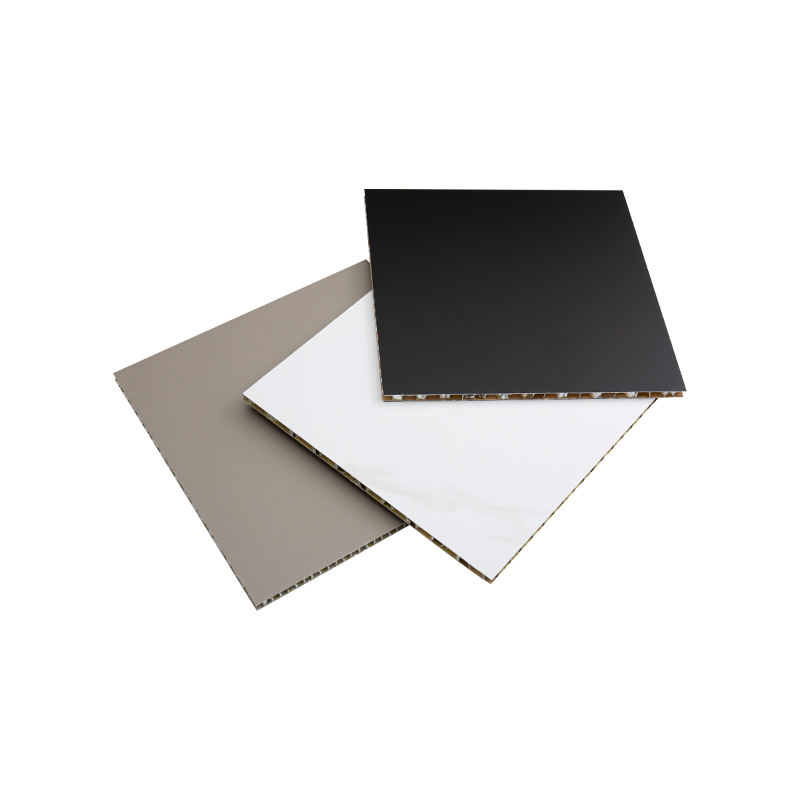
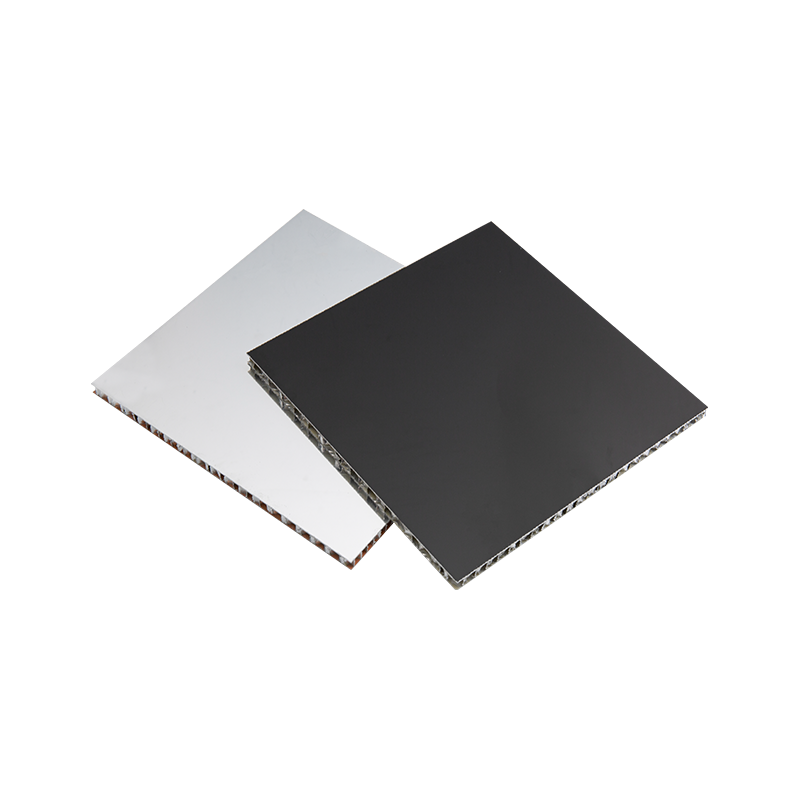
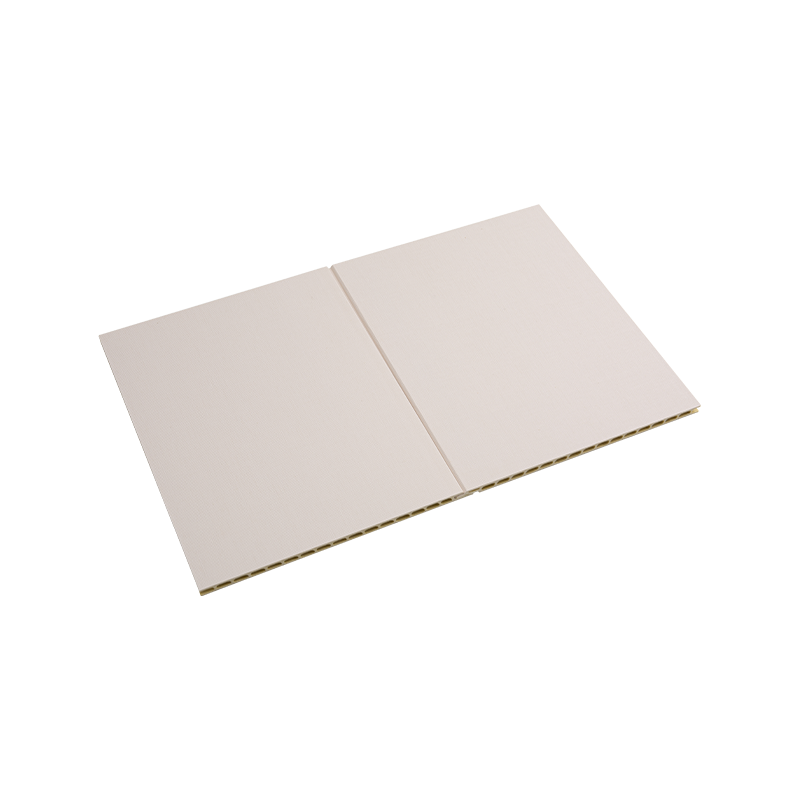
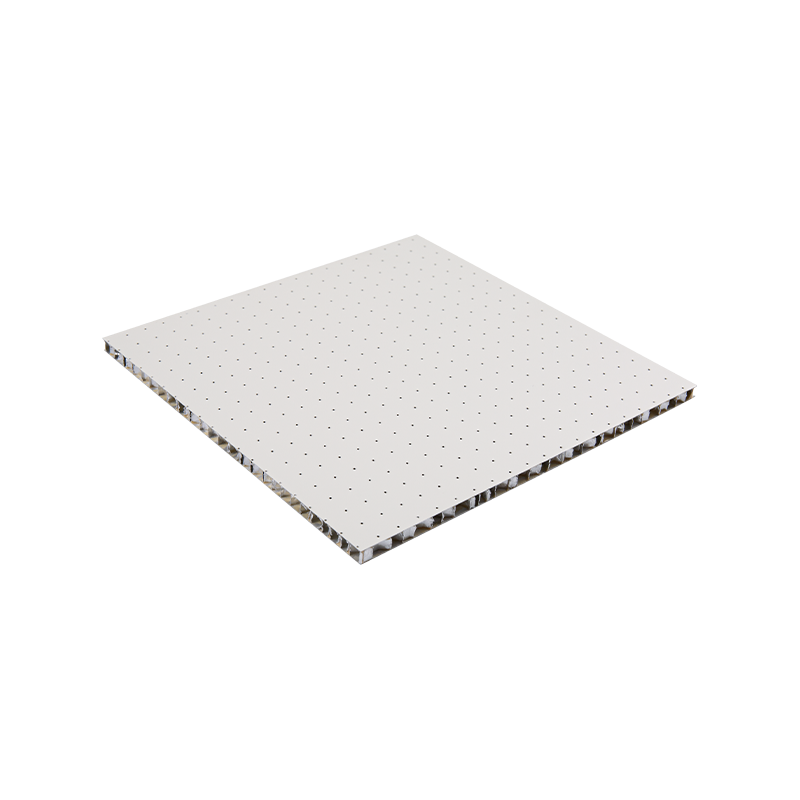
Aluminum honeycomb panels are lightweight composite materials designed to provide high stiffness with minimal weight. A typical aluminum honeycomb panel consists of two aluminum face sheets bonded to a hexagonal aluminum honeycomb core. The combination creates a strong sandwich structure that is widely used in architectural decoration, transportation, interior systems, and industrial applications.
For projects requiring thin and lightweight solutions, 7mm and 9mm aluminum honeycomb panels are two commonly selected thickness options. Although the difference is only 2mm, the additional core thickness can significantly influence rigidity, impact resistance, and application suitability.
The actual specifications vary depending on aluminum alloy grade, skin thickness, honeycomb cell size, and core density. The following table provides typical reference values for commercial-grade aluminum honeycomb panels:
| Specification | 7mm Aluminum Honeycomb Panel | 9mm Aluminum Honeycomb Panel |
| Total Thickness | 7mm (0.28 inch) | 9mm (0.35 inch) |
| Aluminum Skin Thickness | Commonly 0.5mm + 0.5mm or customized | Commonly 0.5mm + 0.5mm / 0.8mm + 0.8mm |
| Honeycomb Core | Aluminum honeycomb core, usually 3–6mm height | Aluminum honeycomb core, usually 5–8mm height |
| Cell Size | Commonly 6mm–9.52mm | Commonly 6mm–12.7mm |
| Core Density | Approximately 25–80 kg/m³ | Approximately 25–100 kg/m³ |
| Typical Weight | Approx. 0.9–1.4 lb/ft² | Approx. 1.0–1.6 lb/ft² |
| Thermal Conductivity | Approximately 0.8–1.5 W/(m·K), depending on structure | |
| Surface Flatness | High flatness suitable for architectural finishing | Higher rigidity with improved deformation resistance |
Compared with traditional solid aluminum sheets, aluminum honeycomb panels achieve excellent stiffness-to-weight ratios because the honeycomb core increases the moment of inertia without adding excessive material weight. This makes them especially valuable in applications where reducing structural load is important.
For projects in the United States, buyers may also consider industry requirements such as ASTM testing methods for aluminum materials, bonding performance, fire performance requirements under building codes, and architectural standards such as AAMA guidelines depending on the installation environment.
7mm vs. 9mm: A Side-by-Side Comparison of Weight, Strength, and Cost
Choosing between a 7mm and 9mm aluminum honeycomb panel depends mainly on the balance between weight, strength, budget, and installation requirements. Both thicknesses offer lightweight advantages, but the 9mm version provides additional structural depth that improves rigidity.
| Comparison Item | 7mm Panel | 9mm Panel |
| Weight | Lighter option, easier handling and transportation | Slightly heavier but still lightweight compared with solid metal panels |
| Bending Resistance | Suitable for decorative and moderate-load applications | Higher bending stiffness for larger panels and demanding installations |
| Flatness | Good surface stability | Better resistance against panel deformation |
| Cost | Lower material cost and transportation cost | Higher cost due to additional core material |
| Recommended Use | Interior walls, ceilings, partitions, exhibitions | Exterior cladding, larger panels, high rigidity applications |
A 7mm aluminum honeycomb panel is often selected when weight reduction and cost efficiency are the primary goals. For example, commercial interior partitions, decorative ceilings, elevator interiors, and exhibition structures typically do not require maximum panel thickness.
A 9mm aluminum honeycomb panel is usually preferred when panels need to maintain better flatness over larger dimensions or withstand higher wind pressure, vibration, or mechanical stress. Exterior architectural applications often benefit from the additional stiffness.
The price difference between 7mm and 9mm panels depends on aluminum alloy, surface treatment, order quantity, and customization requirements. As a general market reference, thin aluminum honeycomb panels may range approximately from USD 8–20 per square foot depending on specifications and finishing options.
For commercial projects, selecting the thicker panel does not always mean better performance. Engineers should evaluate panel span, fixing method, environmental conditions, and required load performance before choosing the final thickness.
Application Guide: Where to Use 7mm and 9mm Panels
Different building areas have different performance requirements. Selecting the correct aluminum honeycomb panel thickness helps achieve the best combination of durability, appearance, and project cost.
| Application | Recommended Thickness | Reason |
| Interior Partition Walls | 7mm | Lightweight structure with sufficient rigidity for indoor use |
| Commercial Ceiling Systems | 7mm | Reduces overhead load and simplifies installation |
| Elevator Interior Panels | 7mm or 9mm | Depends on panel size and impact requirements |
| Exhibition Booth Construction | 7mm | Easy transportation and fast installation |
| Exterior Wall Cladding | 9mm | Provides better stiffness and weather resistance |
| Large Decorative Panels | 9mm | Maintains flatness across larger surface areas |
In the US construction market, exterior wall applications may require compliance with local building codes, including International Building Code (IBC) requirements. Fire rating, attachment systems, wind load calculations, and project location should be reviewed with architects or engineers before installation.
For commercial buildings, aluminum honeycomb panels are frequently used in airports, shopping centers, office buildings, hotels, transportation facilities, and premium interior decoration projects because they combine modern appearance with lightweight performance.
Pricing, Sheet Sizes, and US Sourcing Options
When purchasing aluminum honeycomb panels, buyers usually consider three factors: panel specification, sheet size availability, and logistics cost. Standard panel dimensions help reduce waste and simplify installation planning.
| Common Sheet Size | Typical Application |
| 4 ft × 8 ft | Common architectural and interior projects |
| 4 ft × 10 ft | Larger decorative wall applications |
| 5 ft × 10 ft | Large-format commercial projects |
| Custom Size | OEM architectural and industrial applications |
For buyers sourcing aluminum honeycomb panels in the United States, options include local distributors, architectural material suppliers, and direct manufacturers from international markets. Direct factory sourcing is often preferred for large-volume projects because it provides more customization options, including:
- Customized thickness from 7mm to 9mm and beyond
- Different aluminum skin thicknesses
- Powder coating, PVDF coating, or decorative finishes
- Custom cutting and CNC processing
- OEM packaging and export solutions
Transportation should also be considered. Large aluminum honeycomb panels require proper protection during shipping to avoid edge damage and surface scratches. Professional suppliers normally use reinforced packaging systems with corner protection and moisture-resistant wrapping.
Fabrication and Installation: Cutting, Edge Sealing, and Finishing Thin Honeycomb Panels
Although aluminum honeycomb panels are lightweight, proper fabrication methods are important to maintain their structural performance. Incorrect cutting or edge treatment may damage the honeycomb core and reduce panel durability.
For onsite cutting, contractors commonly use carbide-tipped circular saw blades designed for aluminum materials. CNC routers are often preferred for precision projects because they provide cleaner edges and consistent dimensions.
When cutting a 7mm or 9mm aluminum honeycomb panel, avoid excessive pressure that can crush the honeycomb core. Proper support under the panel helps prevent vibration and surface deformation.
Edge sealing is another important step. Common solutions include:
- Aluminum edge profiles for mechanical protection
- Epoxy resin sealing to protect exposed honeycomb cells
- Adhesive edge finishing systems for decorative applications
Before installation, the supporting structure should be checked for flatness and alignment. Uneven substrates may create visible panel distortion even when the honeycomb panel itself has excellent flatness.
Professional installers may use tools from brands such as DeWalt or Festool for aluminum cutting and finishing work. For projects requiring fire performance, additional coatings or certified finishing systems should be selected according to local regulations.
Get Your Custom Quote and Samples
Zhejiang QianDuoMu Intelligent Decoration Co., Ltd provides customized aluminum honeycomb panel solutions for architectural decoration and commercial projects. Whether you need 7mm lightweight panels for interior applications or 9mm panels for higher rigidity requirements, our team can help select suitable specifications based on your project needs.
Contact us to request product samples, technical specifications, customized sizes, and competitive factory quotations.
Website: qianduomuwpc.com
FAQ
What is the weight per square foot of a 7mm aluminum honeycomb panel?
A typical 7mm aluminum honeycomb panel weighs approximately 0.9–1.4 lb/ft² depending on aluminum skin thickness, alloy grade, and honeycomb core density.
How does the load-bearing strength compare between 7mm and 9mm panels?
A 9mm aluminum honeycomb panel generally provides higher bending stiffness and better deformation resistance because the thicker core increases structural depth.
What are the standard sheet sizes available in the US for aluminum honeycomb panels?
Common sizes include 4 ft × 8 ft, 4 ft × 10 ft, and 5 ft × 10 ft. Custom sizes are also available for architectural projects.
Is a 9mm panel worth the extra cost over a 7mm panel for exterior cladding?
For exterior cladding or large-format panels, the additional rigidity of a 9mm panel can justify the higher cost. However, final selection should consider wind load, fixing system, and building requirements.
Can I cut a 7mm aluminum honeycomb panel with a circular saw?
Yes. A circular saw with a suitable aluminum cutting blade can be used, but proper support and controlled cutting speed are important to avoid damaging the honeycomb core.
What edge sealing options work best for thin honeycomb panels?
Aluminum edge profiles and epoxy resin sealing are commonly used because they protect exposed honeycomb cells and improve long-term durability.
Where can I find a US supplier for small or bulk orders of aluminum honeycomb panels?
Buyers can source panels through local architectural suppliers, distributors, or directly from manufacturers offering OEM production and export services.