 English
 عربى
 русский

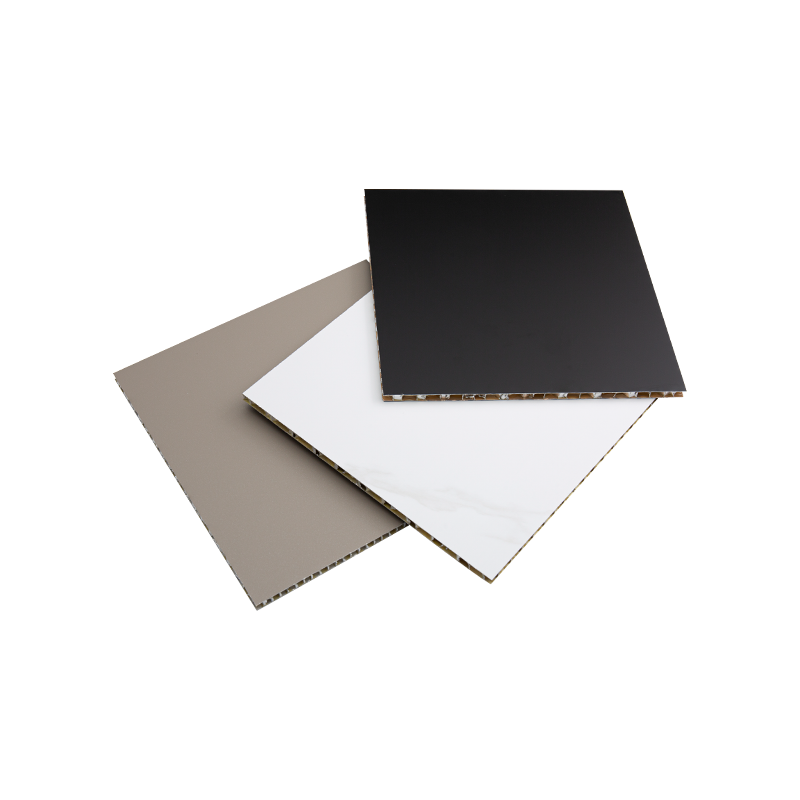
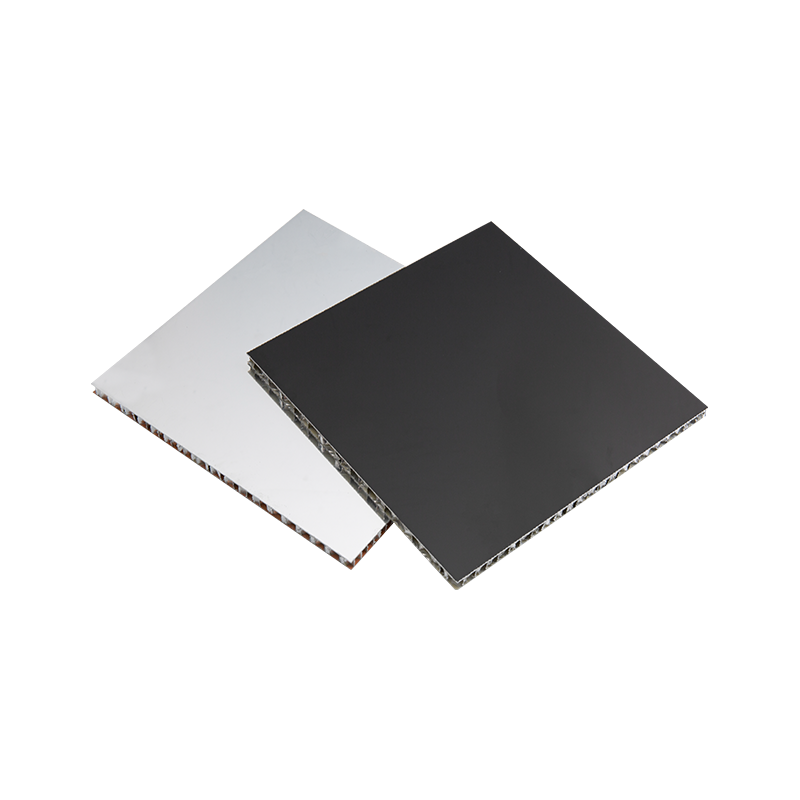
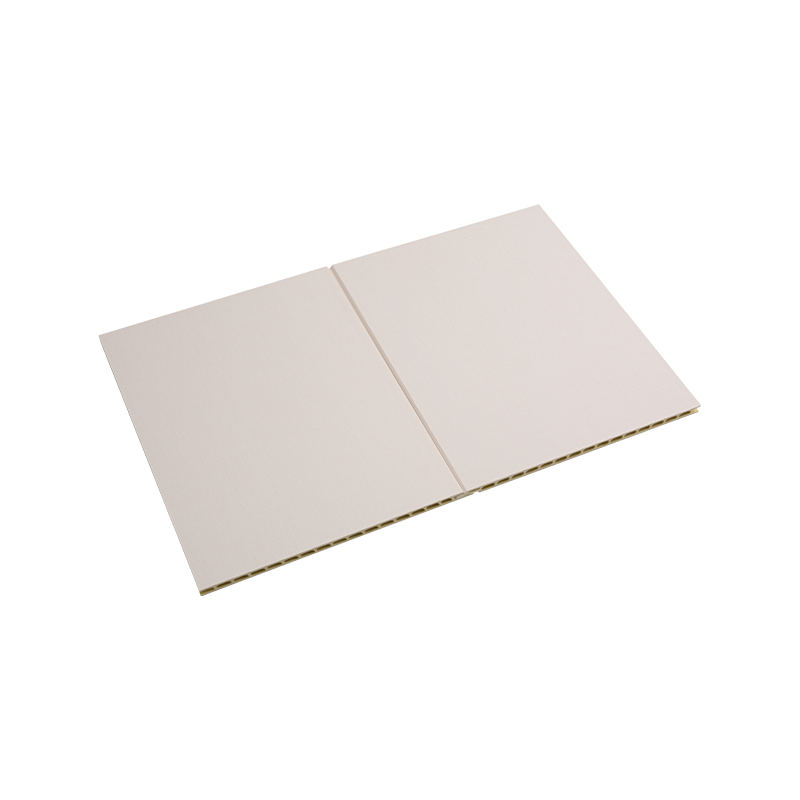
Color consistency becomes much more difficult when a WPC wall panel project moves from one sample or one production run to several batches, several containers or repeat orders months later. A panel that looks acceptable by itself may still appear noticeably different when installed next to material from another batch. For decorative wall systems, controlling this variation requires more than a final visual inspection.
The final appearance of a WPC wall panel can be influenced by decorative film, base-panel color, extrusion conditions, lamination parameters, surface texture, gloss level and even the lighting under which the product is inspected. Large projects therefore need a controlled color-management process from raw-material sourcing through production, packaging and future replenishment.

For importers, distributors and private-label brands, the goal is not simply to ask the factory for “the same color.” The goal is to define what “the same” means and create enough traceability to reproduce that appearance as closely as practical.
Why WPC Wall Panel Color Changes Between Batches
When two batches of decorative wall panels look different, the first assumption is often that the decorative film changed. That is one possible cause, but it is not the only one.
Color and appearance can shift because of several variables acting together:
- different decorative film production lots;
- variation in the base WPC panel color;
- changes in surface texture or embossing;
- different gloss levels;
- lamination temperature and pressure;
- extrusion temperature and cooling conditions;
- differences in lighting during inspection;
- aging of an installed panel compared with newly produced material.
This is particularly important for woodgrain and stone-look decorative panels. The final visual impression comes from more than one color value. Pattern contrast, grain direction, gloss, embossing and surface reflection all influence whether two panels appear to match.
Decorative Film Lots Are One of the Biggest Variables
For laminated WPC wall panels, the decorative film is one of the most important factors controlling appearance.
Decorative films are themselves manufactured in batches. Small variations can occur in printing, ink density, pattern contrast, coating or surface finish. A difference that looks minor when two rolls are checked separately can become more visible after panels are installed side by side over a large wall.
Use the Same Film Lot Where Practical
For a large project, manufacturers should try to use the same decorative film lot for panels that will be installed in the same visible area, where supply and order volume allow.
This is particularly useful for:
- hotel corridors;
- large retail walls;
- office reception areas;
- continuous residential feature walls;
- projects delivered in several containers.
If more than one film lot must be used, each lot should be checked against the approved reference before full production continues.
Do Not Approve Color by Name Alone
Descriptions such as “Light Oak,” “Dark Walnut” or “Warm Grey” are not precise manufacturing references.
A better control system includes:
- film code;
- supplier color code;
- approved physical sample;
- production date or lot code;
- customer-approved golden sample.
These references are much more useful than a verbal color name when the order is repeated months later.
Base Panel Color Can Still Affect the Final Appearance
The visible surface may be laminated, but the base WPC panel still matters.
Base-panel variation can become visible at:
- cut edges;
- tongue-and-groove joints;
- corner details;
- damaged or unfinished edges;
- light-colored or partially translucent decorative surfaces.
Changes in polymer, wood flour, mineral filler or pigment can alter the base color. If one batch is noticeably darker, more yellow or more grey than another, the difference may be visible even when the same decorative film is applied.
For OEM projects, manufacturers can therefore monitor not only the laminated surface but also the substrate color and unit weight as part of batch consistency control.
Production Conditions Can Create Visual Differences
Even when the same raw materials and decorative film are used, production settings can change the final appearance.
Extrusion Conditions
Temperature, line speed, cooling and material residence time can influence the surface condition and base-panel color. Excessive heat exposure can contribute to color change in some formulations, while unstable processing can produce uneven surface texture.
The more stable the extrusion window, the easier it is to reproduce the same appearance across multiple runs.
Lamination Temperature and Pressure
Decorative film needs controlled bonding conditions. If lamination temperature, roller pressure or line speed varies significantly, the surface may reflect light differently.
Two panels may use the same film but appear slightly different because one surface is smoother, more compressed or glossier than the other.
Gloss Is Part of Color Perception
A common mistake is to evaluate only hue while ignoring gloss.
A slightly glossier panel can appear:
- darker at one viewing angle;
- lighter under direct lighting;
- more saturated;
- more reflective than the approved sample.
For decorative wall panels, appearance control should therefore include both color and surface finish.
| Variable | Possible Visual Effect | Recommended Control |
| Decorative film lot | Shade, grain or contrast difference | Use approved film reference and record lot code |
| Base-panel color | Visible edge or substrate difference | Monitor formulation and substrate appearance |
| Lamination temperature | Different bonding or gloss appearance | Keep validated process settings stable |
| Embossing / texture | Different light reflection | Use consistent rollers and surface process |
| Inspection lighting | False perception of shade difference | Compare under controlled lighting |
Color Should Be Measured, Not Only Judged by Eye
Visual inspection remains important because the final customer sees the product with human eyes. However, visual judgment alone can be inconsistent.
One inspector may accept a difference that another inspector rejects. Lighting, viewing angle, surrounding colors and even fatigue can change perception.
Use a Golden Sample
The first reference should be a controlled golden sample representing the approved:
- color;
- pattern;
- texture;
- gloss;
- panel structure.
Production batches can then be checked against the same physical reference.
Use Controlled Lighting
Color comparison should be carried out under consistent lighting rather than next to a window one day and under warehouse lighting the next.
For projects with stricter color requirements, manufacturers may use a light booth or another controlled inspection environment so that samples are compared under repeatable conditions.
Instrumental Color Measurement
A spectrophotometer can provide objective color data using systems such as CIELAB, commonly represented by L*, a* and b* values.
Differences between two measurements can then be expressed as a color-difference value such as ΔE.
However, there is no universal ΔE acceptance limit suitable for every WPC wall panel project. A solid grey panel and a heavily patterned woodgrain surface may need different evaluation methods. The acceptable range should therefore be agreed according to product type, customer requirements and measurement conditions.
How to Control Color Across Large Project Orders
Large projects create an additional problem: production may need to be divided into several runs.
For example, a hotel project may require three containers delivered over several months. If each container is produced independently without batch planning, the risk of visible differences increases.
Plan Production by Installation Area
Where possible, panels intended for the same visible wall or project zone should be produced together.
Instead of mixing three production batches randomly across the same corridor, manufacturers and buyers can assign batches by:
- floor;
- building;
- room group;
- wall area;
- container shipment.
This limits the chance that slightly different batches meet directly on one continuous visible surface.
Reserve Decorative Film for Large Projects
For sufficiently large or important orders, buyers can discuss whether the required amount of decorative film should be planned or reserved for the project.
This is not always practical, especially for long projects or changing quantities, but early planning reduces the risk of discovering midway through production that the original film lot is no longer available.
Keep Production References
Manufacturers should retain sample pieces or controlled records from important batches.
Useful information includes:
- panel code;
- color code;
- film code;
- film lot;
- production batch number;
- production date;
- approved reference sample.
This creates traceability when a customer later requests additional material.
Repeat Orders Are More Difficult Than the First Order
The first order is often easier to control because all panels are produced within a relatively short period. A repeat order six or twelve months later is more challenging.
During that time:
- the original decorative film lot may have been consumed;
- film printing conditions may change;
- raw-material suppliers may change;
- production tooling may experience wear;
- the installed panels may have aged under light and cleaning conditions.
This means that a newly produced panel can match the original factory sample reasonably well but still look slightly different next to a panel that has been installed for a year.
Keep Spare Panels From the Original Batch
For projects where future repair is likely, retaining spare panels from the original batch is one of the safest ways to improve replacement matching.
Spare stock is especially useful for:
- hotels;
- retail stores;
- commercial corridors;
- rental properties;
- large multi-phase projects.
What Buyers Should Approve Before Production
Before mass production, the buyer should approve more than the general color name.
Panel
- Profile
- Dimensions
- Base color if relevant
- Surface finish
Decorative Film
- Film code
- Pattern
- Grain direction
- Gloss / matte level
Color Reference
- Golden sample
- Supplier color code
- Approved photo reference
- Measurement criteria if required
Matching Profiles
- WPC trim color
- Aluminum finish
- Corner profile
- Transition profile
What If an Exact Color Match Is No Longer Possible?
Sometimes an exact visual match cannot be guaranteed, especially when a project needs replacement panels long after the original production run.
In this situation, simply mixing the new batch randomly with old panels can make the difference more noticeable.
Better strategies may include:
Separate Batches by Wall Area
Use the new production batch on a complete wall, room or zone instead of placing individual new panels between older panels.
Use a Transition Profile
A decorative line, corner profile or aluminum trim can create a visual break between two production areas. This can make a small shade difference less noticeable.
Replace a Complete Section
If only one or two new panels look obviously different from the surrounding material, replacing a larger defined section may produce a cleaner appearance.
Retain Original-Batch Spares
For future projects, the easiest solution is often preventive: keep a reasonable number of spare panels from the original batch when the first order is delivered.
Batch Color Control Checklist for WPC Wall Panel Orders
| Stage | What Should Be Controlled |
| Before Production | Golden sample, film code, color code, texture, gloss and matching trims |
| Material Preparation | Film lot, base-panel formulation and pigment consistency where applicable |
| Extrusion | Temperature, line speed, cooling and substrate appearance |
| Lamination | Temperature, pressure, speed and surface finish |
| Inspection | Controlled lighting, visual comparison and instrumental measurement where required |
| Batch Planning | Keep the same project area within the same production batch where practical |
| Packaging | Label color code and production batch clearly |
| Repeat Orders | Use retained samples, original codes and batch records for comparison |
Color Consistency Is a Production-System Issue
Decorative wall-panel color cannot be controlled reliably by checking finished products only after thousands of pieces have already been produced.
The process starts with an approved reference and continues through decorative film purchasing, base-panel production, lamination, surface inspection, batch coding and shipment planning.
For large projects, color planning should also consider where different production batches will be installed. A small variation that is acceptable when batches are separated by rooms or floors may be much more noticeable when panels are mixed randomly across one continuous wall.
For repeat orders, traceability becomes even more important. Film codes, batch records and retained samples give manufacturers a much stronger basis for matching a previous order than a request simply saying, “Please make the same color again.”
Planning a WPC Wall Panel Project or Repeat Order?
Zhejiang QianDuoMu Intelligent Decoration Co., Ltd. supplies WPC wall panels, decorative wall cladding, WPC decorative lines, aluminum profiles and related interior decoration materials for project, distribution and OEM customers.
If your order requires specific colors, finishes or matching trims, share your approved sample, panel dimensions, quantity, application and destination market with our team. We can discuss available surface options, OEM requirements, batch planning, matching decorative profiles and production details before mass manufacturing begins.
FAQ
Why do WPC wall panels from different batches have slightly different colors?
Differences can result from decorative film lots, base-panel color, extrusion conditions, lamination settings, gloss level, texture and inspection lighting. Large projects therefore need batch control rather than relying only on the color name.
How can manufacturers reduce color variation between WPC production batches?
Useful methods include using an approved golden sample, controlling decorative film lots, maintaining stable extrusion and lamination settings, inspecting under consistent lighting and recording production batch information.
What is a golden sample for WPC wall panels?
A golden sample is the approved physical reference used to compare future production. It should represent the accepted color, pattern, texture, gloss and overall appearance of the finished panel.
Can ΔE be used to control WPC wall panel color?
Instrumental color measurement and ΔE values can support quality control, particularly for relatively uniform colors. However, the acceptable limit should be defined for the specific product because patterned woodgrain, stone and textured surfaces may require both instrumental and visual evaluation.
How can buyers match WPC wall panels when ordering replacements months later?
Keep the original color code, film code, batch number and a retained sample where possible. For projects where exact replacement appearance is important, keeping spare panels from the original production batch is also useful.
Should different WPC production batches be mixed on the same wall?
If there is any visible shade difference, it is usually better to separate batches by wall, room, floor or another defined area instead of mixing them randomly on one continuous surface.