 English
 عربى
 русский

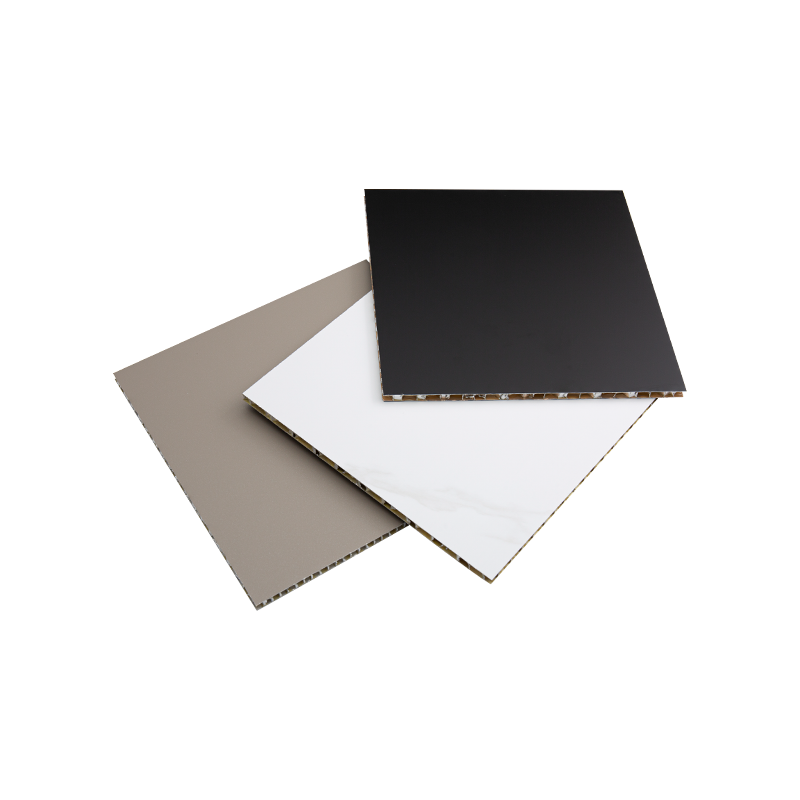
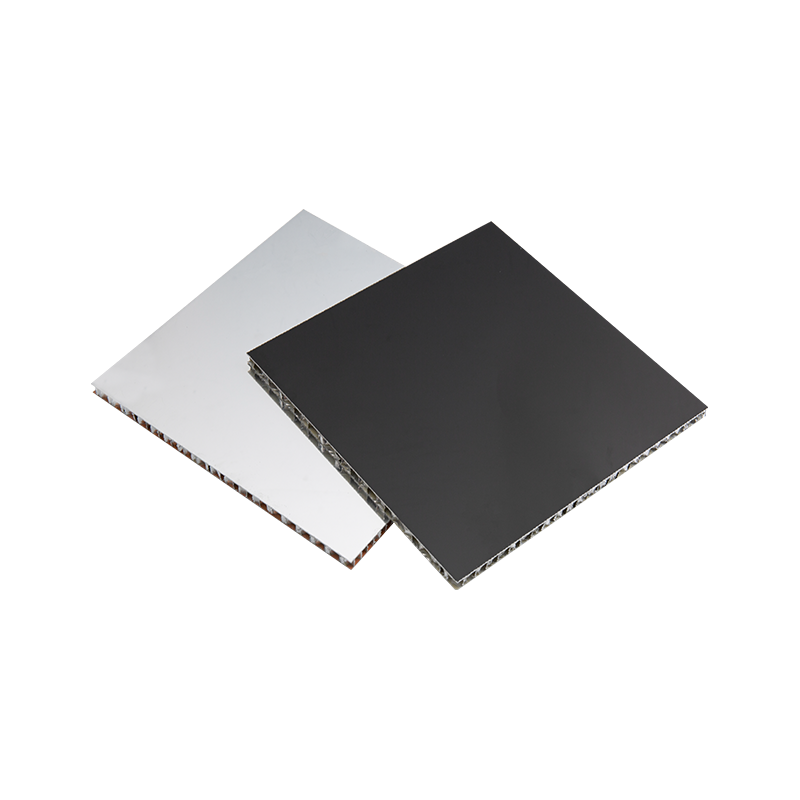
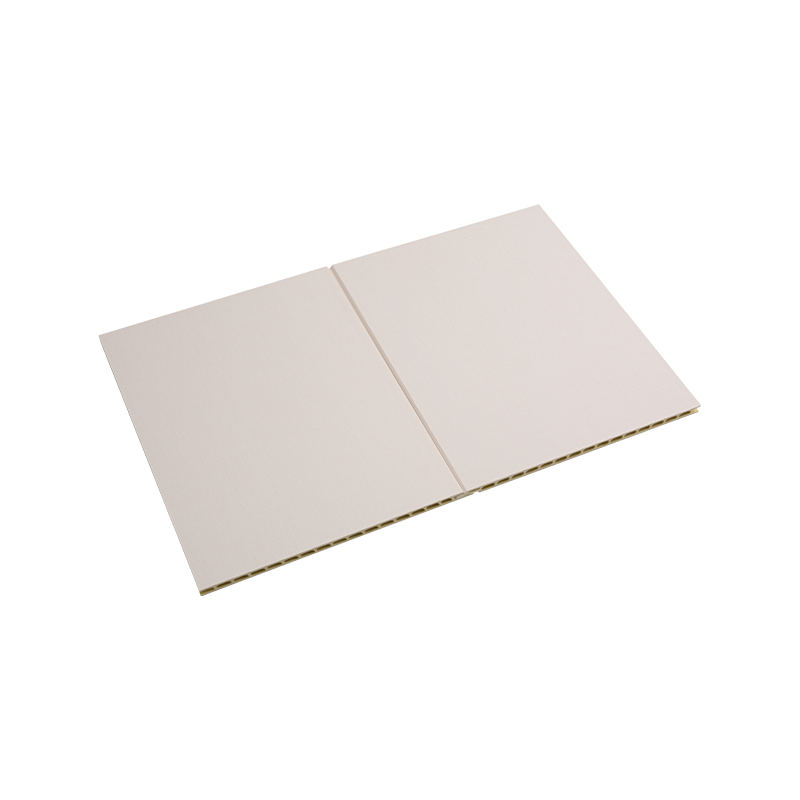
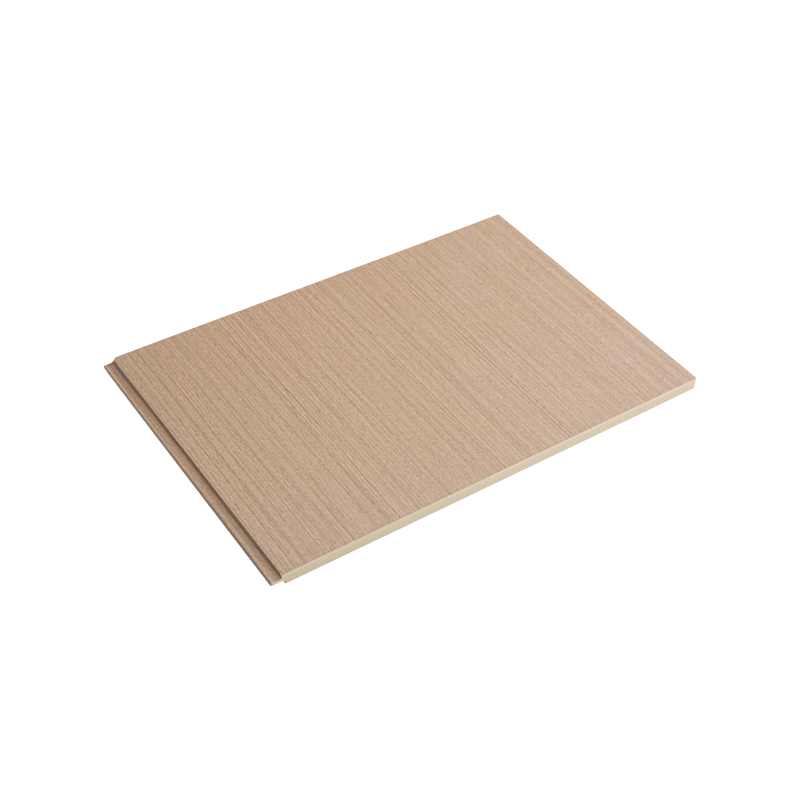
OEM WPC wall panel projects often involve more variables than standard stock orders. Dimensions may be customized, colors may be developed for a private label, packaging may carry the buyer’s branding, and matching trims may be designed for a specific project. The more elements that are customized, the more important it becomes to freeze the specification before full-scale production begins.
A successful OEM order is not defined only by whether a factory can make a custom product. It depends on whether the final dimensions, appearance, packaging, accessories and quality criteria have been clearly agreed and can be reproduced consistently across the whole batch.
For importers, distributors, private-label brands and project buyers, a structured pre-production approval process can reduce delays, prevent misunderstandings and make repeat orders much easier to manage.
Why OEM Orders Need a Specification Freeze Before Production
A standard wall panel order may involve an existing profile, existing color and existing packaging. OEM production can be much more complex.
A customer may request a different panel length, a custom decorative film, private-label cartons, a special trim combination or project-specific dimensions. If any of these items continue changing after production preparation has started, the risk of error increases quickly.
Typical problems include:
- mass-production panels not matching the approved sample;
- panel dimensions changing after matching trims have already been selected;
- packaging artwork being printed with the wrong SKU or color name;
- wall panels and decorative profiles not fitting together correctly;
- different departments working from different versions of the specification;
- late changes causing additional tooling, material or packaging costs.
Fix the Product Structure and Dimensions First
Product geometry is the foundation of the entire OEM order. It affects tooling, packaging, installation, container loading and compatibility with decorative profiles.
Confirm the Panel Type
The buyer and manufacturer should first confirm whether the required product is hollow or solid and whether the visible surface is flat, fluted, grooved or another decorative design.
The connection system also needs to be fixed. Tongue-and-groove geometry, overlapping edges and visible joint width can all affect the final installed appearance.
Confirm Overall and Effective Dimensions
A specification should include:
- panel length;
- overall width;
- effective installation width;
- overall thickness;
- visible face dimensions;
- agreed dimensional tolerances.
The distinction between overall width and effective width is particularly important. A WPC panel may measure one width physically but cover a smaller width after the tongue-and-groove joint is engaged.
Project quantity, carton quantity and container-loading calculations should therefore use the correct coverage width.
Define Internal Structure Where Necessary
For hollow profiles, the number of chambers, rib design and wall thickness can affect stiffness, unit weight, cutting behavior and screw-holding characteristics.
If the internal structure is important to the project or private-label specification, it should be documented before production instead of being treated as an unimportant hidden detail.
Fix the Material and Performance Requirements
OEM buyers do not always need to specify the exact percentage of every raw material. In many cases, it is more useful to define measurable product requirements.
Depending on the application, these may include:
- target unit weight;
- density range;
- stiffness;
- impact resistance;
- dimensional stability;
- surface hardness;
- water-related performance;
- fire-performance requirements where applicable.
This allows the manufacturer to select a suitable formulation while keeping the finished product within the agreed performance range.
For example, two profiles with the same external dimensions can feel and perform differently if their density, internal rib structure or formulation changes significantly. Recording only the visible size is therefore not always enough for OEM control.
Fix Color, Surface Finish and the Golden Sample
Color is one of the most common sources of disagreement in decorative wall-panel orders.
Terms such as “oak,” “dark walnut,” “light grey” or “beige stone” are too subjective for mass production. Different people can interpret the same color name differently, and different screens can display the same digital image differently.
Use a Controlled Reference
The final color should be linked to a controlled reference such as:
- supplier color code;
- decorative film code;
- approved physical sample;
- signed sample board;
- dated production sample.
Confirm the Surface Details
The surface specification should also define:
- matte or gloss appearance;
- smooth or embossed texture;
- woodgrain, stone, fabric or solid-color effect;
- laminated, printed or coated finish;
- pattern direction where relevant.
Retain a Golden Sample
A golden sample is the approved reference used to compare mass production. It should represent the final combination of panel structure, color, texture and surface finish.
For repeat orders, retaining a controlled golden sample can make color and appearance comparison much more objective.
A verbal statement such as “same as last time” is not a reliable OEM specification if there is no preserved reference.
Fix Matching Trims and Accessories at the Same Time
The wall panel itself is only one part of the finished installation system. OEM projects often require matching profiles for corners, edges and transitions.
These may include:
- internal corner profiles;
- external corner profiles;
- end trims;
- joint profiles;
- skirting profiles;
- WPC decorative lines;
- aluminum decorative trims;
- clips or other fixing accessories.
Confirm Mechanical Compatibility
The panel thickness and trim slot size must match. A decorative profile that is even slightly too narrow or too loose can cause installation problems.
This is why trim selection should be completed before mass production rather than after the wall panels have already been manufactured.
Confirm Visual Compatibility
The trim does not always need to be exactly the same color as the panel. Some projects intentionally use contrasting black, gold, silver or metallic lines.
The important point is to define the design intention clearly:
- exact color match;
- coordinated shade;
- intentional contrast.
This avoids disputes caused by different expectations after delivery.
Fix Packaging, Branding and Private-Label Details
Private-label packaging should be treated as part of the OEM product, not as a last-minute printing task.
Confirm the Packaging Method
Before printing begins, the buyer should confirm:
- carton, bundle or shrink-wrap format;
- pieces per package;
- protective film;
- corner and edge protection;
- pallet requirements;
- package dimensions;
- handling requirements.
Confirm the Branding Content
Private-label packaging may include:
- buyer logo;
- brand name;
- SKU;
- model number;
- color code;
- barcode;
- country-of-origin information;
- handling symbols;
- installation or storage notes.
These details should be approved before packaging materials enter production.
Changing a logo, SKU, carton quantity or color name after cartons have already been printed can create unnecessary waste, delays and extra cost.
Fix the Quality Inspection Standard Before Production
OEM quality control should not rely on statements such as “good quality” or “no obvious problem.” The acceptance criteria should be measurable.
Dimensions
Inspection criteria can include:
- length;
- overall width;
- effective width;
- thickness;
- profile geometry.
Appearance
The inspection standard should identify unacceptable defects such as:
- surface scratches;
- film bubbles;
- wrinkles;
- peeling edges;
- obvious shade differences;
- surface contamination;
- damaged corners.
Shape and Flatness
Panels should also be checked for excessive:
- bowing;
- twisting;
- edge deformation;
- irregular joint shape.
Unit Weight
A nominal weight or acceptable weight range can be useful for OEM control because unexpected weight changes may indicate differences in density, internal structure or wall thickness.
Fit Test
Random panels should be assembled together and tested with their matching trims. This helps confirm:
- tongue-and-groove fit;
- joint appearance;
- trim slot compatibility;
- panel alignment.
Approve the First Production Sample Before Full Batch Production
One of the safest ways to control an OEM order is to separate sample approval from full production release.
Instead of moving directly from development sample to thousands of finished pieces, manufacturers and buyers can use a first-production-sample process.
This step can reveal problems that were not visible during early sampling, including:
- tooling deviation;
- different film appearance on full-length panels;
- profile fit problems;
- unexpected unit weight;
- surface defects under normal line speed.
Correcting one first-production sample is far easier than correcting an entire completed batch.
Fix Quantity, Overrun, Spare Panels and Batch Planning
Quantity should also be standardized before production.
OEM orders may be quoted in:
- pieces;
- linear meters;
- square meters;
- cartons.
The purchase order and production specification should make it clear which unit controls the final quantity.
Agree on Production Overrun
Some manufacturing processes naturally create a small overrun or underrun. Whether this is acceptable should be agreed in advance rather than decided after production.
There is no universal percentage suitable for every project. The acceptable range depends on the order size, customization level and customer agreement.
Plan Spare Panels
Spare panels can be useful for:
- cutting loss;
- installation damage;
- future repair;
- replacement after the original batch is no longer available.
For projects where color matching is critical, ordering spare pieces from the same production batch can be safer than relying on a future repeat order.
Fix Shipping and Documentation Requirements
Shipping conditions should be confirmed before production because packaging size and quantity can affect the container plan.
The buyer should confirm:
- 20GP, 40GP or 40HQ container requirement;
- loading orientation;
- pallet requirement;
- bundle stacking method;
- placement of trims and accessories;
- container quantity target.
Confirm Required Documents Early
Depending on the destination market and project, the order may require:
- commercial invoice;
- packing list;
- bill of lading;
- certificate of origin;
- product specification;
- installation instructions;
- available test reports;
- material declarations;
- market-specific technical documents.
If the buyer requires fire-performance documentation, VOC information, recycled-content claims or other specific compliance information, these requirements should be discussed before production begins.
OEM WPC Wall Panel Pre-Production Checklist
| Area | What Should Be Fixed Before Mass Production |
| Panel Structure | Hollow/solid type, profile geometry, chamber and rib design where applicable |
| Dimensions | Length, overall width, effective width, thickness and tolerances |
| Performance | Target weight, density and project-specific performance requirements |
| Surface | Color, texture, gloss, decorative film and pattern direction |
| Golden Sample | Approved physical reference retained for comparison |
| Trims | Profile type, slot size, finish and color relationship |
| Packaging | Pieces per package, protection, logo, SKU, barcode and labels |
| Quality | Dimensions, surface defects, flatness, unit weight and fit criteria |
| Quantity | Order quantity, spare pieces and permitted overrun/underrun |
| Shipping | Container type, package dimensions and loading method |
| Documents | Commercial, technical and destination-market requirements |
The Best OEM Projects Are Controlled Before Production Starts
Customization is often promoted as the main advantage of OEM manufacturing. In practice, however, the most successful OEM projects are not those with the largest number of customizable options. They are the projects where every important detail is clearly defined before the factory begins mass production.
A frozen specification gives the buyer and manufacturer the same reference for dimensions, appearance, packaging, accessories and quality. It also reduces the risk of last-minute changes affecting tooling, materials, production schedules or container loading.
For repeat orders, this documentation becomes even more valuable. The same profile, color, packaging and quality criteria can be reproduced more efficiently because the approved reference already exists.
Planning an OEM WPC Wall Panel Order?
Zhejiang QianDuoMu Intelligent Decoration Co., Ltd. provides WPC wall panels, wall cladding, WPC decorative lines, aluminum decorative profiles and related interior decoration products for project buyers, distributors and private-label customers.
Share your required panel profile, dimensions, surface finish, packaging requirements, quantity and destination market with our team. We can discuss suitable WPC wall panel options, matching trims, OEM/ODM details, packaging and production requirements before mass manufacturing begins.
FAQ
What should be confirmed before OEM WPC wall panel mass production?
Buyers should confirm the final profile, dimensions, effective width, surface finish, color reference, matching trims, packaging, quantity, inspection criteria and required shipping documents before production is released.
What is a golden sample in WPC wall panel manufacturing?
A golden sample is an approved physical reference used to compare mass-production products. It can help confirm the accepted color, texture, profile structure and overall appearance for the OEM order.
Can OEM WPC wall panel dimensions be customized?
Many WPC wall-panel dimensions can be customized depending on the available tooling, production process and order volume. However, changes to width, thickness or profile structure may require different tooling and should be confirmed before production planning.
How should color consistency be controlled for private-label wall panels?
The final color should be linked to an approved physical sample, color code or decorative-film reference. Mass-production panels should then be checked against that approved reference, especially when more than one production or film batch is involved.
Should packaging design be approved before mass production?
Yes. Private-label packaging often includes logos, model numbers, color codes, barcodes and carton quantities. Approving these details early helps avoid reprinting costs and shipment delays.
Why is first-production-sample approval important?
A first production sample allows the buyer and manufacturer to verify dimensions, color, surface finish, profile fit and packaging assumptions under actual production conditions before the full batch is completed.